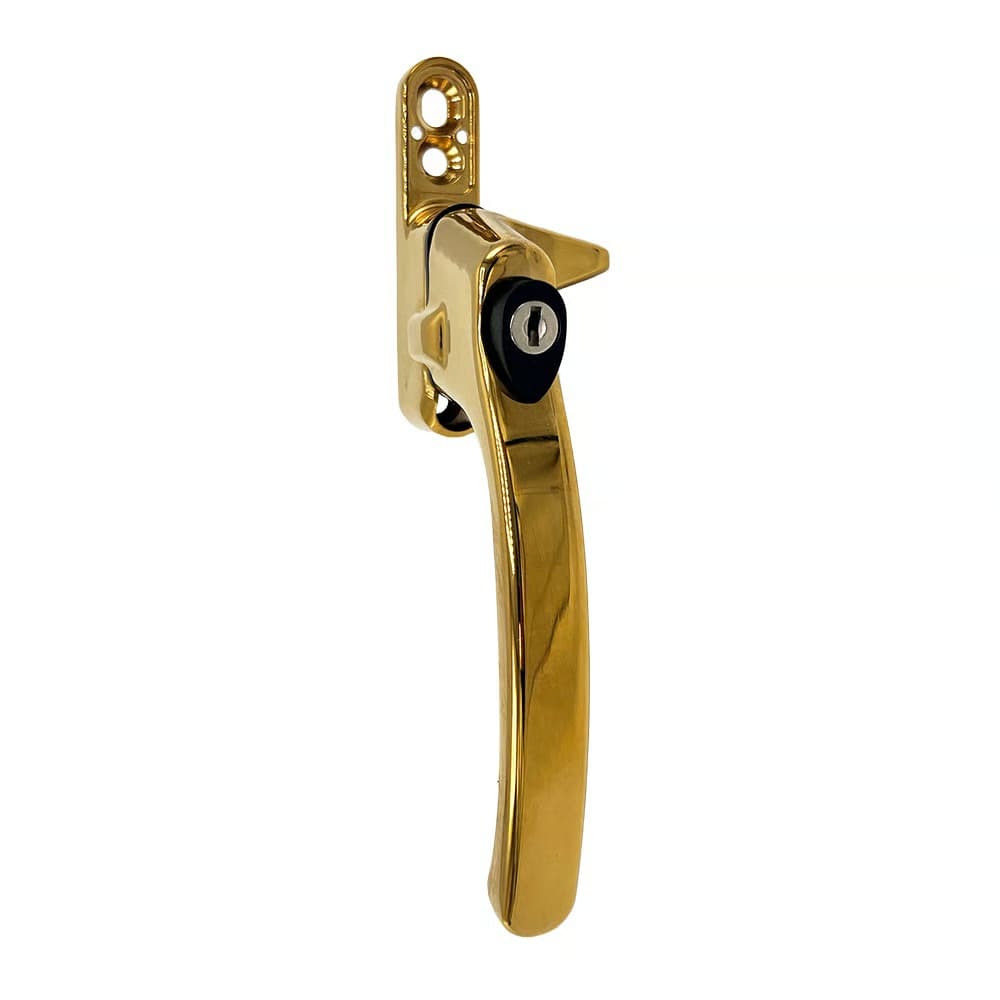
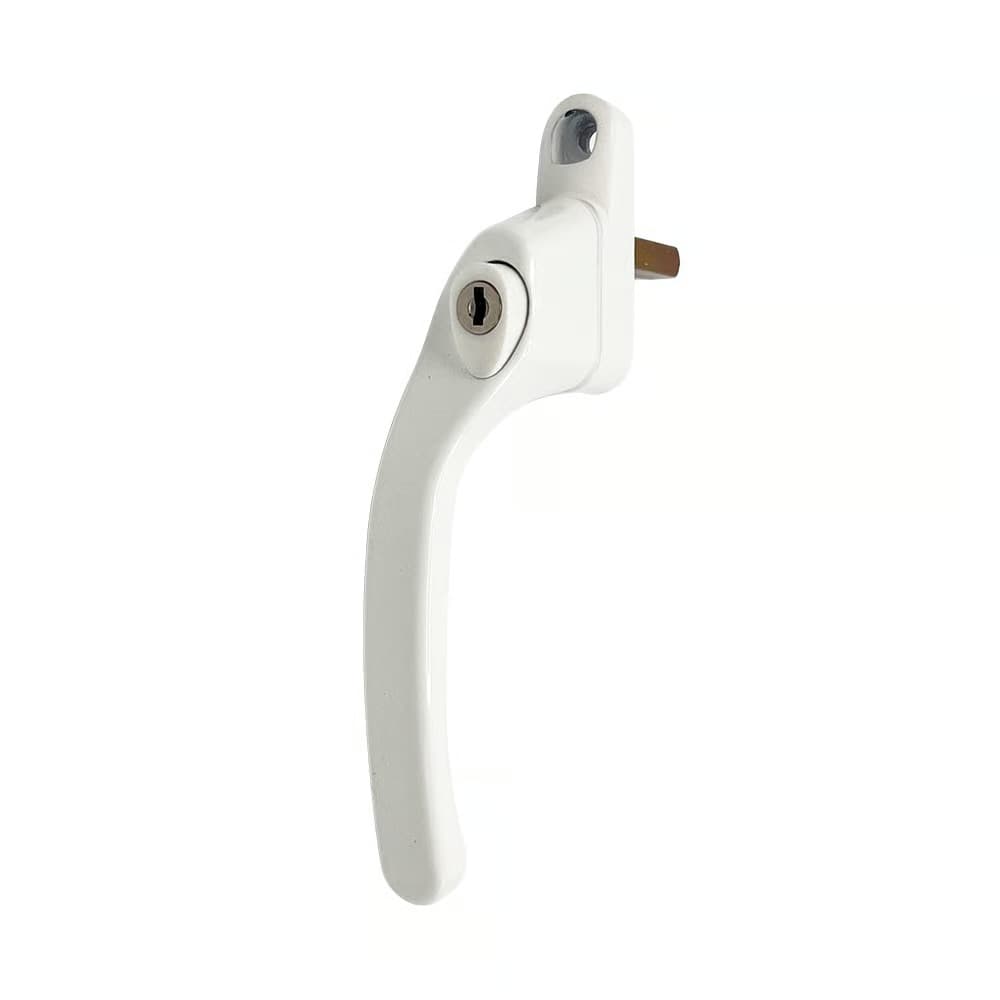
Window Handles for Double Glazed Windows: When to Replace the Gearbox
Double-glazed windows rely on the handle and internal gearbox to operate the locking mechanism smoothly and keep the home secure and energy-efficient. Worn...
Double-glazed windows rely on the handle and internal gearbox to operate the locking mechanism smoothly and keep the home secure and energy-efficient. Worn or damaged gearboxes are a common cause of faulty handles on modern casement windows, and recognising when to replace the gearbox can prevent costly repairs and maintain weatherproofing. This article describes clear signs of gearbox failure, step-by-step checks, practical replacement guidance for homeowners and tradespeople, and maintenance tips to extend the life of window hardware.
Common signs the gearbox needs replacing
- Handle movement with no locking action: The handle turns but the espagnolette shootbolts do not move or only move intermittently. This indicates stripped gears or a disengaged mechanism.
- Excessive play or wobble in the handle: Lateral movement at the handle spindle often points to worn gearbox bearings or a loose internal assembly.
- Stiff or jammed operation: A handle that is very stiff or seizes could mean rusted components or broken gear teeth inside the gearbox.
- Grinding or unusual noises: Crunching or clicking noises on operation typically indicate damaged gears.
- Visible damage or corrosion: Corrosion on the faceplate, visible cracks, or missing screws often accompany internal gearbox failure.
- Multiple windows with similar issues: If several handles on the same property fail around the same time, age-related wear of the gearboxes is likely.
Quick diagnostic checks
1. Visually inspect the handle and gearbox faceplate for corrosion, cracked plastic, or broken screws. 2. Operate the handle while observing the espagnolette rods, shootbolts or locking points to see if they move in sync with the handle. 3. Remove the handle to inspect the spindle and gearbox interface for stripped splines or an off-centre spindle. 4. Measure handle spindle length and note the number of splines or profile to ensure replacement compatibility. 5. Check keepers and strike plates in the frame for alignment and wear—sometimes adjustment of keepers resolves apparent gearbox issues.
These checks help determine whether the gearbox alone is at fault, or whether other components such as keepers or hinges are contributing.
When replacement is necessary
Replacement of the gearbox is recommended when:
- Internal gears are stripped or fractured.
- The spindle interface is severely worn so new handles will not engage.
- Corrosion has caused pitting that creates operational friction.
- Repeated repairs have failed to restore smooth action.
- The window is older and multiple components are near end of life, where replacing the gearbox is more cost-effective than frequent part repairs.
Practical guidance for replacing the gearbox
Tools and materials required:
- Screwdrivers (Pozidriv and flat)
- Replacement gearbox that matches length and locking positions
- Lubricant (dry silicone or light machine oil for moving parts)
- Tape measure and marker
- Replacement handle (if required)
- Anti-seize compound for screws (optional)
Specialist note: Some modern systems are manufacturer-specific and may require branded gearboxes. Where the exact replacement is unavailable, a universal espagnolette gearbox with matching dimensions may be used but ensure secure engagement with the existing handle and rod.
When to call a professional
Call a qualified window fitter or locksmith when:
- The gearbox is part of an integrated multi-point system with complex shootbolt arrangements.
- The sash requires removal to access the gearbox safely.
- Security upgrades are intended, for example upgrading to handles with higher security ratings.
- Confidence or tools are lacking, or time is limited.
Maintenance to avoid premature gearbox failure
- Regular lubrication: Apply a small amount of silicone spray or light oil to moving parts annually.
- Tighten screws: Check handle and faceplate fixings yearly and after storms or heavy use.
- Clean drainage and keepers: Blocked drainage and misaligned keepers can stress gearboxes.
- Avoid forcing a jammed handle: Forcing causes gear stripping; investigate the cause first.
- Replace worn handles: A loose or worn handle transfers extra load to the gearbox.
Conclusion
Recognising the symptoms of a failing gearbox and following a systematic inspection process can keep double glazed windows functioning reliably and securely. Timely replacement of a damaged gearbox, correct measurement for a compatible swap, and sensible maintenance will extend the life of window hardware and help avoid more extensive sash or frame repairs. Further guidance on choosing the right window handle is available in the comprehensive Window Handles Guide.