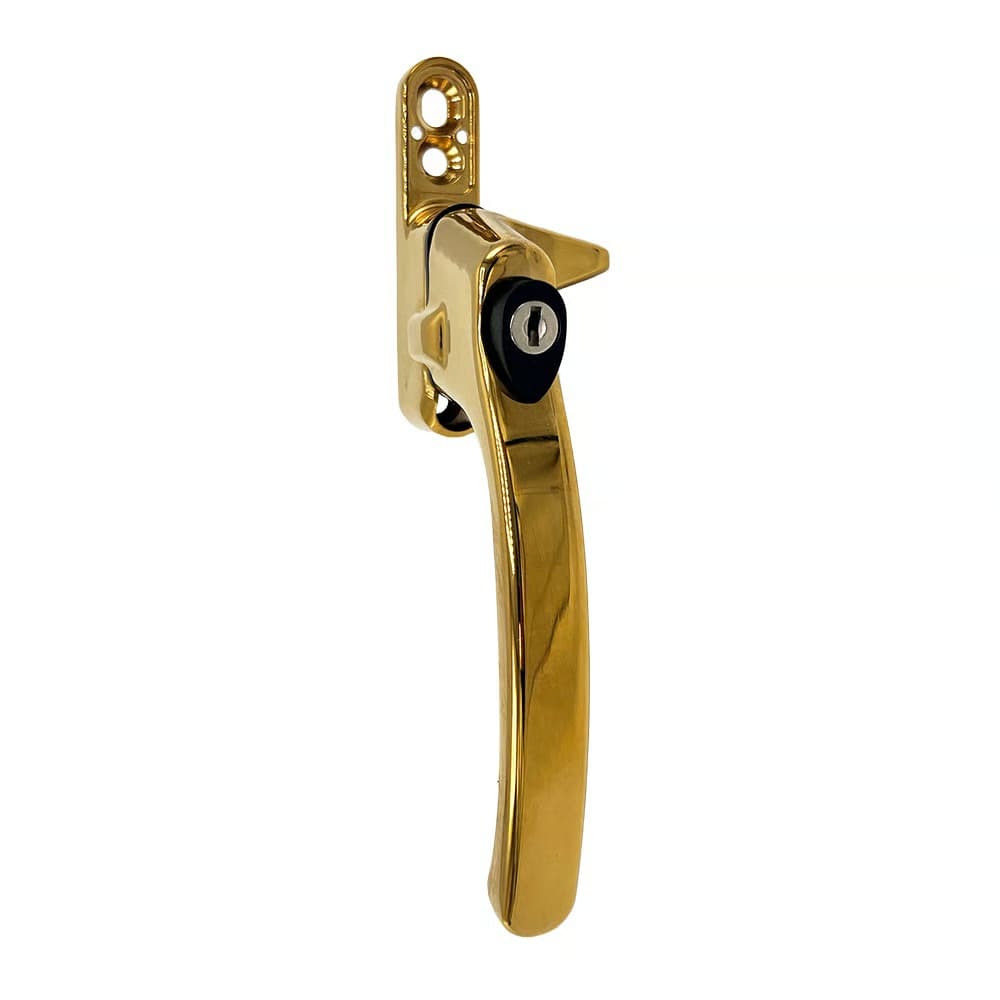
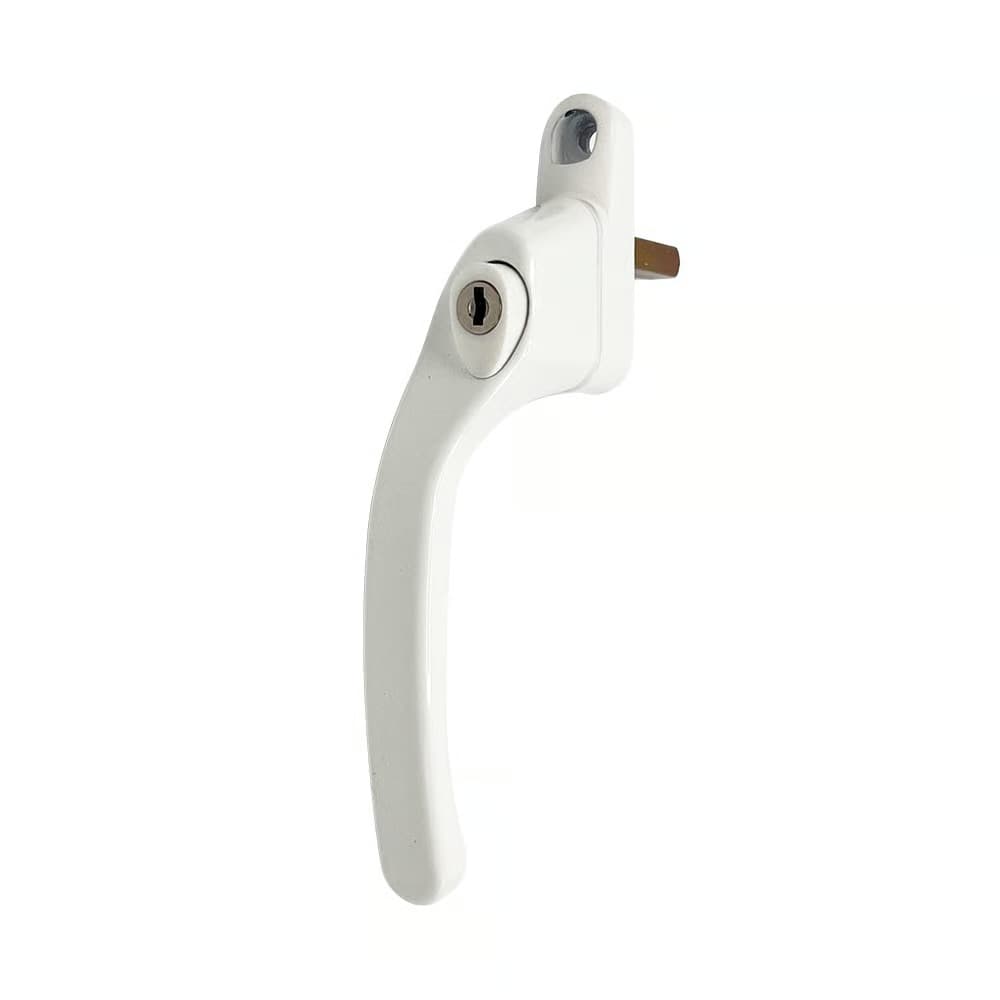
Window Handles for Double Glazed Windows: Why Handles Get Stiff
Older and newer double glazed windows alike can develop stiff or sticky handles over time. Stiff operation is often a symptom rather than the cause: pinnin...
Older and newer double glazed windows alike can develop stiff or sticky handles over time. Stiff operation is often a symptom rather than the cause: pinning down the root issue allows straightforward repairs, adjustments or replacements that restore smooth opening and secure locking. This guide explains the common causes of stiff window handles for double glazed windows, practical diagnostic steps, and durable fixes for homeowners and tradespeople.
Common causes of stiff handles
- Accumulated dirt, paint or hardened grease around the handle mechanism and spindle can impede rotation.
- Corrosion on metal components, especially in coastal or high-humidity environments, causes seizing.
- Worn spindles, stripped gears or damaged cams inside the handle body result in poor mechanical engagement.
- Misaligned or sagging frames cause excessive force on the handle and locking multipoints.
- Problems with the espagnolette or gearbox — not the handle itself — such as broken locking cams or detached rods.
- Incorrect handle fitment or a handle with the wrong spindle length for the window thickness creates binding.
- Paint over-spray or varnish after decorating can glue moving parts in place.
Quick diagnostic checklist
1. Visual inspection: check for visible corrosion, paint, broken screws, or damage to the handle lever. 2. Check the spindle: remove the handle to inspect the spindle and the socket in the mechanism for wear or deformation. 3. Operate without load: with the handle detached, turn the spindle using pliers to see if the gearbox rotates freely. Free rotation indicates the problem lies in the handle; resistance points to the mechanism or multipoint. 4. Observe movement of keeps and locking points while operating the handle to identify binding locations. 5. Check frame alignment and hinge/sash condition to ensure the sash is not rubbing or sagging against the frame.
Practical fixes and maintenance
- Cleaning and lubrication: remove the handle, clean the spindle and the handle socket with a household degreaser or isopropyl alcohol to remove old grease, dirt and paint residue. Apply a light silicone spray or white lithium grease sparingly to the spindle and moving parts. Avoid heavy oil that attracts dust.
- Rust removal: gently remove surface corrosion with a wire brush or fine emery paper, then protect metal with a light coat of grease or a corrosion inhibitor. Replace heavily corroded parts.
- Paint removal: soften dried paint with a suitable solvent (check compatibility with uPVC or coated aluminium). Carefully work around seals and gaskets to avoid damage.
- Tightening/adjustment: check and tighten fixings on the handle and keeps. Loose screws can misalign the mechanism and make the handle feel stiff.
- Replace worn screws or fittings with stainless steel replacements to limit future corrosion.
- Adjust multipoint locking keeps: if the locking points do not align, adjust the keep plates up or down in small increments until the handle operates smoothly without excessive force.
- Check locking cylinder: a stiff or sticky euro cylinder can make the handle feel stiff when engaging locks. Lubricate with graphite or a dedicated lock lubricant (not oil) and consider cylinder replacement if performance fails.
When to replace the handle
- If the spindle is rounded, the internal gears are stripped or the handle body is cracked, replacement is more cost-effective than repair.
- For cosmetic and functional upgrades, modern handles offer better ergonomics and corrosion resistance.
- Replacement is necessary when the handle’s locking cam does not engage the espagnolette correctly or when the handle fails to secure the window.
Choosing the correct replacement
- Measure spindle length and handle backplate screw centres before ordering a replacement handle.
- Confirm handedness (left or right) where applicable; some handles are reversible.
- Check whether the handle includes a locking cam or is non-locking depending on the window specification.
- Select stainless or electro-plated finishes for coastal environments to resist corrosion.
- Match the aesthetic and finish to existing hardware if multiple windows are being updated.
Tools and parts commonly required
- Cross-head and torx screwdrivers for most handle fixings.
- Pliers for spindle removal and gentle manipulation.
- Degreaser, isopropyl alcohol and a lint-free cloth for cleaning.
- Silicone spray or white lithium grease for lubrication.
- Replacement screws (stainless) and new handle where required.
- Replacement espagnolette gearbox or keeps for mechanism faults.
When the problem is the gearbox or frame
If the handle turns freely when detached from the spindle but the locking mechanism does not engage or still feels stiff when connected, the espagnolette rod or gearbox may be worn or broken. Gearbox replacement or realignment of the locking points is often required. In some cases, a tradesperson specialising in windows will be needed to remove the sash and fully assess multipoint systems.
Preventative care
- Clean and lubricate moving parts annually, more frequently in coastal locations.
- Avoid using heavy oils or household lubricants that attract dirt.
- Ensure paintwork is applied carefully around handles and that covers are used during decorating.
- Inspect handles and fixings periodically for early corrosion or wear.