Window Handles for Double Glazed Windows with Locks: Security Guide
Double glazed windows are a key feature of modern homes, providing thermal efficiency and noise reduction. Choosing the right window handles for double gla...
Double glazed windows are a key feature of modern homes, providing thermal efficiency and noise reduction. Choosing the right window handles for double glazed windows with locks is equally important for security, ease of use and durability. This guide explains the main types of locking handles, practical installation tips, maintenance advice and security considerations that homeowners and tradespeople need to know.
Types of locking handles and where they are used
Different window materials and locking systems require specific handle styles:
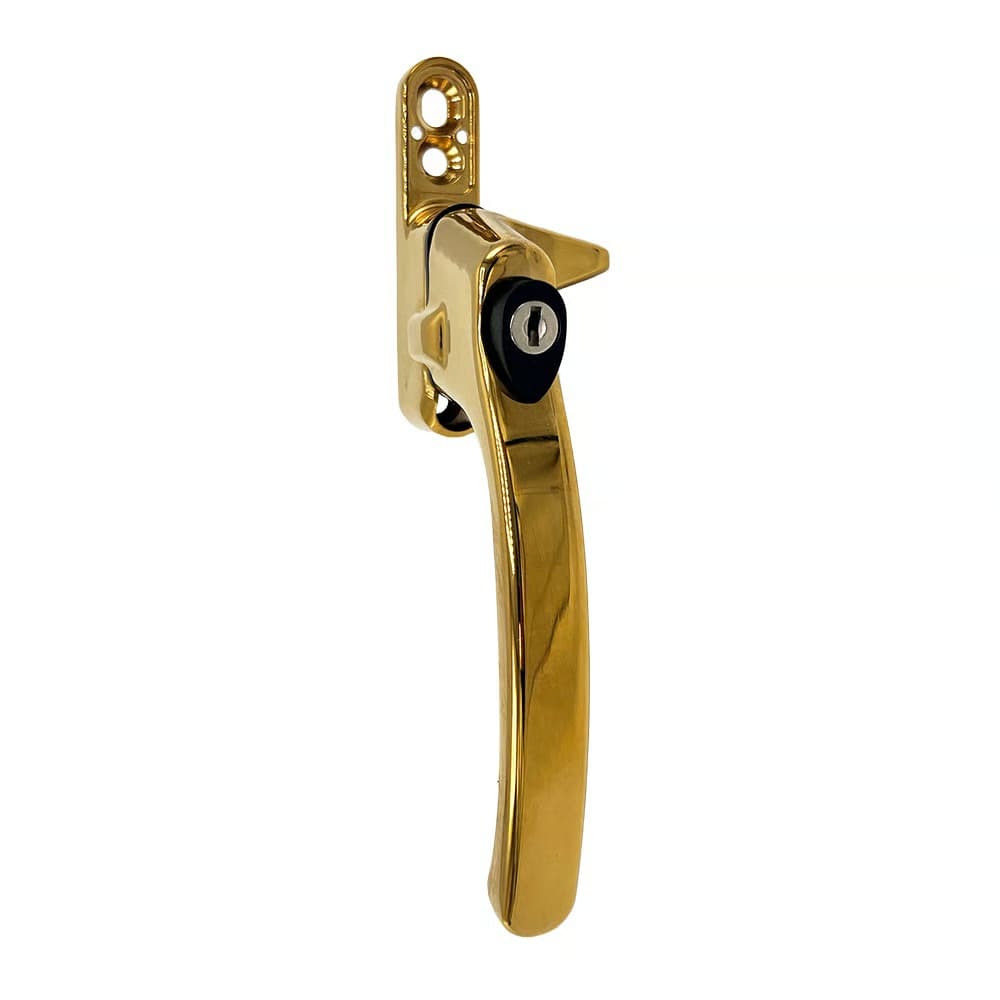
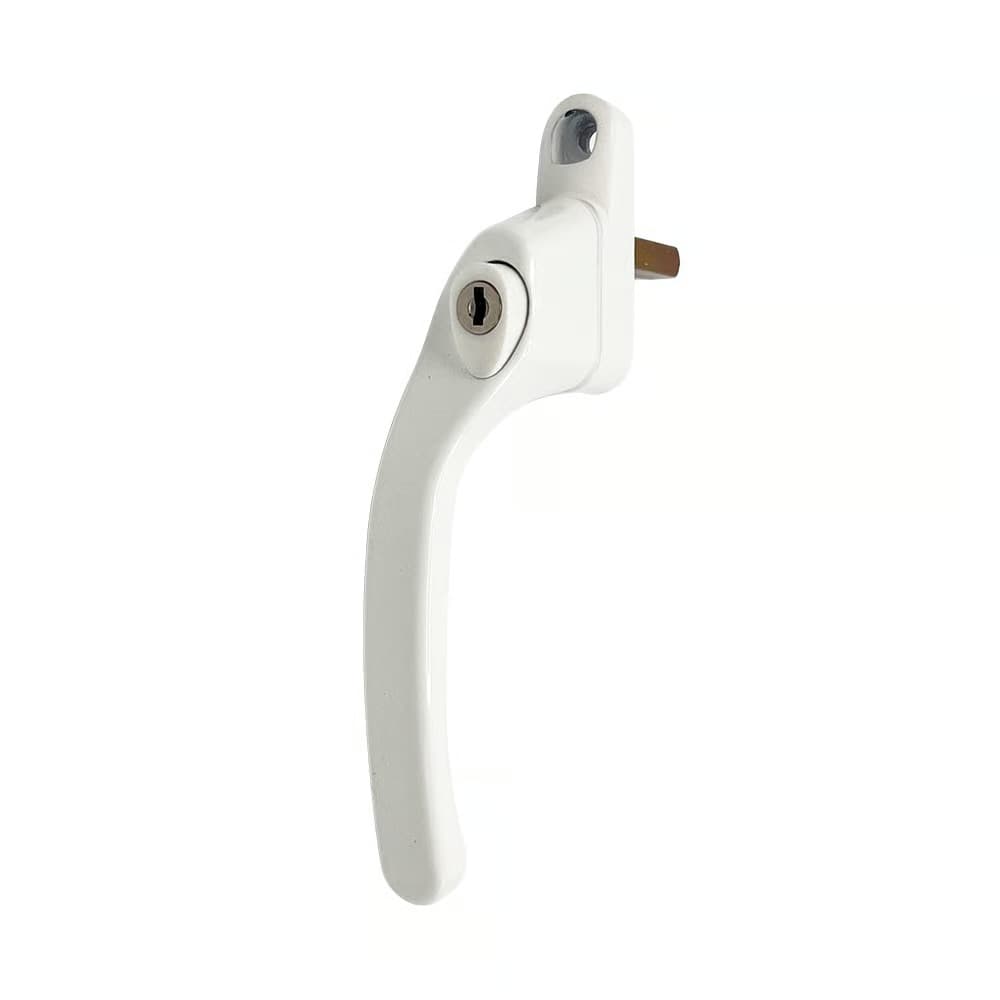
- Espag handles: Common on uPVC and some aluminium windows, espagnolette (espag) handles operate a multi-point locking mechanism via a spindle that rotates the gearbox. They are ideal for casement windows and offer robust locking when paired with the correct locking keeps. A secure option is the TSS Cockspur Window Handles, which combines a reinforced spindle and anti-snap features for enhanced resistance to forced entry.
- Cockspur handles: Suited to older uPVC and timber windows where a simple sashhook or keep engages on the frame. Cockspur handles are straightforward to fit and repair and are often used when replacing like-for-like hardware. The TSS Cockspur Window Handle is a sturdy choice for retrofits and is widely available in several finishes.
- Locking straight and cranked handles: Some windows require a cranked handle to clear deep beading or handle recess. Choose a model that matches the required crank dimension and includes a secure lock cylinder if extra security is needed.
- Key-lockable handles: For ground-floor or accessible windows, handles with a built-in cylinder lock or push-button locking significantly improve security. The TSS Offset UPVC Window Handles is an example of a reliable lockable handle suited to many domestic installations.
Matching handles to window systems
Selecting the correct handle requires verification of a few measurements and compatibility factors:
- Spindle length and thickness: Measure the existing spindle from the handle face to the gearbox surface. Standard spindles are 7mm square but check for 8mm or other sizes on older fittings. A too-short spindle will prevent full engagement of the gearbox; a too-long spindle can cause the handle to sit away from the frame and be easily levered.
- Fixing centres: Handles typically have fixed screw centres (e.g. 43mm or 92mm). Confirm the centre-to-centre screw spacing to avoid unnecessary drilling or use of adapters.
- Backset and gearbox style: For espag systems, note the distance from the handle to the end of the gearbox and the location of locking cams or hooks. Matching the handle to the existing gear prevents misalignment of keeps.
- Material compatibility: Aluminium frames may require different fixings compared to uPVC and timber. Use appropriate screws and, for aluminium, consider self-tapping screws or rivets recommended by the frame manufacturer.
Practical installation advice
Tradespeople and competent DIYers should follow these actionable steps to ensure secure installation:
- Remove old handle carefully: Support the window sash to avoid loads on the hinges. Take photos of the existing setup to reference cam positions and screw locations.
- Use the correct screws and lengths: Countersunk screws should engage solidly into the sash without protruding. For uPVC, use 25–35mm 4.8mm diameter screws depending on frame depth. For timber, choose position and length that secure to solid wood rather than hollow sections.
- Align keeps and cams: For espag handles, operate the handle to determine closed positions of cams and hooks, and mark the corresponding keep positions on the frame. Test the handle through several cycles to ensure smooth engagement.
- Fit weatherstrip clearance: If replacing with a thicker handle backplate, ensure there is adequate clearance from seals and glazing beads. A handle sitting on the seal can cause wear and leak issues.
- Use torque-limited drivers: Over-tightening screws can deform uPVC frames and restrict handle movement. Set the drill to a controlled torque setting and finish screw tension manually where possible.
Enhancing security beyond the handle
Handles are only one element of a secure window. Combine locked handles with these measures for an effective defence:
- Upgraded locking keeps and espag gearboxes: A high-quality handle should be paired with compatible keeps and strikes. Upgrade to reinforced keeps and anti-lift plates where available.
- Laminated or toughened glass: For vulnerable ground-floor openings, glass that resists breakage increases the time required for forced entry.
- Secondary locks and window restrictors: Internal keyed locks, sash jammers or restrictors provide additional resistance and allow safe ventilation. Restrictors are also useful for child safety, limiting sash opening to a set gap.
- Continuous maintenance of locking mechanisms: Ensure locking points, gearbox rods, and keeps are lubricated with a dry PTFE spray or light machine oil annually. Replace worn espag rods before they fail to avoid jamming and insecure closure.
Compliance and standards
Ensure replacements meet current British standards where applicable. Handles and locking systems used in new installations or significant replacements should comply with relevant performance standards such as PAS 24 for enhanced security in doors and windows where required. Check the manufacturer’s documentation for test ratings and certifications.
Common troubleshooting and quick fixes
- Handle stiff or difficult to turn: Apply PTFE lubricant to the gearbox and lock cylinder, and check for obstructions in keeps. If stiffness continues, inspect the spindle for bending or wear.
- Handle spins without engaging lock: Likely a stripped gearbox or rounded spindle. Replace the handle and gearbox assembly—do not rely on temporary fixes.
- Handle loose on frame: Remove and re-seat handle, ensuring screws bite into solid material. If screw holes are stripped, use larger diameter screws or pack out with suitable inserts.
Final considerations
Selecting the right window handles for double glazed windows balances security, durability and aesthetics. Match handle style and locking type to the window system, use correct fixings, and combine handles with strengthened keeps and secondary security devices for the best protection. Regular inspection and lubrication prolong functional life and maintain security standards.