Window Handles for uPVC Windows: A Step-by-Step Replacement Guide
Replacing a worn or broken handle is one of the simplest ways to restore function and appearance to uPVC windows. This guide explains, step-by-step, how to...
Replacing a worn or broken handle is one of the simplest ways to restore function and appearance to uPVC windows. This guide explains, step-by-step, how to remove and fit new window handles for uPVC windows, covering common variants, measurements, tools and troubleshooting tips for homeowners and tradespeople alike.
Common types of uPVC window handles
Understanding the handle type avoids mistakes when ordering and fitting replacements. The three common varieties are espagnolette (espag) handles, cockspur handles and lever/locking handles for tilt-and-turn windows. Each has a distinct fixing pattern and connection to the locking mechanism.
- Espag handles engage an espagnolette gearbox and use a square spindle and side fixings. A popular example is the TSS Cockspur Window Handles.
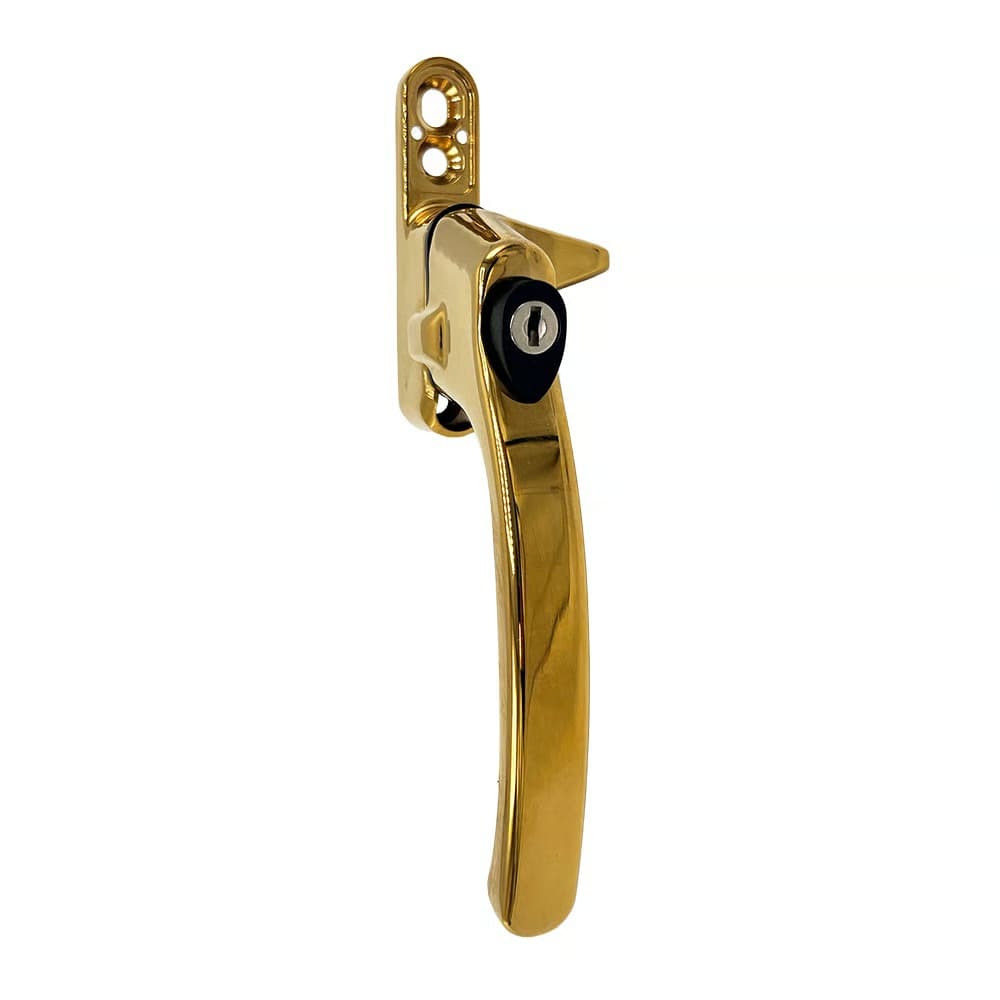
- Cockspur handles clamp around the sash and fix with visible screws; the TSS Cockspur Window Handle is a typical replacement.
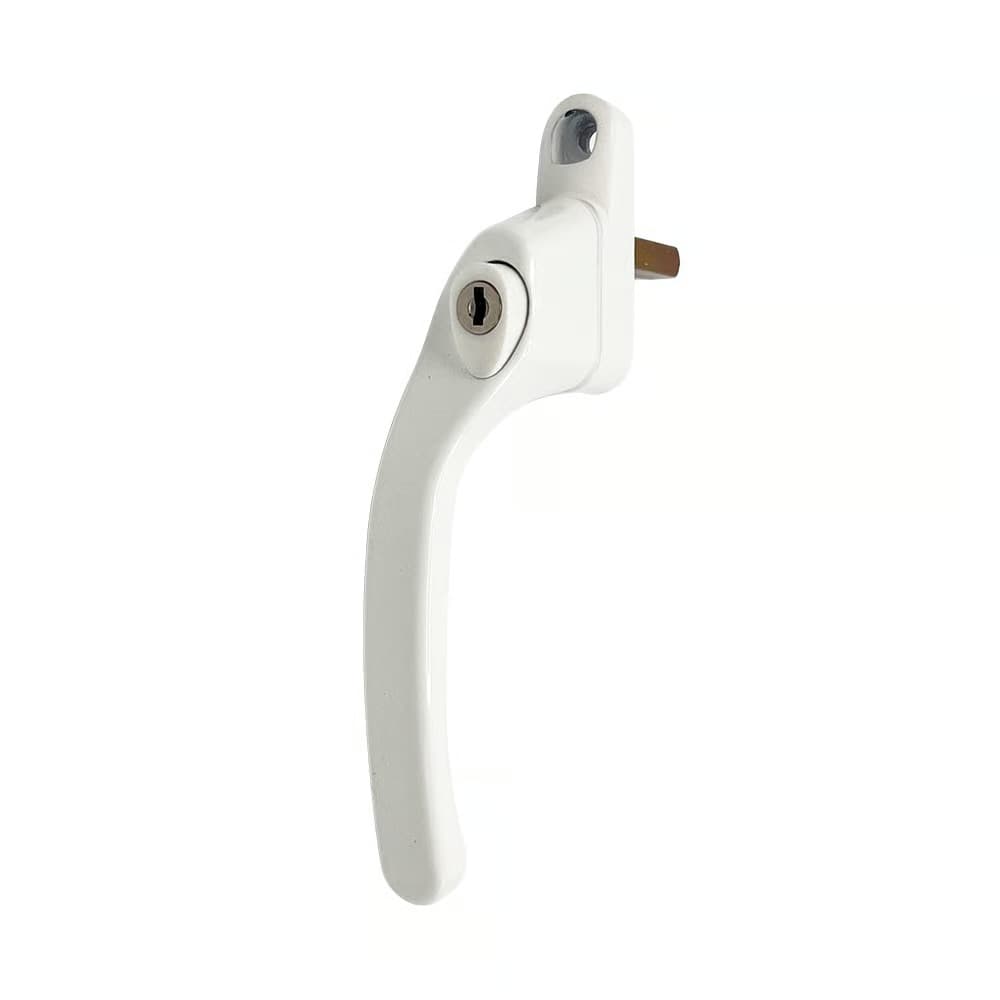
- Lever-style handles like the TSS Offset UPVC Window Handles suit many modern uPVC casement and tilt-and-turn windows.
Tools and materials required
Prepare the following before starting:
- Cross-head and flat screwdrivers
- Hex key/Allen key set (some handles use grub screws)
- Tape measure and ruler
- Pencil or marker
- Replacement handle (matching type and fixing centres)
- Cleaning cloth and lubricant (silicone spray)
- Gloves and safety glasses
Safety and preliminary checks
Work on a stable surface with the window closed. For first-time fitters, photograph the handle and surrounding mechanism before removal to aid reassembly. Ensure the new handle’s locking direction and handedness match the original, as some locking handles are handed for left- or right-hung windows.
Step 1 — Remove the old handle
1. Fully lower the window sash and place it in the closed position. 2. If the handle has a key-lock, unlock and remove the key. 3. Locate the visible screws on cockspur handles or the cap/rose fixing on lever and espag handles. Pry off decorative trim with a flat screwdriver if necessary to access fixings. 4. Unscrew the fixings while supporting the handle to prevent the spindle from falling into the frame. 5. Pull the handle straight off the spindle. For multi-part handles, note the order of parts as they come away.
For espag handles, some models have a grub screw on the underside that secures the handle to the spindle; remove this before pulling the handle. Keep all screws and small parts in a container.
Step 2 — Inspect and clean
Check the spindle and gearbox for wear or damage. Replace the espagnolette or gearbox if the spindle is stripped or the mechanism is loose. Clean the spindle and surrounding area; apply a light spray of silicone lubricant to the gearbox for smooth operation.
Measure the spindle thickness and length. Standard spindles are usually 7mm or 8mm square; confirm the replacement handle matches this dimension.
Step 3 — Fit the new handle
1. Align the new handle’s spindle with the gearbox hole and slide the handle onto the spindle square so it sits flush. 2. For espag handles ensure the handle is fitted in the neutral (centre) position or the closed position, depending on manufacturer instructions, so the mechanism engages correctly. 3. Replace fixings. For screw-on roses, fit screws loosely first to allow small positional adjustments, then tighten evenly. Avoid overtightening which can crack uPVC. 4. For locking handles, ensure the lock engages smoothly and that the key turns without binding.
When fitting cockspur handles, make sure the clamping sections sit square against the sash face and the clamping screws bite into the uPVC without deforming it.
Step 4 — Test and adjust
Operate the handle through its full range several times, checking that the locking points engage fully and the window seals tightly. If operation is stiff or the handle won’t reach the locked position:
- Re-check the spindle engagement and that the handle is on the correct side of the spindle flats.
- Loosen fixings slightly and correct alignment before retightening.
- Adjust the striker plates or keep if necessary; often a minor adjustment to the keeps corrects alignment issues.
Troubleshooting common problems
- Handle wobbles after fitting: tighten fixings and check that the backplate sits flat. Replace stripped screws.
- Handle will not turn to lock: verify spindle orientation and that the espagnolette gearbox is not damaged.
- New handle looks misaligned: check handedness and backset measurements; some handles are handed and must match the sash orientation.
- Paint or dirt obstruction: clean the area thoroughly and avoid paint on moving parts.
Maintenance and security tips
Regularly clean and lubricate moving parts with a silicone-based lubricant, not oil, which can attract dust. Check fixings annually and replace worn screws. For enhanced security on older uPVC windows, consider replacing with a handle that has multi-point locking compatibility or upgraded locking barrels.
Choosing a reputable replacement handle with the correct dimensions and quality will extend lifespan and improve security. Tradespeople should keep spare types in common spindle sizes to expedite onsite replacements.