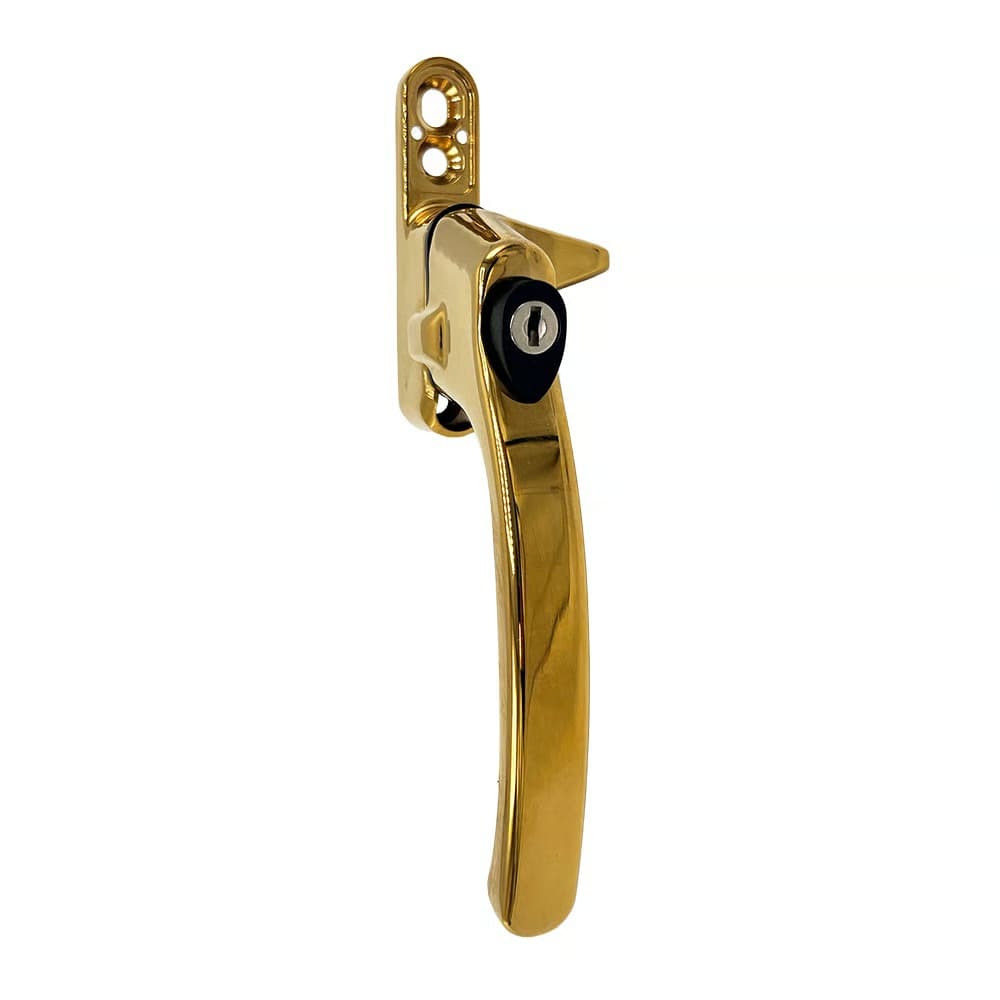
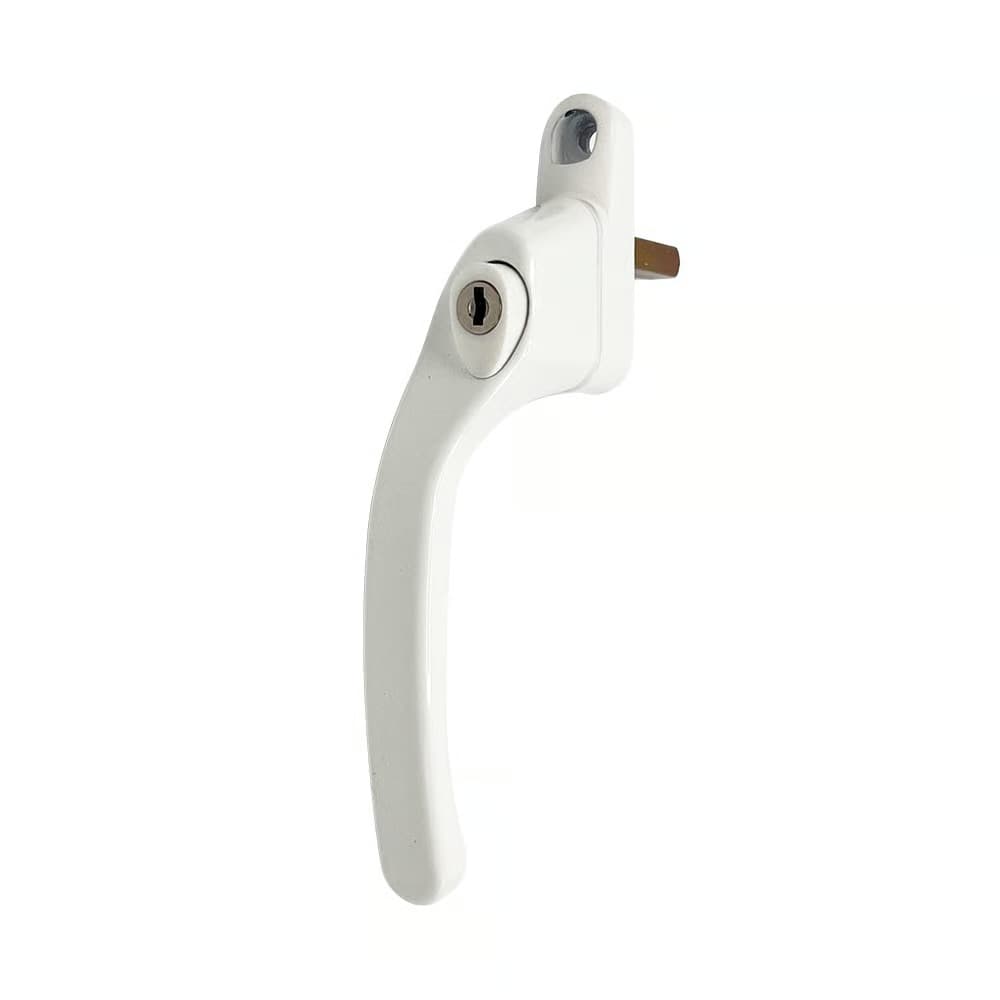
Window Handles for uPVC Windows: Common Screw Centre Sizes
uPVC windows are robust and low-maintenance, but hardware wear and mismatches cause the majority of functioning problems. Knowing the correct screw centre...
uPVC windows are robust and low-maintenance, but hardware wear and mismatches cause the majority of functioning problems. Knowing the correct screw centre size when replacing or upgrading window handles avoids returns, reduces fitting time and ensures a secure result. This guide explains common screw centre measurements for uPVC window handles, how to measure correctly, and practical advice for choosing the right replacement handle for homeowners and tradespeople.
Common types of uPVC window handles
Different handle styles use different fixing points. The three most commonly encountered types are:
- Espag (espagnolette) handles: used on inward- and outward-opening casement windows that operate a multi-point locking mechanism.
- Cockspur (lever) handles: older, surface-mounted handles that push against the frame.
- Lockable handles: versions of both types with an integrated cylinder and key or push-button locking for added security.
Common screw centre sizes (quick reference)
The term “centre” refers to the distance between the two fixing screws measured from centre to centre. Typical sizes encountered on uPVC window handles include:
- 43 mm — the single most common size for modern espag handles and many lockable handles.
- 48 mm — used on some espag and specialist profiles.
- 70 mm — more typical of larger backplates and some older handles.
- 92 mm — occasionally found on older or heavyweight handles and certain backplate designs.
- 120 mm and above — seen on long backplates and antique-style fittings.
How to measure screw centres correctly
Accurate measurement prevents wasted time and incorrect orders. Follow these steps: 1. Fully close the window and ensure the handle is in its normal resting position. 2. Remove the handle cap or unscrew the fixings to expose the two mounting screws if possible; where a cover hides screws, gently prise it off with a flat screwdriver. 3. Measure between the centres of the two screw holes. If screws are in place, measure from the middle of one screw head to the middle of the other. Use vernier callipers or a clear ruler for accuracy to the nearest millimetre. 4. For backplate designs where the screws are recessed, locate the mid-point of each recess and measure between them. 5. Note the spindle type and size — a square spindle is common and usually 7 mm or 8 mm in diameter; record its length from the handle face to the end, as some windows require longer spindles to account for thicker handles or reinforced frames. 6. Photograph the existing handle and stamp any part numbers or marking on the base; images help suppliers identify obscure parts.
Tradespeople should keep a small template or sample handles in the van to compare on site. Homeowners can measure and check images against product listings before ordering.
Practical considerations when replacing handles
- Handing: Determine handedness by the direction the handle points when the window is closed — left- or right-handed handles are common but many modern handles are reversible.
- Security rating: Choose lockable handles with British standards where needed. A 3 star (3 star) cylinder-rated handle offers better protection against cylinder snapping and forced entry than an unbranded alternative.
- Spindle length and shape: Match the spindle length and square/round profile. A too-short spindle will prevent full operation; a too-long spindle may require trimming or an additional spacer.
- Material and finish: uPVC windows commonly take white or foiled finishes but consider stainless steel or chrome for coastal properties where corrosion is a concern.
- Backplate compatibility: Some handles have fixed backplates that must align with existing screw holes. Where holes are not aligned, choose handles with a compatible backplate or be prepared to fill and redrill using correct frame-compatible fixings and fillers suitable for uPVC.
Fitting tips and do’s/ don’ts
Do:
- Use the correct fixings supplied or recommended by the manufacturer; overtightening can crack uPVC frames.
- Apply a small smear of silicone around screw heads where they penetrate the frame to prevent moisture ingress if drilling new holes.
- Test operation before closing everything up — ensure smooth engagement with the espag gear or shootbolt.
- Force a handle into position; misalignment can shear the spindle or damage the mechanism.
- Assume all white handles are identical — small differences in centre measurement or spindle thickness will affect fit.
- Use wood screws or soft fixings designed for timber profiles on uPVC without confirming compatibility.
When to replace the espag mechanism instead of the handle
If the handle operates but the locking fails or the window has excessive play, the fault may lie with the espag gear (the metal strip with locking cams) rather than the handle. Replacing the espag mechanism is a more involved job but restores full function. For straightforward handle wear, replacement with the correct screw centre handle will suffice. Tradespeople should inspect the whole locking assembly during replacement to ensure longevity.
Summary
Selecting the correct window handles for uPVC windows centres on accurate measurement of the screw centre and matching spindle, handing and backplate type. The most common screw centre for modern handles is 43 mm, but other sizes such as 48 mm, 70 mm and 92 mm are also encountered. Practical on-site measurement, attention to security rating and correct fixings deliver a successful replacement. For more in-depth guidance on handle types, measurements and matching parts, consult the complete Window Handles Guide.