Window Handles
Window Handles for uPVC Windows: Frequently Asked Questions
Choosing the right window handles affects security, usability and the lifespan of uPVC windows. This FAQ-style guide answers common concerns for homeowners...
Window Hardware Store Team
12 March 2026
5 min read
Choosing the right window handles affects security, usability and the lifespan of uPVC windows. This FAQ-style guide answers common concerns for homeowners and tradespeople about window handles for uPVC windows, covering compatibility, measurements, locking options, fitting and maintenance with practical, actionable advice.
What types of handles suit uPVC windows?
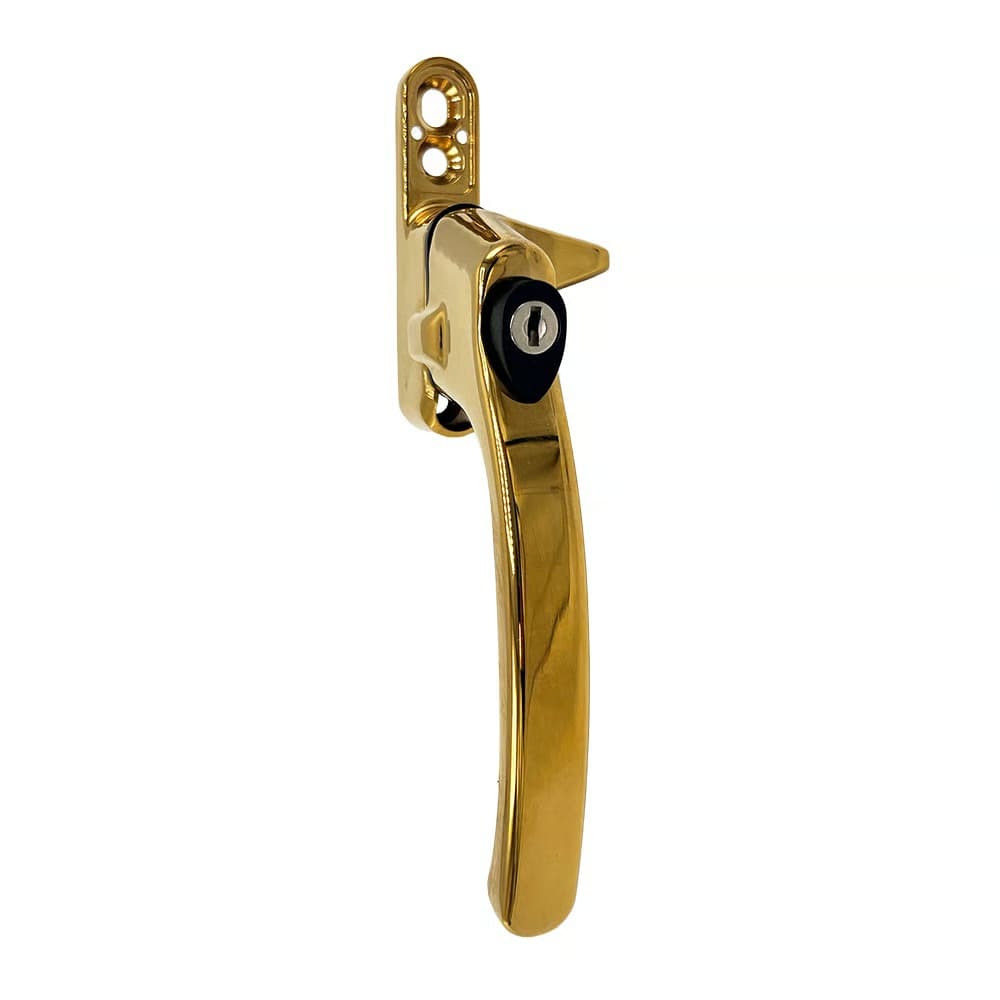
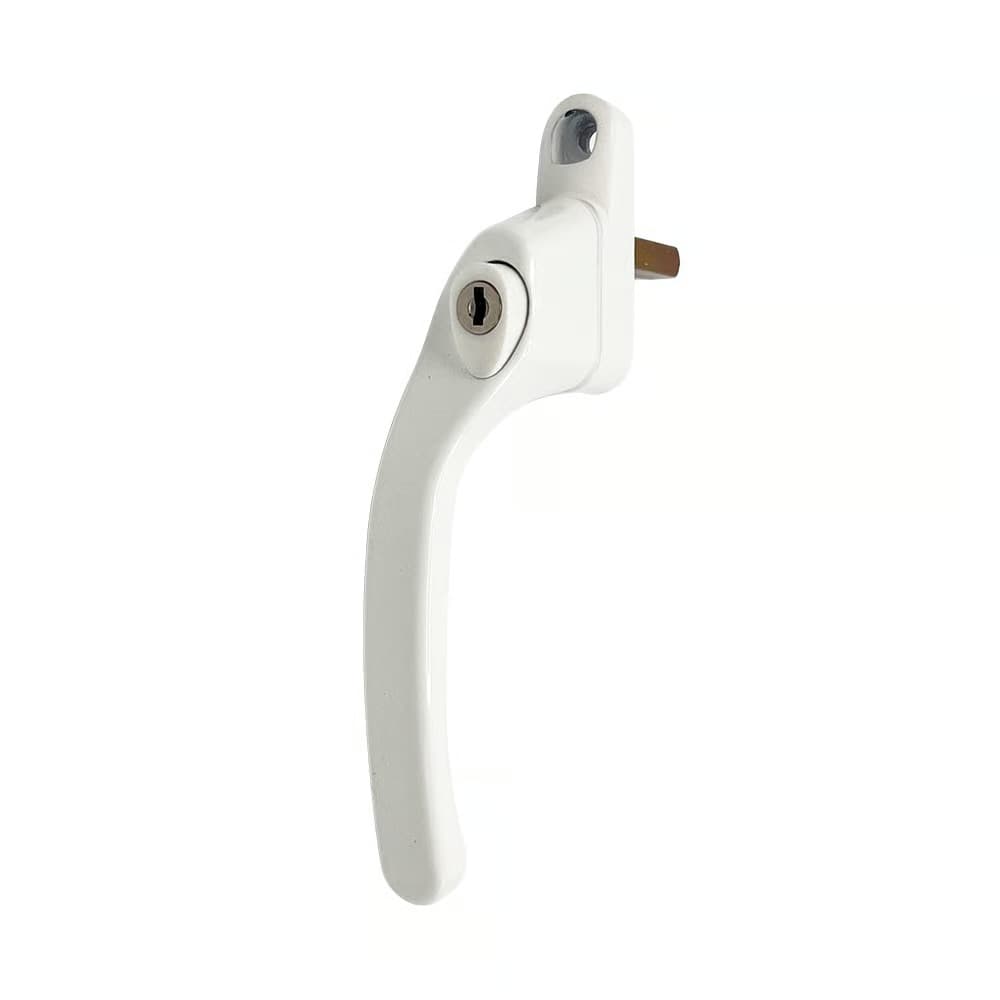
uPVC windows commonly use espagnolette (espag) handles, cockspur handles and tilt-and-turn handles. Espag handles operate a multi-point locking mechanism via an internal spindle and are common on modern casement windows. The TSS Cockspur Window Handles is an example of a robust espag option with secure locking for higher-security installations. Cockspur handles clamp over the bead of older frames and remain a popular economical choice; the TSS Cockspur Window Handle is a widely used model for straightforward replacement projects. For higher-end lever options backed by brand recognition, consider the TSS Offset UPVC Window Handles.How to measure for a replacement handle
Accurate measurements prevent returns and failed installations. Key measurements and details:- Centre-to-centre screw distance: measure between the two fixing screw holes horizontally. Common sizes are 43mm, 70mm or 92mm.
- Spindle size and shape: measure the length of the spindle from the handle backplate to the end; measure its cross-section (square or D-shaped). If the spindle is worn, replace it with the next standard length to ensure engagement with the gearbox.
- Backplate dimensions: measure height and width if fitting a like-for-like backplate, especially if visibility matters for aesthetics.
- Locking mechanism: note whether the handle is keyed, push-button, or non-locking and whether the window uses an espagnolette gearbox or cockspur keep.
How to identify espag vs cockspur vs handle with gearbox
- Espag handles connect to an internal espagnolette gearbox via a spindle and usually require removal of the sash bead to access the gearbox end for replacement. They are common on modern uPVC windows.
- Cockspur handles sit on the face of the frame and hook over the bead; they are obvious from the outside and easier to replace without sash removal.
- Handles with built-in gearboxes (often on tilt-and-turn windows) will have visible backplates with multiple fixing screws and sometimes an integrated lock cylinder.
Security considerations and locking options
Window security depends on handle quality, locking type and frame hardware. For external-facing rooms or ground-floor windows, use key-locking handles or high-security lever-lock designs. Espag handles are available with reinforced spindles and anti-snap features. When upgrading, replace both the handle and keep/locking keeps if wear is present to restore multi-point engagement. For additional security, fit hinge side bolts and consider a limit restrictor for ventilation that still prevents full opening from outside.Practical fitting advice for homeowners and tradespeople
- Preparation: have the correct screwdriver (Pozi or Phillips), replacement handle, spirit level, and cleaning cloth. For espag replacements, have a replacement spindle and possibly new screws of correct length to avoid penetrating the outer frame.
- Remove old handle: fully open the window where recommended, remove cap covers, undo screws, withdraw spindle assembly. Note orientation of the handle when removed (up, down, horizontal).
- Check gearbox and keep: inspect the espagnolette strip or faceplate for damaged cams, breakages or corrosion. Replace the strip if any element is fractured.
- Fit new handle: insert the correct spindle length and square, align backplate, hand-tighten screws then close and test operation before fully tightening to prevent strain on the gearbox. Confirm the handle locks and that the locking point(s) engage with the keeps.
- Torque and screw length: use screws long enough to bite the frame but not so long they penetrate external surfaces—tradespeople should carry a selection of 8–25mm lengths for different frames.
- Accessibility: for tilt-and-turn or heavy sashes, ensure two-person handling to avoid damaging seals and glass.
Maintenance tips to extend handle life
Simple maintenance keeps window handles functioning and secure:- Clean regularly with a mild detergent and soft cloth. Avoid abrasive cleaners or solvents that damage finishes.
- Apply a light lubricant (silicone spray or light oil) to spindles and gearbox cams annually; do not over-lubricate where it attracts dirt.
- Check screws for tightness quarterly—handles can loosen through use and temperature changes.
- Replace worn spindles immediately to prevent slippage and further gearbox damage.
- For coastal properties, use corrosion-resistant finishes and increase maintenance frequency.
Common troubleshooting and fixes
- Handle spins freely without engaging lock: likely a stripped spindle or gearbox; replace the spindle first, then the gearbox if problem persists.
- Handle stiff to operate: check for debris in keeps, out-of-square sashes, or seized rollers. Lubricate and adjust hinges before replacing the handle.
- Key won’t turn: inspect for misaligned keeps, debris in cylinder or frozen internal mechanism. Do not force the key; remove the handle and check alignment.
- Wrong-handed handle: ensure the replacement handle matches the window’s handedness (right- or left-handed). Most suppliers list handedness in product details; order the correct side to avoid returns.
Compliance, standards and accessibility
Ensure replacement handles comply with building regulations and accessibility standards where required. For properties being modified for improved accessibility, choose ergonomic lever handles and consider low-force locking mechanisms. When fitting in rental properties, check landlord or local authority requirements for fire egress and ventilation provisions.Practical planning, correct measurement and routine maintenance will keep uPVC windows secure and functioning for years. For a detailed overview of handle types, choosing the correct size and fitting guidance, consult the comprehensive Window Handles Guide.
windowwindow handlesupvc