Window Handles for uPVC Windows: How to Avoid Buying the Wrong Size
Choosing the right window handles for uPVC windows prevents frustration, improves security and ensures smooth operation. Incorrect sizes cause loose fittin...
Choosing the right window handles for uPVC windows prevents frustration, improves security and ensures smooth operation. Incorrect sizes cause loose fittings, broken spindles and poor weather performance. This guide explains the measurements, common handle types and practical steps to avoid buying the wrong size, aimed at homeowners and tradespeople who need straightforward, reliable advice.
Understand common handle types for uPVC windows
uPVC windows typically use espagnolette (espag) handles, cockspur handles and tilt-and-turn or side-hung handles with different spindle arrangements. Each style has different measurement priorities:
- Espag handles connect to an espagnolette locking mechanism and require knowledge of the screw centres and spindle length.
- Cockspur handles clamp over the locking keep and are defined by the projection and fixing positions.
- Multipoint or tilt-and-turn systems often use specific handles compatible with the gearbox and spindle size.
Key measurements to take
Accurate measuring is the single most important task. Use a metal rule and calipers where possible. Record all dimensions clearly before ordering.
- Screw centres: Measure the distance between the centres of the top and bottom screw holes on the handle backplate. This is frequently 43mm or 92mm for espag handles, but always verify.
- Spindle length and size: Measure the spindle from the inside face of the handle backplate to the end of the spindle that enters the mechanism. Common spindles are 7mm square, but 8mm and 10mm exist for heavier gearboxes.
- Backset and projection: For cockspur handles, measure how far the handle projects from the frame and how the spur engages the keep. A mismatch can stop the handle from closing flush.
- Overall handle length and backplate width: Ensure the handle does not overlap window seals, tricking the buyer into thinking it fits when it fouls the frame.
- Face-fix vs. concealed-fix: Note whether fixings are visible or hidden by the handle trim. Some manufacturers standardise screw centres only for face-fix handles.
Identifying handedness and operation direction
Handles can be left- or right-handed, especially for cockspur and espag styles. Determine the direction the handle turns when closing from the inside and whether the handle point moves up or down. For tilt-and-turn windows, know if the handle operates a tilt-first or turn-first mechanism. Mark photographed examples and note the current handle orientation to ensure a replacement matches the required handedness.
Match the fixing pattern and material
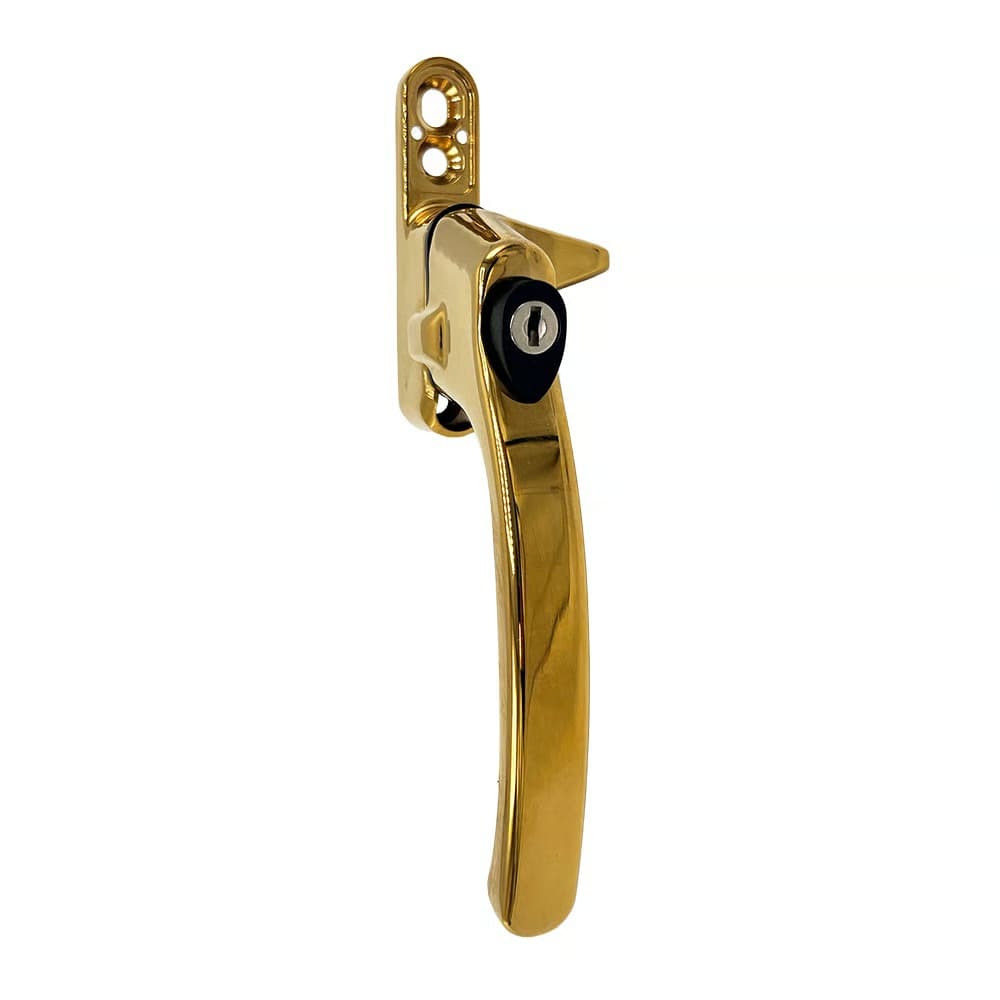
Fixing patterns vary between brands. Photograph the existing handle and measure screw positions to match the new product. Consider the handle material (aluminium, nylon-reinforced, zinc alloy) and finish; coastal properties benefit from corrosion-resistant finishes. For a robust cockspur option that suits traditional frames and offers various finishes, consider the TSS Cockspur Window Handle.
Check compatibility with locking mechanisms
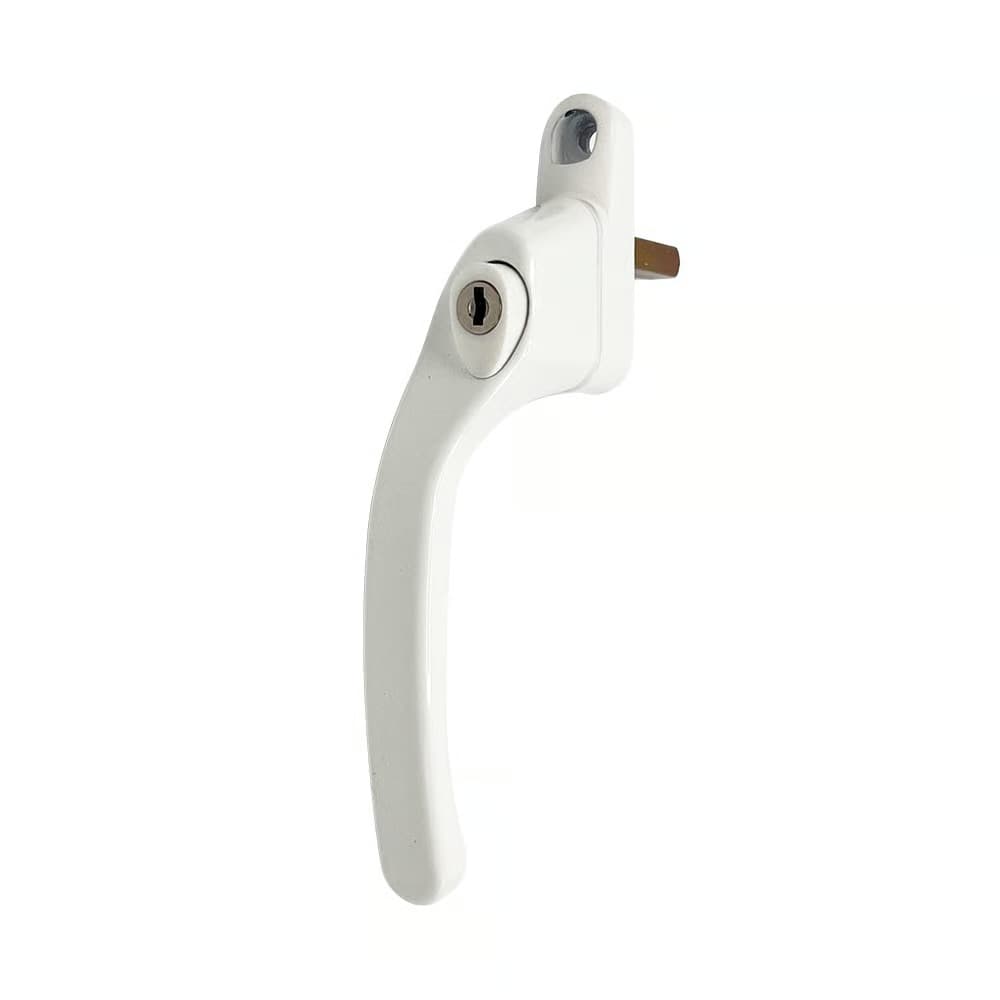
uPVC windows often use specific locking mechanisms that require compatible handle spindles and bolt engagement. Replacement handles for espag gearboxes must fit the gearbox input length and shape. Confirm the gearbox profile (e.g., 7mm square input) and ensure the handle is rated for the operating torque required by multipoint locks. High-security replacement handles such as the TSS Offset UPVC Window Handles are designed to meet higher torque and security demands.
Practical steps for a correct fit
1. Remove the existing handle carefully and keep all fixings for reference. Note any non-standard fixings or added shims. 2. Measure screw centres, spindle length, spindle size and backplate dimensions precisely. Repeat each measurement twice to avoid errors. 3. Photograph the existing handle and locking area from multiple angles; include a ruler in one picture to record scale. 4. Compare measurements to product specifications on the replacement handle’s datasheet. Look for explicit compatibility notes (e.g., “fits 43mm screw centres”). 5. Order a handle with adjustable or replaceable spindles where possible; some handles include multiple spindle lengths for flexibility. 6. For tradespeople fitting multiple windows, keep a small kit of common spindle sizes and a selection of fixings to accommodate on-site variations.
Troubleshooting common issues
- Handle wobbles after fitting: Recheck screw centres and tighten using proper fixings. Use threadlocker or nylon washers for soft uPVC walls where screws may loosen.
- Handle turns but window does not lock: Check spindle engagement with the gearbox. A too-short spindle will not drive the mechanism fully.
- Handle fouls the frame: Confirm the backplate width and handle projection against the window rebate. A narrower or shorter backplate may be required.
- Security or durability concerns: Choose handles with reinforced spindles and high-quality fixings if used on heavy multipoint lock systems.
When to replace the gearbox or seek professional help
If the locking gearbox is worn, corroded or damaged, simply replacing the handle will not resolve operational issues. Gearbox replacement or a complete lock upgrade may be necessary. Tradespeople should inspect the internal gearbox, keep and striker alignment. For complex multipoint systems, professional locksmith or specialist window engineer intervention ensures long-term reliability.
Final considerations and buying tips
Record all measurements with the window identification and location. Buy from suppliers that list clear technical specifications and offer exchange policies for mismatched items. Keep a small stock of the most common handles and spindles for efficient on-site repairs.
For further detail on measuring and choosing the correct component, consult the comprehensive resource: Window Handles Guide