Window Handles for uPVC Windows: Left-Hand and Right-Hand Explained
Choosing the correct handle for uPVC windows is a small detail that makes a big difference in function, security and longevity. This guide explains left-ha...
Choosing the correct handle for uPVC windows is a small detail that makes a big difference in function, security and longevity. This guide explains left-hand and right-hand window handles for uPVC windows, how to identify the correct handing, practical fitting and replacement tips, and the common handle types tradespeople and homeowners encounter.
What handing means for window handles
Handing refers to the direction a handle operates when viewed from the inside of the building. For uPVC windows the two main options are left-hand and right-hand handles. In most cases, a left-hand handle is fitted to a window that opens to the left (the handle spindle turns towards the left when operated), and a right-hand handle is for windows that open to the right. Correct handing ensures the handle’s spindle aligns with the lock mechanism and allows the handle to fully engage the gearbox or espagnolette rod.
Using the wrong-handed handle can prevent full locking, increase wear on the mechanism and compromise security. Tradespeople replacing handles on site will often confirm handing before ordering replacements to avoid unnecessary returns.
Common handle types for uPVC windows
There are several handle types used on uPVC windows, and each may be handed differently:
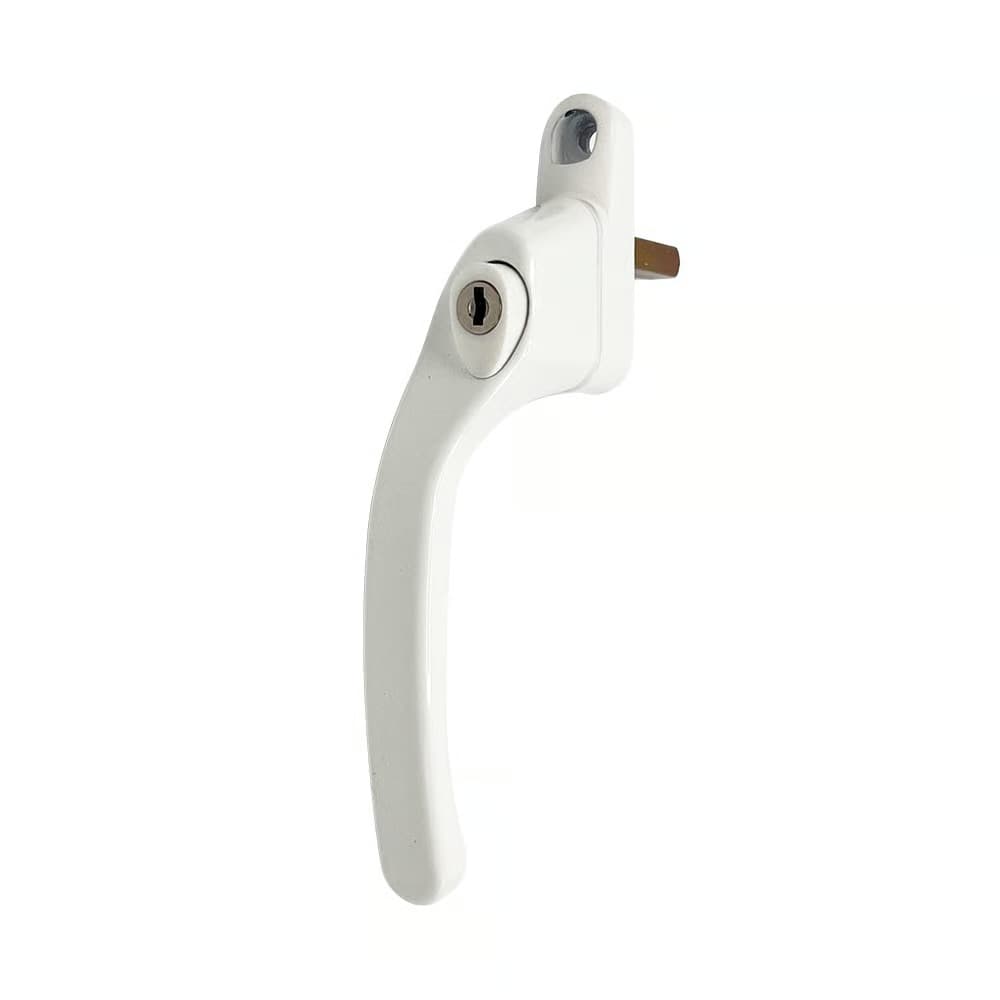
- Espag handles (espagnolette): These have a square spindle and are used with espag locking mechanisms fitted into the window frame. A popular choice is the TSS Cockspur Window Handles.
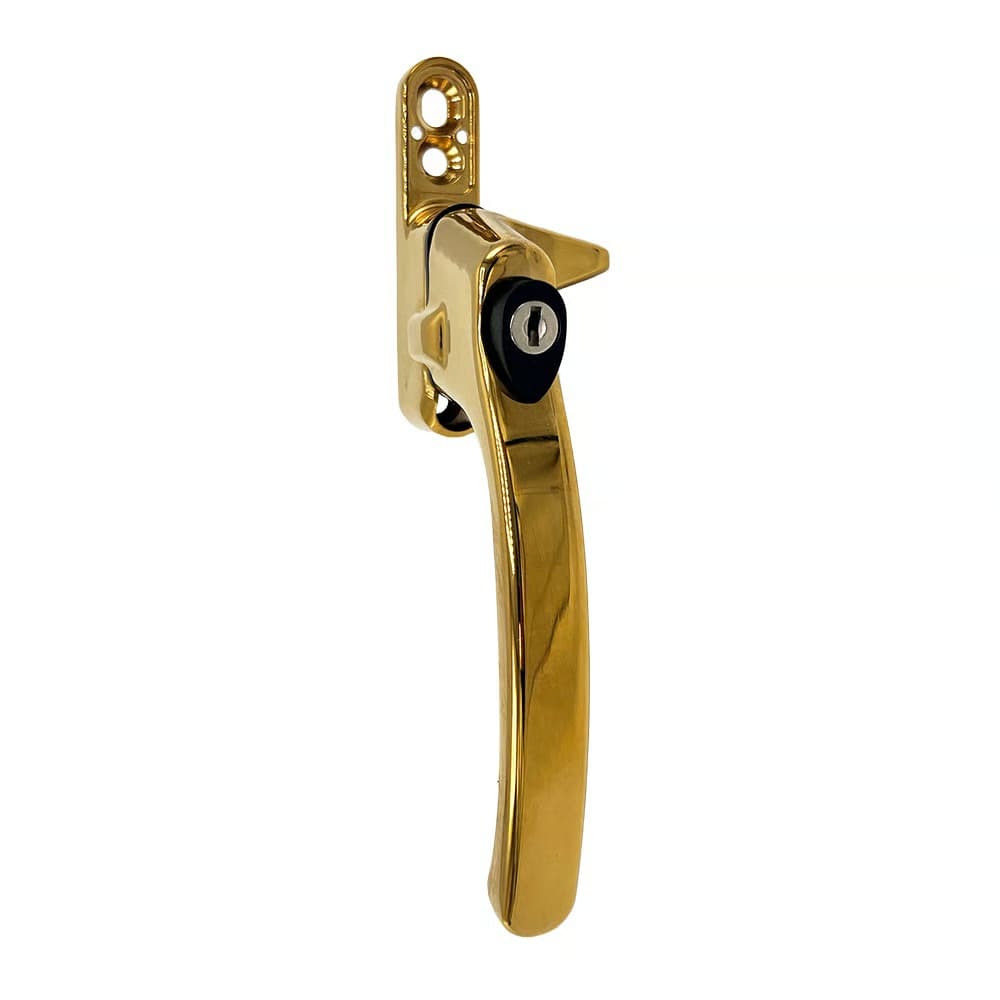
- Cockspur handles: Surface-mounted and commonly used on older or simpler uPVC windows. The TSS Cockspur Window Handle is an example.
- Cranked or offset handles: Used when the backset or stile depth requires the handle to be set away from the window frame.
- Keyed variants: Available for added security, often used on ground-floor windows or accessible dormer windows. The TSS Offset UPVC Window Handles is a robust keyed option suitable for retrofit projects.
How to identify left-hand vs right-hand
Measure and observe from the inside of the property. Follow these practical steps: 1. Close the window fully and locate the handle when the window is in the closed and locked position. 2. Operate the handle as if unlocking and opening the window. If the handle turns clockwise to open, it is typically a left-hand handle; if it turns anti-clockwise, it is usually a right-hand handle. (Manufacturers use different conventions; always confirm with the supplier if uncertain.) 3. For cockspur handles, handing is determined by the orientation of the spur relative to the frame (left or right). 4. For espag handles, note the spindle length and position; measure the distance from the centre of the fixing screw to the end of the spindle if necessary.
Label windows when working on multiple units to avoid mix-ups. Taking photos with a smartphone before removing the existing handle assists with ordering replacements and ensures correct reinstallation.
Measuring for a replacement handle
Accurate measurements prevent ordering the wrong component:
- Spindle size: Measure the square spindle cross-section (commonly 7 mm). If a cranked spindle is present, measure the offset and length.
- Fixing centres: Distance between the top and bottom fixing screws is standard on many handles (e.g., 43 mm), but confirm with the product specification.
- Backset and projection: For espag handles, measure how far the spindle sits from the face of the handle to ensure compatibility with the locking gearbox.
- Bolt/lock type: Inspect whether the handle works with an espagnolette, peg, or multi-point system. Note the number and position of cams, rollers, or pegs.
Fitting and installation tips
Follow these actionable steps for a secure, professional finish:
- Remove the old handle by unscrewing the fixings and carefully withdrawing the spindle. Keep any old screws to compare sizes.
- Clean the mounting surface and check the condition of the timber or uPVC around the fixing holes. Repair any damaged material before fitting the new handle.
- Fit the new handle loosely first to ensure the spindle aligns with the lock mechanism. Tighten fixings incrementally and operate the handle between tightening to confirm smooth action.
- Use threadlocker on screws in high-traffic windows to prevent loosening over time, but avoid permanent adhesives that make future removal difficult.
- For keyed handles, test the lock operation several times with the window closed. Ensure the cylinder and key operate smoothly without binding.
- Replace handles in matching sets where aesthetics matter; mismatched finishes can be visually jarring.
Security and maintenance considerations
Window handles are part of the overall window security system. Practical security measures include:
- Choosing robust handles with a secure engagement mechanism and reinforced fixings.
- Using keyed handles on vulnerable ground-floor windows.
- Greasing the spindle and locking points annually with a light lubricant to reduce wear and maintain smooth operation.
- Checking screws regularly, as loose fixings reduce security and can lead to accelerated wear of the locking mechanism.
When to call a professional
Simple handle replacements are suitable for confident DIYers and tradespeople. Call a professional if:
- The locking mechanism is damaged or corroded, requiring gear replacement.
- There is significant frame damage or misalignment causing poor operation.
- The window is old or non-standard and requires custom parts or modification.