Window Handles for uPVC Windows That Won’t Lock: Troubleshooting
Window handles that will not lock are a common frustration for homeowners and tradespeople working on uPVC frames. This article explains the likely causes...
Window handles that will not lock are a common frustration for homeowners and tradespeople working on uPVC frames. This article explains the likely causes and provides clear, actionable troubleshooting steps for window handles for upvc windows, covering cockspur and espagnolette mechanisms, simple repairs, when to replace handles, and how to ensure compliant and secure fittings.
Common causes of non-locking uPVC window handles
Several mechanical or installation issues can prevent a uPVC window handle from engaging the locking mechanism:
- Misaligned keeps or strikes on the frame causing the locking cams or espagnolette rods to miss the keeps.
- Worn or broken internal gearbox in the handle, especially after heavy use or corrosion.
- Faulty or bent espagnolette rod or sash arm that no longer moves the locking points.
- Loose fixings, stripped screw holes or an incorrectly fitted handle spindle.
- Built-up dirt, paint or debris preventing full engagement of the locking components.
- Wrong handle type fitted to a particular window mechanism (for example fitting a cockspur handle to an espag system).
Initial checks and safety precautions
Before any intervention, ensure basic safety:
- Confirm the window is propped open or secured when working on it to avoid glass breakage or trapping fingers.
- For upstairs windows, use a stable platform or ladder and work with a second person if possible.
- Have common tools ready: screwdriver set, hex keys, pliers, lubricant (graphite or light machine oil), a torque-limited drill if reusing screw threads, and a replacement handle if required.
Simple fixes that often restore locking
- Tighten fixings: Loose handle screws or spindle grub screws can prevent proper engagement. Remove the handle cover and re-tighten mounting screws evenly. Replace any worn screws.
- Clean and lubricate: Remove paint, grit and old lubricant from the locking area, keeps and cams. Apply a small amount of graphite or light machine oil to moving parts; avoid heavy greases that attract dirt.
- Realign keeps: If the handle moves but the engage point is off, the keeps on the frame may need repositioning. Loosen the keep screws, shift the keep slightly to align with the locking cam, then re-tighten and test. Mark new positions for future reference.
- Re-seat the spindle: A worn or incorrectly sized spindle can cause slop. If the spindle is adjustable, ensure it sits correctly in the handle and gearbox. Replace the spindle if bent or worn.
Specific guidance for common handle types
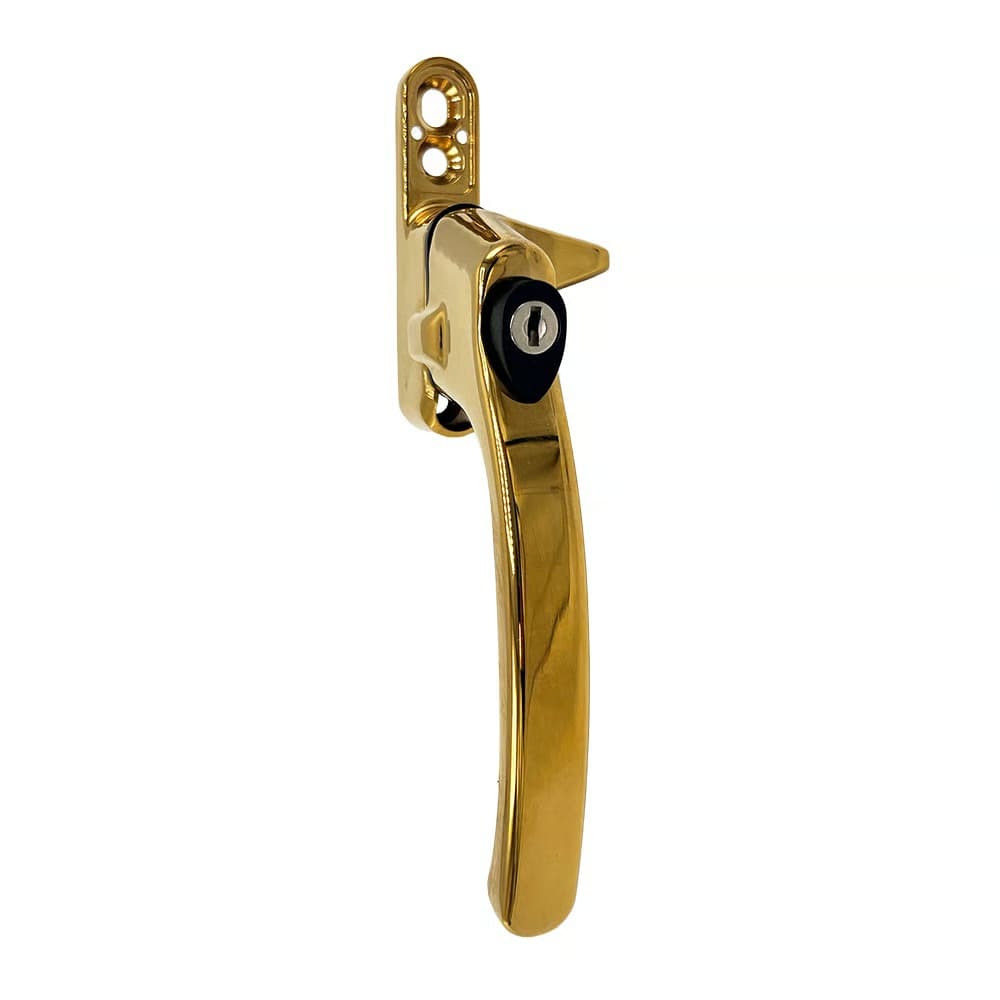
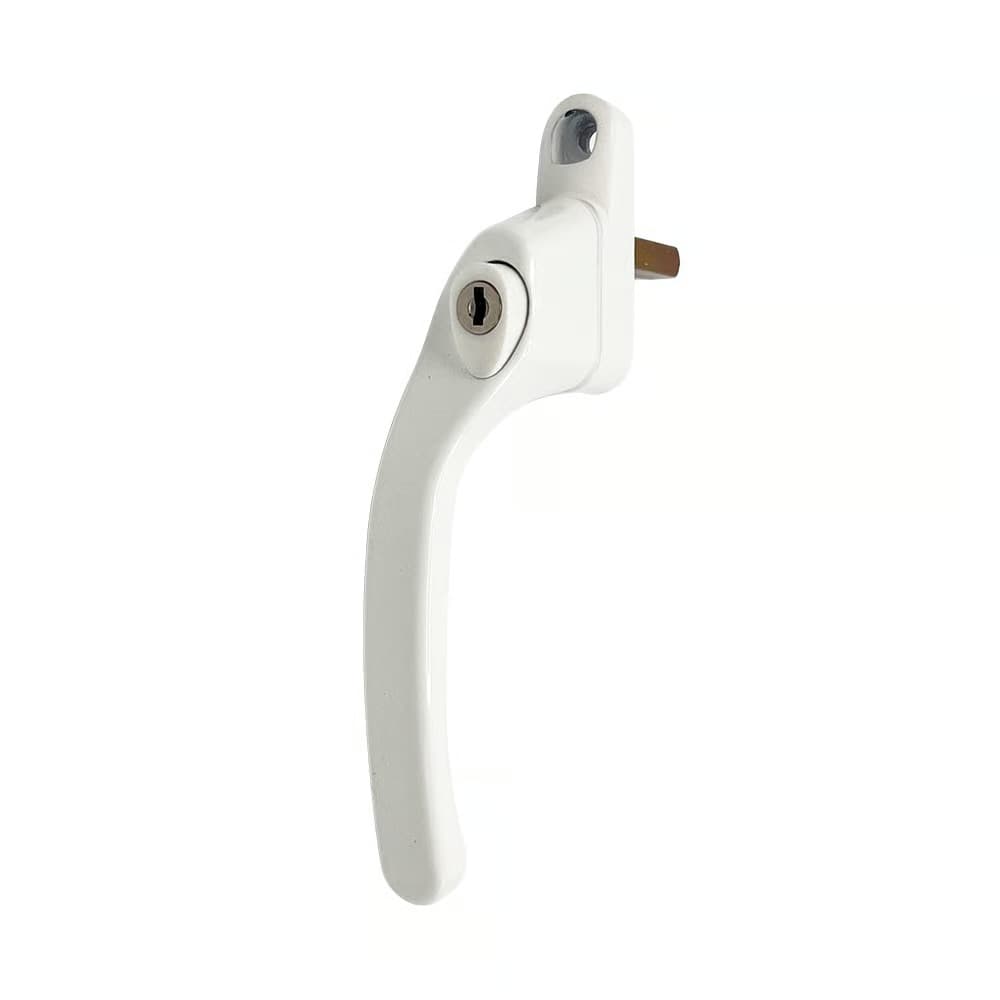
- Cockspur handles: These engage directly with a keep on the frame. When a cockspur handle will not lock, first inspect the spur and the keep for deformation. Replacement is often straightforward; tools and measurements are typically familiar to tradespeople. A reliable option is the TSS Cockspur Window Handle, suitable for casement windows that use this style.
- Espag (espagnolette) handles: These operate a rod with multiple locking points. If an espag handle turns freely without engaging, the problem may be a broken or detached rod, a stripped gearbox or misaligned strikes. For higher-security espag replacements, the TSS Cockspur Window Handles offers a robust gearbox and attractive finish.
- Multipoint systems: Some uPVC windows use more complex multipoint espagnolette mechanisms. If one locking point is failing while others operate, check the rod run for bends and the mushroom cams for seating. A handle such as the TSS Offset UPVC Window Handles will work with standard espag gearboxes but confirm compatibility before fitting.
When to replace the handle or mechanism
Replacement is the correct choice when:
- The internal gearbox is stripped or broken and lubrication/adjustment does not restore function.
- The spindle or handle body is cracked or rusted.
- Multiple locking points fail due to bent or broken espagnolette rods.
- Security concerns require an upgrade to a more secure handle or anti-snap design.
Installation tips and best practice
- Measure twice: confirm spindle length, fixing centres and whether the handle is suitable for left or right-handed windows.
- Use the correct screws and avoid overtightening, which strips plastic frames. If screw holes are stripped, use a slightly longer screw into undamaged material, or repair the hole with a plastic dowel designed for uPVC.
- Test locking engagement through the full handle rotation before finishing. Operate the window multiple times to ensure smooth action.
- Maintain a small service interval: inspect and lubricate handles and keeps annually to prevent wear and seize-up.
When to call a professional
Call a professional for complex faults such as internal espagnolette rod replacement spanning the sash, glass unit damage, or where alterations may affect warranty or fire escape compliance. For security upgrades or where the window forms part of a contiguous system (e.g. French casements), professional alignment preserves weatherproofing and security.
Summary
Troubleshooting window handles for upvc windows often starts with simple checks: tighten fixings, clean and lubricate, and realign keeps. Identify whether the window uses a cockspur or espagnolette system to select the appropriate repair or replacement. Replace handles when gearboxes are worn or parts are broken, and use correct-sized spindles and fixings. Regular inspection and lubrication will extend service life and reduce recurrence of non-locking issues.