Window Handles for uPVC Windows: What to Look For
Selecting the right window handle can significantly affect security, operation and appearance of uPVC windows. Practical decisions around handle type, size...
Selecting the right window handle can significantly affect security, operation and appearance of uPVC windows. Practical decisions around handle type, size, orientation and fixing method help avoid common problems such as snagging, incorrect spindle length or inadequate locking. This guide explains what to look for when choosing window handles for uPVC windows, offering clear, actionable advice for homeowners and tradespeople.
Understand common handle types
uPVC windows use several handle types, each suited to different window operations and security needs.
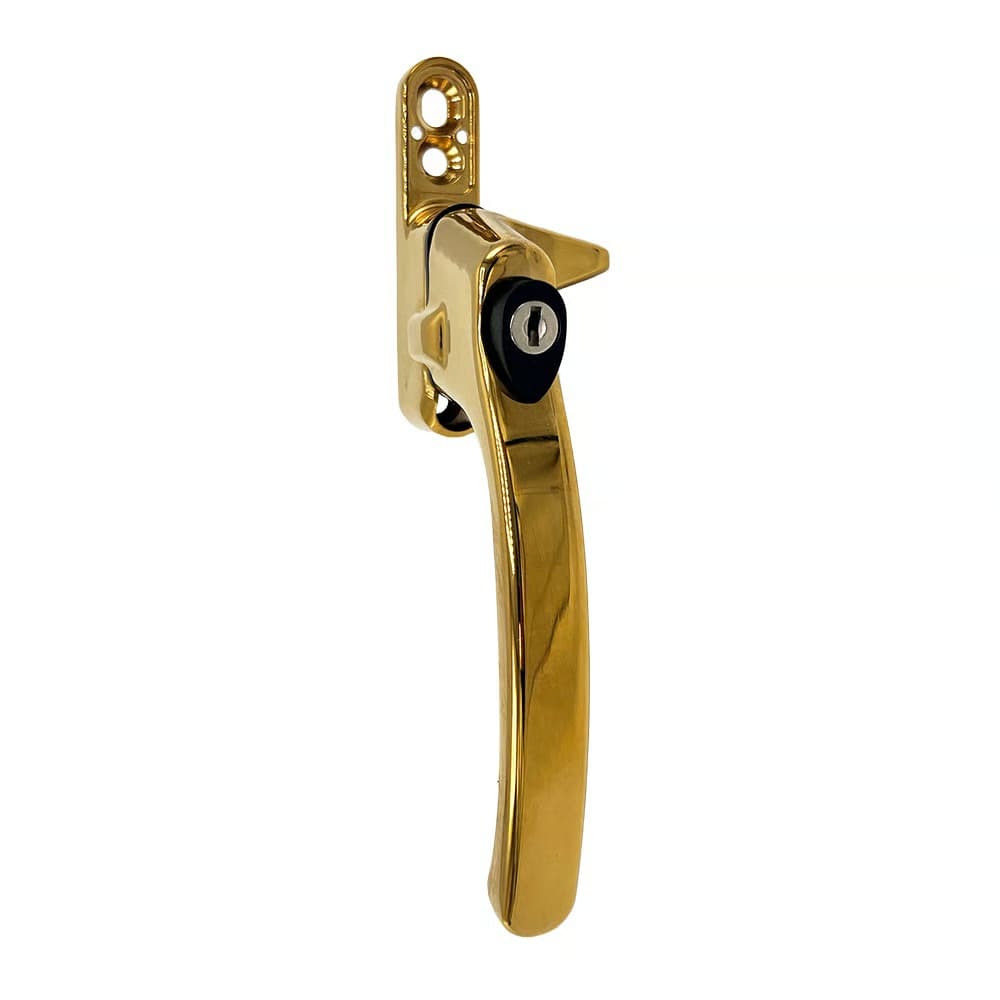
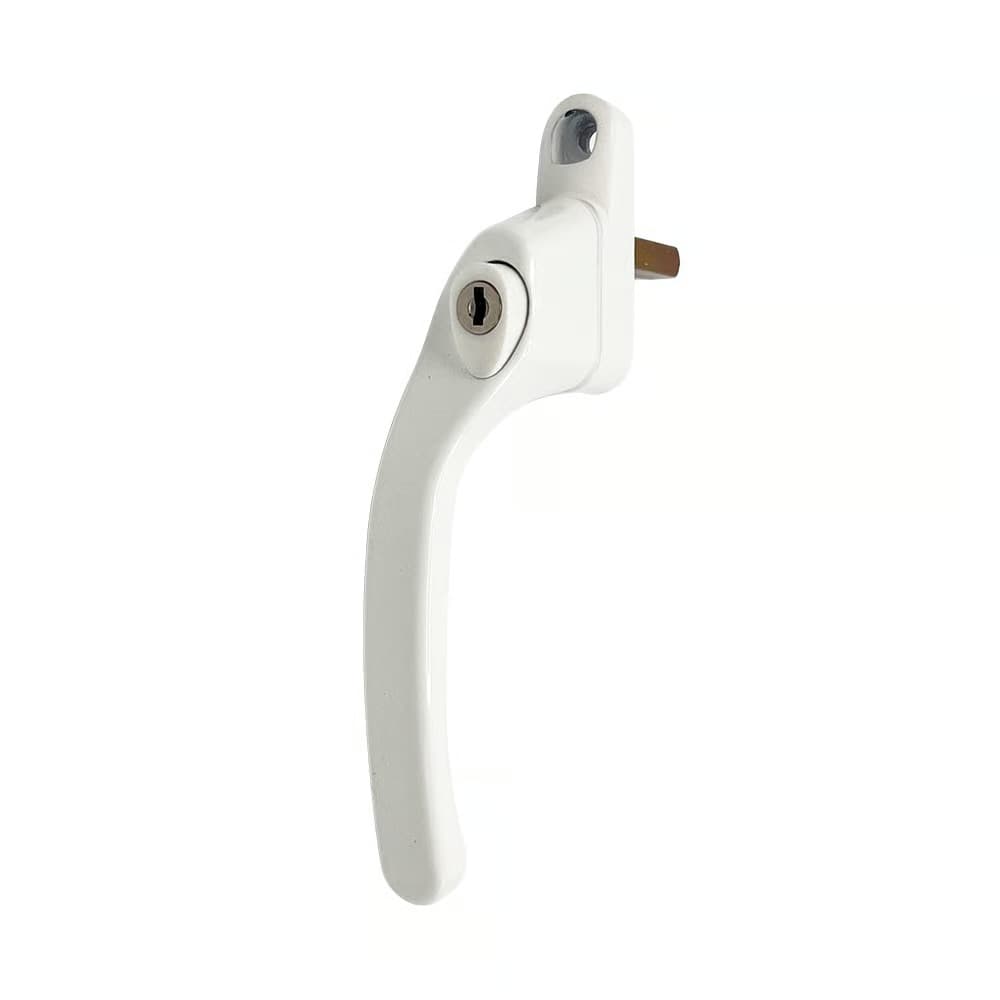
- Espag/espagnolette handles: Typically used on casement windows with a multi-point espagnolette locking mechanism. These handles operate a spindle that drives the locking system. A popular option is the TSS Cockspur Window Handles, designed for robust operation and secure engagement.
- Cockspur handles: Simple surface-mounted handles for older or single-point locking casement windows. They are easy to fit and cost-effective; the TSS Cockspur Window Handle is a suitable example for like-for-like replacements.
- Cranked and offset handles: Required when the handle must clear internal beading or decorative mouldings. Cranked handles move the grip away from the sash to avoid interference.
- Tilt-and-turn handles: Found on tilt-and-turn windows, these have specific spindle lengths and often incorporate locking features compatible with the mechanism, such as the TSS Offset UPVC Window Handles.
Measure before purchasing
Accurate measurements prevent wasted time and returns. Key dimensions to confirm:
- Backset and spindle length: Measure from the face of the handle rose to the centre of the spindle or fixings. Spindle lengths commonly vary (e.g. 35mm, 40mm, 45mm); ensure the spindle projects sufficiently into the lock case for full engagement.
- Fixing hole centres: Measure the distance between retaining screw centres if the handle uses two screws. Some handles use a single through-spindle fixing and an additional retaining screw.
- Handle projection and clearance: Confirm the handle projection from the frame so it does not hit casings or tiles when turned. For windows with deep beading, use cranked or offset handles.
- Orientation: Determine whether left- or right-hand fitting is required (often referred to as LH/RH for casements), paying attention to the handle’s return direction when closed.
Check locking and security features
Security is crucial for ground-floor windows and accessible openings. Choose handles with appropriate locking options:
- Key-locking handles: Provide a mechanical key for locking when the window is closed, preventing unauthorised operation. Suitable for homes requiring added security or child-safety measures.
- Push-button lock: Quick lock and release via a button; practical where frequent locking is needed.
- Reinforced roses and fixing plates: Look for robust backplates and screw retention that resist manipulation. Handles compatible with anti-snap and anti-drill features improve security where high protection is required.
- Certification and standards: Prefer handles tested to relevant standards (e.g. Secured by Design compatibility or industry performance marks). Product descriptions often specify security ratings.
Consider material, finish and maintenance
Durability and aesthetics depend on material and finish:
- Materials: Aluminium, zinc alloy and stainless steel are common. Zinc alloy is economical and widely used; stainless steel offers superior corrosion resistance for coastal locations.
- Finishes: White, chrome, satin chrome, black and gold tones are typical. Match the finish to existing hardware or choose a contrasting finish for a refreshed look.
- Corrosion resistance: For coastal properties or humid environments, select corrosion-resistant finishes or stainless-steel fixings.
- Maintenance: Simple periodic cleaning with a mild detergent and lubrication of moving parts with light machine oil or silicone lubricant prolongs handle life. Avoid abrasive cleaners that damage finishes.
Installation considerations and best practice
Correct fitting maximises durability and avoids warranty issues.
- Use correct fixings: Replace original screws with the same length and thread type where possible to ensure engagement into the reinforcement or locking mechanism.
- Align handles and spindles: Before tightening screws, test full travel of the handle to confirm the spindle engages lock cams and hooks smoothly.
- Avoid overtightening: Excessive force can warp roses or strip threads. Tighten screws just enough to remove play.
- Replace gaskets and rubbers: If replacing handles as part of a refurb, inspect and renew sash gaskets or weatherseals disturbed during work to maintain airtightness and weather performance.
- Keep spares: For frequent maintenance contracts, stock common spindle lengths and both LH/RH handles to minimise call-backs.
Common problems and quick diagnostics
Recognising small faults early prevents larger repairs.
- Handle stiff or hard to turn: Check for dirt in the lock, lack of lubrication, or a misaligned sash. Lubricate and test; if persistent, inspect the locking mechanism.
- Handle loose or wobbly: Tighten roses and retaining screws. If threads are stripped, consider a larger screw or a threaded insert.
- Handle does not engage lock: Verify spindle length and orientation. A too-short spindle will not reach the locking mechanism; measure and replace accordingly.
- Corroded fixings: Replace with stainless-steel screws and clean contact surfaces; consider upgrading to a corrosion-resistant handle.
Summary
Choosing the right window handles for uPVC windows involves selecting the correct type, measuring accurately, assessing security features, and using appropriate materials. Tradespeople benefit from stocking common lengths and finishes, while homeowners should prioritise compatibility and weather resistance. Practical installation and maintenance techniques reduce call-backs and extend the working life of handles. For further detailed guidance and options, consult the comprehensive Window Handles Guide.