Window Handles Replacement: Avoiding Common Buying Mistakes
Replacing window handles is a routine task that can greatly improve security, performance and appearance, but common buying mistakes can lead to wasted tim...
Replacing window handles is a routine task that can greatly improve security, performance and appearance, but common buying mistakes can lead to wasted time and expense. This guide explains practical steps for successful window handles replacement, aimed at homeowners and tradespeople. It covers selection, measurement, compatibility, security ratings and installation considerations to help ensure the right product is chosen first time.
Understand the types and mechanisms
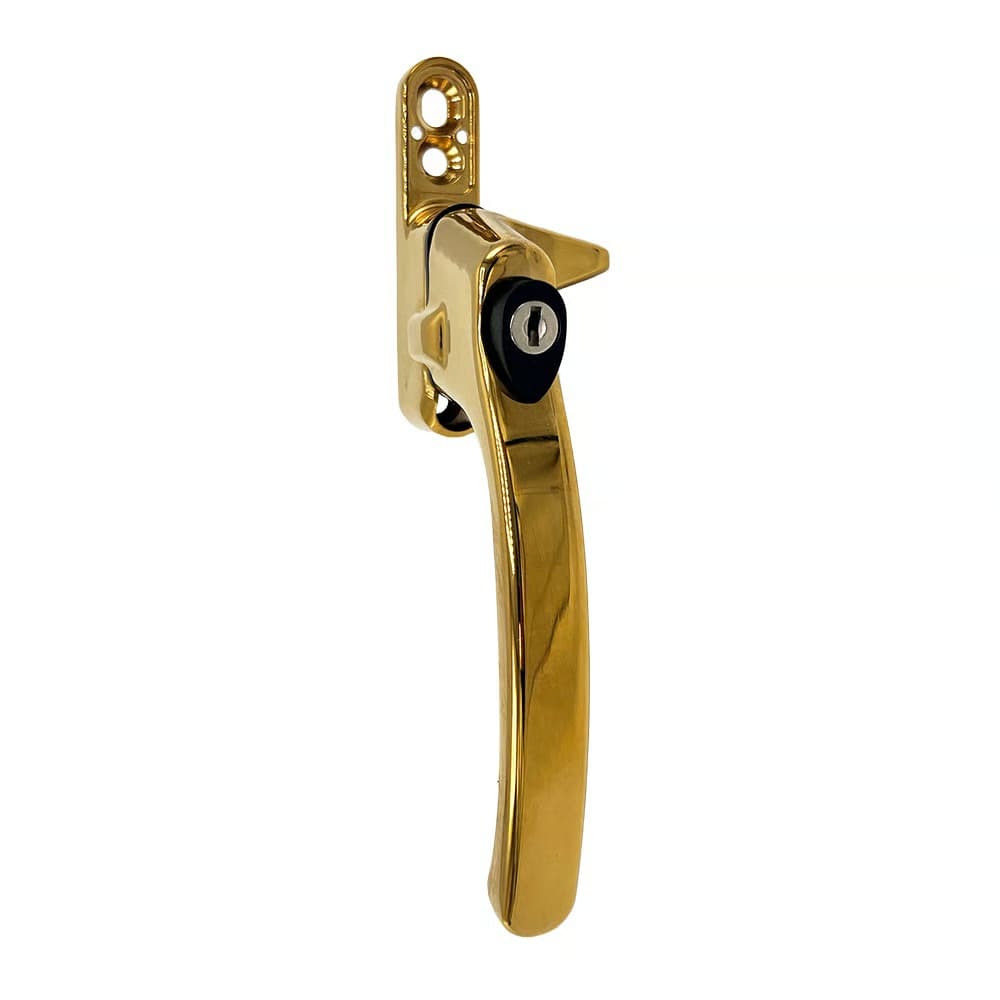
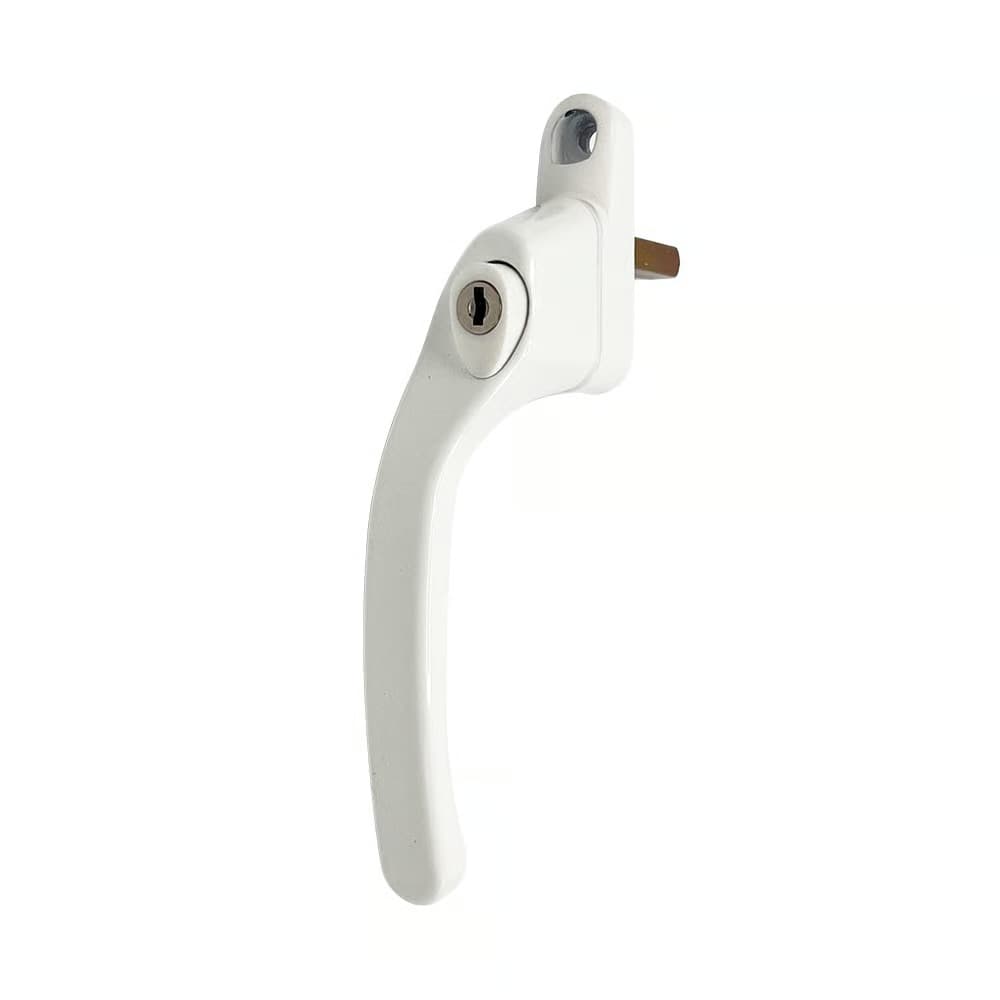
Before purchasing, identify the handle mechanism required. Common styles include cockspur, espagnolette (espag) and lockable lever handles. Each operates differently and fits distinct hardware sets on the window. Cockspur handles clamp over a frame face, making TSS Cockspur Window Handle a suitable choice where the bolt engages the face of the frame. Espag handles connect to a locking spindle within the sash; TSS Cockspur Window Handles is an example designed for modern multi-point locking systems. For a traditional or replacement lockable lever option, consider the TSS Offset UPVC Window Handles.
Avoid assuming all handles are interchangeable; using the wrong type can prevent proper locking and damage the mechanism. Tradespeople should note the internal profile of the locking mechanism, while homeowners should check the visible operation and how the handle interacts with the existing gearbox or keep.
Measure precisely — dimensions matter
Incorrect sizing is the single most common cause of returned purchases. Key measurements include:
- Backset: distance from the centre of the handle spindle to the edge of the handle rose or backplate.
- Spindle length and profile: measure the existing spindle’s length and cross-section (square or splined) to match the new handle.
- Fixing hole centres: distance between screw holes on the handle rose or backplate.
- Handle projection: how far the handle sticks out to ensure clearance from blinds or walls.
Check compatibility with locking systems and keeps
Window handles are part of a system that includes the espagnolette rod, gearbox and keeps. A handle that fits physically may still be incompatible if it uses a different spindle profile or requires a specific gearbox interface. For espag conversions, ensure the handle matches the gearbox insertion method and engages the cam or lever correctly.
Consider whether the keep positions (the metal plates on the frame that receive hooks/bolts) align with the new handle’s operation. If the existing keeps are worn or misaligned, replacing handles without addressing keeps can create operational issues. Tradespeople should inspect keeps and rebate plates; homeowners may require professional assessment when mismatches are found.
Prioritise security ratings and lockability
Selecting a handle solely on appearance can undermine security. Look for handles that meet recognised standards and offer lockability if required. Lockable handles are recommended for ground-floor rooms and rental properties. Check the key type used and whether replacement keys are readily available.
For upgraded security, choose handles designed to resist snap and torque attacks; these often include reinforced roses and anti-bump features. Confirm that the handle is compatible with multi-point locking systems when replacing handles on modern uPVC or aluminium windows, as single-point handles will not provide the same security.
Material, finish and maintenance considerations
Consider the handle material and finish in relation to its environment. Corrosion-resistant finishes such as stainless steel or plated alternatives suit coastal locations or bathrooms. Painted or powder-coated frames may benefit from colour-matched handles to maintain a cohesive look.
Maintenance requirements vary by finish; lubricate moving parts annually with a light machine oil and clean with a damp cloth using non-abrasive cleaners. Tradespeople should advise clients about long-term maintenance to prevent premature wear.
Avoid common buying mistakes
- Buying by appearance alone: match mechanism and dimensions, not just style.
- Ignoring spindle profile: an incorrect spindle shape will prevent the handle from engaging the gearbox.
- Overlooking fixing hole centres: even slight variances can stop the handle sitting flush.
- Selecting non-lockable handles for vulnerable locations: balance convenience with security needs.
- Failing to consider frame type: uPVC, timber and aluminium frames have different installation requirements.
Installation tips to ensure longevity
Prepare the window: clean mating surfaces, remove paint build-up in the spindle hole and check for sash movement issues. Use the correct screw length — screws that are too long can penetrate the window or frame internals while screws that are too short will not secure the handle. Apply a small amount of thread-locker on screws in high-vibration areas to prevent loosening.
When fitting lockable handles, ensure keys operate smoothly and that the handle returns to a neutral position. Test full locking cycles multiple times and check that keeps secure the locking points without deformation. Replace worn keeps and adjust striker plates where necessary to prevent premature wear and maintain security.
When to replace the whole mechanism
Sometimes the handle is symptom rather than cause. If the espagnolette rod is bent, the gearbox seized, or the keeps are badly worn, replacing just the handle will provide only a temporary fix. Consider a full gearbox and rod replacement if multiple components show wear. Tradespeople should provide clients with clear options and costs for partial versus full replacements.
Final checklist before purchase
- Confirm handle type (cockspur, espag, lockable lever).
- Measure spindle length/profile, backset and fixing centres.
- Verify compatibility with the locking mechanism and keeps.
- Choose suitable material and finish for environment.
- Check security features and certification as required.