Window Handles Replacement: FAQs and Troubleshooting
Replacing or repairing window handles is a common task for homeowners and tradespeople. Accurate diagnosis, correct part selection and careful installation...
Replacing or repairing window handles is a common task for homeowners and tradespeople. Accurate diagnosis, correct part selection and careful installation can restore security, weatherproofing and smooth operation without replacing the whole window. This guide covers frequently asked questions, step‑by‑step troubleshooting and practical advice for successful window handles replacement.
Identifying the correct handle type
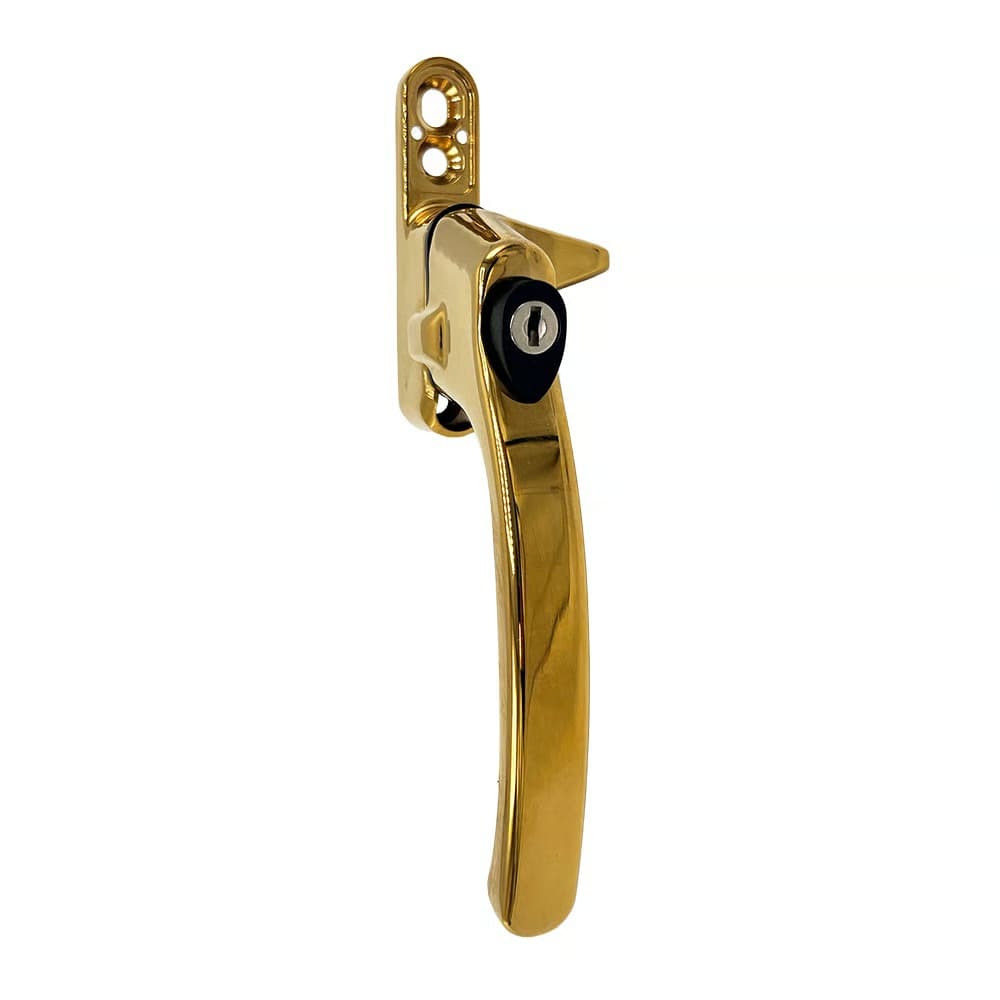
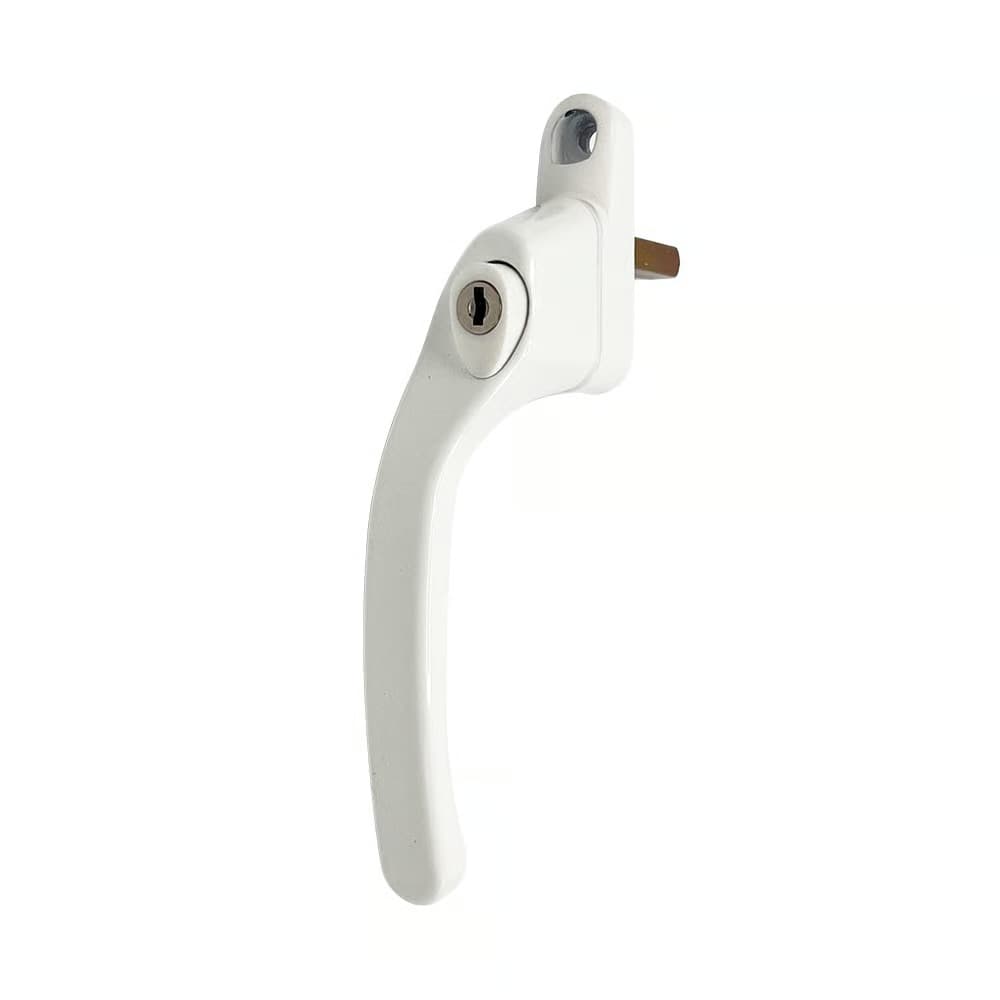
Correct identification is the first step. Handles fall into several categories: espagnolette (espag) handles for modern casement windows, cockspur handles for older timber or aluminium frames, and lever handles for tilt-and-turn or vertical sliding units. Matching the handle type prevents damage and ensures compatibility with the locking mechanism.
- Espag: central spindle and locking bolts, commonly used on uPVC and aluminium casements.
- Cockspur: projects over the frame and hooks behind the bead, typically for timber windows.
- Lever: used on tilt-and-turn and some French windows.
Measuring and ordering the right part
Accurate measurements prevent returns and wasted time. Key dimensions to record:
- Backset: distance from the handle centre to the edge of the stile or frame.
- Spindle length: distance through the handle to the locking mechanism; measure with handle removed to the nearest millimetre.
- Fixing hole centres: measure between screw holes on the handle rose or base plate.
- Lock type and screw thread size: photograph the fitting for supplier verification.
Removal procedure
Work systematically to avoid damage to the window or hardware:
1. Close the window fully and disengage any locks. 2. For keyed handles, remove the key and release the cover cap using a flat screwdriver where required. 3. Unscrew the mounting screws holding the handle to the frame. Retain screws in a container to avoid loss. 4. Pull the handle straight off the spindle. If stiff, use a gentle rocking motion—do not lever against the frame. 5. Inspect the spindle and keep an eye out for stripped ends or corrosion.
For espag handles, once removed, access the espagnolette gearbox via the face of the lock case to inspect for bent or broken locking cams.
Installing a replacement handle
Follow these steps for a secure and long‑lasting fit:
1. Clean the area and remove any old sealant or paint that could prevent a flush seat. 2. Check that the spindle engages the internal mechanism smoothly. If the spindle is worn, replace it rather than forcing a new handle onto a damaged spindle. 3. Position the new handle onto the spindle, aligning screw holes. If the handle has a torque setting, ensure correct orientation—manufacturers may label left or right-handed handles. 4. Tighten screws alternately and evenly to avoid distorting the rose or base plate. Use threadlocker sparingly on metal-to-metal fixings to prevent loosening. 5. Check operation through the full range; the handle should move freely and engage the locking points without excessive resistance.
For keyed handles, test locking and unlocking multiple times and ensure the key withdraws smoothly in both positions.
Common problems and quick fixes
Stiff operation: Often caused by dirt in the gearbox or corroded spindles. Apply a silicone-based lubricant to moving parts—avoid oil-based lubricants that attract debris. Remove the handle and clean the spindle and inside of the mechanism with a soft brush.
Loose handle: Usually loose fixing screws or a worn spindle. Tighten the mounting screws first; if the handle still wobbles, replace the spindle or the entire handle assembly.
Handle returns to mid-position: Likely due to a failed spring within the handle or a misaligned gearbox. A replacement handle or gearbox is the remedy; inspect the locking mechanism for broken components.
Broken key or cylinder: If the key snaps or the cylinder fails, remove the handle and extract the cylinder per manufacturer instructions. Use a replacement cylinder matched to the lock size and specifications; consider upgrading to a higher security cylinder for enhanced protection.
Handle doesn’t lock engages: Check that the gearbox and espagnolette points are aligned. Adjust the keep (strike plate) on the frame by loosening the fixing screws and moving it slightly until the locking bolts engage smoothly.
Safety and security considerations
Window handles contribute to home security. Always replace damaged or corroded handles promptly. When upgrading, choose handles tested to recognised standards and compatible with multi‑point locking systems. Consider keyed options for ground-floor windows or those easily accessed externally.
If dealing with hazardous heights, ladders or fragile glazing, adopt safe working practices: secure ladders correctly, use a work platform where possible, and wear protective gloves and eye protection. Tradespeople should carry public liability and employer’s liability insurance when working on client properties.
Maintenance tips to prolong life
Routine maintenance extends the lifespan of window hardware and reduces the need for replacement:
- Clean and lubricate moving parts every six months with a silicone spray.
- Check and tighten fixings annually.
- Replace worn spindles or screws as soon as play is detected.
- Keep ventilation slots and frames free from paint or sealant that can impede operation.
Final checks and documentation
After installation, document the new hardware details: manufacturer, product code, finish and date of replacement. This record facilitates future maintenance and ensures correct matching for any subsequent replacements.
For further detail on selecting and fitting window handles, refer to the comprehensive Window Handles Guide.