Window Handles Replacement for Double Glazed Windows: Key Checks
Replacing window handles on double glazed windows is a straightforward maintenance task that improves security, operation and appearance. This guide outlin...
Replacing window handles on double glazed windows is a straightforward maintenance task that improves security, operation and appearance. This guide outlines the key checks to carry out before ordering replacement parts, selecting compatible hardware and completing a safe installation. It is written for homeowners and tradespeople who want practical, actionable advice for efficient and reliable window handles replacement.
Identify the handle type and fixing pattern
Begin by identifying the handle style. Common types for double glazed windows include espag (espagnolette) handles, cockspur handles and bolt-through designs. Each style has different fixing patterns and spindle arrangements that determine compatibility.
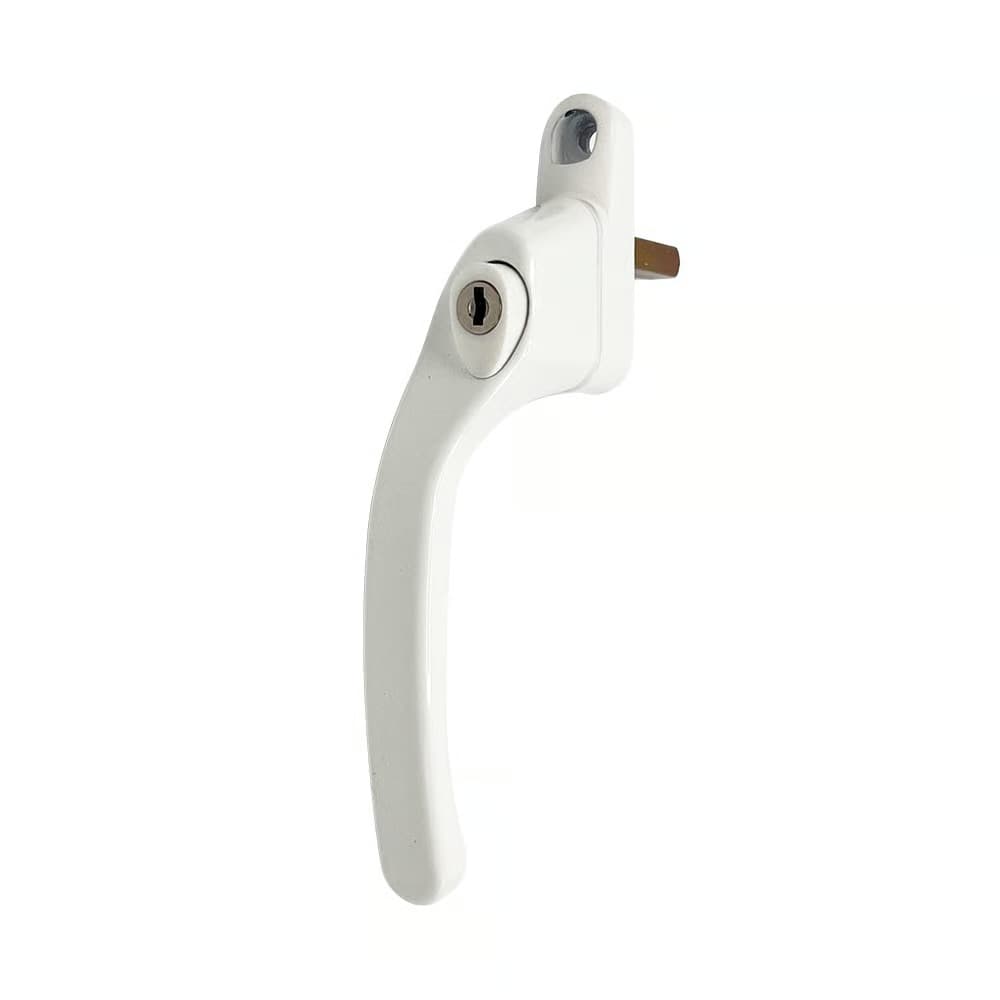
- Espag handles operate a multi-point locking system via a spindle that turns an internal gearbox. A representative item is the TSS Cockspur Window Handles.
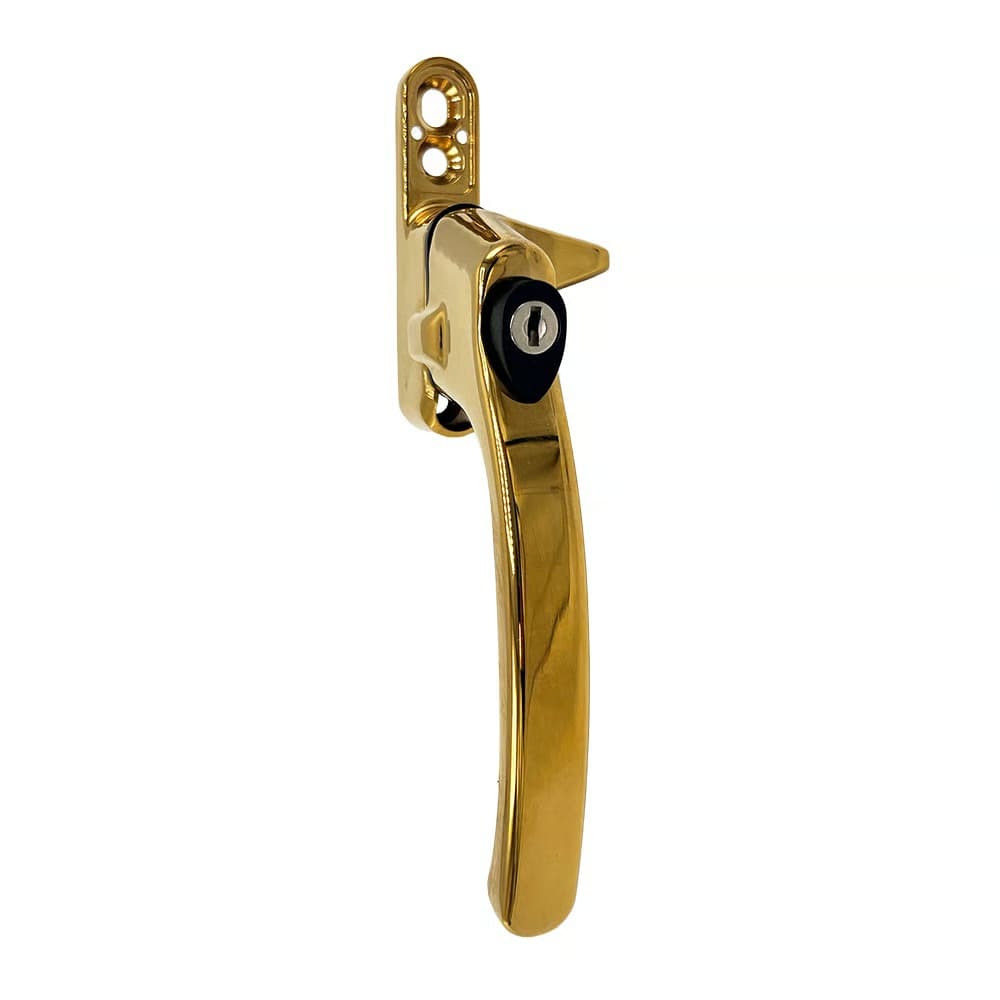
- Cockspur handles clamp onto the frame and are common on older metal or timber windows. A standard example is the TSS Cockspur Window Handle.
- Bolt-through handles use long bolts passing through the door or window frame, often found on PVCu or thicker profile doors; the TSS Offset UPVC Window Handles is a typical bolt-through style.
Check window mechanism condition
A smooth-operating handle may fail if the internal locking mechanism or espagnolette gearbox is worn. Before ordering a new handle, test the window’s locking and unlocking:
- Operate the handle through its full stroke and observe any sticking, grinding or excessive play.
- Inspect the visible gearbox or locking keeps for rust, bent components or missing cams.
- If the gearbox is damaged, replace it alongside the handle. Many espag handles are designed to be used with specific gearbox lengths and cam positions, so ensure compatibility.
Choose the correct spindle and fixing type
Selection of spindle type and length is critical for successful handles replacement. Common spindle types include square spindles (usually 7mm or 8mm), threaded spindles and adjustable spindles. For bolt-through handles, check bolt length to suit profile thickness.
Actionable steps:
- Remove the existing handle and measure spindle cross-section and length.
- If uncertain, take the old handle to a specialist or photograph it against a ruler.
- Choose a replacement with the same spindle size or one that includes interchangeable options.
Inspect and replace fixings and keeps
Screw hole wear, stripped threads and deteriorated frame inserts are common causes of loose or rattling handles. During removal, examine the fixing holes and surrounding frame material. For PVCu and aluminium frames, metal threaded inserts or longer screws can restore grip. For timber, consider using slightly larger diameter screws or resin anchors if holes are oversized.
Keep alignment is also critical for secure locking. Check keeps and strike plates for deformation; replace or reposition keeps to ensure the locking cams engage properly without binding.
Consider security and corrosion resistance
Handle security ratings and material choice affect longevity and compliance with insurance requirements. Look for handles with enhanced anti-snap or anti-lift features for ground-floor windows. For coastal or high-humidity environments, choose corrosion-resistant finishes (stainless steel, chrome-plated or powder-coated) to prevent accelerated wear.
When replacing a handle on a high-risk ground-floor window, specify handles with superior security features or anti-bump designs. In many cases, upgrading to a multi-point locking espag handle improves overall security.
Fitment checklist and safe working practices
A methodical approach reduces errors and rework:
- Tools required: cross-head screwdriver, Torx set, pliers, digital calipers, masking tape, cleaning cloth and a spirit level.
- Turn off alarm systems or disconnect door/window sensors before removal to avoid false alarms.
- Mark alignment with masking tape so the new handle is installed in the same orientation.
- Remove the old handle by unscrewing fixings; keep screws for reference.
- Clean the mounting area and check the condition of the spindle and gearbox.
- Fit the new handle, using new screws where appropriate, and tighten in a criss-cross pattern to ensure even seating.
- Check operation through the full travel to verify smooth engagement and effective locking.
- Recheck fixings after 24–48 hours to ensure they have not settled loose.
Troubleshooting common problems after replacement
If the new handle feels stiff or does not lock smoothly, re-check spindle alignment and gearbox compatibility. A handle that rotates without moving locking points indicates a broken or disengaged spindle; inspect the connection between handle and gearbox. For handles that slip, consider upgrading to a handle with a longer bolt or larger fixing centres to reach solid frame material.
Minor binding can sometimes be resolved by loosening fixings, adjusting handle position slightly, and re-tightening evenly. Persistent issues often point to an internal gearbox failure requiring replacement.
When to call a professional
Tradespeople can handle most replacements, but call a professional when:
- The espagnolette gearbox is badly corroded or seized and requires removal from within the frame.
- Structural frame repairs or new keeps are required.
- Security upgrades require certification or compliance with insurance conditions.
Final checks and maintenance tips
After handles replacement, perform a final security check: ensure all locking points engage fully, handles return to a neutral position and there is no excessive play. Regular maintenance will extend the service life of the new hardware:
- Lubricate moving parts annually with a dry PTFE spray.
- Clean handles with a mild detergent; avoid abrasive cleaners that damage finishes.
- Test operation seasonally and before high-use periods.