Window Handles Replacement: Upgrading to Locking Handles
Upgrading window handles to locking versions is one of the most cost-effective ways to improve security, ventilation control and ease of use for both homeo...
Upgrading window handles to locking versions is one of the most cost-effective ways to improve security, ventilation control and ease of use for both homeowners and tradespeople. This guide explains when to replace window handles, which locking mechanisms suit different window types, practical installation tips and maintenance advice to ensure a long-lasting upgrade. The focus is on actionable steps and product choices that match common sash and casement windows across UK homes.
Why choose locking handles for window handles replacement
Replacing standard window handles with locking ones adds a physical security barrier and often provides better operation and weathering performance. Locking handles deter forced entry, reduce the risk of accidental opening, and in many cases will be recognised by insurers as an improvement to home security standards. From a practical perspective, modern locking handles also offer smoother operation and slimmer profiles that suit contemporary and period windows alike.
Common benefits:
- Enhanced security through integral locks or key-operated barrels.
- Improved child safety by restricting opening range.
- Longer lifespan with corrosion-resistant finishes.
- Better compatibility with multi-point espagnolette locking systems.
Identifying the right locking handle for the window
Correct selection depends on the window type, locking mechanism present and whether a retrofit or full overhaul is intended.
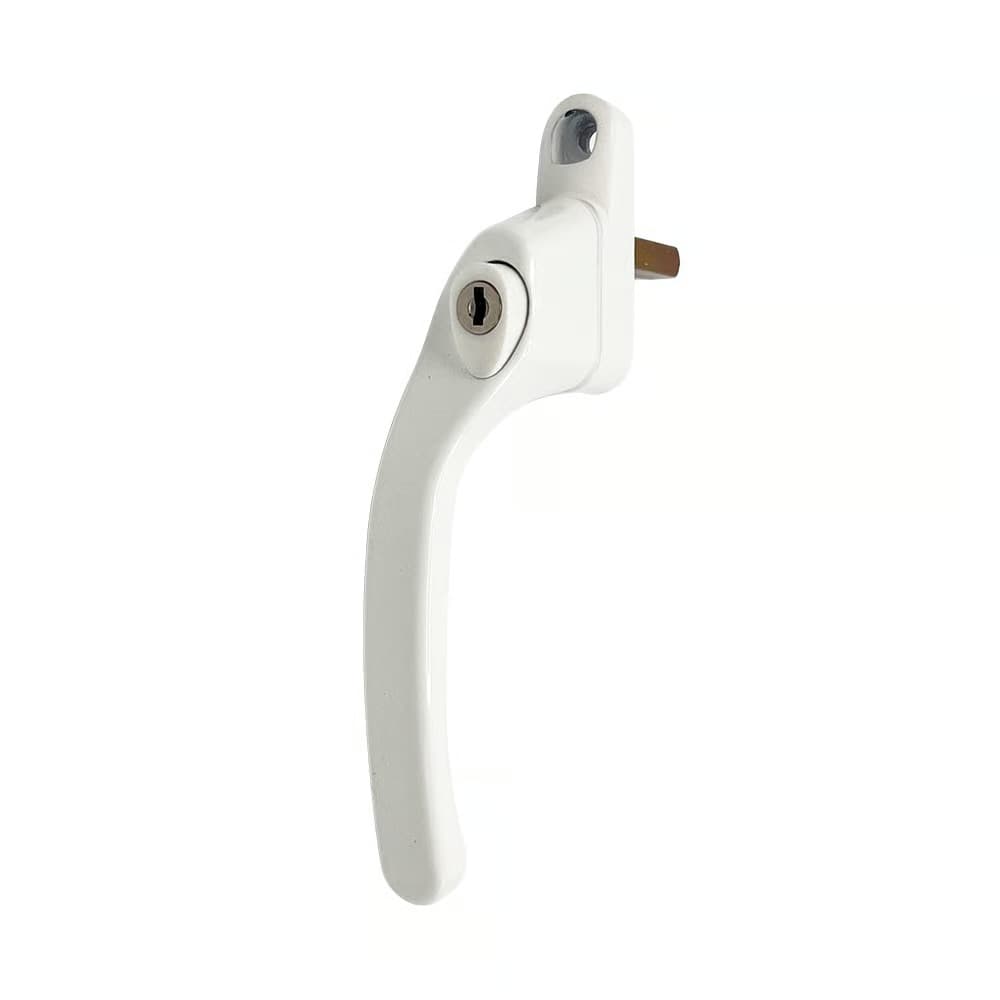
Espag (espagnolette) windows: These require handles that operate a gearbox and spindle to engage multi-point locking rods. A keyed or push-button espag handle is recommended for security-conscious installations. Example product: TSS Cockspur Window Handles.
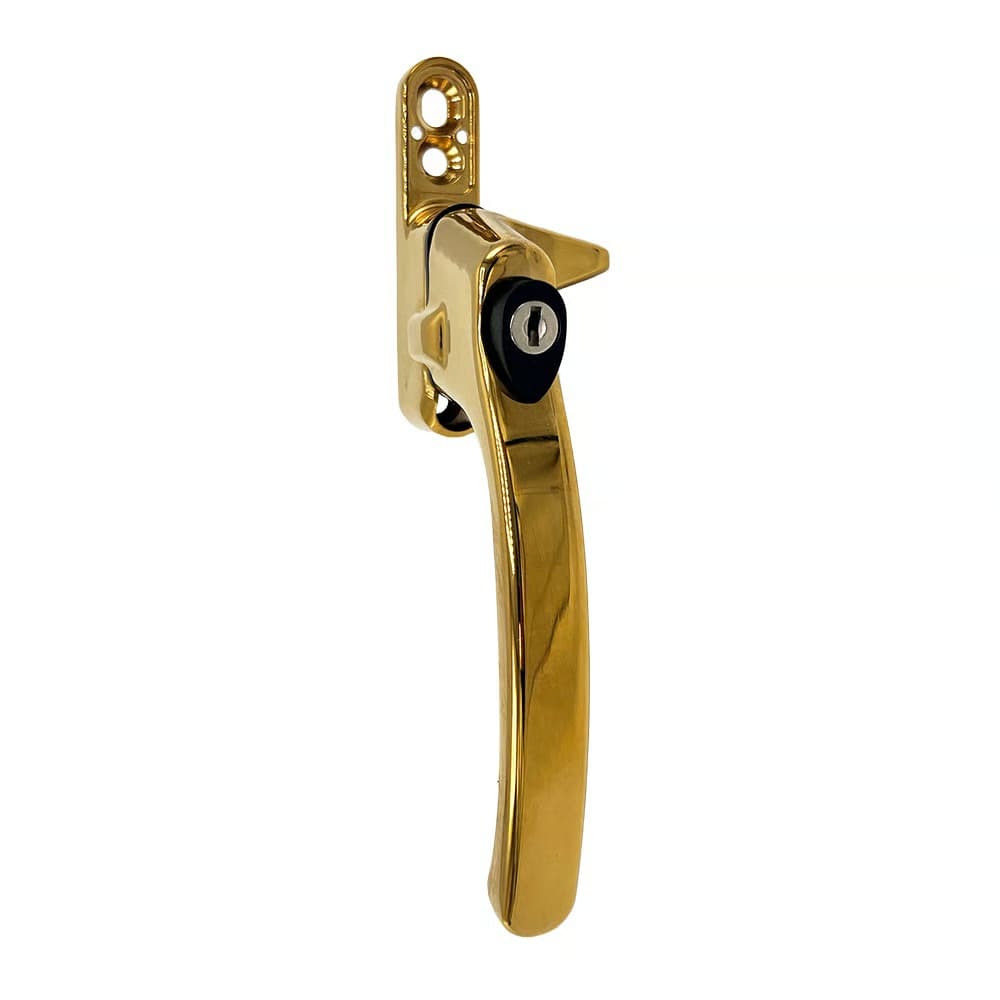
Casement windows with cockspur fittings: Older timber or metal casements often use a cockspur latch. Upgrading to a lockable cockspur handle provides a secure retrofit without changing the keep plates. Consider the projection and backset when choosing a replacement. Example product: TSS Cockspur Window Handle.
Tilt-and-turn or modern profiles: These commonly use dedicated handles with spindle sizes and positions specific to the manufacturer. Where compatible, choose a recognised brand with keyed options to maintain manufacturer warranty and function. Example product: TSS Offset UPVC Window Handles.
Measuring and checking compatibility before purchase
Precise measurement prevents wasted time and returns. Follow these steps:
- Measure the spindle length: Withdraw the existing handle and measure the length of the square spindle protruding from the window. Common sizes are 35mm, 40mm and 45mm; some handles are adjustable.
- Check spindle size: Typical spindles are 7mm square for many UPVC and PVCu handles; confirm with a digital calliper if unsure.
- Note fixing screw centres: Measure the distance between the mounting screw centres; this determines backplate compatibility.
- Confirm locking type: Identify whether the existing mechanism needs a keyed barrel, push-button or thumb-turn locking system.
- Observe projection and clearance: Ensure the new handle will not obstruct neighbouring windows, curtains or blinds.
Step-by-step replacement process
Tools required: Phillips and flat screwdriver, Allen keys, tape measure, pencil, spirit level and threadlocker for long-lasting fixings.
1. Remove the old handle: Unscrew mounting screws and pull away the handle from the spindle. For espagnolette handles, hold the mechanism steady to avoid stressing the internal gearbox. 2. Clean the area: Remove dust, old sealant and oxidation from the backplate and frame to ensure a flush fit. 3. Test-fit the new handle: Slide the new handle onto the spindle and check for correct orientation and clearance. Adjust spindle length if the handle includes an adjustable sleeve. 4. Secure fixings: Use the original screw holes where possible. Apply a small amount of medium-strength threadlocker to screws on external doors or exposed windows to prevent loosening. 5. Set locking operation: Install the cylinder or key barrel if required, and test locking/unlocking through several cycles. Ensure the espagnolette bolts or cockspur latch engage fully with the keep. 6. Final check: Confirm smooth operation across the whole range of motion and that the handle returns to neutral position without sticking.
For multi-point systems, engage the locking mechanism while testing to ensure all points align; adjustments to keep plates may be necessary.
Practical considerations for tradespeople and installers
- Stock common sizes: Having 7mm and 8mm spindles, along with popular backplate sizes, reduces repeat visits.
- Mark serviceable windows: Use a small sticker or label indicating date of replacement and type of handle fitted for maintenance logs.
- Align keeps correctly: Misaligned keeps cause premature wear. Use a spirit level and shims if necessary to ensure the locking points are square.
- Use replacement parts from trusted suppliers to maintain warranty and longevity, and always keep a record of product codes for future matches.
Maintenance and troubleshooting after replacement
Simple maintenance prolongs the life and function of locking handles:
- Lubricate moving parts annually with a graphite or silicone spray suitable for window hardware; avoid oil-based lubricants that attract dust.
- Tighten fixing screws after the first few months of use and inspect annually for corrosion or wear.
- Replace worn escutcheons or key barrels before they fail—keyed mechanisms are vulnerable if left to wear for too long.
- For stiff operation, check spindle alignment and gearbox engagement before attempting forceful operation, which can damage locks.
- Handle loose: Retighten screws and check for stripped threads; use a slightly longer screw if the frame material allows.
- Lock does not engage: Inspect striker plate alignment and adjust keep position by loosening keep screws and moving slightly.
- Stiff locking: Apply suitable lubricant and cycle the lock multiple times; if stiffness persists, inspect the mechanism for rust or damage.
Final notes on security and compliance
Upgrading to locking handles is a practical step towards meeting current home security expectations and can be a cost-effective measure alongside locks, alarms and reinforced glazing. Tradespeople should advise customers on compatibility with insurance requirements and, where required, recommend accredited installers for complex multi-point upgrades.
Further technical guidance, specification charts and product comparisons are available in the comprehensive resource: Window Handles Guide