Window Handles Replacement: When to Replace the Mechanism Too
Window handles replacement is a common task for both homeowners and tradespeople, but deciding whether to replace just the handle or the whole mechanism re...
Window handles replacement is a common task for both homeowners and tradespeople, but deciding whether to replace just the handle or the whole mechanism requires careful assessment. A worn or loose handle can often be solved by a straightforward swap, yet underlying problems in the spindle, gearbox or espagnolette can mean a partial repair is a false economy. What follows is practical guidance for making that call, and clear steps for an effective, lasting repair.
Recognising the signs that the mechanism needs replacing
Wear on visible components may mask internal failure. Key indicators that the mechanism as well as the handle needs replacing include:
- The handle spins freely without operating the window locking points.
- The handle returns slowly or drifts under its own weight, signalling internal wear.
- Difficulty moving the handle through the full travel, or catching midway.
- Corrosion inside the frame or around the locking points (often seen as rust, metal flakes or seized bolts).
- Recurrent failures after multiple handle replacements — the mechanism may be the root cause.
- Security failures: if a British Standard or Secured by Design level lock is required, the whole mechanism should match the required specification.
Distinguishing handle-only faults from mechanism faults
Simple handle faults
- Stripped grub screws or worn spindles: handle slips on the spindle but mechanism functions.
- Loose fixings or missing screws.
- Cosmetic damage or bent handle lever.
- Worn gearbox teeth or broken cams.
- Snapped or bent locking rods.
- Seized or corroded components within the frame.
- Misalignment of keeps/striker plates causing undue stress.
Practical inspection steps
1. Remove the handle: undo visible screws and slide the handle off the spindle. Retain screws and cover plates. 2. Operate the mechanism with a temporary spindle or screwdriver: check for smooth travel and engagement of all locking points. 3. Inspect for corrosion, metal shavings and play in the gearbox. 4. Measure spindle dimensions and backset to identify compatible replacements. 5. Check marks or branding on the gearbox or espagnolette to match replacement parts.
These steps allow accurate diagnosis and avoid unnecessary replacements.
When to replace the mechanism as well
Replace the mechanism when any of the following apply:
- Internal parts are visibly damaged, corroded or worn.
- Repeated handle replacements fail to solve operation issues.
- Security upgrade is required (upgrade to a higher-rated espag or multi-point gearbox).
- Significant misalignment causes binding at multiple locking points.
- The window is older and spare parts are no longer serviceable; a full upgrade provides long-term reliability.
Selecting compatible replacements
Match the handle to the mechanism type: cockspur, espag/espagnolette, or shootbolt. Key measurements and specifications:
- Spindle size and length (commonly 7mm square for many uPVC handles, but confirm).
- Backset and centre-to-centre screw spacing.
- Handing: left or right-handed operation may matter for some multi-point systems.
- Locking type: non-locking, key-locking or push-button variants.
- Security standard: grab handles that meet relevant standards for replacements on vulnerable openings.
Practical replacement steps for tradespeople
1. Prepare: gather the correct handle, new gearbox/espag if required, screws, lubricant and cleaning tools. 2. Remove the old assembly: detach handle, unscrew gearbox fixings, and withdraw the espagnolette/gearbox carefully. 3. Clean and inspect the frame cavity: remove corrosion, old sealant and debris; treat with a corrosion inhibitor if needed. 4. Fit the new mechanism: position espagnolette or gearbox, align with keeps and locking points, and secure loosely at first. 5. Adjust keeps/striker plates: ensure smooth engagement of the locking points before final tightening. 6. Fit the handle: ensure correct spindle engagement, tighten grub screws to recommended torque and check operation through full travel. 7. Test multiple cycles: open and close several times, applying lubricant to moving parts and rechecking alignment after initial use.
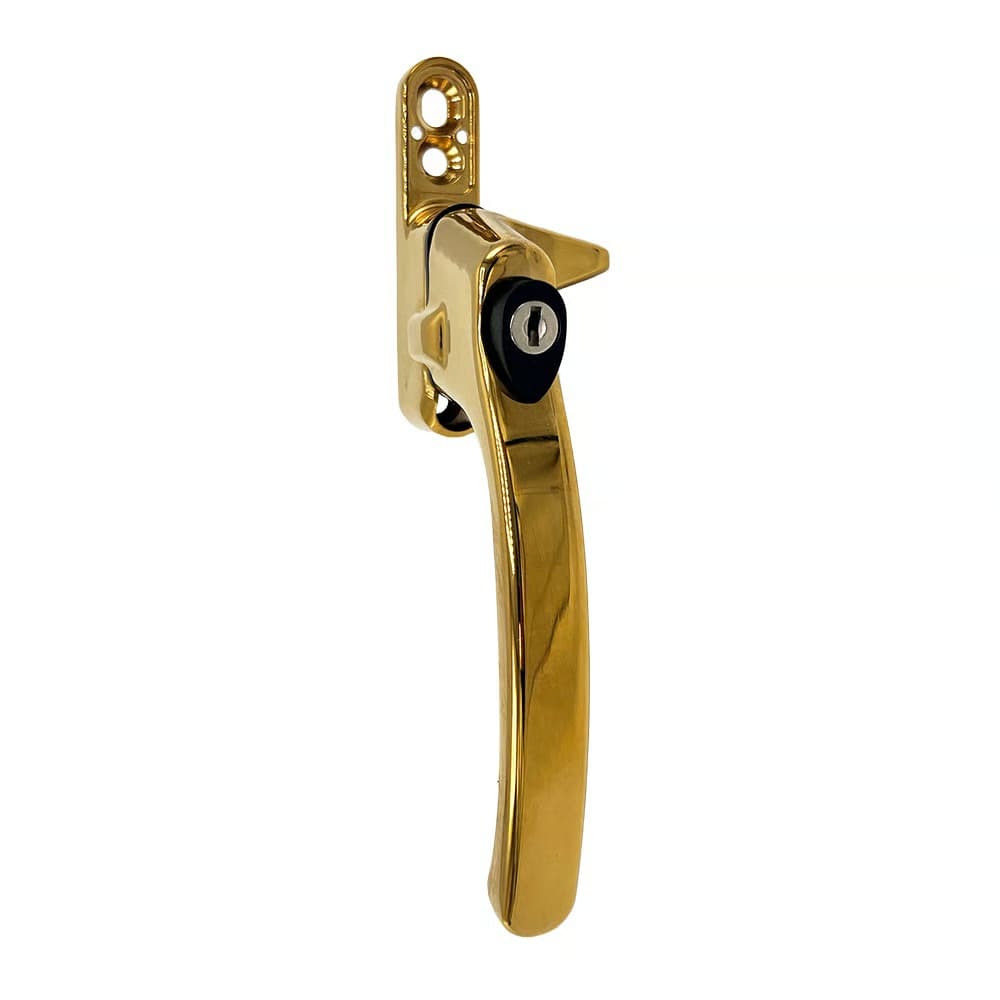
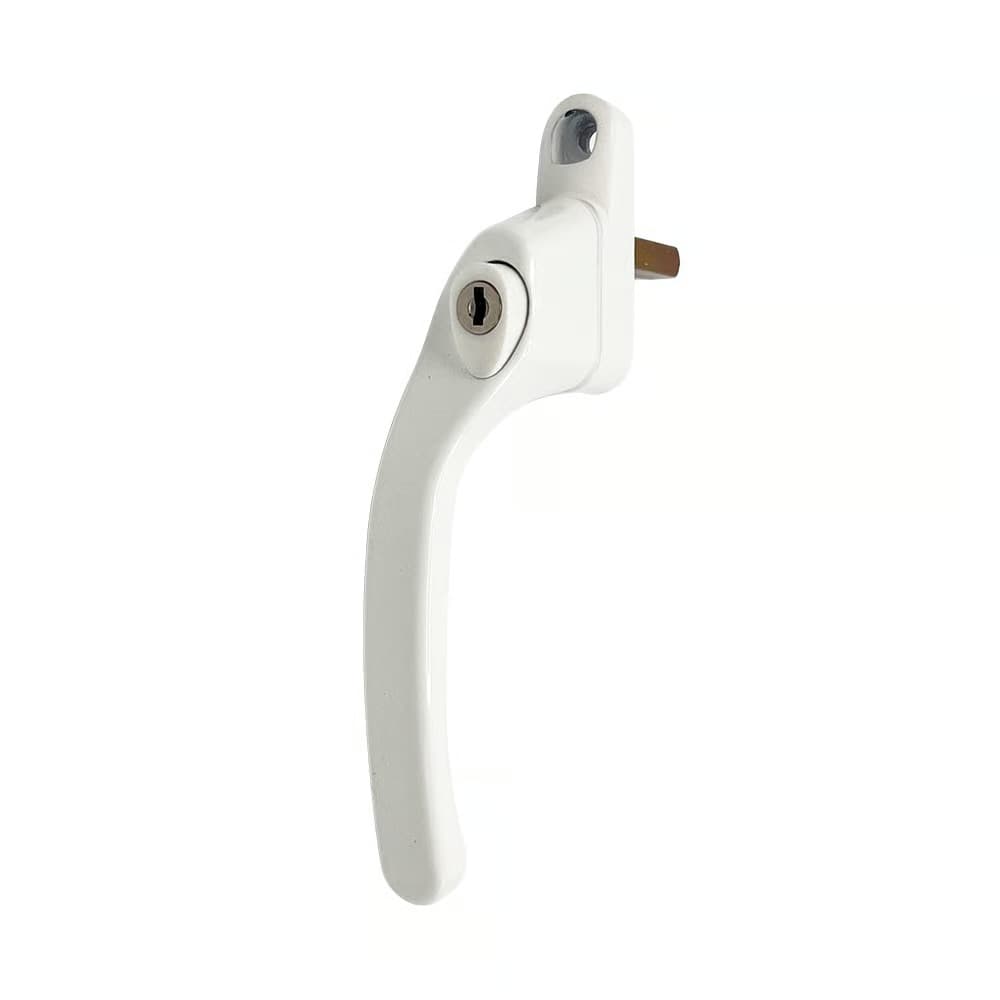
For a straightforward handle swap where the mechanism is sound, a replacement such as the TSS Offset UPVC Window Handles offers a quick, reliable solution.
When to call a specialist
Tasks that should be referred to a specialist include:
- Complex multi-point systems where correct alignment affects multiple locks.
- Structural issues within the frame or sash, or where rebates or keeps need modification.
- Security upgrades requiring certification or compliance with insurance requirements.
- Instances where access to the mechanism is restricted or removal risks damaging the window.
Maintenance to prolong life
Regular maintenance reduces the frequency of full mechanism replacement:
- Lubricate moving parts annually with a light machine oil or specialist window lubricant.
- Tighten screws and check grub screws for play.
- Keep drainage holes and frame cavities free of debris to prevent corrosion.
- Replace worn keeps promptly to avoid misalignment.