Window Handles Replacement: Why Your Handle Won’t Lock
Window handles replacement often becomes necessary when a handle will not lock, but diagnosis and repair are usually straightforward. This article explains...
Window handles replacement often becomes necessary when a handle will not lock, but diagnosis and repair are usually straightforward. This article explains common causes of a handle failing to lock and gives practical, actionable steps for inspection, temporary fixes and permanent replacement. Advice is suitable for homeowners carrying out DIY repairs and tradespeople seeking efficient fault-finding and fitting techniques.
Common reasons a window handle won’t lock
Several mechanical and alignment issues typically prevent a handle from operating the locking mechanism:
- Worn or broken spindle: The spindle transfers torque from the handle to the internal gearbox; wear, shearing or corrosion can interrupt this connection.
- Stripped gearbox or gears: Internal components in espagnolette or lock mechanisms can wear, preventing the handle from engaging the multi-point locking hooks.
- Misaligned striker keeps or locking points: Warping, settling or poor installation can move the keeps out of alignment so the handle cannot fully engage.
- Loose fixings: Screws securing the handle to the frame or sash can work loose, causing slack between the handle and the mechanism.
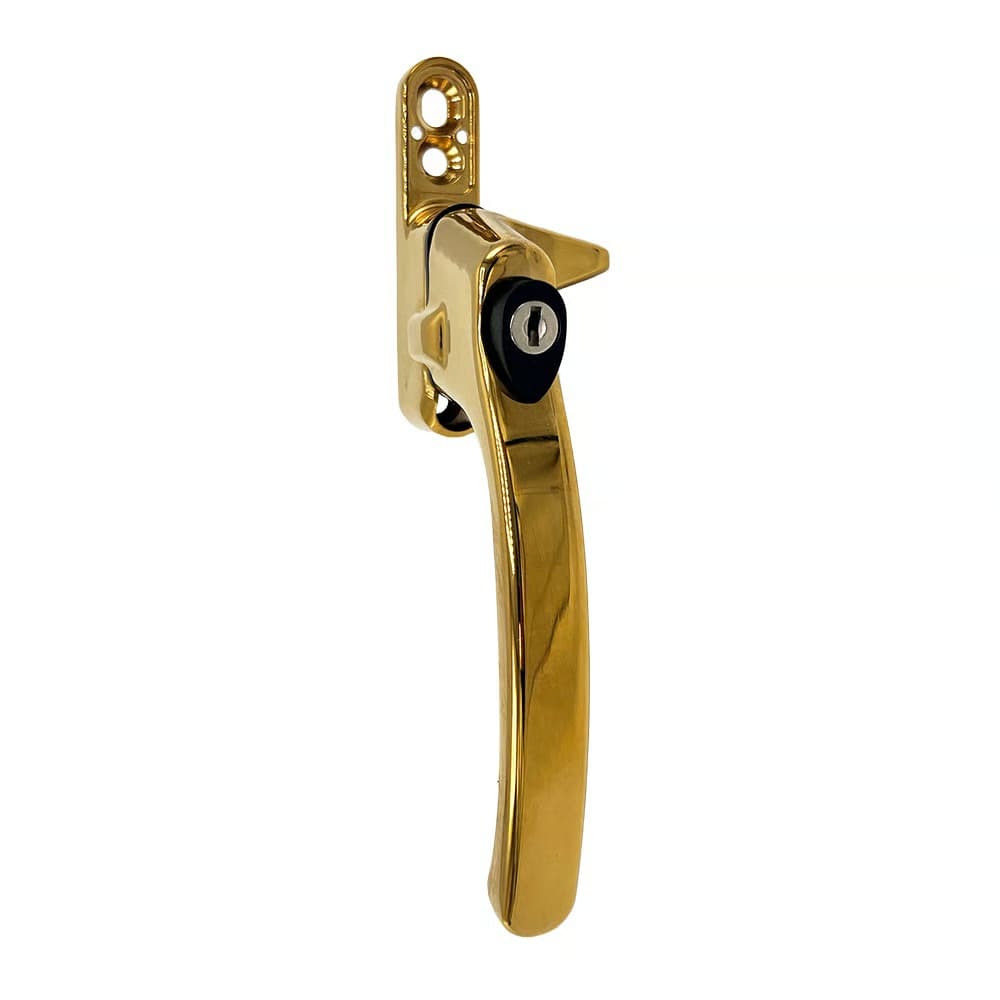
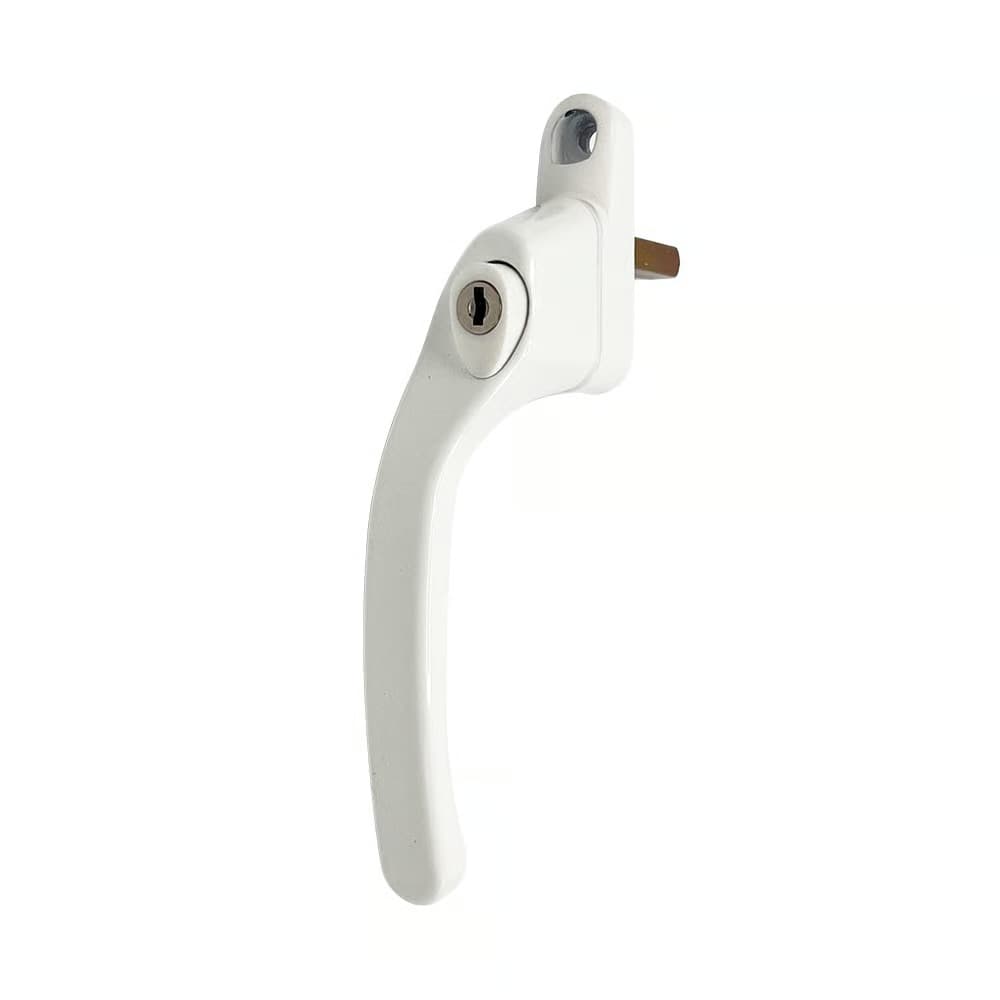
- Snap-lock or security features activated: Some handles include a locking button or key cylinder; if not operated correctly the handle will not turn to lock.
- Debris, paint or corrosion: Build-up around the handle base or inside the gearbox can impede movement.
Initial inspection checklist
A systematic inspection saves time. Recommended steps:
1. Check the handle style and security features and note whether it is a keyed or push-button handle. Different mechanisms require different spindles and fixings. 2. Remove the handle cover plate and observe spindle movement while operating the handle. If the spindle turns but the locking mechanism does not, the gearbox or internal linkage is suspect. 3. Try tightening the handle fixing screws. If the handle is loose, tightening to the manufacturer’s torque will sometimes restore engagement. 4. Examine keeps and striker plates on the frame. Marks, gaps or jammed hooks indicate alignment problems. 5. Look for visible damage to the spindle: flattened edges, corrosion or a sheared-off end will require replacement. 6. Test operation with the window slightly open and closed to determine whether sash position affects locking — this points to alignment issues or sash swell.
Documenting these findings before ordering parts ensures the correct replacement handle and reduces return delays.
Practical temporary fixes
When immediate security is required and a full replacement cannot be done the same day:
- Use a temporary sash stop or wedge to prevent the sash being opened fully.
- Tighten handle screws and apply a small amount of penetrating lubricant to stiff mechanisms to free seized parts for short-term use.
- If the spindle is sheared but a short-term fix is needed, an appropriate-length replacement spindle can be ordered and fitted quickly by removing the handle and gearbox faceplate.
Choosing the correct replacement handle
Correct selection avoids compatibility problems. Important considerations:
- Handle type: espag, cockspur, crank or tilt-and-turn each use different fixings and spindles.
- Spindle size and length: Measure existing spindle thickness and overall length between handle faces. Tradespeople should keep common sizes in the van.
- Fixing hole centres: Common centres include 43mm and 48mm; confirm before ordering.
- Material and finish: Choose corrosion-resistant finishes appropriate for coastal locations.
- Security rating: For enhanced security, select handles with built-in deadlocking or those compatible with anti-snap cylinders.
Fitting tips for tradespeople and competent DIYers
A concise fitting routine reduces callbacks:
1. Remove the old handle and note spindle and screw positions. Photograph the assembly for reference. 2. Clean the area, remove paint buildup and check the gearbox for wear. Replace the gearbox if gears appear stripped. 3. Fit the new handle onto the correct-length spindle; ensure the spindle engages fully into the gearbox. 4. Align the sash or adjust keeps if the handle will not fully turn. Slightly filing or repositioning the striker plate often cures minor misalignments. 5. Tighten fixings progressively; over-tightening may deform the handle backplate or restrict movement. 6. Test locking in all handle positions and with the window fully closed and slightly ajar to ensure consistent engagement. 7. Where applicable, set key-operated handles so the key removes only in the locked position, giving clear user feedback.
Tradespeople should carry an assortment of spindles, handles and keeps to complete most jobs in a single visit.
When to replace the gearbox or seek professional help
Replace the gearbox if internal gears are stripped, or if the spindle fits but the mechanism does not actuate. Complex multipoint systems and sealed gearboxes often require professional replacement to maintain warranty and security standards. For heritage or bespoke windows, restoration by a specialist may be appropriate to retain original fittings.
Final checks and maintenance
After replacement, perform these maintenance tasks:
- Lubricate locking points with light grease once a year.
- Check fixings annually and retighten where necessary.
- Ensure keys and buttons operate smoothly; replace worn keys to prevent cylinder damage.
- Inspect seals and sash operation to prevent misalignment from swell or frame movement.