Window Handles with Locks: Common Problems and Quick Fixes
Window handles with locks are essential components for security and ease of use, yet they can develop common faults from daily wear, poor alignment, or ina...
Window handles with locks are essential components for security and ease of use, yet they can develop common faults from daily wear, poor alignment, or inadequate maintenance. This guide explains typical problems encountered by homeowners and tradespeople and provides practical, step-by-step fixes that require basic tools and a little mechanical know-how. It also outlines when replacement is the best option and which products are reliable choices.
Tools and safety first
Before starting any repair, assemble the right tools: a set of screwdrivers (Pozidriv and flat), an allen key set, a tape measure, a spirit level, penetrating oil (WD‑40 or equivalent), cleaning cloths, and a multimeter if dealing with electrified hardware. Wear safety glasses and gloves when removing broken parts. If the window is heavy or at height, use appropriate scaffold or ladder safety and consider a second person to assist.
Common problem 1: Handle feels loose or wobbly
Cause: Fixing screws have worked loose, or the spindle has oversized play from wear.
Quick fixes:
- Tighten visible fixing screws using the correct screwdriver. Many handle types use Pozidriv screws, so use the right bit to avoid rounding heads.
- Remove the handle and inspect the spindle and inner bushes. Apply a small amount of penetrating oil to seized parts, then work the mechanism back and forth.
- If the spindle is worn, replace the handle assembly or fit a new spindle (tradespeople can source compatible spindles to match the lockcase).
Common problem 2: Handle turns but window doesn’t lock or unlock
Cause: Broken gearbox or disengaged mechanism within the lockcase; misaligned multi-point keep plates.
Quick fixes:
- Operate the handle while watching the locking mechanism inside the edge of the window. If the internal cams or gears do not move, the gearbox is likely damaged and requires replacement.
- Check the keeps and shootbolts in the frame are not obstructed and are aligned with the locking points. Slight misalignment can be resolved by loosening the keep screws, adjusting position and re-tightening while testing the handle operation.
- For timber or PVC windows with multipoint systems, measure the backset and ensure the replacement handle or gearbox matches manufacturer specifications.
Common problem 3: Lock barrel is stiff or key won’t turn
Cause: Dirt, corrosion, or worn tumblers inside the lock cylinder.
Quick fixes:
- Clean the key and cylinder exterior. Use a small brush to remove surface debris from around the keyway.
- Spray a graphite-based or silicone lock lubricant into the cylinder (avoid oil-based lubricants that attract dirt). Insert and remove the key several times, turning gently to work the lubricant through.
- If the cylinder remains stiff, remove and immerse it in a suitable cleaning solution or replace the euro cylinder; fitting a new cylinder is straightforward and restores smooth operation.
Common problem 4: Cockspur handle will not latch or is stuck
Cause: Maladjusted or bent cockspur, stripped internal pivot, or paint build-up.
Quick fixes:
- Check for paint or sealant that has bridged between handle and frame; use a thin scraper to remove cured sealant and free the pivot.
- Tighten or replace the handle fixing screw; many cockspur designs have a visible screw at the base. If the pivot is stripped, replace the handle.
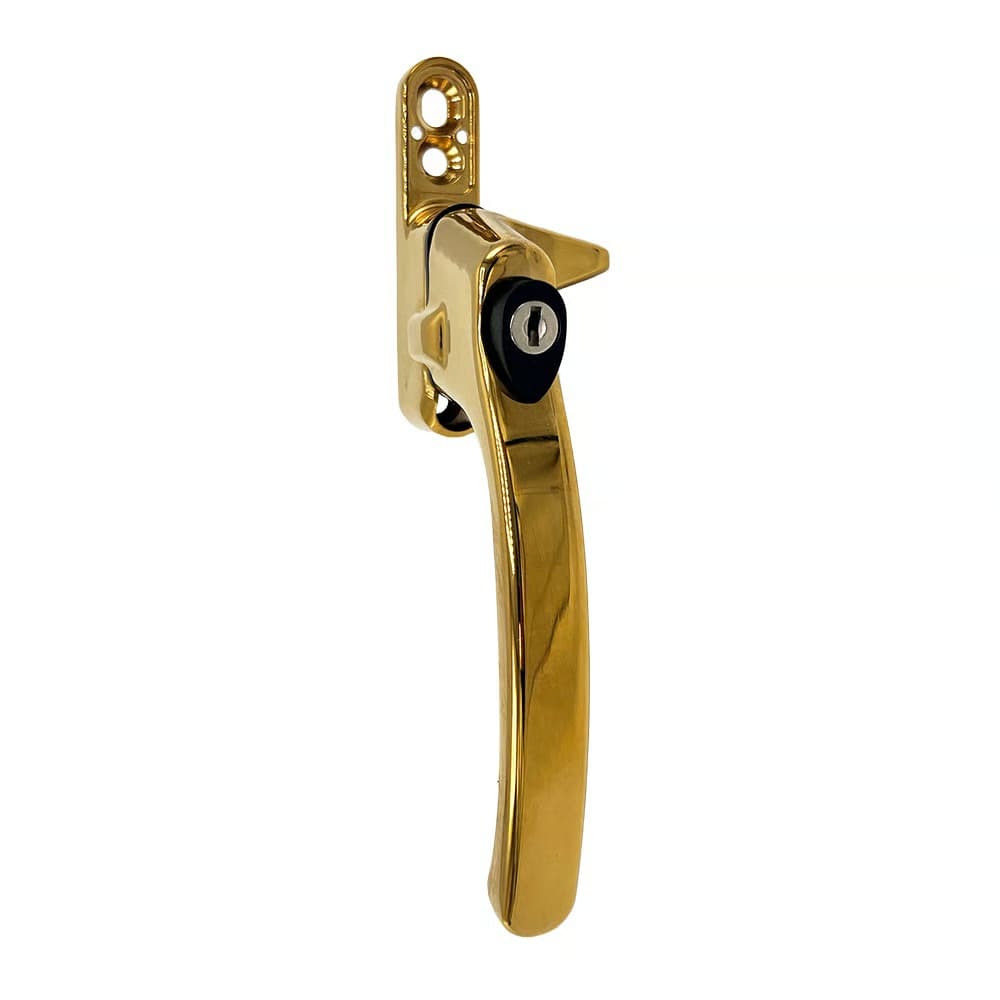
- Consider a corrosion-resistant option like the TSS Cockspur Window Handle for coastal environments or properties with high humidity.
Common problem 5: Child safety locks or keyed handles jam
Cause: Frequent use, debris in lock, or misalignment of catch.
Quick fixes:
- Lubricate moving elements with a dry lubricant and check the child safety catch for damaged parts.
- Adjust the catch plate on the frame so the keyed handle engages smoothly. Loosen screws and reposition slightly until engagement is reliable.
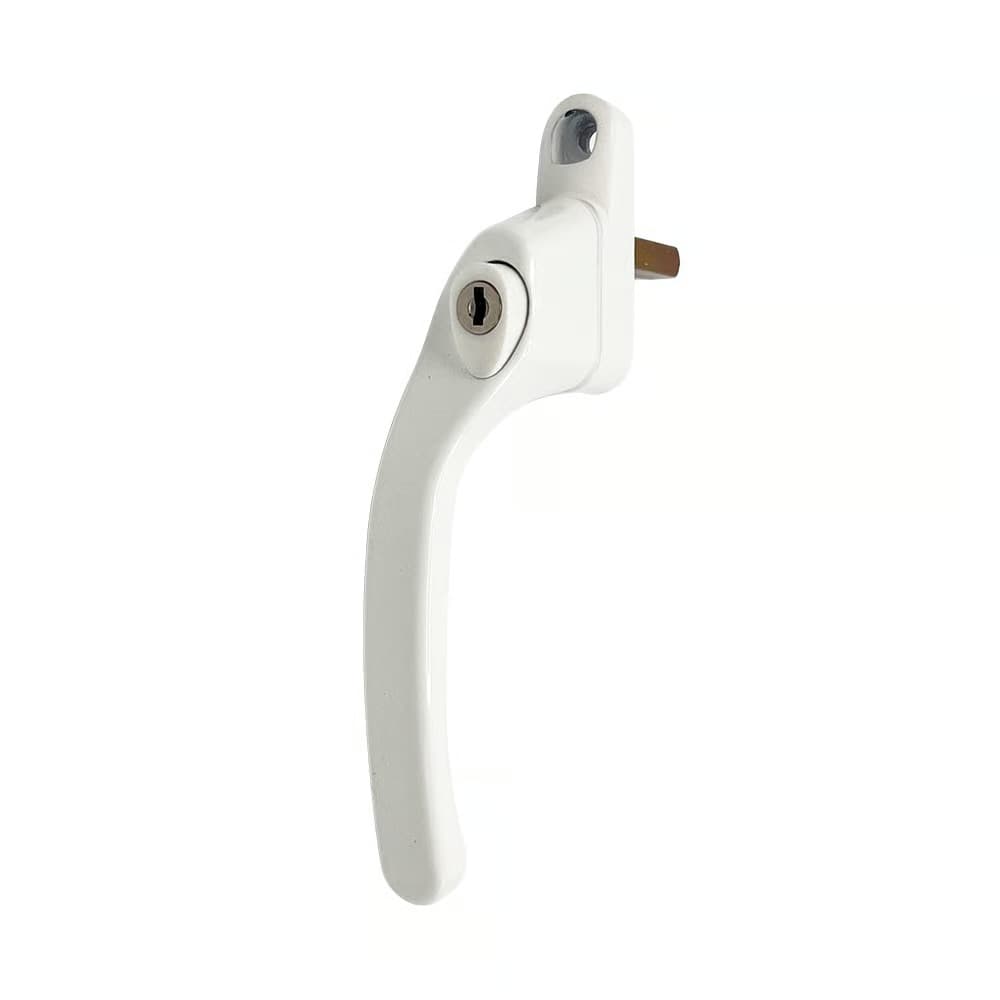
- If the keyed mechanism fails repeatedly, swap to a robust keyed handle designed for frequent use, such as the TSS Offset UPVC Window Handles, which offers durable locking components.
Maintenance tips to prevent faults
- Regular lubrication: Apply a suitable lock lubricant to the cylinder and moving parts every six months. Avoid oil-based sprays that attract grit.
- Keep screws tight: Check and tighten handle fixings during routine inspections to avoid looseness developing into more serious wear.
- Remove paint and sealant: When redecorating, mask around handles to prevent paint ingress that seizes mechanisms.
- Address condensation and rot: For timber windows, repair any rot or excessive damp that will corrode metal components and weaken fixings.
- Periodic alignment checks: Seasonal movement of frames can misalign keeps. Inspect alignment annually and adjust keeps/screws as needed.
When to call a professional
Simple tightening, lubrication, and part swaps are suitable for competent DIYers and tradespeople. Request professional assistance when:
- The window is unstable or the frame is compromised by rot.
- Multi-point gearbox replacement is needed and unfamiliar tools or measurements are involved.
- There is evidence of forced entry or security breach—document and report damage and prioritise replacing damaged locking elements.
Choosing replacement handles and upgrades
Select handles that match the locking mechanism (espag, cockspur, shootbolt) and check dimensions: spindle length, screw centres and backset. Upgrade to handles with proven durability and security features to reduce repeat visits and improve safety. Consider matching finish, corrosion resistance and handle ergonomics for daily use.
Regular care extends life and avoids emergency repairs. Repairs range from a few minutes to replace a worn screw to more involved gearbox or cylinder replacements that restore both function and security. For fuller guidance on handle types and fitting notes, consult the comprehensive resource: Window Handles Guide