Window Handles
Window Handles with Locks: FAQs
Window handles with locks are a simple, cost-effective way to improve security, safety and weatherproofing on hung, casement and tilt-and-turn windows. Thi...
Window Hardware Store Team
16 February 2026
4 min read
Window handles with locks are a simple, cost-effective way to improve security, safety and weatherproofing on hung, casement and tilt-and-turn windows. This FAQ-style guide explains common concerns for homeowners and tradespeople, describes types and features, and offers practical, actionable advice for selecting, fitting and maintaining locking window handles.
What types of locking window handles are available
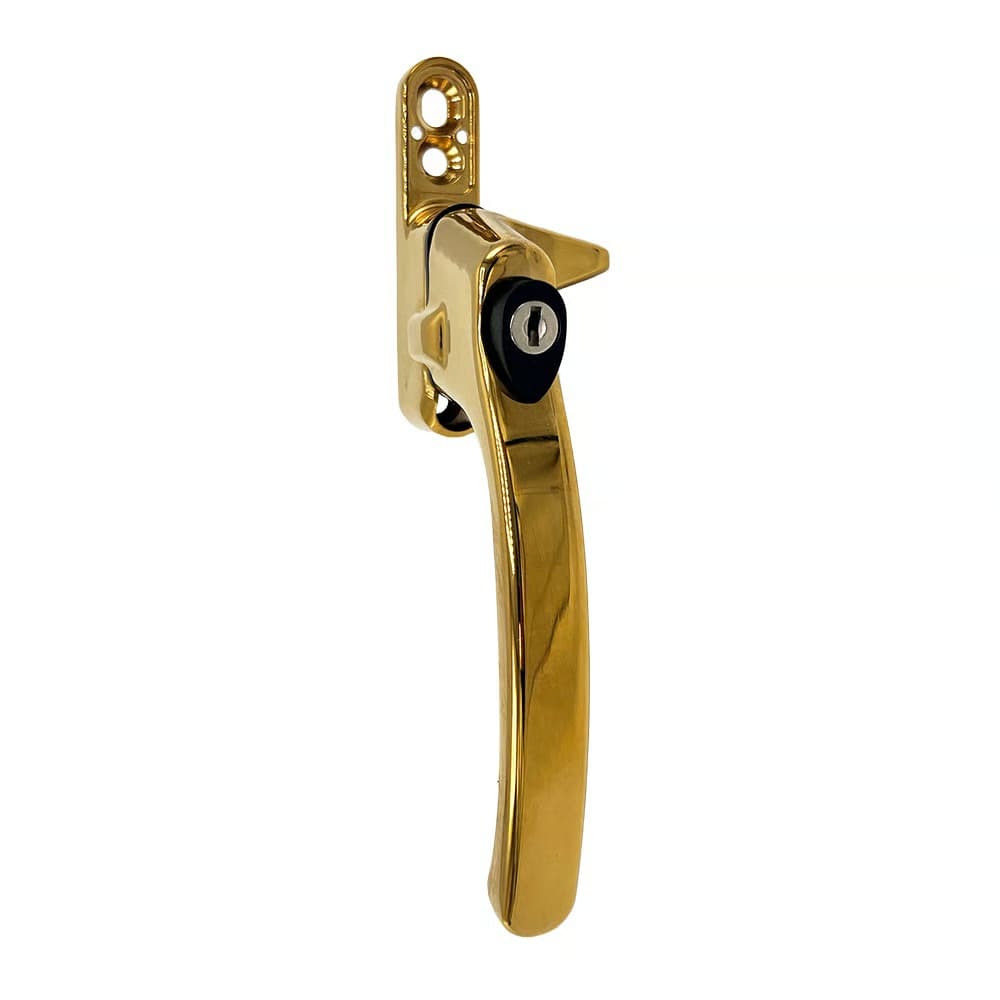
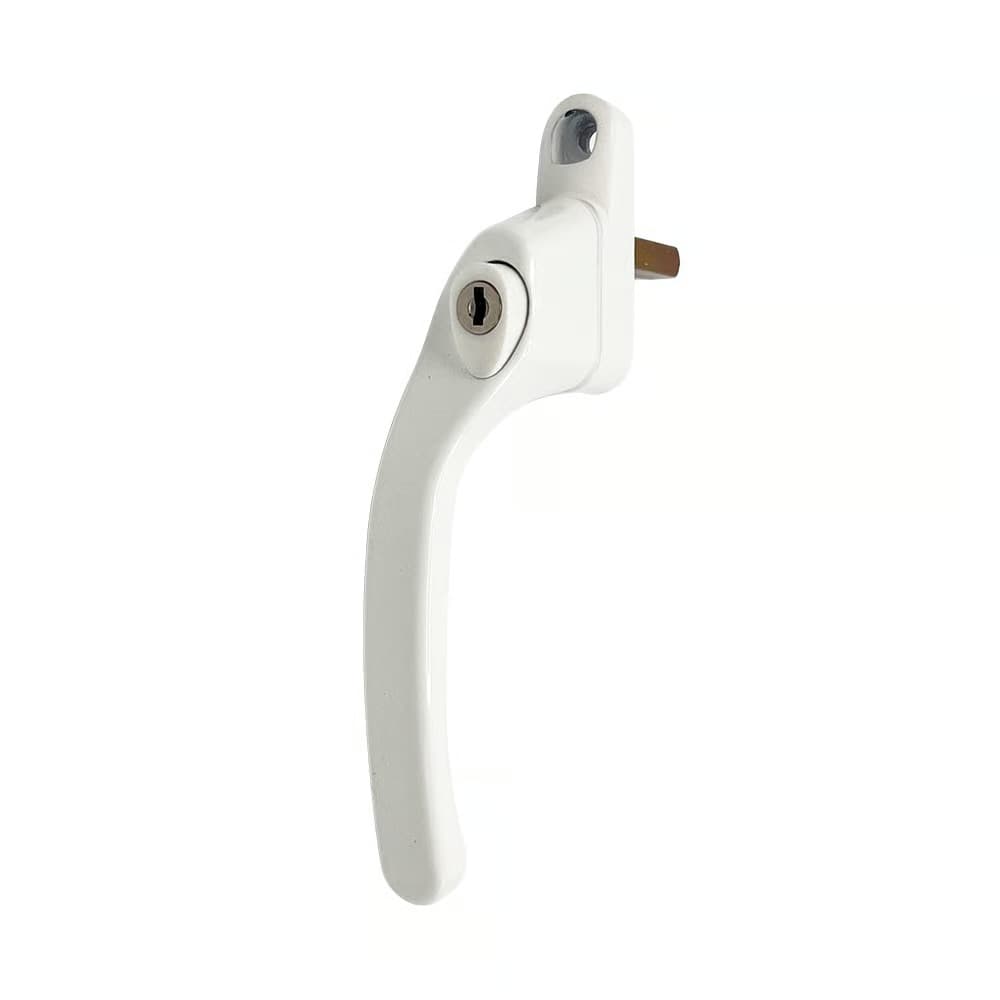
Locking window handles come in several common forms tailored to different window systems:- Espag (espagnolette) handles: Common on UPVC and aluminium windows; operate a spindle that engages a multipoint espagnolette locking mechanism. Durable and often available with key locking. Consider the TSS Cockspur Window Handles for robust key-locking espag applications.
- Cockspur handles: Surface-mounted handle that locks onto an outer frame keep; typical on older timber and metal windows. A cost-effective option is the TSS Cockspur Window Handle.
- Patterned or projecting handles with lock: Often used on replacement jobs where the keep or lock keeps existing. The TSS Offset UPVC Window Handles offers a well-known branded option for many standard casements.
How to choose the right locked handle for security and operation
Practical selection steps:- Match mechanism type: Confirm whether the window uses an espag, cockspur or centre-locking system. Replacing like-for-like avoids compatibility issues.
- Measure key dimensions: For espag/centre-locking handles measure screw-centres (distance between fixing screws) and spindle length. Standard centres are often 43mm or 92mm but always measure.
- Consider handedness: Check whether the handle is left or right-handed (which side the handle projects to when closed) and choose accordingly.
- Key control and locks: Decide between keyed-locking or push-lock mechanisms. For properties with multiple windows, consider keyed-alike options or a single master key for trades access.
- Material and finish: Match finish to other ironmongery and choose corrosion-resistant materials for coastal areas (stainless steel or polyester powder coated).
Installation tips for tradespeople and competent DIYers
Accurate installation improves security and lifespan:- Prepare: Remove existing handle carefully, preserve any screws and assess the condition of the keep/strike plate.
- Fit new handle dry-run: Before fixing permanently, insert spindle and test engagement with the locking mechanism to ensure correct alignment.
- Correct spindle length: Too long a spindle can prevent full lock engagement; too short will not reach the gearbox. Use the handle with the correct spindle size or trim to the manufacturer’s advice.
- Screw torque: Fixing screws should be tight enough to eliminate play but avoid over-tightening which can crack UPVC or strip threads. Use a torque-limited screwdriver for repeatable results.
- Adjust keeps: Some keeps are adjustable for compression and security. Fine-tune to ensure the handle operates smoothly and seals properly without excessive force.
Maintenance and troubleshooting
Routine checks extend service life and maintain security:- Lubrication: Annually lubricate moving parts with a light silicone spray or graphite for key cylinders; avoid heavy oils that attract dust.
- Check for play: Wobbling handles indicate loose fixings or worn spindles; tighten screws and replace spindles if necessary.
- Weatherproofing: Ensure compression keeps are adjusted so the sash seals fully to prevent draughts and water ingress.
- Key sticking or jamming: Do not force a key. Apply graphite to the cylinder, operate the handle while gently turning the key, and inspect for broken pins or misalignment.
- Corrosion: In coastal environments inspect for rust and replace stainless or corrosion-resistant hardware proactively.
Security considerations and compliance
Good practice and standards:- Secondary locking: Window handles with locks provide useful secondary security but do not replace robust laminated/tempered glass or reinforced frames for high-risk properties.
- Secured by Design: For enhanced protection, specify products that meet Secured by Design or relevant British Standards for window hardware.
- Child safety: Locking handles can act as a restrictor to prevent accidental opening. Consider restrictor stays or handles with a tilt-lock function where ventilation is needed.
- Key management: Keep keys for windows accessible for emergency services where required, yet secure from opportunistic burglars. Tradespeople should be supplied temporary keys or a passkey system when carrying out works.
Replacing vs repairing
Assessment checklist:- Replace when: Handle is bent, spindle worn, key doesn’t turn easily, or if corrosion has caused material failure. Replacement ensures reliable locking engagement.
- Repair when: Loose fixings or minor lubrication fixes operating issues. Replace only worn components rather than entire systems if compatible parts are available.
- Upgrading: When upgrading windows, consider replacing handles across the property to a common key system for convenience and security uniformity.
Final practical checklist before purchasing
- Identify mechanism type (espag, cockspur, centre).
- Measure screw-centres and spindle length.
- Note handedness and finish required.
- Decide on keyed locking or push-lock.
- Select corrosion-resistant material for exposed locations.
- Order spares: extra keys and a replacement spindle if uncertain.
windowwindow handlesupvc