Window Handles with Locks: Fixing a Handle That Won’t Lock
Window handles with locks are a common upgrade for both security and child safety, yet they sometimes fail to lock correctly. This guide helps homeowners a...
Window handles with locks are a common upgrade for both security and child safety, yet they sometimes fail to lock correctly. This guide helps homeowners and tradespeople diagnose and repair a handle that won’t lock, providing practical, actionable steps and clear criteria for repair versus replacement.
Tools and safety
Gather basic tools before starting: screwdriver set (pozidrive and flat), Allen keys, pliers, lubricant (dry PTFE or light oil), replacement fixings, and a multimeter if testing electrical components in modern windows. Wear safety glasses and work on a stable platform when handling sash or casement units. Isolate the area and secure the window to prevent accidental closure.
Identify the type of handle and lock
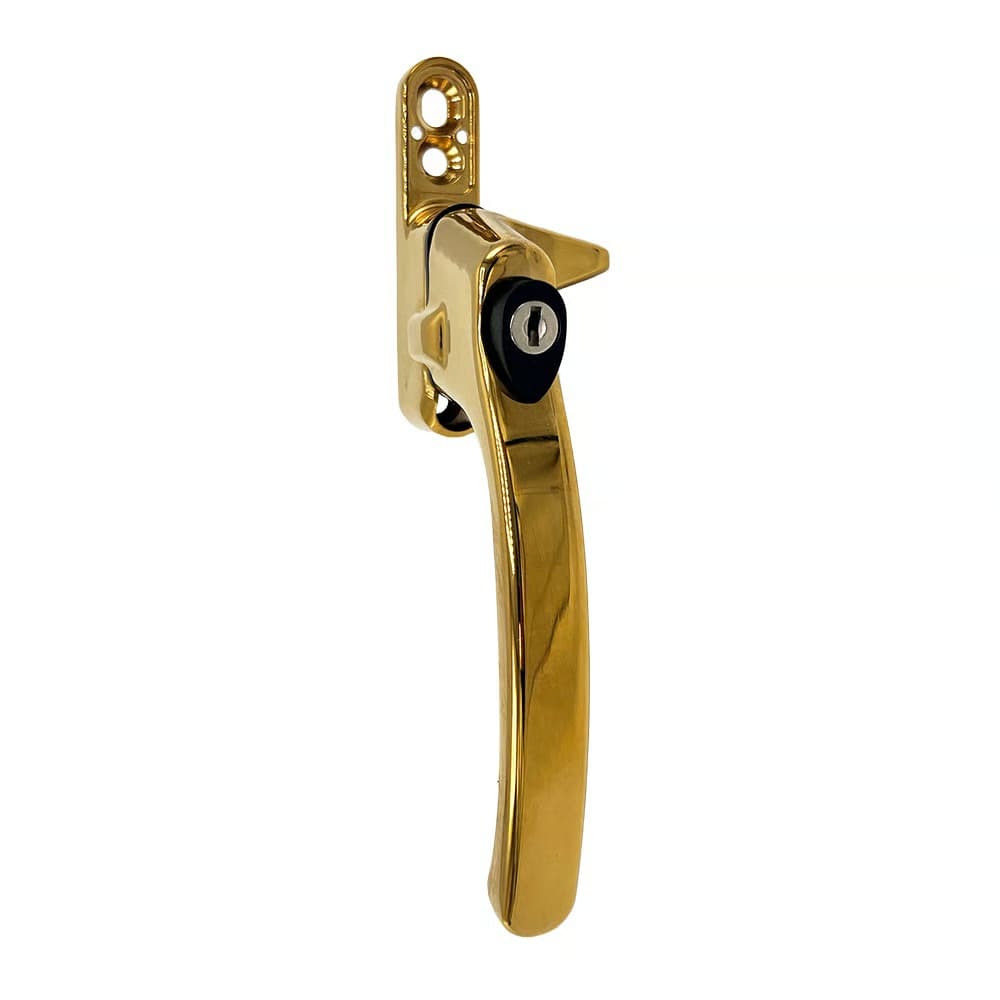
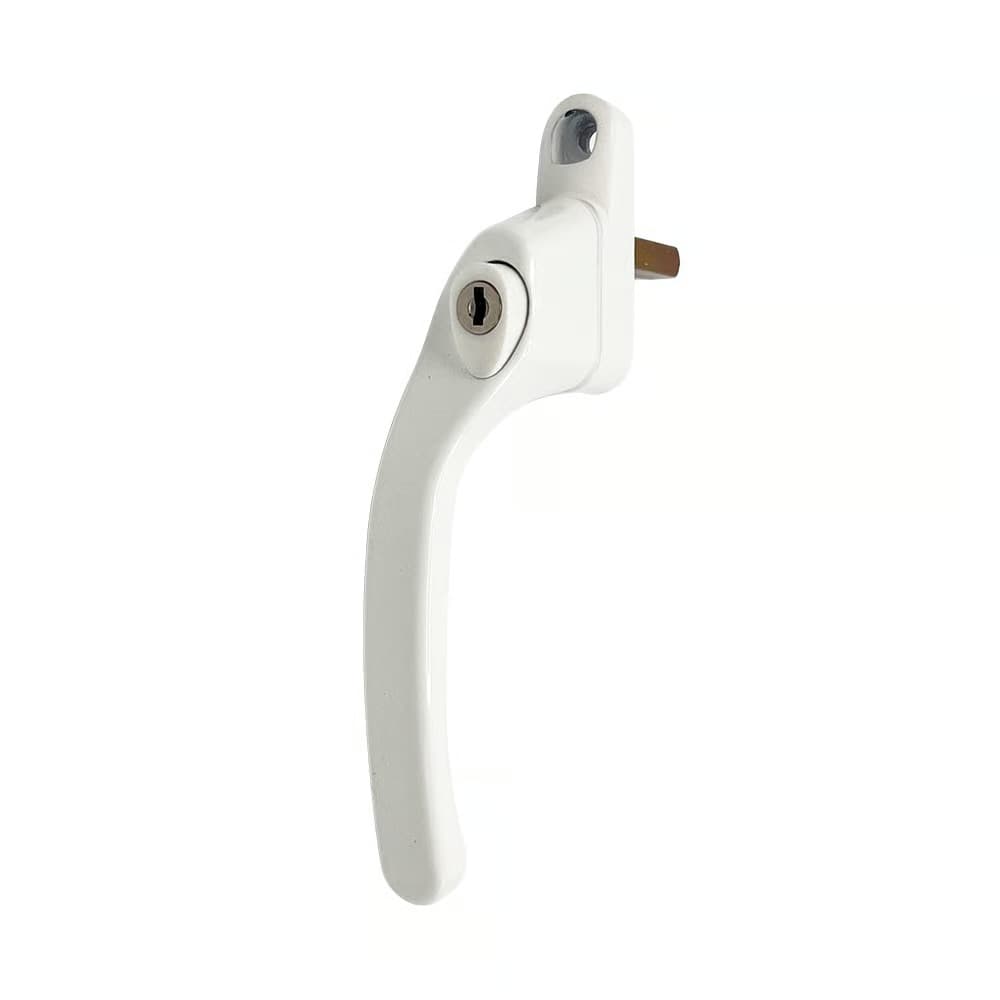
Start by identifying the window handle type, as the repair approach varies. Common types include espagnolette (espag) handles with key locks, cockspur handles, and rose-style handles such as the Yale Sparta. Knowing the type helps when sourcing parts or replacements and ensures correct adjustment of the locking mechanism.
For espagnolette systems, the handle operates a multi-point gearbox; for cockspur handles, a hook or lug engages directly with the frame. A reliable replacement for espag systems is the TSS Cockspur Window Handles. For cockspur-type fittings consider the TSS Cockspur Window Handle. The TSS Offset UPVC Window Handles is a robust option for many standard applications.
Quick checks before dismantling
1. Operate the handle through its full travel, observing any stiffness or grinding. 2. Check that the locking spindle is engaged straight into the mechanism; bent or worn spindles often prevent locking. 3. Inspect fixings and screws for looseness. Loose handle roses allow the handle to move without engaging the lock. Tighten screws evenly, then test again. 4. Verify the keep or strike is aligned and not obstructed by paint or sealant buildup. Scrape away excess and test.
Lubrication and minor adjustments
Lubrication can restore smooth action. Use a dry PTFE spray or light oil on the spindle, gearbox cable, and keeps. Avoid heavy grease that attracts dust. After lubrication, cycle the handle repeatedly and operate the lock. If the handle still won’t lock, proceed to adjustment.
For espag windows, check the travel of the gearbox or espagnolette rod. Some espag systems have adjustable cams or bolts; loosen the handle screws, reposition slightly to align with the gearbox, retighten screws and retest.
Addressing alignment and frame issues
Many locking problems stem from misalignment between the sash and the frame. Inspect the sash for sagging or twist; hinges and friction stays may be worn or loose. Adjust hinge screws or replace friction stays if the sash sits unevenly. For cockspur handles, make sure the spur engages the keep fully — minor adjustments to the keep position can restore full locking function.
Replacing worn components
If internal gears, spindles or cams are stripped, replacement is necessary. For espag systems, removal of the handle and inspection of the gearbox reveals wear. Replace a damaged espag gearbox or the entire handle assembly if parts are not available separately. For standard replacement handles use compatible spindle sizes and fixing centres to ensure correct engagement; the product pages linked above indicate dimensions and compatibility.
When replacing a cockspur handle, ensure the new handle’s spur length and profile match the existing keep position to avoid interference. If the existing keeps are damaged or bent, replace them and adjust their position slightly to ensure a positive lock.
When the key won’t turn
If the handle locks with a key but the key won’t turn, check for internal lock cylinder faults and seized mechanisms. Use graphite powder to lubricate the cylinder rather than oil. If the cylinder is seized or the key is worn, replace the cylinder. Some handles use replaceable cylinders allowing quick swap-outs without removing the full handle.
Temporary fixes and security considerations
For a temporary measure, a window restrictor can provide interim security while repairs are arranged. Avoid relying on adhesive fixes or makeshift shims as they compromise security and may damage the frame. Permanent solutions should restore the manufactured locking engagement between handle and keep.
When to call a professional
A tradesperson should be called if the sash is distorted, multipoint espagnolette rods require resetting, or if the repair involves glazing bead removal and refitting. Also contact a locksmith for complex cylinder or master-keyed systems. For standard replacements and adjustments, competent DIYers and tradespeople can complete the work quickly using the steps above.
Preventative maintenance
Regular maintenance extends the life of window handles with locks. Clean and lubricate moving parts annually, check and tighten fixings, and repaint with care to avoid paint buildup on moving components. Replace worn handles at the first sign of internal gear wear to prevent failure.
Summary
Diagnosing a handle that won’t lock follows a logical sequence: identify the handle type, perform basic checks, lubricate and adjust, correct alignment issues, and replace worn components where necessary. Using compatible replacement handles and keeps restores function and security quickly. For further reference on choosing, fitting and maintaining window hardware consult the detailed resource: Window Handles Guide