Window Handles with Locks: When to Replace the Mechanism Too
Window handles with locks are a common upgrade for improved security and ease of use, but replacing the handle does not always solve underlying problems. T...
Window handles with locks are a common upgrade for improved security and ease of use, but replacing the handle does not always solve underlying problems. This guide explains when the lock mechanism (espag, cockspur, or other) should be replaced along with the handle, how to diagnose issues, and practical steps for homeowners and tradespeople to ensure efficient, long-lasting repairs.
Common window handle types and their mechanisms
Different handle styles use different locking mechanisms. The most common for uPVC and aluminium windows are espagnolette (espag) mechanisms, cockspur mechanisms for simpler casement windows, and multi-point systems often controlled by lever handles.
- Espag mechanisms operate via a long steel rod or gearbox and are paired with handles such as the TSS Cockspur Window Handles.
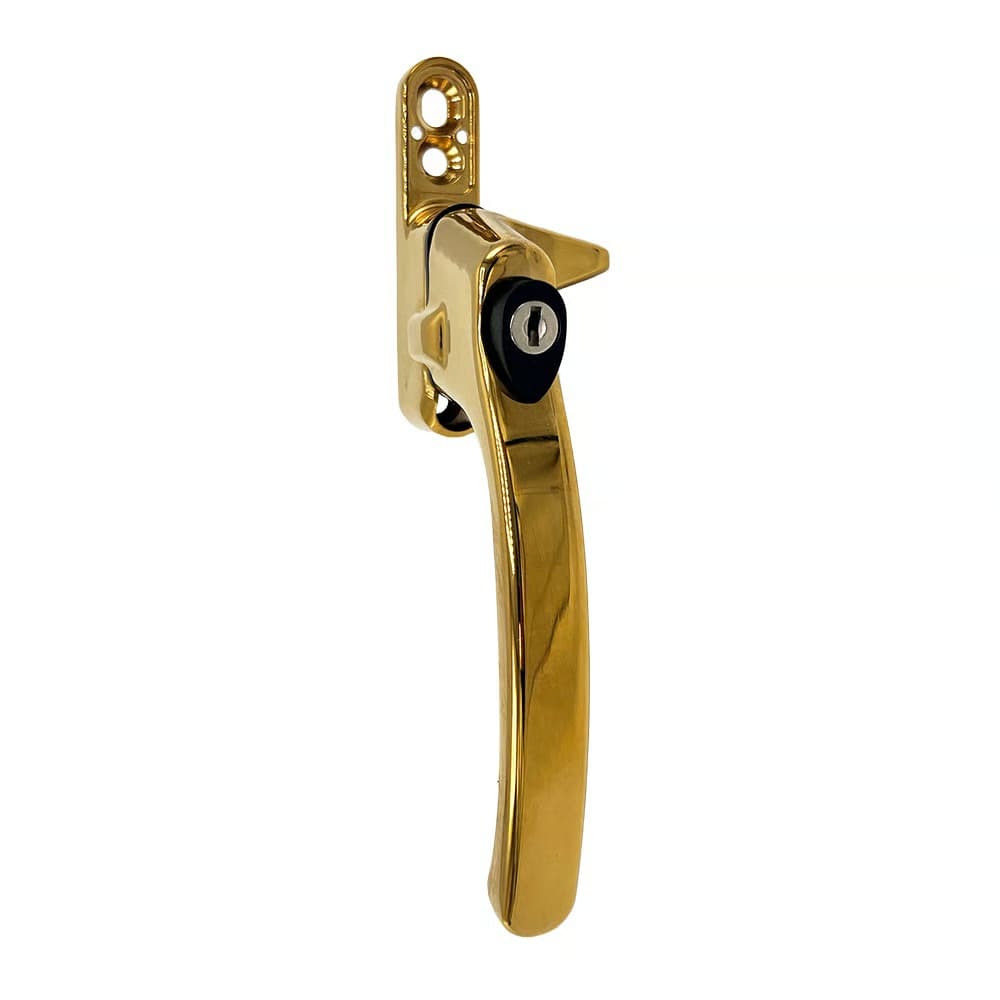
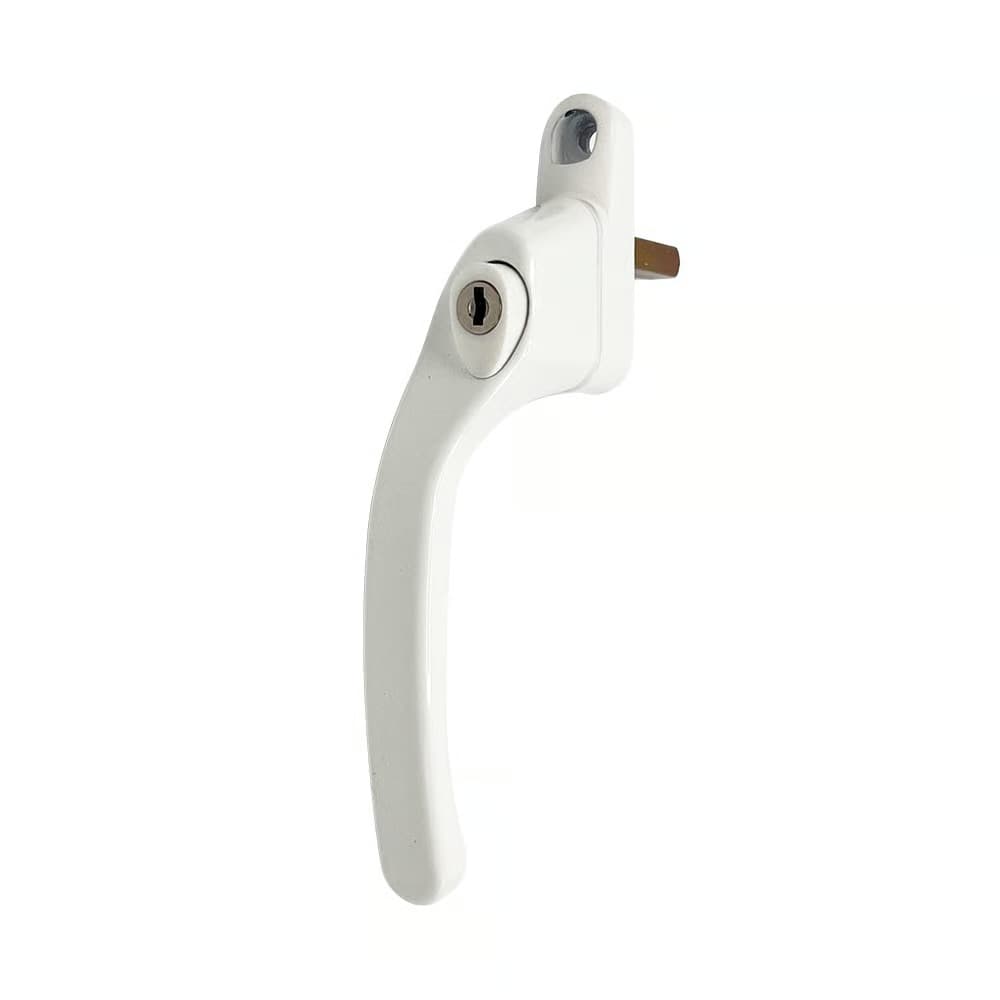
- Cockspur handles engage a hooked or bolt-like arm that presses against the frame; an example is the TSS Cockspur Window Handle.
- Lever-operated locks and certain reinforced designs are available from fitted brands like the TSS Offset UPVC Window Handles.
Signs the mechanism also needs replacing
Replacing just the grip will not fix problems originating in the lock mechanism. Look for these signs:
- Difficulty operating the handle: stiff movement, catching mid-stroke, or a handle that moves with no engagement usually indicates worn gears, a broken espag rod, or a snapped gearbox.
- Poor locking engagement: if the handle turns but the window does not fully engage into the frame keeps, the locking hooks or cams may be damaged or worn.
- Visible damage or corrosion: rusted components, bent rods, or fractured gearbox housings should be replaced rather than repaired.
- Excessive play or wobble in the handle spindle: this can signify stripped splines or a failing internal mechanism.
- Window draughts or poor sealing after handle replacement: the mechanism may no longer pull the sash tightly into the frame.
- Recurrent failures soon after replacement: a failing mechanism will quickly damage a new handle if not addressed.
Practical diagnostic checks
A quick set of checks will clarify if the mechanism must be replaced:
1. Operate the handle slowly and note resistance, noises (grinding or clicking), and whether the locking points move simultaneously. 2. Remove the handle to inspect the spindle and backplate for shearing, stripped splines or loose fixings. 3. With the handle removed, gently operate the mechanism (where accessible) to check for play or broken parts in the espag or gearbox. 4. Check the faceplate and keeps on the frame; misaligned keeps can mimic mechanism failure and may only need adjustment. 5. Measure the espag rod length and gearbox centres if planning a like-for-like replacement; mismatches cause fit and operation problems.
These steps allow tradespeople and competent DIYers to decide between a simple handle swap and a full mechanism replacement.
When to replace rather than repair
Replace the mechanism in these situations:
- The espag rod is snapped or the gearbox is cracked.
- Multiple locking points no longer engage or hooks are broken.
- Internal gears are stripped or the mechanism consistently slips.
- Corrosion has compromised metal parts or prevented lubrication from restoring smooth operation.
- Security upgrades are required (e.g., upgrading from a basic cockspur to a multi-point mechanism) where a handle alone will not improve safety.
Selecting the correct replacement parts
Choose replacements that match the window type and meet security standards:
- Match mechanism type (espag, cockspur, espagnolette multi-point) and ensure the gearbox centre and rod length correspond to the sash dimensions.
- Select handles with an integrated lock if higher security is desired; ensure the keyed position aligns with the mechanism.
- For trade work, stock common sizes and keep measurement tools (digital calliper, tape measure) to verify centre distances and backset.
- Choose corrosion-resistant finishes for coastal properties and durable materials such as reinforced plastics or metal alloys.
Installation tips and best practices
- Turn off any laminated blinds or nearby glazing protection before working to avoid damage.
- When replacing a mechanism, remove the sash if necessary to gain full access and avoid strain on fixings.
- Use a torque-controlled screwdriver to avoid stripping screws; replace suspect fixings with stainless steel alternatives.
- Apply suitable grease to moving parts and avoid over-greasing which can attract debris.
- After installation, check the window for smooth operation through the full stroke and confirm all locking points engage correctly.
- Record the replacement details (part numbers, measurements) for future maintenance or warranty claims.
Security and maintenance considerations
A new handle without addressing a weak mechanism provides false security. Combining a lockable handle with a robust mechanism and well-aligned keeps delivers the intended protection. Regular maintenance—cleaning, lubrication, and checking screw tightness—prolongs service life and reduces return visits for tradespeople.
For specified replacement handles and compatible products, consider reliable choices such as the TSS Cockspur Window Handles, TSS Cockspur Window Handle, and TSS Offset UPVC Window Handles. These options cover common styles and security levels.
Comprehensive guidance on handle selection, measurement and installation is available in the linked resources. Refer to the full Window Handles Guide for detailed specifications and measuring checklists.