Window Handles
Window Handles with Locks: Which Windows Can Be Upgraded?
Window handles with locks are a straightforward security upgrade for many types of windows, offering extra protection and peace of mind without the need fo...
Window Hardware Store Team
25 March 2026
6 min read
Window handles with locks are a straightforward security upgrade for many types of windows, offering extra protection and peace of mind without the need for full-frame replacement. This article explains which window styles can be upgraded, what to consider before fitting locks, and practical installation and maintenance advice for homeowners and tradespeople.
Which window types can accept handles with locks
Most modern windows can be fitted with locking handles, but compatibility depends on the window's hardware type, profile, and age.
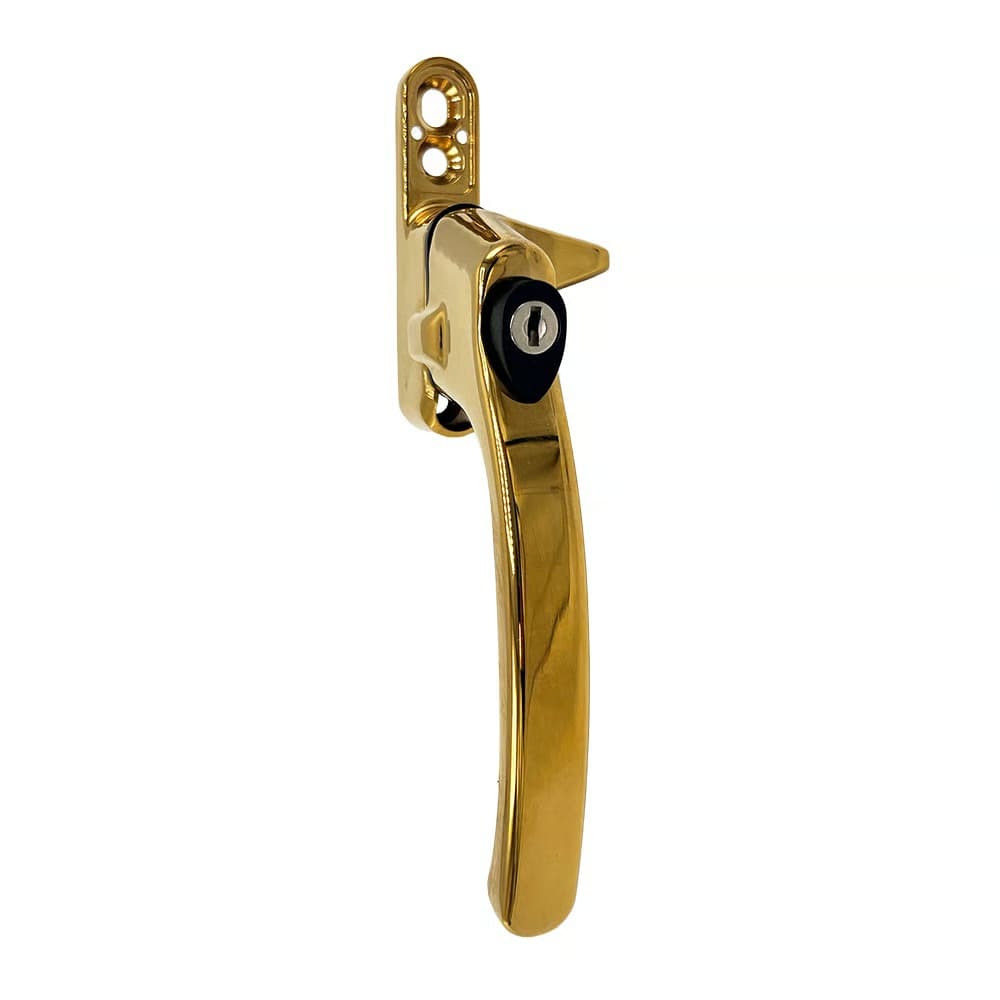
- uPVC casement windows: These commonly use espagnolette or multipoint mechanisms and are ideal candidates for locking handles. Many espagnolette systems accept a replacement handle that incorporates a lock cylinder for added security. The TSS Cockspur Window Handles is designed for these situations, fitting standard spindle sizes and faceplate footprints.
- Timber casement windows: Traditional timber often uses casement or espagnolette gearboxes similar to uPVC. A locking espag handle or a retrofit locking cockspur can usually be fitted, provided the screw positions align or can be adapted.
- Aluminium windows: Many aluminium frames use similar hardware to uPVC; locking espag handles or bespoke aluminium-compatible locks are available. Confirm whether the handle fixes to the adaptor or directly to the eurogroove.
- Sliding windows (sash and horizontal sliders): Sliding windows require specific lock types. Sash windows often use sash locks or key-locking sash handles; horizontal sliders use shootbolt style locks. Some sliding systems accept locking versions of standard handles.
- Tilt-and-turn windows: These frequently use multi-point espagnolette gearboxes and can be upgraded by fitting a locking handle compatible with the existing gearbox.
- Older single-point casement windows: Where the original mechanism is a simple peg or cam, a retrofit cockspur handle like the TSS Cockspur Window Handle can provide a lockable option with minimal modification.
Assessing compatibility before purchase
A proper assessment prevents wasted time and avoids damage to frames.
- Identify the gearbox type: Espag, casement gearbox, or simple cam/peg. The handle must match the mechanism or have an adaptor available.
- Measure spindle length and shape: Common spindles are 7mm square; measure from the handle face to the end to ensure correct engagement. Adjustable-length spindles are available for uneven thicknesses.
- Check screw centres: Replacement handles must align with existing fixing holes. Take measurements or use a template.
- Consider glass and frame thickness: Some locking handles require a backset that suits the profile depth; ensure the lock cylinder won't protrude excessively or sit too far in.
- For heritage windows, confirm that adding a key-operated handle will not compromise listed building consent or heritage requirements.
Types of locking window handles and when to use them
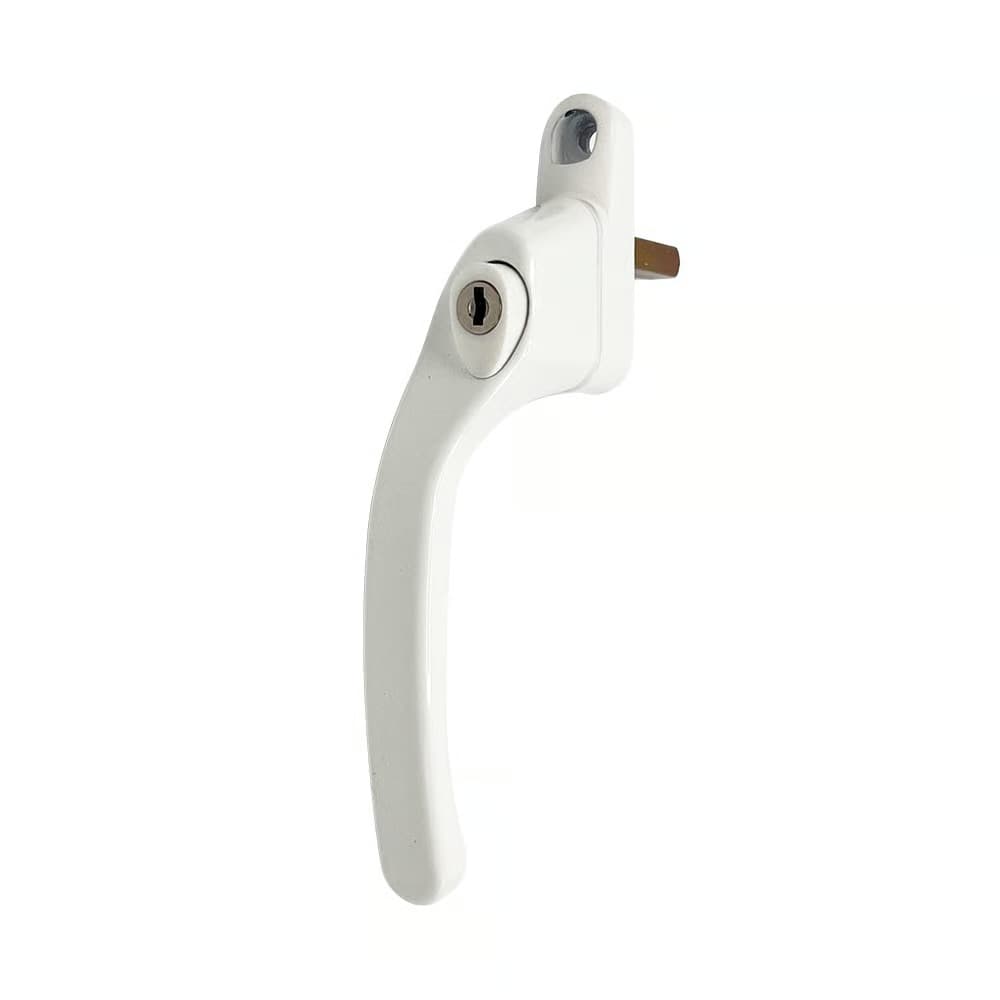
- Espag (espagnolette) handles: Best for modern casement and tilt-and-turn windows with a multi-point locking mechanism. They operate the espag gear via a spindle and can include a key or push-button lock.
- Cockspur handles: Suitable for older casement windows with hook or spindle mechanisms where minimal alteration is preferred. The TSS cockspur model offers a lockable option while retaining vintage aesthetics.
- Key-locking handles: Provide a secure method for preventing unauthorised opening from inside and outside; ideal near ground-floor access or for properties with young children.
- Push-button handles: Convenient for everyday use; they lock with a button rather than a key. They offer quick locking but are generally less secure than keyed variants.
- Sash locks and shootbolts: For sliding windows, use sash locks that engage into keeps or shootbolts that lock into the frame.
Practical installation advice for tradespeople and capable homeowners
- Prepare appropriate tools: screwdriver set, drill with appropriate bits, chisel for minor adjustments, measuring tape, and masking tape to protect frames.
- Remove the old handle carefully: Support the inner mechanism to avoid stressing the window gearbox. Retain any fixings that are undamaged.
- Trial-fit the new handle: Before drilling, position the handle over the existing screw holes and test spindle engagement. Use the masking tape to mark screw centres.
- Adapt where necessary: If screw centres do not match, use a compatible backplate or adapter to bridge differences. For espag gearboxes, spindles can be shortened or replaced with the correct length to ensure smooth operation.
- Weatherproofing and aesthetics: Avoid over-tightening fixings, which can distort uPVC and aluminium. If a cylinder protrudes, fit an escutcheon or cylinder cover to protect against the elements and tampering.
- Ensure safe operation: After fitting, cycle the handle and check that the window locks securely at all points. Confirm there is no binding that could stress the gearbox.
Security considerations and standards
- Choose handles with recognised security ratings where possible. A handle combining a robust lock and a strong spindle reduces the risk of forced entry.
- For additional security, pair locking handles with high-quality multipoint locking gear, hinge-side bolts, or reinforcement plates.
- Products from reputable brands such as Yale offer tested locking mechanisms; the TSS Offset UPVC Window Handles is an example of a handle designed to meet modern security expectations.
- Child safety: Locking handles also function as a child-safety measure. Consider fitting key-operated handles on windows in rooms where children play or sleep.
- Insurance requirements: Some home insurance policies require specific locks on accessible windows. Check policy wording before fitting to ensure compliance.
Maintenance and troubleshooting
- Regular lubrication: Apply a light spray of a dry lubricant to the spindle and moving parts annually to maintain smooth operation.
- Tighten fixings: Check screws periodically; uPVC and aluminium can flex, causing screws to loosen over time. Use threadlocker where appropriate to reduce recurring loosening.
- Replace worn components: Signs of wear include play in the handle, failure to lock fully, or difficulty operating the gearbox. Replacing the handle promptly prevents damage to the window mechanism.
- Cylinder issues: If the key becomes stiff, remove the cylinder and apply a graphite-based lubricant—avoid oil-based products that attract dust.
Final selection checklist
- Confirm gearbox type and spindle dimensions.
- Measure screw centres and frame depth.
- Choose a handle type suited to the window style: espag for modern casements, cockspur for older frames, sash locks for sliders.
- Select a product with appropriate security credentials and consider brand reputation.
- Plan for maintenance access and weather protection for external cylinders.
windowwindow handlesupvc