Best Door Handles for uPVC Doors: Buying Guide 2026
Introduction Choosing the right door handle for uPVC doors affects security, durability and user experience. Whether you are a tradesperson fitting multiple properties or a DIY enthusiast upgrading a ...
Introduction
Choosing the right door handle for uPVC doors affects security, durability and user experience. Whether you are a tradesperson fitting multiple properties or a DIY enthusiast upgrading a single home, understanding the differences between styles, materials and mechanisms will save time and reduce call-backs. This buying guide explains what to look for when selecting a door handle for uPVC doors in 2026: from fixing centres to spindle lengths; from corrosion resistance to compliance with building regulations.
Types of door handle for uPVC doors
Not all door handle designs are suitable for uPVC doors. Consider the following common types and their typical uses:
- Lever handle on rose: popular for modern designs; easy to replace and suitable for internal and external uPVC doors.
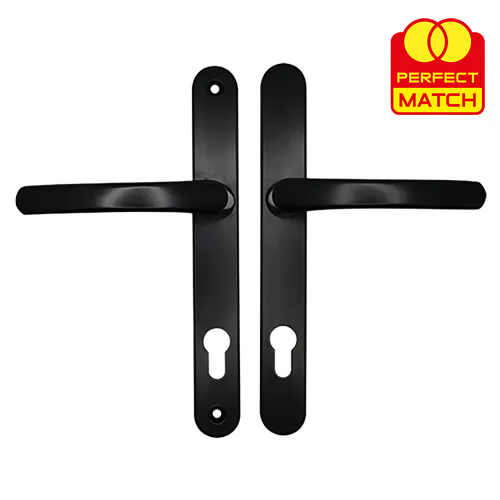
- Lever handle on backplate: offers a keyway on the plate; common on entrance doors where a euro cylinder is fitted.
- Pad or pull handle: used on sliding or stable uPVC doors where a traditional lever is not practical.
- Monobloc or inline latch handle: integrates the latch operation into the handle; often used in simple external doors.
- Tubular pull and espagnolette handle: used with multipoint locking systems; trade installers often specify handle sets compatible with the lockcase.
When specifying a door handle, confirm whether the handle set is handed or reversible and compatible with the existing spindle and lock type.
Key technical considerations
Tradespeople must measure and confirm technical details before ordering a door handle:
- Fixing centres: common centres are 92mm and 70mm; measure the screw spacing on the existing handle or the lock case centre to avoid drilling new holes.
- Spindle length and size: standard square spindles are 8mm or 7mm; cut or replace spindles to match the new handle if necessary.
- Backset and follower: ensure the handle aligns with the lock follower and backset; mismatches prevent operation.
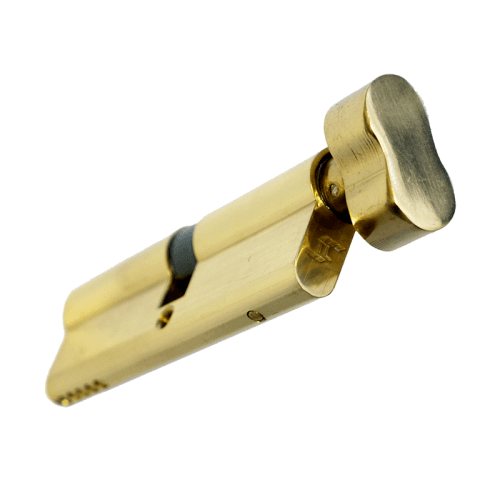
- Euro cylinder compatibility: for external uPVC doors fitted with euro cylinders, check whether the door handle allows for thumbturns or works with cylinder guards.
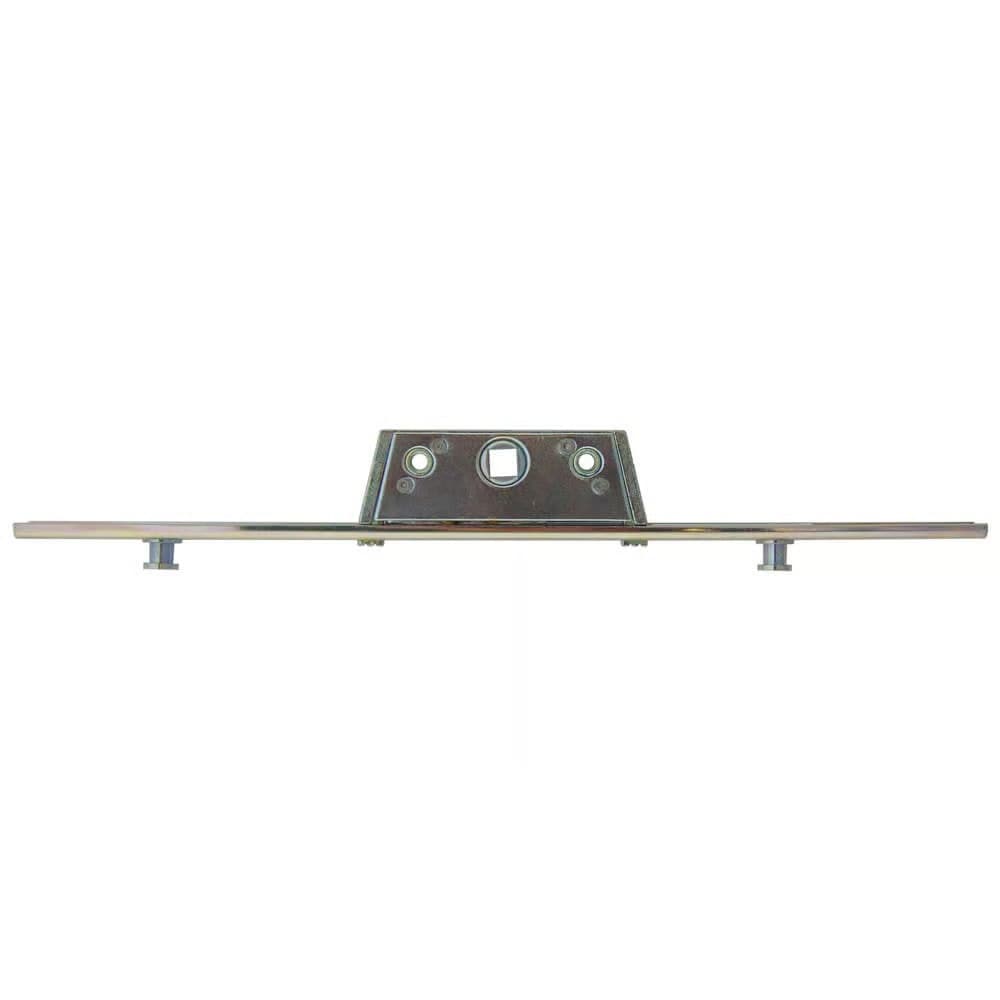
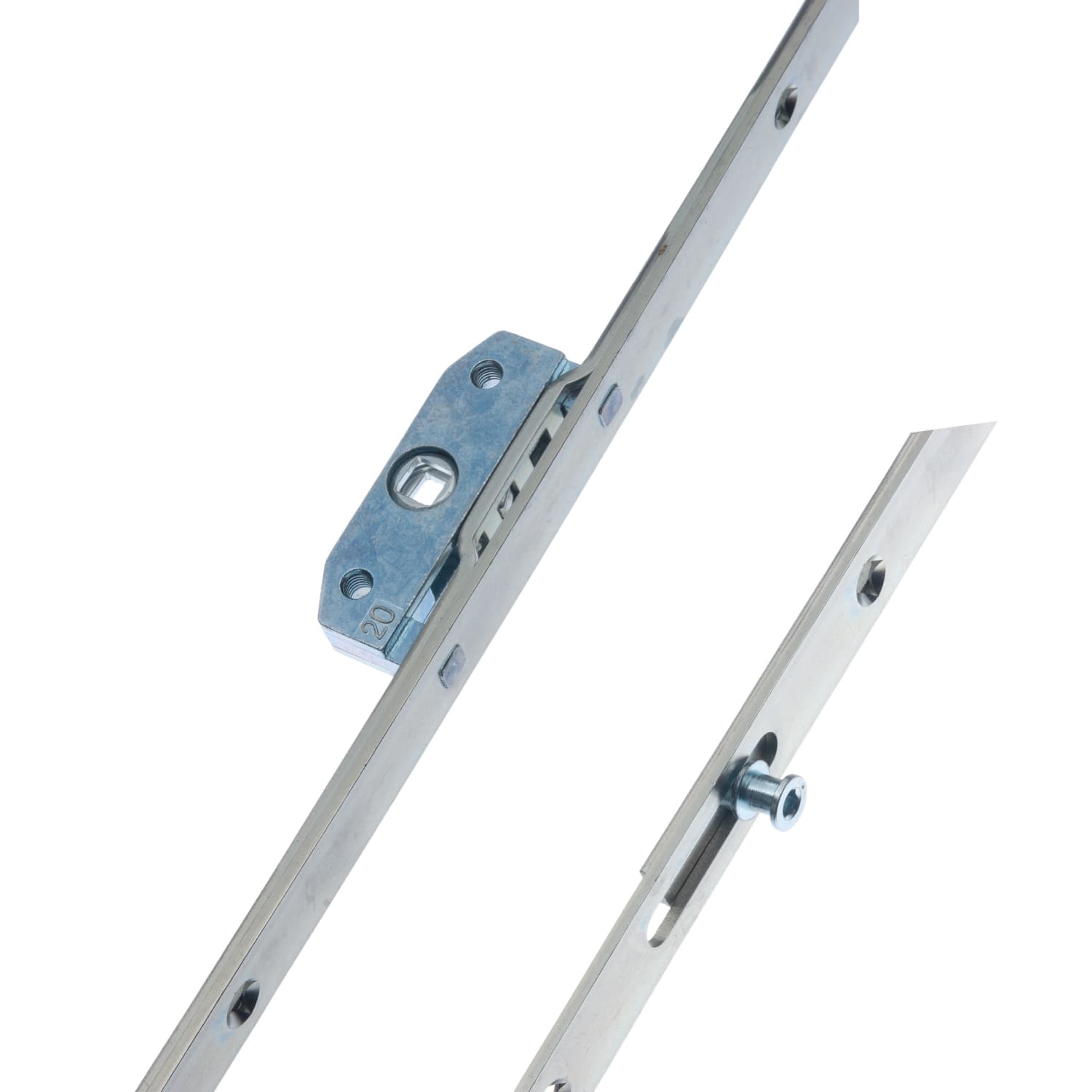
- Multipoint locking: for multipoint locks, specify a handle designed to operate the gearbox; some handles include a gearbox adapter for reliable engagement.
Materials, finishes and durability
Material choice affects longevity and appearance. For uPVC doors, corrosion resistance and durability are paramount:
- Aluminium: light and corrosion resistant; often powder coated or anodised for extra protection.
- Stainless steel: durable and low maintenance; ideal for coastal installations where salt spray is a concern.
- Zamak and die-cast alloys: cost-effective and available in many finishes; choose quality brands that use anti-corrosion coatings.
- Brass: traditional look; typically supplied with plated finishes rather than solid brass for external uPVC doors.
- Finishes: satin chrome, polished chrome, black, white and bronze are common; ensure the finish is suitable for external exposure and matches the door's aesthetics.
For trade applications, specify handles with a tested corrosion rating and a manufacturer's warranty to reduce warranty claims.
Security and standards
Security remains a primary concern for entrance-grade uPVC doors. When selecting a door handle, consider the following:
- Anti-snap and anti-drill features: where handles incorporate cylinder protection, they reduce the risk of common attacks.
- TS007 compatibility: check whether the handle set contributes to an overall locking solution that meets TS007 or PAS24 requirements.
- Return-to-door and dog-bolt fixings: trade installers should use dog-bolts or reinforced fixings where possible to prevent lever attack.
- Grip and ergonomics: a secure grip helps users operate multipoint locks properly; consider DDA compliance where relevant.
Always assess the handle as part of the complete door system: lockcase, cylinder, keeps and hinges all affect security outcomes.
Installation tips for tradespeople and DIYers
Correct installation reduces noise, wear and the need for rework. Follow these practical steps when fitting a door handle to a uPVC door:
- Measure twice: confirm spindle size, fixing centres and backset before ordering the door handle.
- Turn off any weather seals where necessary and support the door to avoid stress on the frame when removing the old handle.
- Use the correct spindle length; trim only what is required so the spindle fully engages the gearbox.
- Apply threadlocker to fixings where appropriate for a long-term installation; avoid overtightening to prevent cracking of uPVC.
- Check operation through the full travel of the handle and the multipoint lock engagement; adjust keeps and keeps plates to prevent binding.
- Seal around external fixings to prevent water ingress and use corrosion-resistant screws for coastal environments.
Buying guidance and specification checklist
To make procurement straightforward, use this quick checklist when ordering a door handle for uPVC doors:
- Confirm handle type: lever on rose, lever on backplate, pad-pull, etc.
- Measure fixing centres and spindle size.
- Confirm compatibility with euro cylinders and multipoint locks.
- Choose material and finish suitable for the environment.
- Check security features and relevant standards.
- Order spares: matching screws, spindles and dog-bolts to avoid site delays.
Recommended Products
Based on this article, you may find these products helpful:
- TL Thumb Turn Euro Cylinder
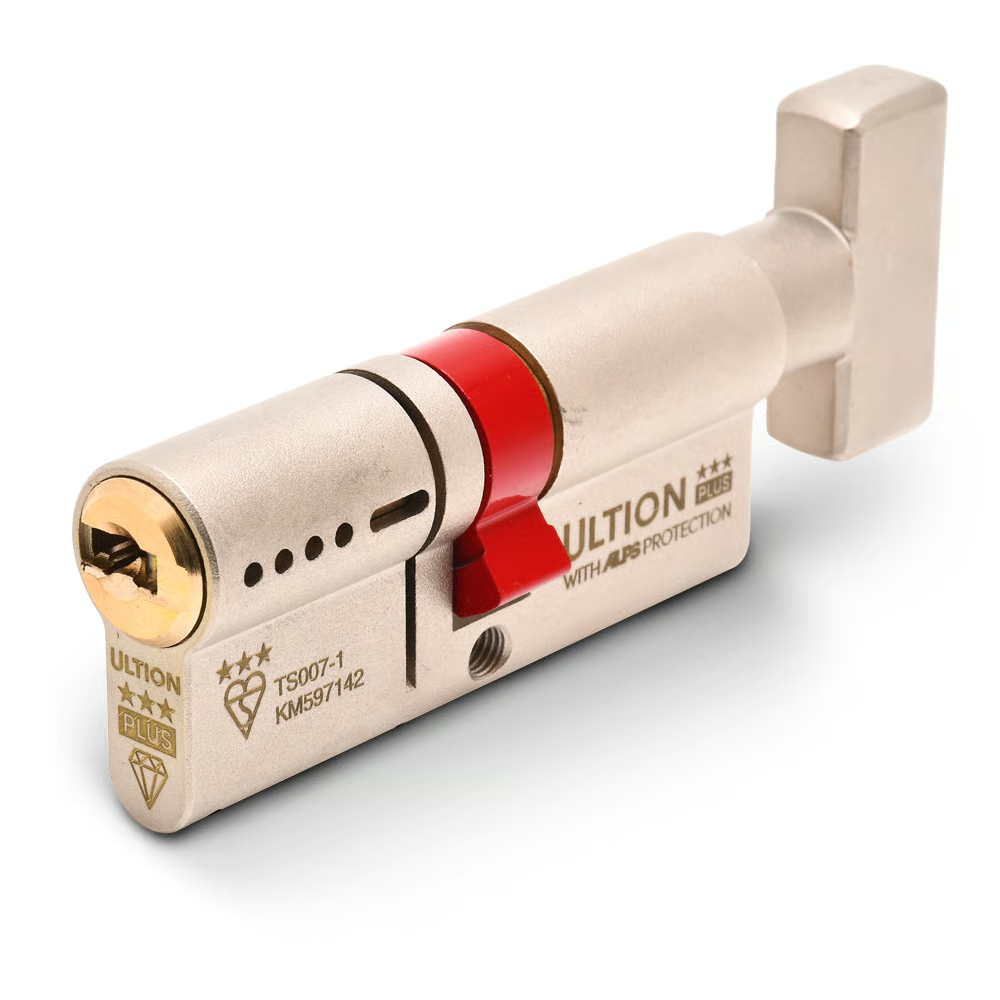
- Ultion Plus TS007 3* Kitemarked Euro Key & Turn Cylinder
- ERAB Espagnolette Window Lock Universal Lock Replacement
- Avocet Slimline Offset Window Espag
- TSS Door Handle Lever
Conclusion
Selecting the right door handle for uPVC doors is about matching technical requirements with durability and security. For trade professionals, a clear specification reduces installation time and call-backs; for DIYers, careful measurement and a quality handle ensure a long-lasting finish. Use the checklist in this guide, prioritise corrosion resistance and lock compatibility, and remember that the door handle is part of a complete locking system rather than a standalone component.
For further information and product recommendations, visit our pillar page on door handles at /guides/door-handles where you will find detailed specifications and fitment guides for trade and DIY projects.
Part of our guide:
Complete Guide to Door Handles