Best Inline Window Handles for uPVC Windows: 2026 Picks
Choosing the right inline window handle is a common task for tradespeople and informed DIYers fitting or upgrading uPVC windows. Inline window handle options influence security, operation, aesthetics ...
Choosing the right inline window handle is a common task for tradespeople and informed DIYers fitting or upgrading uPVC windows. Inline window handle options influence security, operation, aesthetics and long-term maintenance. This guide covers the best types for 2026: what to specify, how to measure and fit, plus practical tips for selecting finishes and lockability. Read on for trade-focused advice that remains accessible to homeowners.
What is an inline window handle and why it matters
An inline window handle sits in-line with the lock case on a uPVC casement or tilt-and-turn window; the spindle and handle axle are aligned with the gear case rather than offset. The inline window handle is widely used in modern profiles because it gives a slim appearance and straightforward operation. For installers, choosing the correct inline handle reduces call-backs, prevents gearbox damage and ensures the window meets expected security performance.
Key types of inline window handle: pros and cons
- Standard inline handle: Simple, cost-effective and easy to replace; suitable where aesthetics and basic security are required.
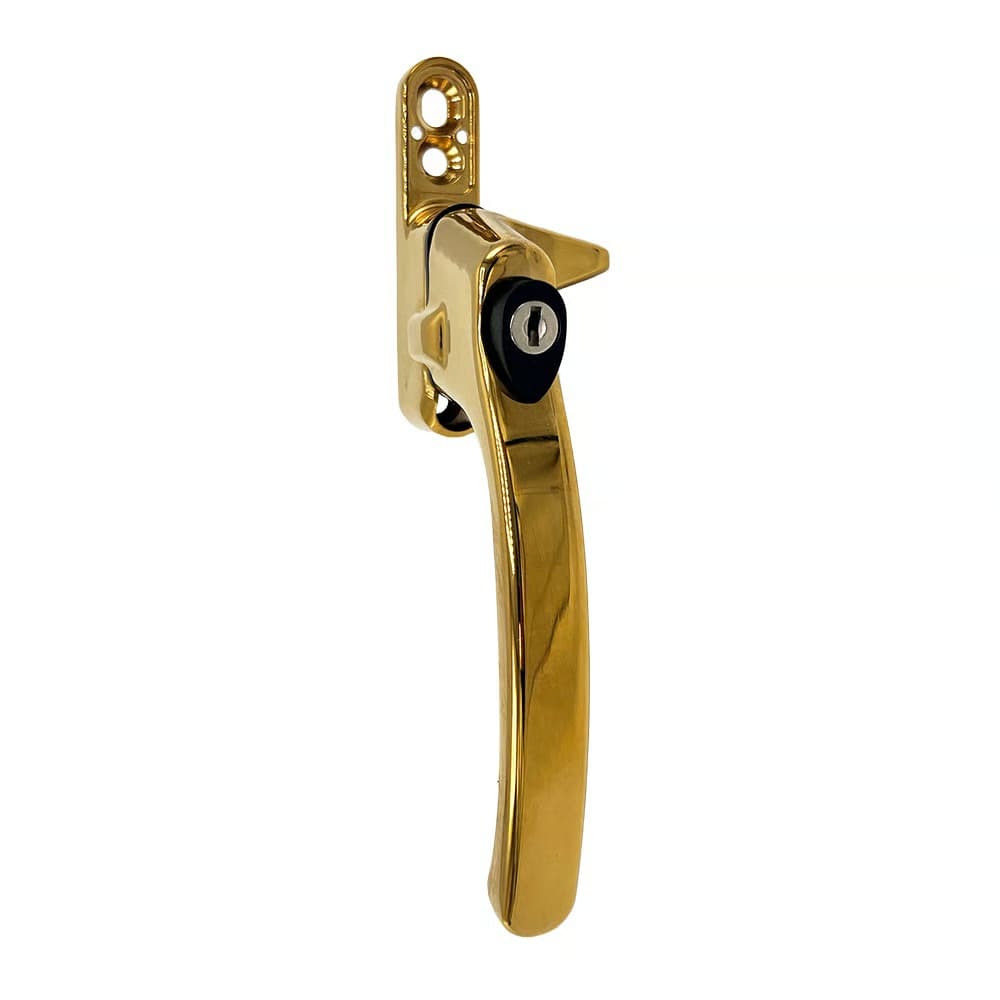
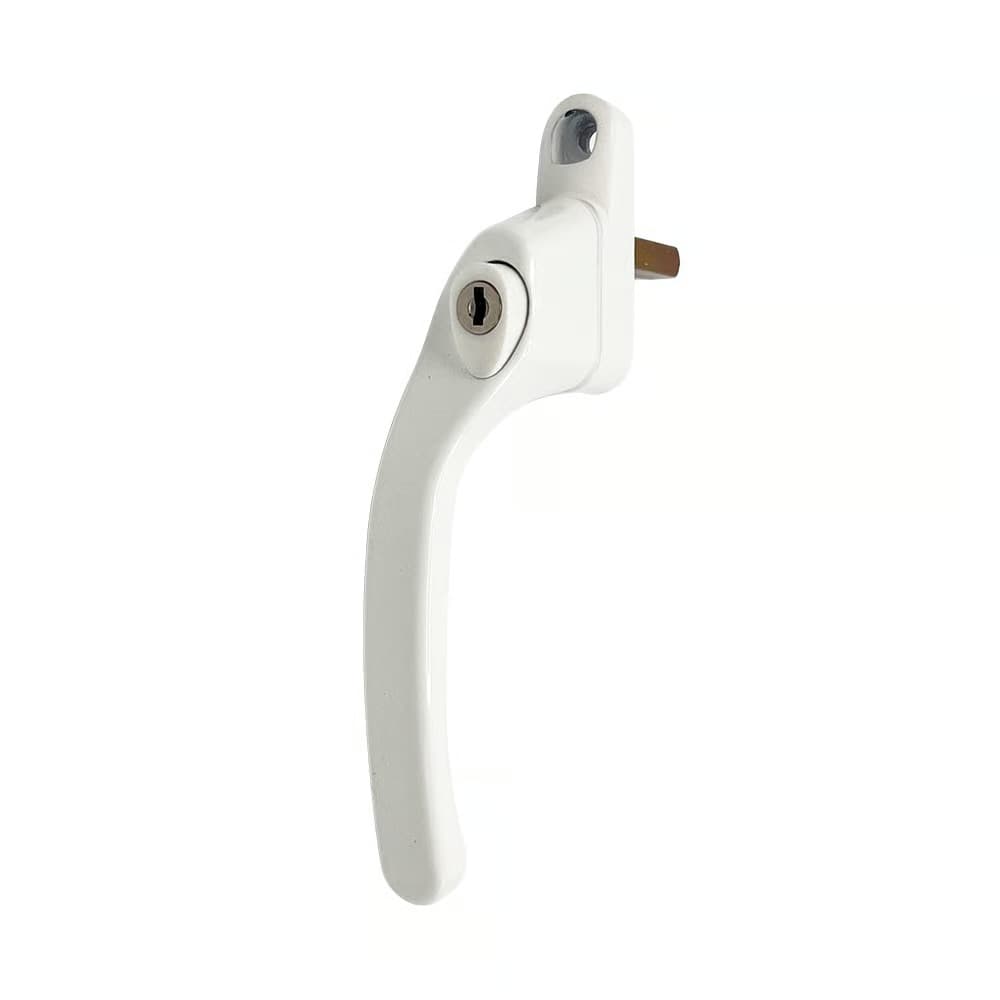
- Key-locking inline handle: Adds a cylinder and keys for enhanced security; ideal for ground-floor rooms and commercial applications.
- Child-safety or push-to-lock handles: Prevents children opening windows; useful in nurseries and schools.
- Capture-style handles: Lock on to the frame for easy maintenance and additional locking points; good for high-wind areas.
- Slimline or low-profile handles: Used on minimalist frames or where you want a flush look; check torque and gearbox compatibility.
Materials, finishes and suitability for uPVC windows
Always match handle materials and finishes to the use-case. Common choices include:
- White PVC-coated or painted aluminium: Standard on most uPVC windows; economical and blends with white frames.
- Foiled finishes: Match woodgrain or coloured foiled profiles; ensure you choose handles rated for that coating finish.
- Stainless steel or black powder-coated: Durable and contemporary; preferred on commercial or high-traffic installations.
- Polished chrome and brass effects: Used for period properties or high-end upgrades; check for corrosion resistance.
For trade purchasers: specify finishes that are stocked locally to reduce lead times. If you fit inline window handles in coastal locations, insist on stainless steel or marine-grade finishes to avoid corrosion.
Compatibility: sizing, spindle and gearbox considerations
Specifying the wrong inline window handle is a common cause of returns. Check these elements on-site before ordering:
- Spindle length and thickness: Most inline handles use 7mm square spindles; measure from face of handle to centre of gearbox to confirm length.
- Fixing screw centres: Typical centres are 43mm or 70mm; measure the distance between screw holes on the profile.
- Gearbox type and backset: Some handles are only compatible with specific gearbox designs; confirm the gearbox manufacturer where possible.
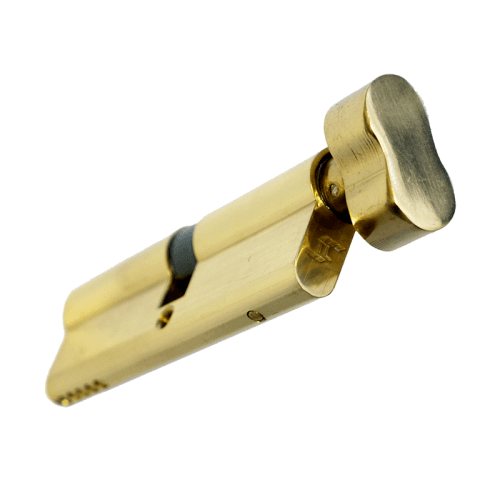
- Lock cylinder compatibility: For key-locking inline handles you must match cylinder size and cam direction to the lock case.
- Profile and flange depth: Check if the handle’s rose will sit flush on the frame; some slimline handles require narrow rabbets.
Step-by-step guide to fitting an inline window handle
- Prepare the frame: Open the sash and support it so the handle area is easily accessible. Note the spindle orientation.
- Remove old handle: Unscrew fixings and withdraw the spindle; retain screws for reference if new handle matches centres.
- Check gearbox and spindle: Ensure gearbox operates smoothly and the spindle is free from corrosion; replace gearbox if worn.
- Fit new handle: Insert the spindle, line up screw holes and tighten screws alternately to avoid distortion. Do not overtighten; torque can damage uPVC.
- Test operation: Confirm full travel through all locking points and that the handle returns to the vertical or required neutral position.
- Secure cylinder if present: Fit locking cylinder and test with key for smooth engagement of the lock cam.
- Final check: Confirm handle clearance, frame sealing and that no speak or binding occurs when opening or closing.
Maintenance, troubleshooting and best practice tips
- Lubricate moving parts annually: Use a dry PTFE spray on the gearbox and a light oil on the spindle; avoid thick greases that attract dust.
- Check torque and fixings: Re-tighten handle screws after the first few months of use; thermal movement can loosen fasteners.
- Replace worn spindles rather than forcing handles: A loose fit indicates wear; replacing the spindle or gearbox avoids further damage.
- Stock ranges for trade vans: Keep common finishes, 7mm spindles and key-locking variants to reduce revisit rates.
- Security considerations: For enhanced security, specify inline window handles that are compatible with multi-point locking systems and meet recognised standards.
Choosing the best inline window handle for uPVC windows comes down to matching style, security and mechanical compatibility. Tradespeople should measure carefully, specify durable finishes for the environment and carry common variants to avoid on-site delays. For DIYers: confirm measurements and the handle type before purchase, and seek professional help if the gearbox appears worn. With the right specification and installation technique, an inline window handle will operate smoothly for years.
For more detailed product specifications, technical drawings and fitting guides, visit our guides section on window handles; our trade team can help identify the exact inline window handle to match your project requirements.
Recommended Products
Based on this article, you may find these products helpful:
Part of our guide:
Complete Guide to Window Handles