
Complete Guide to Window Handles
Learn to identify, measure and fit window handles for uPVC, aluminium and timber windows. Expert UK guide covering espag, cockspur and tilt-turn handle types.

Key Takeaways
Learn to identify, measure and fit window handles for uPVC, aluminium and timber windows. Expert UK guide covering espag, cockspur and tilt-turn handle types.
In This Guide
Complete Guide to Window Handles (uPVC, Aluminium and Timber)
Choosing the right window handles is not just a finishing touch: it affects security, weather-tightness, ease of escape in an emergency, day-to-day comfort, and whether your window locks and seals properly. In UK homes and commercial buildings you will most commonly encounter uPVC casement windows with multi-point locks, but aluminium and timber systems use many of the same handle types, fixing patterns, and measurement standards. This definitive guide explains what window handles are called, the different types of window handles, how to identify your existing handle, how to measure for replacement, and how to fit a handle on a window step-by-step. It also covers compatibility questions such as “Are window handles universal for uPVC?” and practical trade advice on snag-free fitting, spindle length, and dealing with worn gearboxes.
You will also find clear opportunities to go deeper via our supporting guides:
Quick answer: how do I know which window handle I need?
In most UK uPVC casement windows, you need an espagnolette (espag) handle. To be confident, check four things:
If you measure those correctly, you can buy replacement window handles with confidence.
Understanding window handles: what they do and why they matter
How window handles work with modern locks
Most modern casement windows use a multi-point locking mechanism. When you lift/turn the handle, the spindle drives a gearbox and moves locking points (mushroom cams, rollers, or hooks) around the sash.A handle that is slightly wrong can cause:
Key UK considerations: security and compliance
In the UK, security and safety expectations commonly include:If you work in the trade, it is good practice to check customer requirements for:
What are window handles called? Common UK terms explained
“Window handles” is the umbrella term. Within that, you will see these names used in the UK hardware market:
In everyday use, many customers call any casement handle an “espag” even when it is inline, offset, locking, or non-locking. That is normal. The measurements and fixing pattern are what confirm the correct replacement.
Types of window handles: which is right for uPVC, aluminium, and timber?
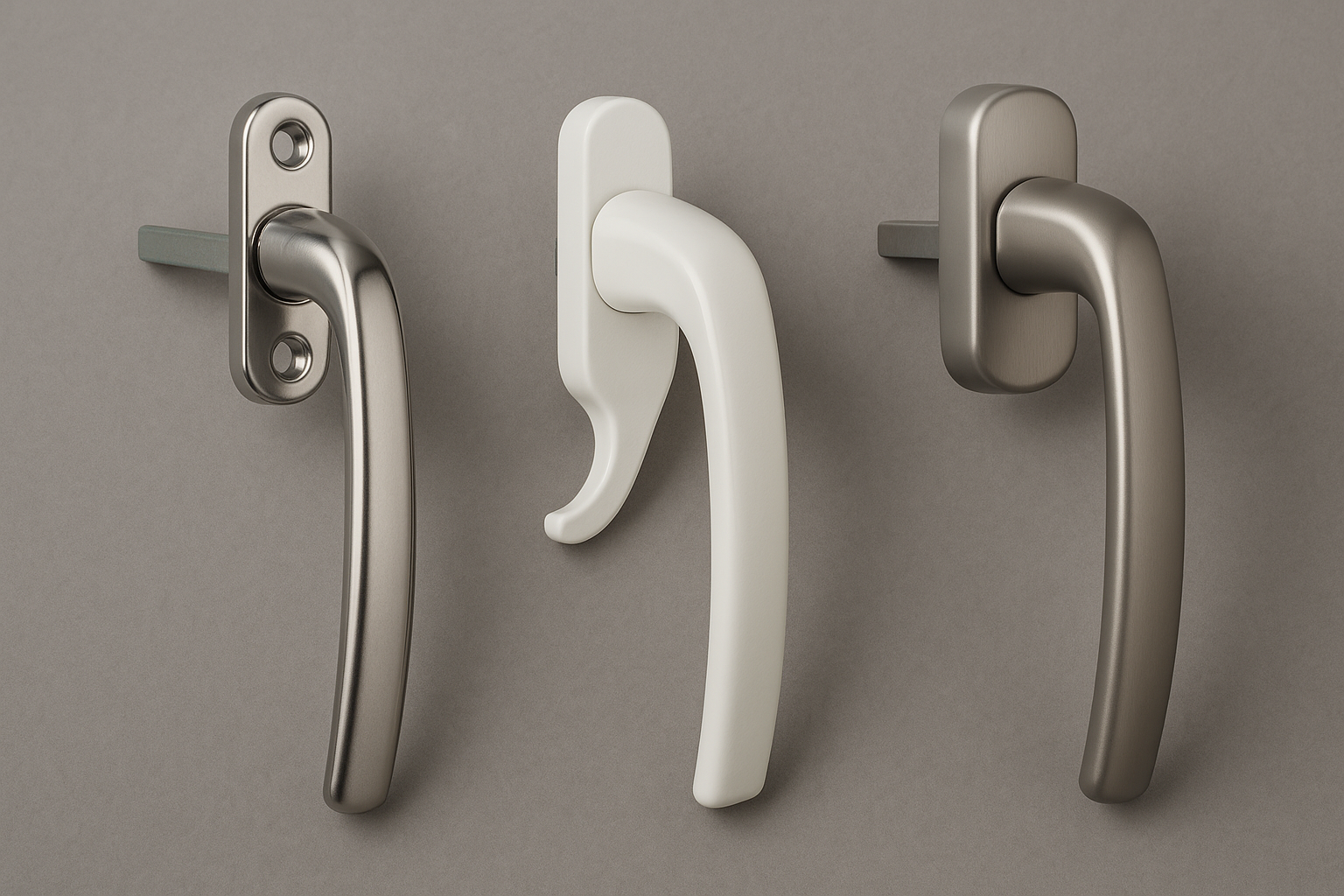
Espagnolette window handles (most common for uPVC casement)
Best for: uPVC casement windows (also used on some aluminium and timber casements with espag locks)How to recognise:
Typical measurements:
Variants:
Ready to find the right handle? Browse our Window Handles range.
Inline window handles (non-handed espag handles)
Best for: casements where you want one handle that suits left or right opening sashes, or where you want a symmetrical look across a property
How to recognise:
Why choose inline:
For more identification tips and pros and cons, see ERA Universal Inline Window Handle.
Cockspur window handles (common on older uPVC and aluminium)
Best for: older casements without espag gearboxes
How to recognise:
Key measurements:
Cockspur handles can be straightforward to replace if you measure step height correctly and match the wedge position.
Tilt and turn window handles (common on modern aluminium and uPVC)
Best for: tilt-and-turn systems in flats, high-rise, and contemporary builds
How to recognise:
Tilt and turn replacements are more system-specific than espag. If you are unsure, remove and match carefully or consult the window fabricator.
Sash window handles and fasteners (timber and heritage)
Best for: vertical sliding sash windows
How to recognise:
Sash hardware is its own category; measure hole centres and match the existing style for heritage consistency.
People also ask: definitive answers (UK)
How do I know which window handle I need?
Identify the handle type first (espag, inline espag, cockspur, tilt and turn, sash). Then measure:Can you replace uPVC window handles?
Yes. Replacing uPVC window handles is usually a simple DIY or trade job:Are window handles a standard size?
Some aspects are standardised, others are not:So, there is a “common standard” for the most popular type (espag), but you should always measure.
How to measure for a new window handle?
Measure based on handle type:
Step-by-step measuring is covered in detail below.
Are window handles universal for uPVC?
Not fully. Many uPVC casements use espag handles with 43 mm centres and 7 mm spindle, which feels universal, but there are exceptions:
Measure first, then buy.
What is the standard size of handles?
If you mean the most common specification in UK homes:
There is no single standard spindle length.
How to fit a handle on a window?
For espag handles, fitting is usually:
Full step-by-step instructions are provided later with trade tips.
How do I identify my uPVC window handles?
Most uPVC windows use:
Use the visual identification diagrams below, then measure to confirm.
Visual identification: which window handle do you have?
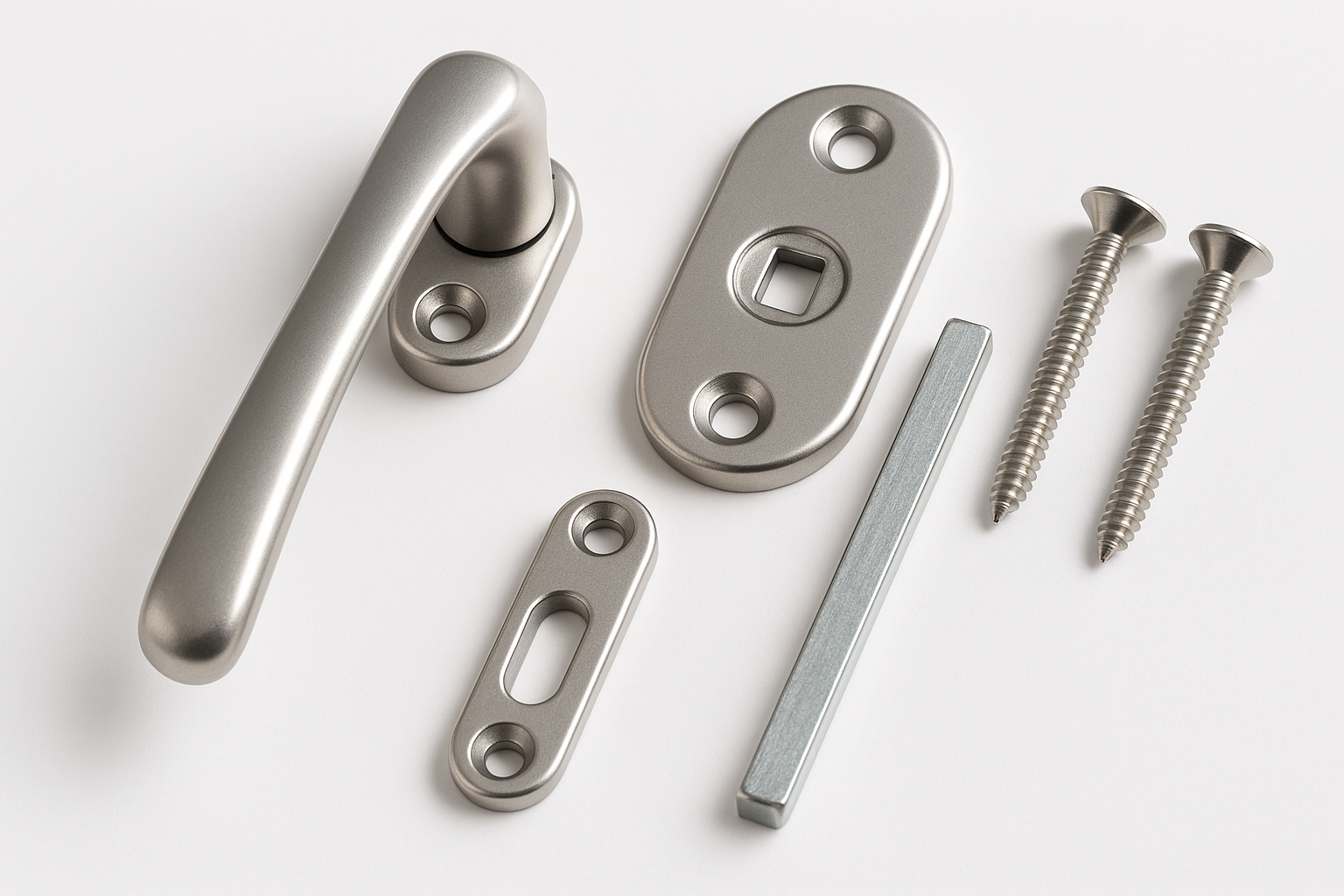
Use these quick “diagram descriptions” to match your hardware.
Diagram 1: Espagnolette (espag) handle (side view)
Imagine looking at the handle from the side:If you see a spindle: it is almost certainly an espag (or tilt and turn) style handle. Shop Espag Handles →
Diagram 2: Cockspur handle (side view)
From the side:If you see a spur and a wedge: it is a cockspur. Shop Cockspur Handles →
Diagram 3: Inline vs offset espag (front view)
Looking at the handle from the front:If you are replacing like-for-like, match what is already fitted unless you have a reason to switch. Shop Inline Handles →
Measuring window handles: step-by-step (the part that prevents wrong orders)
Correct measuring is the difference between an easy swap and a frustrating return. Use a tape measure or, ideally, Vernier calipers for accuracy.
Tools you will need
Measuring espagnolette window handles (uPVC, aluminium and some timber casements)
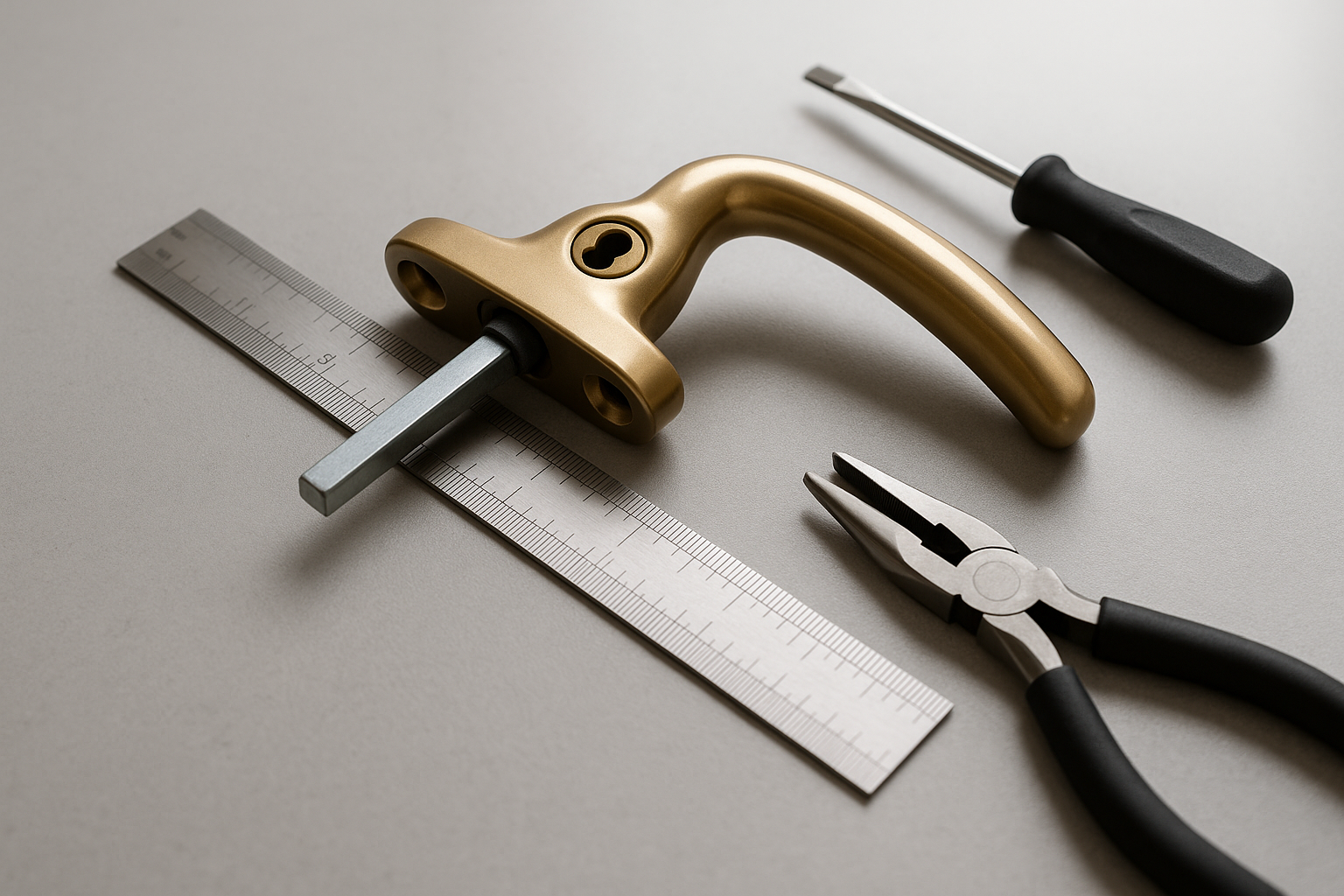
1) Measure fixing centres (screw hole distance)
Fixing centres means the distance between the centres of the two fixing screws.How to measure:
Common UK size: 43 mm (very common for espag window handles).
Trade tip: If you cannot access the centre accurately, measure edge-to-edge between screws and add one screw diameter; or remove one screw and measure from its centreline.
2) Measure spindle length (critical)
The spindle length is the part of the square bar that projects from the back of the handle into the lock gearbox.
How to measure:
Common spindle lengths (examples you will regularly see in UK stock):
Why it matters:
Practical note: Many espag handles are available with selectable spindle lengths; some spindles can be cut down by a competent fitter, but it is better to order correctly.
3) Confirm spindle size (usually 7 mm square)
Most espag handles in the UK use a 7 mm square spindle. It is worth confirming if you are working on older or unusual systems.
How to check:
4) Decide handed vs inline (and why it matters)
Handed (offset) handles are left or right handed depending on which way the lever points when the window is closed. Inline handles suit either hand.
How to decide:
Trade tip: On some profiles, offset handles prevent your knuckles hitting the frame or trickle vent when operating the handle.
5) Check fixing screws and thread bite
Replacement handles typically use the existing holes. If the sash material is uPVC, repeated changes can strip the plastic.
Best practice:
Measuring cockspur window handles (older uPVC and aluminium)
Cockspur replacements go wrong when the step height is guessed.
1) Measure step height
Step height is the distance from:How to measure:
Common step heights vary; you must measure your existing handle.
Why it matters:
2) Measure fixing centres
Cockspur fixing centres are not as standardised. Measure the distance between screw centres as with espag.
If your new handle does not match existing holes, you may need to drill new pilot holes; consider whether the sash face will be left with visible old holes.
3) Check wedge/striker condition and position
Sometimes the handle is fine, but the wedge block is worn or mispositioned. If the spur slides off or does not clamp tightly, inspect the wedge:
Replacing or repositioning the wedge can restore proper closure.
Measuring tilt and turn window handles
Tilt and turn systems vary by manufacturer. Still, these steps help you order correctly:
1) Identify the fixing method and centres
Often the screws are hidden:2) Measure spindle length and type
Remove the handle and measure spindle length. Also note:If you are unsure, take clear photos of:
Choosing window handles: key features that affect performance
Security: locking vs non-locking window handles
For accessible windows, key-locking window handles are a common upgrade. They help:Practical advice:
Finish and corrosion resistance (coastal and commercial environments)
Common finishes in the UK include white, black, chrome, satin, and anthracite tones. Consider:Ergonomics and clearance
Offset or cranked designs help with:If a customer complains that the handle “scrapes fingers”, it is often the wrong offset or a poorly aligned sash.
Matching across a property
Homeowners often want every window handle to match:For installers, this is where standardising on inline window handles can reduce callbacks and simplify spares.
How to fit a handle on a window: step-by-step (espag handles)
This is the most common UK replacement job for window handles.
What you need
Step-by-step fitting instructions
Troubleshooting after fitting
For preventative care, browse Tools and Accessories for suitable lubricants and fitting bits.
How to fit a cockspur handle: step-by-step
If closure is loose even with correct step height, the wedge may be worn.
Maintenance: keeping window handles operating smoothly (and avoiding callouts)
Good maintenance prevents stiff operation, snapped keys, and unnecessary gearbox replacements.
Cleaning and lubrication basics
Tightening and inspection schedule
For homeowners: check annually. For landlords, facilities, and trade maintenance: consider checks at void periods or planned maintenance cycles.Look for:
For lubricants and fitting bits, see Tools and Accessories.
Buying window handles with confidence: a practical checklist
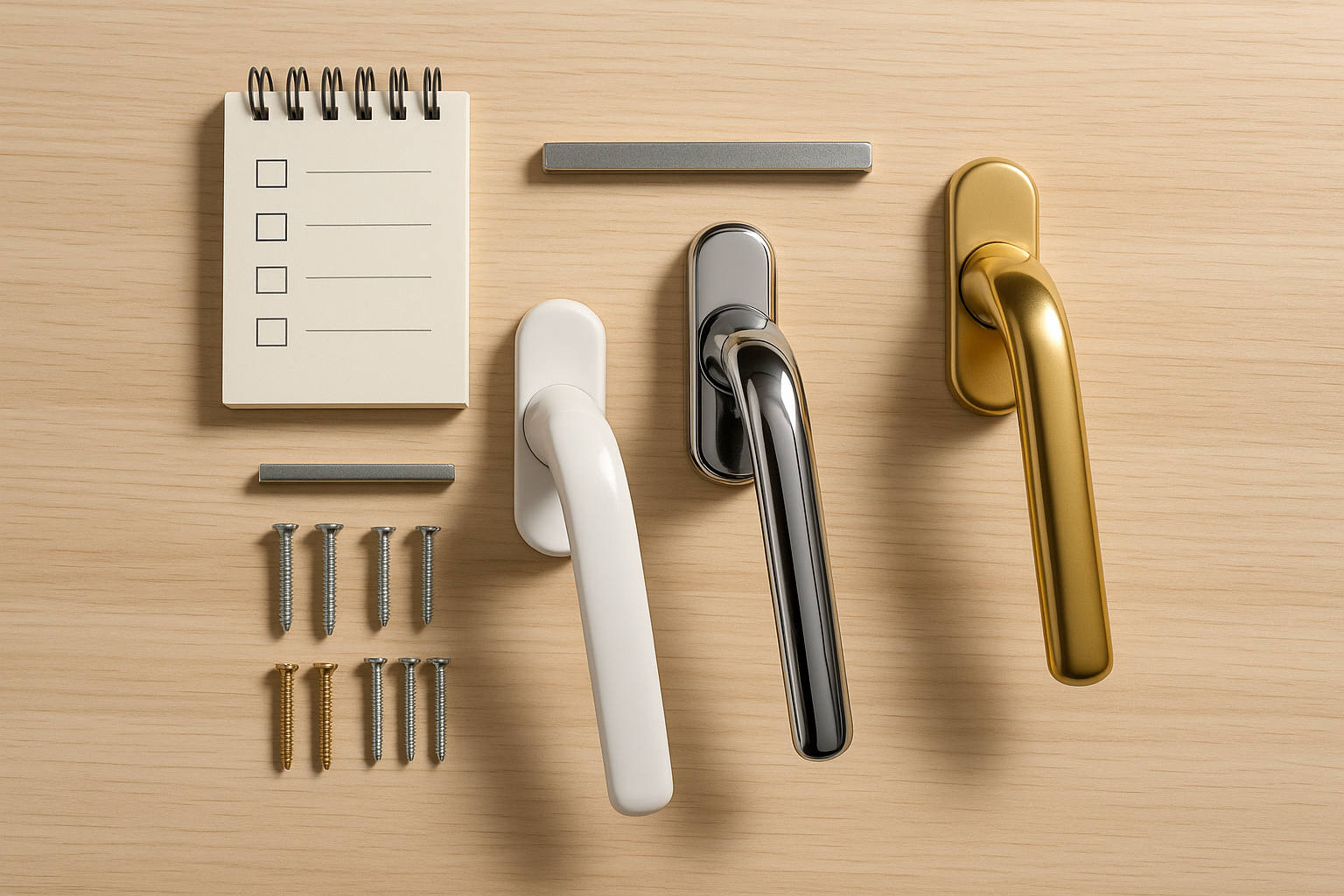
Before ordering replacement window handles, confirm:
Trade tip: If you are changing all handles on a property, standardise spindle lengths where possible to reduce mistakes, but do not assume every window uses the same spindle length even within one house.
Common problems with window handles (and what they usually mean)
Dropped handle (handle points down and will not lift/lock)
Often caused by:A new handle might not fix a dropped handle if the gearbox is worn. Diagnose before replacing multiple handles.
Stiff operation
Likely causes:Loose handle base
Usually:Fix promptly to avoid enlarging holes and causing the handle to rock and fail.
Key will not turn (locking handles)
Possible causes:Do not force it; relieve sash pressure by pulling the sash into the frame while turning the key.
uPVC vs aluminium vs timber: what changes when choosing window handles?
uPVC windows
Aluminium windows
Timber windows
Across all three, correct measuring remains the foundation.
Internal links: go deeper on the most important subtopics
To keep this guide definitive while still easy to navigate, these related resources expand on key areas:
FAQs (additional quick answers)
What are the different types of handles?
The main window handle types you will encounter in the UK are:What is the standard size of handles?
For espag window handles, the most common UK fixing centre is 43 mm, and the spindle is typically 7 mm square. Spindle length is not standard and must be measured.Are window handles universal for uPVC?
Many are widely compatible because espag standards are common, but they are not fully universal due to spindle length, handing/clearance, and older cockspur or tilt and turn systems.Summary: window handles made simple
If you remember only a few things from this guide, make them these:
Next steps
If you want, tell me what you have (a photo plus your measurements in mm), and I can help you confirm the correct category and the key sizes to order.
Additionally, for reference, you may search for related products such as replacement window handles for upvc windows, upvc window handle replacement, or window handle replacement when updating multiple windows.
Window Handles
Espag handles, cockspur handles, tilt and turn handles, window handle replacement guides, handle measuring, handle styles and finishes
Double Glazing Window Handles Replacements: Fixing a Handle That Won’t Lock
A stiff or non-locking double glazing handle is a common fault that can be resolved without replacing the whole window. This article explains practical ste...
Window Handles for Double Glazed Windows with Locks: Security Guide
Double glazed windows are a key feature of modern homes, providing thermal efficiency and noise reduction. Choosing the right window handles for double gla...
Best Offset Window Handles for Low Sill Positions
Choosing the right offset window handle is essential when you are fitting or replacing handles on low sill windows. Tradespeople and experienced DIYers know that a poorly chosen handle can make a wind...
Locking Window Handles: What They Do and When You Need Them
Locking window handles are a small but significant investment in home security, ventilation control and child safety. They combine the everyday function of...
New Window Handles: Are Universal Handles Any Good?
Choosing new window handles can be straightforward when the right practical criteria are used. Homeowners want durability, security and a good finish that...
Window Handles Replacement: A Step-by-Step Guide
Window handles replacement can be a straightforward maintenance task that improves security, operation and appearance of windows. This guide explains the c...
Window Handles and Locks: Common Sizes and Compatibility
Replacing or upgrading window handles and locks requires more than choosing a matching finish. Correct measurements, understanding mechanism types and chec...
uPVC Window Handles Replacement: Security Considerations
uPVC window handles replacement should be approached with security as the guiding principle. Handles are not merely cosmetic: they form an integral part of...
Universal Window Handles: 7mm Spindle Explained
Universal window handles with a 7mm spindle are a common and versatile solution for many UK windows. This article explains what a 7mm spindle is, why it ma...
uPVC Window Handles Replacement: Measuring Spindle Length and Centres
Replacing uPVC window handles requires accurate measurements to ensure the new hardware fits the existing lock and frame. This guide explains how to measur...
How to Fit a Window Handle on a uPVC Window
Fitting a window handle on a uPVC window is a common task for tradespeople and capable DIY enthusiasts. Whether you are replacing a broken window handle or upgrading for better security or aesthetics,...
Double Glazing Window Handle Spindle Length: How to Choose
Choosing the correct spindle length for double glazing window handles is a small but crucial step when replacing handles or fitting new windows. Accurate s...
Replacement Window Handles: How to Match Your Existing Handle
Window Handle Security Features: What Makes a Handle Secure
Choosing the right window handle is about far more than appearance. For tradespeople and competent DIYers, understanding the security features built into modern window handles helps you specify the co...
Cockspur Window Handles for uPVC: Are They Common?
Cockspur window handles remain a recognisable item on many uPVC windows across the UK. For homeowners and tradespeople assessing repairs, replacements or u...
uPVC Window Handle Handing: Left vs Right Explained
uPVC window handles are small components that determine how a window opens, locks and looks. Correct handing — whether a handle is left or right handed — i...
Replacement Double Glazed Window Handles: Handing Explained
Replacement double glazed window handles are a common and straightforward maintenance task for homeowners and tradespeople. Understanding handing — the ori...
Window Handles Replacement: Fixing a Loose or Wobbly Handle
A loose or wobbly window handle is a common annoyance that can lead to reduced security, difficulty operating the window and accelerated wear of the lockin...
Window Handles for Double Glazed Windows: When to Replace the Gearbox
Double-glazed windows rely on the handle and internal gearbox to operate the locking mechanism smoothly and keep the home secure and energy-efficient. Worn...
Locking Window Handles: Keyed Alike vs Different Keys Explained
Locking window handles are a practical security upgrade for homes and commercial properties, offering both protection and improved usability. This article...
Window Handles and Locks: Maintenance to Prevent Stiff Operation
Good maintenance of window hardware extends the life of windows, improves security and keeps operation smooth. This article explains straightforward mainte...
Espag Handle vs Cockspur Handle: Which Is Better?
Choosing the right window handle is a small decision that has big consequences for security, operation and appearance. Two common options for casement and tilt-and-turn windows are the espag handle an...
Espag Handle Backset Sizes: 15mm, 20mm, and 30mm Explained
Choosing the correct espag handle backset is a small decision that makes a big difference to window function and security. This guide explains the common espag handle backset sizes: 15mm, 20mm and 30m...
Universal Window Handles: Do They Actually Fit Most Windows
uPVC Replacement Window Handles: Compatibility Checklist
Choosing replacement handles for uPVC windows can be straightforward when guided by a clear compatibility checklist. This article explains the critical mea...
Window Handles Replacement: White vs Black vs Chrome Finishes
Window handles replacement is a routine but impactful home improvement task that combines function and aesthetics. Choosing between white, black and chrome...
Replacement Double Glazed Window Handles: Spindle Length Explained
Replacement double glazed window handles are a common maintenance item for homeowners and tradespeople. Correct spindle length is the most frequent reason...
Are Window Handles Standard? The Honest Answer and How to Check
How to Replace a Window Handle: Step-by-Step DIY Guide
Replacing a window handle is a common job for tradespeople and keen DIYers. Whether the handle is worn, broken, or you are upgrading to a new style, this guide walks you through the process step by st...
Espag Handle Not Working? Common Problems and Solutions
Introduction: If an espag handle is sticking, loose, or won’t operate the window gearbox, it can cause frustration on site or at home. Tradespeople and experienced DIYers know that most problems are s...
Upgrading from Cockspur to Espag Handles: Is It Possible?
Upgrading from a cockspur handle to an espag handle is a common query for window renovators, installers and confident DIYers. This guide explains whether it is possible, what matters to tradespeople, ...
Double Glazing Window Handles Replacements: Matching Screw Centres
Double glazing window handles replacements are a common maintenance task for homeowners and tradespeople. Correctly matching screw centres is one of the ke...
Black uPVC Window Handles: Style Without Compromise
Black uPVC window handles are increasingly popular in modern UK homes, offering a sleek, contemporary finish without compromising on functionality or secur...
Replacement Window Handles for uPVC Windows: White and Black Options
Replacement window handles for uPVC windows are a straightforward way to refresh appearance, improve security and restore functionality. This article expla...
Window Handles with Locks: Common Problems and Quick Fixes
Window handles with locks are essential components for security and ease of use, yet they can develop common faults from daily wear, poor alignment, or ina...
Locking uPVC Window Handles: Espag Options and Sizes
Locking uPVC window handles are an essential upgrade for households and installers who want enhanced security and reliable operation without replacing enti...
Are uPVC Window Handles Universal? What Fits and What Doesn’t
Homeowners and tradespeople replacing or upgrading fittings often assume that upvc window handles are universally interchangeable. Reality is more complex:...
Cockspur Handle Left vs Right Hand: How to Tell
Choosing the correct cockspur handle for a window is a small but important decision for both tradespeople and DIY enthusiasts. Get it wrong and the handle will sit awkwardly, be hard to use, or simply...
Window Handles Replacement: Tools You’ll Need (and What You Won’t)
Replacing window handles is one of the simplest ways to restore function and appearance to windows, whether for a homeowner refreshing a property or a trad...
Why Your uPVC Window Handle Is Stiff: Quick Troubleshooting
A stiff uPVC window handle is a common nuisance for homeowners and tradespeople. Reduced smoothness when operating the handle can indicate simple maintenan...
uPVC Window Handles Replacement: Upgrading to Locking Handles
Replacing worn or non-secure handles is an effective way to refresh a property's appearance and improve security. This guide explains how to approach upvc...
Replacement Double Glazed Window Handles: What to Measure First
Replacement double glazed window handles are a small component with outsized impact on security, functionality and appearance. Before ordering replacements...
Window Handle Maintenance: Cleaning Lubrication and Tightening
Black Window Handles: Espag vs Cockspur Explained
Black window handles are a stylish and practical choice for modern homes and renovation projects. This article explains the key differences between espagno...
Replacement Window Handles for uPVC Windows: Fixing a Stiff Handle
A stiff or jammed uPVC window handle is one of the most common faults encountered by homeowners and tradespeople. Often the problem is simple — dirt, a sei...
Replacing Window Handles: Step-by-Step Photos Checklist
Replacing window handles is a straightforward maintenance task that can restore smooth operation and improve security. This article provides a practical, s...
Locking Window Handles for uPVC Windows: Fixing a Handle That Won’t Lock
Locking window handles on uPVC windows play a crucial role in security and operation. When a handle won’t lock it can be due to worn components, misalignme...
Inline Handle Spindle Sizes: 7mm vs 8mm
Choosing the correct inline window handle spindle size is one of the simplest but most common challenges faced by tradespeople and DIY enthusiasts when replacing or installing window furniture. The tw...
Cockspur Window Handles: FAQs on Step Height and Fixings
Cockspur window handles are a simple, long-standing solution for sliding and casement windows, common on older timber and aluminium frames. This guide answ...
Universal Window Handles for uPVC Windows: Compatibility Guide
Universal window handles for uPVC windows offer a convenient route for homeowners and tradespeople seeking quick replacements or upgrades without intensive...
Locking Window Handles for uPVC Windows: Buying Checklist
Locking window handles are an essential upgrade for uPVC windows, combining security, weather performance and user convenience. This buying checklist outli...
Offset vs Inline Window Handles: Choosing the Right Style
Choosing the right handle for a window is more than an aesthetic decision; it affects operation, security and long-term performance. In this guide we compare offset and inline styles, explain when to ...
Black Window Handles: Replacement Guide and Common Sizes
Black window handles are a stylish and practical choice for modern homes and retrofit projects. Beyond their aesthetic appeal, they offer durability, contr...
Window Handles Replacement for Double Glazed Windows: Key Checks
Replacing window handles on double glazed windows is a straightforward maintenance task that improves security, operation and appearance. This guide outlin...
Cockspur Window Handles: What They Are and How They Work
Cockspur window handles are a common and practical choice for casement and sliding windows across the UK. Durable, straightforward and cost-effective, thes...
What Is an Offset Window Handle? When to Use One
The term offset window handle is increasingly common in specification sheets and on job sites. For trade installers and competent DIYers, understanding what an offset window handle is, when to choose ...
Espagnolette Window Handles: Trade Tips for Fast Replacement
Espagnolette window handles are a common component on modern timber and uPVC casement windows, providing secure multi-point locking with a simple lever act...
Replacing Window Handles: Tools and Safety Tips
Replacing window handles is a straightforward maintenance task that can refresh the appearance of a property and restore safe, reliable operation to window...
Window Handle FAQs: Measurements Security and Compatibility
Black Double Glazing Window Handles: Style and Durability
Black double glazing window handles add contemporary flair while delivering the robustness required for frequent use. This article outlines the benefits of...
Double Glazed Window Handles Replacement: Step-by-Step Guide
Replacing handles on double glazed windows is a common maintenance task that restores security, operation and appearance. This guide provides a clear, step...
Best Window Handles for uPVC Windows: Buying Guide 2026
Introduction: Choosing the right window handle for uPVC windows is a small decision that makes a big difference to security, operation and appearance. Tradespeople and competent DIY enthusiasts need p...
Window Handles and Locks: When a New Handle Won’t Solve the Issue
Window handles and locks appear to be simple components, yet they are central to window security, weather performance and ease of operation. Many homeowner...
Locking uPVC Window Handles: Common Problems and Fixes
Locking uPVC window handles are an important element of modern window security and operation, yet they are often overlooked until they fail. This guide exp...
Universal Window Handles: Best Use Cases for Trade and DIY
Universal window handles offer flexibility and cost-effectiveness for both tradespeople and homeowners replacing or upgrading fittings across multiple wind...
Black Window Handles: Best Options for Double Glazed Windows
Black window handles are an increasingly popular choice for both modern and traditional homes. They provide a striking contrast on white or pale frames, co...
Inline Window Handle Colours: Matching Your Window Frame
Choosing the right inline window handle can make a big difference to the appearance, functionality and longevity of a window installation. Whether you are a trade installer working on multiple propert...
uPVC White Window Handles: When to Replace the Mechanism Too
uPVC windows are durable, but handles are the parts most frequently noticed when something goes wrong. A worn or broken handle is obvious, yet deciding whe...
Universal Window Handles: Avoid These Buying Mistakes
Choosing universal window handles sounds simple, yet several common mistakes lead to poor fit, insecure windows, and frustrating returns. This guide explai...
Window Handles with Locks: Measuring Spindle Length and Centres
Window handles with locks are a common upgrade for improving both security and usability of casement and patio windows. Accurate measurement of spindle len...
Window Handles with Locks: FAQs
Window handles with locks are a simple, cost-effective way to improve security, safety and weatherproofing on hung, casement and tilt-and-turn windows. Thi...
How to Replace a Cockspur Handle: DIY Instructions
Replacing a cockspur handle is a common task for tradespeople and DIY enthusiasts working on older timber or aluminium casement windows. A properly fitted cockspur handle restores security, weather pe...
uPVC Replacement Window Handles: DIY Fitting Guide
Replacement window handles are a straightforward way to refresh uPVC windows, improve security and restore smooth operation. This guide explains how to mea...
Black Window Handles with Locks: Security Options
Black window handles with locks combine style and security, offering a discreet yet effective way to protect ground-floor and accessible windows while matc...
Replacing Window Handles: Why Handles Go Stiff and How to Fix It
Window handles become stiff for a variety of reasons, and understanding the root cause is essential before attempting repairs or replacing window handles....
How to Replace Window Handles for uPVC Windows: What to Measure
Replacing a window handle on uPVC windows is a straightforward task when the correct measurements are taken and the right replacement type is chosen. Accur...
uPVC White Window Handles: DIY Installation Steps
uPVC white window handles are a common choice for British homes because they are durable, low-maintenance and visually unobtrusive. This guide provides cle...
uPVC Replacement Window Handles: Measuring Spindle and Centres
Choosing the correct replacement handle for uPVC windows depends on a few simple measurements and an understanding of the handle type. Accurate measuring o...
Black Window Handles: Maintenance and Cleaning Tips
Black window handles are a stylish and increasingly popular choice for modern homes, but their finish and materials require specific care to keep them look...
New Window Handles: How to Measure Spindle Length and Centres
Installing new window handles requires accurate measurements to ensure a correct fit and smooth operation. This guide explains how to measure spindle lengt...
Best Tilt and Turn Handles for European Style Windows
Choosing the right tilt and turn handle is essential for the performance, security and longevity of European style windows. Whether you are a glazier, joiner or a DIY enthusiast fitting windows for th...
Window Handles with Locks: Best Finishes (White, Black, Chrome)
Window handles with locks are a practical upgrade for both security and usability, especially on rooms that require restricted access such as ground-floor...
Window Handles with Locks: When You Need Them and Why
Replacement Espag Window Handles: How to Match Your Existing Handle
Replacement espag window handles are a common need for homeowners and tradespeople working on uPVC, aluminium or timber casement windows. A correct match k...
Window Handles and Locks: Choosing the Right Keys
Choosing the right keys for window locks is an often-overlooked part of home security and maintenance. This article explains how window handles and locks w...
Cockspur Handle Wedge Sizes Explained
Introduction If you fit or specify casement windows, understanding cockspur handle wedge sizes is essential. A cockspur handle is a common locking handle used on steel and aluminium casement windows; ...
uPVC Replacement Window Handles: Espag vs Cockspur Explained
uPVC replacement window handles are a small component with a big impact on security, operation and appearance. Choosing the right style — typically espagno...
How to Measure an Inline Handle for Replacement
Replacing an inline window handle need not be difficult if you measure correctly first. Whether you are a trade fitter or a keen DIYer, understanding how to check the size, spindle and screw positions...
Window Handles for uPVC Windows: Common Screw Centre Sizes
uPVC windows are robust and low-maintenance, but hardware wear and mismatches cause the majority of functioning problems. Knowing the correct screw centre...
How to Replace an Espag Handle: Step-by-Step Guide
Replacing an espag handle is a common task for window fitters and competent DIYers. An espag handle failure can affect security and weather performance, so replacing it promptly is important. This gui...
Window Handles for Double Glazed Windows: Espag vs Cockspur
Double glazed windows require hardware that balances security, ease of use and weather performance. Two of the most common handle types on UK double glazin...
Double Glazed Window Handles Replacement: Measuring Spindle and Centres
Replacing double glazed window handles is a common maintenance task that improves security, operation and appearance. Accurate measurement of the spindle a...
Replacement uPVC Window Handles: White vs Black Finishes
Replacement uPVC window handles are a small but vital part of any window system. Choosing between white and black finishes involves considerations of aesth...
New Window Handles with Locks an Easy Security Upgrade
White uPVC Window Handles: Matching the Most Common Frames
New Window Handles: Quick Installation Guide
Tilt and Turn Handle Security Features: What to Look For
Introduction Choosing the right tilt and turn handle is crucial for security, usability and longevity of modern windows. For installers and savvy DIY enthusiasts, understanding the security features ...
How to Replace Window Handles for uPVC Windows: If the Handle Won’t Come Off
Replacing a stubborn window handle can be straightforward with the right approach and tools. This guide explains how to replace window handles for uPVC win...
Espag Window Handles: Why Your Handle Won’t Lock
Espag window handles are a common fitting on modern uPVC and aluminium casement windows. When they fail to lock it can compromise security and cause drafts...
Locking Espagnolette Window Handles: Security Options
Locking espagnolette window handles provide a simple, effective way to improve window security without compromising usability or appearance. This article e...
Espag Window Handles: When You Need a New Gearbox
Espag window handles are a common fitting on modern casement windows. They operate a gearbox inside the sash that drives the espagnolette (espag) rod or lo...
Common Window Handle Types: Espag Cockspur Tilt and Turn
Window Handles and Locks: How They Work Together
Window handles and locks are small components that have a big impact on security, functionality and the longevity of windows. Understanding how they intera...
Espag Handle Spindle Lengths: Finding the Right Size
Choosing the correct espag handle spindle length is a small decision that makes a big difference to window performance and security. Whether you are a trade installer fitting a batch of new handles or...
Offset Handle Spindle Lengths: Finding the Right Size
Choosing the correct offset handle spindle length is one of the simplest yet most overlooked aspects of fitting or replacing window hardware. Whether you are a trade installer measuring for multiple j...
Window Handle Locking Key Options: Security Considerations
Choosing the right window handle locking key option is a small but crucial part of any glazing specification. For tradespeople and informed DIYers, understanding the different keying systems, security...
Universal Window Handles: Common Screw Centre Sizes
Universal window handles are a convenient option for many homeowners and tradespeople because they can fit a range of window types when the screw centre ma...
Matching Replacement Window Handles: Colours, Handing, and Fixings
Matching replacement window handles is a common task for homeowners and tradespeople aiming to refresh appearance or restore function without replacing ent...
Cockspur Window Handles: Installation Guide (Tools and Steps)
Cockspur window handles are a common choice for casement and sliding windows in the UK because of their simplicity, robust operation and cost-effectiveness...
Replacing Window Handles: Fixing a Loose Handle as You Go
A loose window handle is one of the most common minor faults in domestic and commercial properties. Left unattended, it can lead to more serious wear on th...
How to Measure for Replacement Window Handles (Without Guesswork)
Homeowners and tradespeople replacing worn or broken handles will save time and avoid returns by measuring accurately before ordering. This guide explains...
Espagnolette Window Handles: Fixing a Handle That Won’t Lock
Espagnolette window handles are a common feature on modern timber and uPVC windows, offering secure multi-point locking via an internal espagnolette rod. W...
Replacement uPVC Window Handles: Common Spindle Lengths Explained
Replacement uPVC window handles are a common DIY job for homeowners and a routine task for tradespeople, but getting the spindle length right is essential...
Locking Window Handles for uPVC Windows: Best Finishes (White, Black)
Locking window handles are an essential upgrade for uPVC windows, combining security, ease of use and aesthetic choice. Choosing the right finish—commonly...
Espag Handle Security Features: Locking and Anti-Lift
Knowing how espag handle security features work is essential for window installers, fabricators and savvy DIYers. This guide explains the locking and anti-lift technology built into espag handles, hig...
Best Cockspur Handles for Replacement: 2026 Picks
Replacing a worn or dated cockspur handle is one of the quickest upgrades to improve security, operation and appearance of windows. Whether you are a professional fitter or a DIY enthusiast, choosing ...
Replacement uPVC Window Handles: FAQs on Fit and Returns
Replacement upvc window handles are a frequent requirement for both homeowners and tradespeople maintaining or upgrading windows. This article provides cle...
New Window Handles FAQs
Window Handle Types Explained: Espag, Cockspur, and Cam
Choosing the correct window handle can make a significant difference to performance, security and aesthetics. In this guide we explain the main types of window handle: espag, cockspur and cam. Whether...
Why Is My Cockspur Handle Not Locking? Troubleshooting Tips
Many tradespeople and DIY enthusiasts encounter a common issue: a cockspur handle not locking. Whether you fit windows every day or you are fixing a single sash, a non-locking cockspur handle causes f...
Universal Window Handles: How to Measure for Fit
Universal window handles offer a convenient way to replace worn or obsolete fittings without the need to change the whole window. Accurate measurement is t...
New Window Handles: Improving Smooth Operation and Security
New Window Handles for uPVC Measuring and Compatibility Guide
Windows Handles
How to Choose the Right Window Handles for uPVC and Aluminium Frames
Handles for Windows
Locking Window Handles: Common Problems and Quick Fixes
Locking window handles are a small but essential part of home security and daily convenience. When they malfunction, they can cause draughts, make windows...
Window Handles with Locks for uPVC: Compatibility Guide
Window handles with locks are a practical upgrade for uPVC windows, improving security, ventilation control and child safety without the need to replace en...
uPVC Replacement Window Handles: When to Replace the Gearbox Too
Replacement of uPVC window handles is a common maintenance task, but decisions about whether to change the gearbox at the same time are less straightforwar...
Best Finishes for Cockspur Window Handles: White, Black, Chrome
Cockspur window handles are a common choice for casement windows, offering a simple, cost-effective method of opening and securing sashes. The finish of a...
How to Measure uPVC Window Handles: Spindle and Screw Centres
Replacing or upgrading upvc window handles is straightforward when measurements are taken correctly. Accurate measurements of the spindle and screw centres...
Window Handles with Locks: Child Safety Considerations
Child safety is a critical consideration when selecting window hardware. Window handles with locks provide a straightforward way to reduce the risk of acci...
New Window Handles: Buyers Checklist
Double Glazing Window Handles Replacements: DIY Installation Steps
Replacing double glazing window handles is a straightforward upgrade that improves security, operation and appearance. This guide provides practical, step-...
How to Measure an Espag Handle for Replacement
Replacing an espag handle might seem straightforward, but getting the measurements wrong is a common cause of returns and wasted time. This guide explains how to measure an espag handle for replacemen...
Replacing Window Handles: FAQs
Replacing window handles can extend the life of a window, improve security and refresh interior aesthetics with minimal disruption. This guide covers commo...
Replacement Double Glazed Window Handles: Common Problems and Fixes
Replacement double glazed window handles are small components that make a big difference to the performance, security and operation of modern windows. Worn...
Replacement Double Glazing Window Handles: Matching Your Handle Type
Replacement handles are a small but essential component of a well-functioning double glazed window. Correctly matching the replacement double glazing windo...
Replacement Window Handles for uPVC Windows: Espag vs Cockspur
Replacement window handles for uPVC windows come in two dominant styles: espagnolette (espag) handles and cockspur handles. Each type suits different windo...
Locking Window Handles for uPVC Windows: Child Safety Tips
Child safety is a leading concern for homeowners with uPVC windows, especially in multi-storey properties and homes with young children. Correctly specifie...
Window Handles for Double Glazed Windows: What to Measure First
Choosing the correct window handles for double glazed windows starts with accurate measurements. Small mistakes can lead to incompatible fittings, wasted t...
uPVC Replacement Window Handles: Handing Explained
uPVC replacement window handles are a small component with disproportionate importance: they affect security, operation and appearance. Correctly identifyi...
How to Replace Window Handles for uPVC Windows: Troubleshooting Locking Issues
Replacing a worn or faulty window handle is one of the most cost-effective ways to restore security and smooth operation to uPVC windows. This guide explai...
Are Universal Window Handles Any Good? Pros and Cons
Universal window handles have gained popularity as a convenient, cost-effective option for homeowners and tradespeople dealing with replacement or retrofit...
Locking Window Handles for uPVC Windows: Espag Options Explained
Locking window handles for uPVC windows are a crucial element of home security, daily convenience and long-term performance. This article explains the main...
What Is a Tilt and Turn Handle? How They Work
Introduction: A tilt and turn handle is a key element of modern inward-opening European-style windows, offering dual-function operation, security and ease of maintenance. For tradespeople and keen DIY...
How to Adjust a Tilt and Turn Handle: Alignment Tips
Getting the operation of a tilt and turn handle right is one of the quickest ways to improve window performance and security. Whether you are a trade fitter servicing a batch of units or a homeowner t...
Fitting a Cockspur Handle: Trade Tips for Window Fitters
Fitting a cockspur handle is a common task for window fitters and experienced DIYers. Whether you're replacing a worn handle on a timber frame or installing the first handle on an older casement, unde...
New Window Handles: Espag vs Cockspur Explained
Replacement Double Glazed Window Handles: FAQs
Replacement double glazed window handles are a common maintenance item for homeowners and tradespeople. Worn, loose or non-functioning handles compromise s...
Best Inline Window Handles for uPVC Windows: 2026 Picks
Choosing the right inline window handle is a common task for tradespeople and informed DIYers fitting or upgrading uPVC windows. Inline window handle options influence security, operation, aesthetics ...
How to Fit an Offset Window Handle: Trade Tips
Fitting an offset window handle is a standard task for window fitters and a manageable job for experienced DIY enthusiasts. An offset window handle is chosen when the handle spindle must clear interna...
Replacing Window Handles: Best Finishes for Durability
Replacing window handles is a straightforward upgrade that improves security, functionality and appearance. Choosing the right finish for new handles deter...
uPVC Window Handles Replacement: Fixing a Handle That Won’t Lock
A faulty uPVC window handle that will not lock is a common cause of drafts, security concerns and failed inspections. This guide explains how to diagnose a...
Universal Window Handles: Installation Guide
Universal window handles are a practical solution when renovating windows or fitting replacement hardware. Compatible designs and adjustable spindles make...
Espag Window Handles: Trade Tips for Fast Replacement
Espag window handles are a common choice for modern uPVC, aluminium and timber casement windows, prized for their security and smooth operation. Whether re...
Espag Window Handles: Common Problems and Fixes
Espag window handles are a common fitting on modern UPVC and aluminium casement windows, and when they misbehave they can affect security, operation and we...
Locking Window Handles: Buying Checklist
Locking window handles are an essential component of secure, energy-efficient and user-friendly windows. Whether replacing a worn handle on a domestic prop...
Replacing Window Handles: The Complete DIY Guide
Replacing window handles is a straightforward way to improve security, restore smooth operation and refresh the look of a home. This guide explains how to...
Locking Window Handles for uPVC Windows: Common Compatibility Issues
Locking window handles for uPVC windows are a common upgrade or replacement item for homeowners and tradespeople. Compatibility issues are a frequent cause...
Espagnolette Window Handles: Fitting Guide
Espagnolette window handles are a common choice for modern timber and uPVC windows where secure multi-point locking is required. This guide explains how es...
Locking Window Handles: Espag and Cockspur Options
Locking window handles provide a simple but effective upgrade to household security, improve child safety and can reduce draughts when windows are closed....
Window Handle Maintenance: Keep Your Handles Working Smoothly
Keeping a window handle working smoothly prolongs the life of the window and reduces call-backs for tradespeople. Whether you are a tradesperson fitting dozens of windows a week or a keen DIY enthusia...
Window Handles for Double Glazed Windows: Why Handles Get Stiff
Older and newer double glazed windows alike can develop stiff or sticky handles over time. Stiff operation is often a symptom rather than the cause: pinnin...
How to Replace Window Handles for uPVC Windows: When to Replace the Gearbox
Replacing a window handle on uPVC windows is a common repair that can restore security and ease of operation. This guide explains when a gearbox (espag mec...
How to Measure a Window Handle for Replacement
Replacing a window handle is one of the simplest, most cost-effective repairs for both tradespeople and DIY enthusiasts. Yet getting the measurements right is crucial to ensure the replacement window ...
How to Replace Window Handles for uPVC Windows: Upgrading to Locking Handles
Replacing window handles on uPVC windows is a straightforward upgrade that improves security, operation and appearance. This guide explains how to replace...
Window Handles for uPVC Windows That Won’t Lock: Troubleshooting
Window handles that will not lock are a common frustration for homeowners and tradespeople working on uPVC frames. This article explains the likely causes...
Are Replacement Window Handles Standard Sizes? What to Check First
Replacement window handles are a common maintenance item for homeowners and tradespeople, but they are not always a simple like-for-like swap. Understandin...
Window Handle Spindle Sizes Explained: 7mm and 8mm
Choosing the correct window handle spindle size is a small decision that makes a big difference during installation, replacement or servicing. Tradespeople and DIY enthusiasts often encounter two comm...
uPVC Window Handles Replacement: Common Screw Centre Sizes
uPVC windows are robust and low maintenance, but handles do wear out or get damaged. Accurate measurement and the right replacement part make upvc window h...
Window Handles and Locks: How to Diagnose a Locking Failure
Window handles and locks are integral to security, weatherproofing and everyday operation of windows. A locking failure can be inconvenient at best and a s...
Universal Window Handles: FAQs
Universal window handles are designed to fit a wide range of window types and locking mechanisms, offering an economical and practical solution for homeown...
Double Glazing Window Handles: Handing and Orientation Explained
Double glazing window handles are a small component with a big impact on security, ease of use and window performance. Correct handing and orientation ensu...
uPVC Window Handles Replacement: Step-by-Step DIY Instructions
Replacing worn or broken uPVC window handles is a straightforward task for homeowners and tradespeople when approached methodically. This guide provides st...
How to Replace Window Handles for uPVC Windows: Espag vs Cockspur
Replacement of window handles for uPVC windows is a common maintenance task for homeowners and trade professionals. Correctly replacing espagnolette (espag...
Window Handles and Locks: Buyer’s Checklist
Choosing the right window handles and locks is a small but crucial part of home improvement that affects security, usability and the overall finish of wind...
New Window Handles: Common Fit Problems and How to Avoid Them
Window Handles for uPVC Windows: When to Replace the Mechanism Too
Window handles for uPVC windows are often the most visible part of the locking system, but they do not always indicate the health of the mechanism behind t...
How to Replace Window Handles for uPVC Windows: Tools and Tips
Replacing a faulty or outdated window handle on uPVC windows is a common maintenance task that can be completed with basic tools and some careful attention...
uPVC Replacement Window Handles: FAQs
uPVC replacement window handles are a common maintenance item for homeowners and tradespeople working on modern windows. This article answers frequently as...
New Window Handles: Best Options for Double Glazing
uPVC Replacement Window Handles: Complete Guide
uPVC replacement window handles are a small component with a big impact on functionality, security and appearance. This guide explains the most common hand...
uPVC White Window Handles: Trade Tips for Fast Replacement
uPVC windows are a common feature in UK homes and tradespeople are frequently asked to replace worn or broken white handles quickly and reliably. This guid...
Window Handles with Locks: Do You Need Them?
Homeowners and tradespeople often weigh security, ventilation and usability when specifying window hardware. Window handles with locks provide a simple, co...
Window Handles for uPVC Windows: Frequently Asked Questions
Choosing the right window handles affects security, usability and the lifespan of uPVC windows. This FAQ-style guide answers common concerns for homeowners...
New Window Handles: Choosing Quality for Longevity
Replacement uPVC Window Handles: Trade Tips for a Perfect Fit
Replacement uPVC window handles are a small component that makes a big difference to operation, security and appearance. Whether fitting a simple cockspur...
Locking uPVC Window Handles: Replacement Keys and Spares
Locking uPVC window handles are a vital component for security and functionality in modern homes and commercial properties. This guide explains how to iden...
Window Handles with Locks: Buying Checklist
Window handles with locks provide a straightforward way to improve security, child safety and ventilation control while maintaining ease of use. This buyin...
uPVC Replacement Window Handles: What “7mm Spindle” Means
uPVC replacement window handles are a common DIY and tradesperson job, but confusion often arises when descriptions include terms like "7mm spindle". This...
Black Window Handles: Are They Scratch Resistant?
Black window handles are an increasingly popular choice for modern homes and renovation projects, but questions remain about their durability and resistanc...
Window Handles with Locks: Fixing a Handle That Won’t Lock
Window handles with locks are a common upgrade for both security and child safety, yet they sometimes fail to lock correctly. This guide helps homeowners a...
Espagnolette Window Handles: Complete Guide to Sizing and Fit
Espagnolette window handles are vital components for secure, weatherproof and easy-to-operate casement and tilt-and-turn windows. This guide explains how t...
Window Handles with Locks: Espag vs Cockspur Options
Window handles with locks are an important choice for both security and everyday convenience. Homeowners want reliable locking that integrates with their w...
Double Glazing Window Handles Replacements: Quick Checklist
Double glazing window handles replacements require a practical, methodical approach to ensure safe, secure and smoothly operating windows. Homeowners and t...
Black Window Handles: Buyer’s Guide (Finishes, Fit, and Durability)
Black window handles continue to be a popular choice for modern and traditional properties alike, offering striking contrast, easy maintenance and an insta...
Replacement Espagnolette Window Handles: How to Match Yours
Replacement espagnolette window handles are a common requirement for both homeowners and tradespeople when refurbishing or repairing windows. The espagnole...
Universal Window Handles: White vs Black Finishes
Universal window handles are a simple way to update the look and function of windows, yet the choice of finish—most commonly white or black—has practical a...
Double Glazing Window Handles Replacements: How to Measure for Fit
Replacing handles on double glazing units requires accurate measurement and matching to the existing window hardware. This guide explains how to identify c...
Window Handles and Locks: Upgrade to Locking Handles Simply
Upgrading window handles and locks can significantly improve security, functionality and appearance with relatively little disruption. Whether replacing wo...
Espagnolette Window Handles: What Is a 7mm Spindle?
Espagnolette window handles are a common, reliable choice for modern timber, uPVC and aluminium windows. For homeowners and tradespeople alike, understandi...
Locking uPVC Window Handles: Compatibility Checklist
Locking uPVC window handles offer an effective combination of security and convenience for homeowners and tradespeople replacing or upgrading window hardwa...
Double Glazing Window Handles Replacements: When the Mechanism Is the Problem
Double glazing window handles replacements can often be more straightforward and cost-effective than replacing whole windows. When the mechanism inside the...
How to Fit an Espag Handle: Professional Installation Tips
Fitting an espag handle is a common task for glaziers, window fitters and experienced DIYers. This guide explains how to choose the right espag handle, prepare the window, remove the old handle and in...
Locking Window Handles: Fixing a Handle That Won’t Lock
Locking window handles play a vital role in security and ease of use, but a handle that won’t lock can be a source of frustration and a potential security...
Locking uPVC Window Handles: When the Mechanism Is the Real Issue
Many homeowners and tradespeople assume a stiff or non-functioning window handle means the handle itself is worn, but often the underlying locking mechanis...
Double Glazing Window Handles Replacements: Maintenance Tips
Double glazing window handles replacements are a common maintenance task that extends the service life of casement windows and preserves security, function...
Espagnolette Window Handles: Troubleshooting Common Issues
Espagnolette window handles are a common feature on modern casement windows, offering secure multi-point locking and smooth operation when functioning corr...
uPVC White Window Handles: Maintenance and Cleaning Tips
uPVC white window handles are a common feature in modern homes and commercial properties, valued for their clean appearance and low maintenance. Regular ca...
Double Glazing Window Handles Replacements: Common Compatibility Issues
Double glazing window handles replacements are a common task for homeowners and tradespeople focused on maintaining secure, energy-efficient windows. Repla...
Locking Window Handles for uPVC Windows: Keyed Alike vs Standard
Choosing the right locking window handles for uPVC windows impacts security, ease of use and compliance with building regulations. This article explains th...
Locking Window Handles: When to Replace the Locking Mechanism Too
Locking window handles are a common upgrade for improving home security and child safety, but deciding when to replace the handle alone and when to replace...
Locking uPVC Window Handles: Upgrading Security on a Budget
Locking uPVC window handles are a cost-effective way to enhance home security without replacing entire window units. They combine simple retrofit installat...
Window Handle Sizes: Explained Spindle Length Screw Centres Handing
How to Replace Window Handles for uPVC Windows: Step-by-Step
Replacing worn or broken handles on uPVC windows is a straightforward task that saves money and restores security and smooth operation. This guide explains...
Locking uPVC Window Handles: White and Black Finishes
Locking uPVC window handles combine security and convenience for modern homes and commercial properties. Available in clean white and contemporary black fi...
Locking uPVC Window Handles: Fixing a Handle That Won’t Lock
Locking uPVC window handles are a common feature on modern windows, designed to provide security and a firm seal. When a handle fails to lock, it compromis...
Locking Window Handles for uPVC Windows: Replacements and Spare Keys
Locking window handles are a simple but effective upgrade for uPVC windows that improves security, child safety and weatherproofing while extending the lif...
Locking uPVC Window Handles: Installation Guide
Locking uPVC window handles improve security, reduce draughts and prevent accidental openings, especially in households with children or pets. This install...
Double Glazed Window Handles Replacement: Upgrading to Locking Handles
Double glazed window handles replacement is a common upgrade that improves security, functionality and appearance of modern windows. Whether replacing worn...
How to Replace Window Handles for uPVC Windows: Spindle Length Guide
Replacing a uPVC window handle is a straightforward task when the correct spindle length and type are selected. This guide explains how to replace window h...
Window Handles: A Complete Guide to Types, Sizes and Fixings
Offset Window Handle Security Features: What to Look For
Introduction: Offset window handles are a common choice for modern casement windows and tilt-and-turn units; their design moves the handle off the centreline to clear trickier hardware or meet aesthet...
uPVC Replacement Window Handles: White vs Black Finishes
uPVC windows remain a popular choice across the UK thanks to durability, low maintenance and security. One of the simplest and most effective ways to refre...
Double Glazing Window Handles That Won’t Lock: What to Check
Double glazing window handles that won’t lock are a common frustration for homeowners and tradespeople. A handle that turns freely, won’t engage the lockin...
Window Handles with Locks: Security Benefits Explained
Window handles with locks provide a simple yet highly effective upgrade to home security, combining everyday functionality with added protection against un...
Window Handles with Locks: When to Replace the Mechanism Too
Window handles with locks are a common upgrade for improved security and ease of use, but replacing the handle does not always solve underlying problems. T...
Locking Window Handles for uPVC Windows: When the Gearbox Is the Problem
Locked or stiff uPVC windows are a common frustration for homeowners and tradespeople. Often the handle gets the blame, but when a locking mechanism feels...
Espagnolette Window Handles: Why Handles Get Stiff
Espagnolette window handles are common on modern timber and PVCu casement windows and are prized for their smooth operation and multi-point locking capabil...
Locking Window Handles: FAQs on Keys and Replacements
Locking window handles are an essential component for home security, child safety and draught reduction. This article answers the most common FAQs about ke...
Window Handles with Locks: DIY Installation Guide
Installing window handles with locks improves security and ventilation control while giving windows a clean, finished look. This guide explains how to choo...
Locking Window Handles for uPVC: Buyer’s Guide
Locking window handles are a simple, cost-effective way to improve security, durability and usability of uPVC windows. This guide explains the types availa...
Locking Window Handles: Upgrading Security Without Changing Windows
Upgrading window security need not mean expensive double glazing replacements or major renovations. Fitting locking window handles is one of the most cost-...
Inline vs Offset Espag Handles: What's the Difference?
Choosing the correct espag handle for a project is one of those small decisions that makes a big difference in performance, security and finish. Tradespeople and competent DIYers often encounter two m...
Double Glazing Window Handles Replacements: Espag vs Cockspur
Double glazing window handles replacements are a common maintenance task for homeowners and tradespeople alike. Choosing between espagnolette (espag) and c...
Black Window Handles: Buying Checklist
Choosing black window handles is a popular way to add contemporary flair and contrast to both modern and traditional homes. This checklist covers the essen...
Espag Handle Brands Compared: Which Should You Choose?
Choosing the right espag handle is a common decision for installers and homeowners working on modern uPVC and aluminium windows. This post compares the leading espag handle brands, explains key techni...
Double Glazing Window Handles Replacements: Spindle Length Explained
Double glazing window handles are a small component with a big impact on security, operation and appearance. When a handle becomes worn, loose or broken, r...
Universal Window Handles: When Universal Won’t Fit
Universal window handles are marketed as a one-size-fits-most solution for replacing or upgrading window furniture, promising simplicity and quick fixes. I...
Double Glazed Window Handles Replacement: Common Mistakes to Avoid
Double glazing improves thermal efficiency and security, but worn or incorrectly fitted handles can undermine both. This guide explains common mistakes mad...
Double Glazing Window Handles Replacements: White vs Black Finishes
Double glazing window handles replacements are a small but important upgrade that can improve the look, security and usability of uPVC and aluminium window...
Locking uPVC Window Handles: FAQs
Locking uPVC window handles are a straightforward upgrade that improves security, child safety and peace of mind for homeowners and tradespeople. This guid...
Replacement Double Glazed Window Handles: Espag vs Cockspur
Replacement double glazed window handles are a common upgrade for improving security, functionality and appearance of uPVC and aluminium windows. Choosing...
Espagnolette Window Handles: Common Screw Centres and Fixings
Espagnolette window handles are a common fitting on modern timber and uPVC casement windows. Correct screw centres and appropriate fixings ensure safe, sec...
Double Glazed Window Handles Replacement: Quick Buying Checklist
Replacing worn or damaged handles is one of the quickest ways to restore the function and appearance of double glazing. This checklist guides homeowners an...
uPVC Replacement Window Handles: Avoid Common Buying Mistakes
Homeowners and tradespeople replacing window furniture need to choose the correct upvc replacement window handles to ensure smooth operation, good looks an...
uPVC Window Handles Replacement: What “7mm Spindle” Means
uPVC window handles replacement can be straightforward once the terminology and measurements are understood. One of the most common specifications homeowne...
Black Window Handles: Matching Black Hinges and Accessories
Black window handles are a popular choice for both contemporary and traditional properties, offering a striking contrast against white frames and a subtle...
Black Window Handles: FAQs
Black window handles are an increasingly popular choice for modern homes and commercial properties, offering a sleek aesthetic while providing durable, fun...
uPVC Window Handles Replacement: Avoid These Buying Mistakes
Replacing uPVC window handles is a common maintenance task that can restore security, improve operation and refresh the appearance of windows without repla...
Double Glazed Window Handles Replacement: Tools and Safety Tips
Replacing worn or damaged handles on double glazed windows is a common maintenance task that improves security, operation and appearance. This guide explai...
Quick Swap Guide: Replacing Window Handles in 10 Minutes
Replacing a window handle is one of the quickest, most cost-effective repairs a homeowner or tradesperson can perform. A straightforward swap restores secu...
uPVC Window Handles: Complete Buyer’s Guide
Choosing the right upvc window handles improves functionality, security and appearance. This guide explains the main types, measurements, fixing methods an...
Black Window Handles: Matte vs Gloss Finishes Compared
Black window handles are a popular choice for modern homes and commercial projects, offering a bold, contemporary aesthetic while remaining practical and d...
Cockspur Handle Finishes: White, Brown, and Chrome Options
Choosing the right finish for a cockspur handle matters for performance, durability and aesthetics. Whether you are a window fitter specifying hardware for multiple properties, a glazier advising a ho...
Inline vs Offset Window Handles: Which Do You Need?
Choosing the right handle for a casement or tilt-and-turn window is a small decision with real impact on fit, operation and appearance. This guide explains inline vs offset window handles so tradespeo...
How to Fit an Inline Window Handle: Installation Guide
Fitting an inline window handle is a common task for tradespeople and competent DIYers. An inline window handle is used on tilt-and-turn and casement windows where the handle sits in line with the win...
uPVC White Window Handles: Buying Checklist
uPVC white window handles are a common finish that blends with most modern frames and interiors. Selecting the right handle requires balancing aesthetics,...
uPVC Window Handles Replacement: White, Black, and Chrome Options
Replacing worn or dated uPVC window handles is a straightforward way to refresh appearance and restore secure operation. This guide explains the difference...
uPVC White Window Handles: FAQs
uPVC white window handles are one of the most common hardware items in modern British homes. This FAQ-style guide covers the practical points homeowners an...
uPVC Window Handles Replacement: When to Replace the Gearbox Too
Replacing uPVC window handles is a common task during maintenance or renovation, but deciding whether to replace the gearbox at the same time is often over...
Universal Window Handles: Inline vs Cranked Options
Universal window handles are a popular choice for retrofit and replacement projects because they can suit a variety of window profiles while offering strai...
uPVC White Window Handles: Complete Guide to Fit and Finish
uPVC white window handles are one of the most common fittings in modern homes and commercial properties. They combine functionality, affordability and a ne...
uPVC White Window Handles: Durability and Finish Quality
uPVC white window handles are a common choice for modern homes and trade projects, offering a balance of affordability, corrosion resistance and a neat aes...
uPVC White Window Handles: Espag vs Cockspur Explained
uPVC white window handles are a small but important component of modern windows, influencing operation, security and aesthetics. This article explains the...
Universal Window Handles: Choosing Quality for Longevity
Universal window handles are a practical choice for many homeowners and tradespeople because they aim to fit a range of window types and simplify replaceme...
Window Handles for Double Glazed Windows: Buying Tips for the Right Fit
Choosing the right window handles for double glazed windows affects security, operation and appearance. This guide offers practical, actionable advice for...
Locking uPVC Window Handles: How to Measure for Fit
Locking uPVC window handles are a small but crucial component of modern window security and operation. Correct measurement ensures a replacement fits secur...
Universal Window Handles: What “Universal” Really Means
Universal window handles are often presented as a simple solution for replacing worn or broken hardware. The term sounds reassuring, but what “universal” a...
Locking uPVC Window Handles: Buyer’s Guide
Locking uPVC window handles are a small but vital component of any secure and functional window system. For homeowners and tradespeople, choosing the right...
Black Window Handles for uPVC: How to Measure for Compatibility
Choosing black window handles for uPVC frames combines style with functionality, but compatibility hinges on accurate measurements and understanding common...
Locking uPVC Window Handles: Keyed Alike Explained
Locking uPVC window handles are a small component with a big role in home security and child safety. For homeowners and tradespeople, understanding keyed a...
Locking Window Handles for uPVC Windows: A Complete Guide
Locking window handles for uPVC windows are a key component for improving security, ventilation control and child safety in homes and commercial premises....
Replacing uPVC Window Handles: Tools, Steps, and Safety
Replacing uPVC window handles is a practical task that can restore function and appearance to domestic windows without the expense of full frame replacemen...
Locking Window Handles for uPVC Windows: How to Measure for Fit
Locking window handles for uPVC windows provide security and peace of mind, but a correct fit is essential for reliable operation. Accurate measurements pr...
How to Measure a Cockspur Handle for Replacement
Replacing a cockspur handle is a common task for window fitters and competent DIYers. Getting the measurements right avoids wasted trips and returns, and ensures the new cockspur handle functions corr...
Window Handles for Double Glazed Windows: Common Screw Centres
Double glazed windows require handles that match the locking mechanism and the screw centres of the existing hardware. This guide explains common screw cen...
Locking uPVC Window Handles: Child Safety Tips
Locking uPVC window handles are an unobtrusive but essential element in home safety, particularly where young children are present. This article outlines p...
How to Replace Window Handles for uPVC Windows: FAQs
Replacing a window handle on uPVC windows is a common maintenance task that prolongs the life of the window and restores secure, smooth operation. This gui...
Window Handles and Locks for uPVC: What to Check Before Buying
Choosing the right window handles and locks for uPVC frames requires more than matching aesthetic tastes. Correct selection ensures smooth operation, weath...
Window Handles Replacement: Avoiding Common Buying Mistakes
Replacing window handles is a routine task that can greatly improve security, performance and appearance, but common buying mistakes can lead to wasted tim...
Window Handles and Locks: Step-by-Step Replacement Guide
Replacing worn or faulty window handles and locks restores security, improves operation and can give an older frame a refreshed finish. This guide explains...
Window Handles and Locks: Replacing the Handle vs the Gearbox
Homeowners and tradespeople frequently face the choice between replacing a window handle or renewing the gearbox (espagnolette mechanism) when a window bec...
Espagnolette Window Handles: FAQs
Espagnolette window handles are a common mechanism on modern casement and French windows, offering multi-point locking and a neat, low-profile appearance....
New Window Handles: How to Choose the Right Type
Choosing new window handles is a small but important decision that affects security, functionality and the overall look of a property. Whether replacing wo...
Window Handles Replacement: Quick Checks Before You Order
Replacing a window handle is one of the quickest ways to restore smooth operation and improve security, but choosing the correct replacement requires a few...
Cockspur vs Espag Window Handles: How to Tell the Difference
Homeowners and tradespeople often encounter two common types of window hardware when replacing or upgrading handles: cockspur and espag (espagnolette) wind...
Window Handles and Locks: FAQs
Window handles and locks are essential components for safety, security and usability in both domestic and commercial properties. This FAQ-style guide addre...
Locking Window Handles: Are They More Secure Than Standard Handles?
Locking window handles are increasingly specified by homeowners and tradespeople as an easy, cost-effective upgrade to improve home security. This article...
Locking Window Handles: Installation Guide
Locking window handles are an essential upgrade for improving security, child safety and weatherproofing on modern windows. This guide explains the common...
How to Replace an Offset Window Handle: Step-by-Step
Replacing an offset window handle is a common job for tradespeople and experienced DIYers; it keeps windows secure and operating smoothly. This guide explains how to select the correct offset window h...
Locking Window Handles: Child Safety Considerations
Locking window handles are a straightforward but essential safety feature for family homes and commercial properties alike. Proper selection, fitting and m...
Espagnolette Window Handles for uPVC: What to Look For
Espagnolette window handles are a common choice for uPVC windows because they combine secure locking with smooth operation. This article explains what to l...
Replacement Window Handles for uPVC Windows: What to Measure First
Replacement window handles for uPVC windows require accurate measurements to ensure a correct fit and reliable operation. This guide covers the essential d...
Replacement Double Glazed Window Handles with Locks: Upgrade Guide
Replacement double glazed window handles are a small component with a big impact on security, operation and appearance. Whether replacing a worn handle on...
How to Replace an Inline Window Handle: DIY Steps
Replacing an inline window handle is a common task for tradespeople and confident DIY enthusiasts. An inline window handle secures and operates the window sash while remaining flush with the frame; ov...
Replacement uPVC Window Handles: How to Choose the Right One
Choosing the correct replacement uPVC window handles ensures smooth operation, secure locking and a finished look that matches the home. This guide covers...
Replacement Double Glazed Window Handles: Quick Compatibility Guide
Replacement double glazed window handles are a common maintenance task for homeowners and tradespeople. Worn, broken or mismatched handles not only affect...
Double Glazed Window Handles Replacement: Screw Centres and Fixings
Double glazed window handles replacement is a common maintenance task for homeowners and tradespeople. Worn, loose or broken handles affect security, weath...
Double Glazed Window Handles Replacement: Choosing Spindle Length
Replacing handles on double glazed windows is a common maintenance task for homeowners and tradespeople, but choosing the correct spindle length is often t...
Upgrading Your Window Handle: When and Why
Upgrading your window handle can transform everyday use, improve security and refresh the look of a property with a relatively small investment. Whether you are a trade professional advising clients o...
Double Glazed Window Handles Replacement: White vs Black vs Chrome
Double glazed window handles replacement requires more than simply matching colour; it demands compatibility with lock mechanisms, correct sizing and consi...
Double Glazing Window Handles: A Complete Guide
Double glazing window handles are a small but vital component of any modern window system. They affect security, functionality and the overall finish of a...
Espag Window Handles: FAQs on Compatibility
Espag window handles are a common choice across UK homes and commercial properties because they operate multipoint espagnolette drives reliably and give a...
Espag Window Handles for uPVC: Buyer’s Guide
Espag window handles are a common choice for uPVC casement windows, offering reliable locking, smooth operation and a neat finish. This buyer’s guide expla...
uPVC Window Handles Replacement: FAQs
Replacing worn or damaged handles is one of the quickest ways to restore function and appearance to uPVC windows. This guide answers the most common concer...
Espag Window Handles: Handing and Orientation (Left vs Right)
Espag window handles are a common choice for modern casement windows and offer secure multi-point locking when paired with espagnolette window gear. Correc...
How to Buy Replacement Double Glazed Window Handles (Checklist)
Replacement double glazed window handles are a small but crucial component of window security, operation and appearance. This checklist guides homeowners a...
Black Window Handles: Installation Guide
Black window handles in modern homes and commercial properties deliver a striking contrast and practical durability. This guide outlines selection, prepara...
Replacing Window Handles: Common Problems and Fixes
Replacing window handles is a common maintenance task for homeowners and tradespeople. Worn, loose or broken handles compromise security, functionality and...
White Window Handles for Double Glazed Windows: Common Fits
White window handles are a popular choice for double glazed windows because they blend with white frames, provide a clean aesthetic and remain practical fo...
Double Glazed Window Handles Replacement: When the Mechanism Is the Issue
Double glazed window handles replacement can be straightforward when the issue is wear or a damaged handle, but more complex when the internal mechanism ha...
uPVC Window Handles Replacement: How to Tighten a Loose Handle
A loose uPVC window handle is a common but easily resolvable issue for homeowners and tradespeople. Regular use, shifting frames and worn fasteners are typ...
Replacing Window Handles: Spindle Length and Screw Centres Explained
Replacing window handles is a common maintenance job that keeps windows secure and easy to operate. Correctly matching spindle length and screw centres is...
Replacing Window Handles: Espag vs Cockspur Identification
Replacing window handles is a common maintenance task that keeps windows secure, weather-tight and easy to operate. Identifying whether a window uses an es...
Replacing Window Handles on uPVC Windows: What to Measure
Replacing window handles on uPVC windows is a common maintenance task for homeowners and tradespeople. Accurate measurements are essential to ensure the re...
Window Handles Replacement: Choosing the Correct Spindle Length
Replacing window handles is a straightforward way to refresh windows and restore reliable operation, but choosing the correct spindle length is crucial for...
Measuring Replacement uPVC Window Handles: A Simple Guide
Replacing a worn or broken window handle is a quick way to restore function and security to uPVC windows, but choosing the correct replacement can be confu...
How to Measure Window Handles for Double Glazed Windows
Measuring window handles for double glazed windows requires precision to ensure a correct replacement and smooth operation. This guide provides clear, acti...
Cockspur Handle Security: How Safe Are These Handles?
Introduction: cockspur handle security is a frequent concern for installers, fabricators and homeowners. These compact handles are common on casement and sash windows, especially in retrofit and secon...
Replacement Cockspur Window Handles: Step Heights and Wedges
Replacement cockspur window handles are a common DIY and trade replacement. Matching the correct step height and wedge size ensures smooth operation, a snu...
Replacement Window Handles for uPVC Windows: Common Questions
Replacement window handles for uPVC windows are a common maintenance item for homeowners and tradespeople. Worn, broken or insecure handles affect operatio...
Window Handles for Double Glazed Windows: Spindle Length Explained
Choosing the correct window handles for double glazed windows depends as much on the spindle length as on style and finish. Correct spindle length ensures...
Window Handles Replacement for uPVC: What to Measure
Replacing window handles on uPVC units is straightforward when measurements are taken correctly. Accurate dimensions ensure a smooth swap, preserve window...
Replacement uPVC Window Handles: What If Screw Centres Don’t Match?
Replacing a UPVC window handle is a common maintenance task for homeowners and tradespeople, but the job becomes trickier when screw centres don’t match. C...
Double Glazing Window Handles: Common Screw Centre Sizes
Double glazing window handles are a small component with a big impact on security, operation and aesthetics. Choosing the correct replacement means matchin...
Replacement Window Handles for uPVC Windows: Choosing Spindle Length
Choosing the correct spindle length is one of the most common pitfalls when fitting replacement window handles for uPVC windows. A handle with the wrong sp...
White Double Glazing Window Handles: Matching Most Frames
White double glazing window handles are a popular choice for both modern and traditional homes because they offer a clean, unobtrusive finish that compleme...
Double Glazing Window Handles: Maintenance and Lubrication
Double glazing window handles require regular attention to remain smooth, secure and long-lasting. Proper maintenance and lubrication prevent wear, reduce...
Replacement uPVC Window Handles: Avoid These Common Mistakes
Replacing uPVC window handles is a common maintenance task that improves security, functionality and the appearance of windows. Mistakes during selection o...
Replacement uPVC Window Handles: A Quick Compatibility Checklist
Replacement uPVC window handles are a common maintenance task for homeowners and tradespeople. Choosing the correct replacement can prevent drafts, improve...
Replacement uPVC Window Handles: What “7mm Spindle” Means
Replacement uPVC window handles are one of the most common DIY fixes for sticking or broken windows. Understanding what terms like “7mm spindle” mean makes...
Window Handles for uPVC Windows: A Step-by-Step Replacement Guide
Replacing a worn or broken handle is one of the simplest ways to restore function and appearance to uPVC windows. This guide explains, step-by-step, how to...
Can You Convert Cockspur to Espag? Pros, Cons, and When It Works
Converting cockspur window handles to espag locking handles is a common consideration during home upgrades and maintenance. Both handle types are widesprea...
Cockspur Window Handle Replacement: How to Match Your Existing One
Cockspur window handles remain a common feature on older timber and metal-framed windows across the UK. When a handle fails or the finish becomes tired, re...
Cockspur Handle vs Espag Handle: Key Differences
Choosing the right window hardware affects security, ease of use and how long a product lasts. This guide contrasts the cockspur handle and the espag handle so tradespeople and DIY enthusiasts can mak...
Common Cockspur Window Handle Problems: Slipping and Poor Closure
Cockspur window handles are a common fitting on older timber and aluminium windows. Two of the most frequent complaints from homeowners and tradespeople ar...
Replacement Window Handles for uPVC Windows: Matching the Original
Replacement window handles restore both function and appearance to uPVC windows. Whether a handle has seized, broken, or simply looks tired, fitting an app...
How to Measure Double Glazing Window Handles (Spindle and Centres)
Double glazing window handles are a small but vital part of window function and security. Accurate measurements are essential when replacing handles to ens...
Best Window Handles for uPVC Windows: Espag vs Cockspur
Homeowners and tradespeople choosing window handles for upvc windows need to balance security, ease of use and compatibility with existing hardware. This g...
Replacement Double Glazed Window Handles: Why Handles Don’t Lock
Replacement double glazed window handles that fail to lock are a common issue for homeowners and tradespeople. Faulty handles compromise security, reduce e...
How to Measure Window Handles for uPVC Windows (Spindle and Centres)
Replacing or upgrading window handles requires accurate measurements to ensure a correct fit. This guide explains how to measure window handles for uPVC wi...
Replacement Window Handles for Double Glazed Windows: What Matters
Replacement window handles are a small but critical component of double glazed windows, affecting security, operation and appearance. Whether replacing a w...
Window Handles for uPVC Windows: White vs Black Finishes
White and black finishes are the two most popular choices when specifying window handles for uPVC windows. Both finishes suit contemporary and traditional...
When to Replace a Window Handle vs the Locking Mechanism
A window handle that is stiff, loose or no longer secures the window can create frustration and potentially a security risk. Deciding whether to replace th...
Inline Window Handle Security: Locking Mechanisms Explained
Inline window handle security is a practical concern for tradespeople and savvy DIYers specifying or fitting hardware in domestic and commercial projects. This guide explains the common locking mechan...
Replacing Window Handles: Locking vs Non-Locking Options
Replacing window handles is a common maintenance task that can improve security, ease of use and the appearance of a home. Whether replacing worn hardware...
Replacement Window Handles with Locks: Upgrade Security Simply
Replacement window handles with locks provide an effective, affordable way to upgrade the security and functionality of uPVC, aluminium and timber windows....
uPVC Window Handle Spindle Length: Which One Do You Need?
Choosing the correct spindle length is a simple but crucial step when replacing or upgrading upvc window handles. The spindle is the square metal rod that...
uPVC Window Handles Replacement: Left-Hand and Right-Hand Explained
Replacing a UPVC window handle is a straightforward way to improve security and restore smooth operation to a stuck or damaged window. Proper identificatio...
Replacing Window Handles: How to Avoid Buying the Wrong Handle
Replacing window handles can seem straightforward, but choosing the wrong replacement leads to wasted time, poor performance and unnecessary expense. This...
Replacement uPVC Window Handles: Matching Your Existing Handle
Replacing a worn or broken window handle can restore function, security and appearance to uPVC windows without the cost of a full frame replacement. This g...
Replacement Double Glazed Window Handles: When to Replace Mechanisms
Replacement double glazed window handles are a small component with a big impact on security, performance and user experience. Worn or damaged handles can...
How to Replace Window Handles for uPVC Windows: Quick Checklist
Replacing window handles on uPVC windows is a straightforward maintenance task that improves security, operation and appearance. This guide provides a prac...
uPVC Window Handles in White: Finishes, Fixings, and Fit
uPVC window handles in white are a common but important component of modern windows. They must balance appearance, durability and compatibility with lockin...
Can You Change uPVC Window Handles Yourself? Step-by-Step Guide
Replacing a faulty or dated upvc window handles is a straightforward task for competent homeowners and tradespeople when the correct tools, parts and techn...
Window Handles and Locks: Espag Mechanisms Explained
Window handles and locks are fundamental components of modern casement and tilt-and-turn windows. Understanding espag mechanisms — the most common multi-po...
Replacement Window Handles: FAQs on Fit, Returns, and Installation
Replacement window handles are a common home maintenance job that can improve security, functionality, and appearance. This guide addresses frequently aske...
uPVC Window Handles Replacement: Espag vs Cockspur
Choosing the right replacement for upvc window handles replacement often comes down to two common types: espagnolette (espag) handles and cockspur handles....
Espag Window Handles: What They Are and How to Measure
Espag window handles are a common choice for modern UPVC and aluminium casement windows across the UK, offering secure multi-point locking via a spindle th...
Replacement Window Handles for uPVC Windows: When to Replace Gearbox
Replacement window handles for uPVC windows require practical assessment to decide whether to replace just the handle, the gearbox, or the entire locking m...
How to Replace Window Handles for uPVC Windows: Avoid These Mistakes
Replacing a window handle on a uPVC window is one of the most common DIY tasks for homeowners and tradespeople. Done correctly, it takes little time and re...
Black Window Handles for Double Glazed Windows: Pros and Cons
Black window handles are increasingly popular for contemporary double glazed windows, offering a striking contrast against white frames and a refined look...
Window Handles Replacement: When to Replace the Mechanism Too
Window handles replacement is a common task for both homeowners and tradespeople, but deciding whether to replace just the handle or the whole mechanism re...
Tilt and Turn Handle Problems: Common Issues and Fixes
Tilt and turn handle problems are a common reason for call-outs in the glazing trade and for DIYers trying to keep windows secure and functioning. This guide explains the typical faults you will encou...
Window Handle Not Locking? Troubleshooting Common Issues
Window Handle Not Locking? Troubleshooting Common Issues If your window handle is not locking correctly it can be a security and weatherproofing concern. This guide explains common causes and practic...
Tilt and Turn Handle Brands: Which Are Best for UK Windows?
Choosing the right tilt and turn handle matters for security, durability and ease of operation. This guide explains the main brands, what to look for on trade installs, and practical tips for fitting ...
Replacing Window Handles on Double Glazed Windows: A Checklist
Replacing window handles on double glazed windows is a straightforward maintenance task that improves security, operation and appearance. This guide provid...
How to Replace a Tilt and Turn Handle: Step-by-Step Guide
Replacing a tilt and turn handle is a common job for tradespeople and confident DIY enthusiasts. Whether you are upgrading finishes, repairing a broken spindle, or changing to a lockable handle, this ...
Locking Window Handles for uPVC Windows: Installation Guide
Locking window handles for uPVC windows are essential components for security, ventilation control and ease of use. This guide explains how to choose, fit...
Espag Window Handles: Inline vs Cranked Explained
Espag window handles are among the most common locking handles for modern timber, uPVC and aluminium casement windows in the UK. They operate a gearbox tha...
What Is an Inline Window Handle? Style and Function
Introduction: If you fit, repair or replace windows, understanding the inline window handle is essential. The inline window handle is a specific style of window furniture commonly used on tilt-and-tur...
Double Glazed Window Handles Replacement: Fixing a Handle That Won’t Lock
Double glazed window handles replacement is a common maintenance task for homeowners and tradespeople. A handle that won’t lock can compromise security, ca...
uPVC Replacement Window Handles: Common Sizes and Fit Tips
uPVC replacement window handles are one of the simplest upgrades that can improve security, usability and appearance of windows. Whether replacing a broken...
Double Glazing Window Handles: Espag vs Cockspur vs Tilt and Turn
Double glazing window handles play an important role in the operation, security and appearance of modern windows. Whether specifying hardware for a refurbi...
Window Handles Replacement: Why Your Handle Won’t Lock
Window handles replacement often becomes necessary when a handle will not lock, but diagnosis and repair are usually straightforward. This article explains...
Window Handles Replacement: Upgrading to Locking Handles
Upgrading window handles to locking versions is one of the most cost-effective ways to improve security, ventilation control and ease of use for both homeo...
Window Handles for Double Glazed Windows: What to Check Before Buying
Double glazed windows present specific requirements for hardware that ensure security, smooth operation and longevity. Choosing the right window handles fo...
Locking Window Handles for uPVC Windows: Upgrading Security Simply
Locking window handles are a straightforward, cost-effective upgrade that significantly improves the security of uPVC windows. For homeowners and tradespeo...
Window Handles with Locks: Keyed Alike vs Standard Keys
Window handles with locks are a practical security upgrade for domestic and commercial properties. They combine the convenience of an easy-to-operate handl...
Replacement Window Handles for uPVC Windows: Troubleshooting Locking
Replacement of a faulty or worn handle is one of the most common repairs for uPVC windows. This guide explains how to diagnose locking problems, choose the...
Window Handles for Double Glazed Windows: Fixing a Handle That Won’t Lock
Double glazed windows rely on robust, correctly functioning handles to maintain security, weatherproofing and smooth operation. A handle that won’t lock is...
How to Measure an Offset Handle for Replacement
Replacing an offset window handle is a common task for joiners, glaziers and confident DIYers. Getting the measurements correct is essential: pick the wrong size or screw pattern and you can damage th...
uPVC Window Handle Screw Holes: Common Sizes and How to Check
uPVC window handles are small components that play a big role in the security, operation and appearance of modern windows. One of the most common service t...
Window Handles for Double Glazed Windows: Handing Explained
Choosing the correct window handles for double glazed windows is a small but crucial part of ensuring security, weather performance and ease of use. Handin...
Black Window Handles: Finishes, Durability, and Best Uses
Black window handles have become a popular choice in modern and traditional homes alike, offering a striking contrast against white frames or a seamless ma...
Replacement Window Handles for uPVC Windows: Why Handles Go Loose
Replacement window handles for uPVC windows are one of the most common items homeowners and tradespeople need during routine maintenance or repair. Handles...
Replacement Window Handles for uPVC Windows: Matching Screw Centres
Replacement window handles for uPVC windows are a small but important component that affects security, ease of use and the appearance of a home. Matching s...
uPVC Window Handle Problems: Loose, Wobbly, or Not Locking
uPVC window handles are one of the most-used components in a home yet often overlooked until they become loose, wobbly, or stop locking. Proper diagnosis a...
Locking Double Glazing Window Handles: Security Explained
Double glazing window handles are a critical but sometimes overlooked component of a secure home. The right handle not only operates the window smoothly bu...
Fitting Replacement Window Handles for uPVC Windows: Step-by-Step
Fitting replacement window handles for uPVC windows is a straightforward maintenance job that saves money and restores security and smooth operation. This...
Double Glazing Window Handle Fixings: Screws, Threads, and Tips
Double glazing window handles are a small component with a big impact on performance, security and ease of use. Whether fitting replacement handles, upgrad...
Window Handles Replacement: FAQs and Troubleshooting
Replacing or repairing window handles is a common task for homeowners and tradespeople. Accurate diagnosis, correct part selection and careful installation...
Replacement Window Handles for uPVC Windows with Locks: Worth It?
Replacing a broken or outdated window handle with a version that has an integrated lock is a common upgrade for homeowners and tradespeople. It can improve...
Replacement Window Handles for uPVC Windows: Quick Buyer’s Guide
Replacement window handles for uPVC windows are a small component with a big impact on security, operation and appearance. Whether replacing a worn handle...
How to Buy Replacement Window Handles for uPVC Windows (Checklist)
Choosing the right replacement window handles for uPVC windows requires attention to type, size, security and finish. Whether replacing a worn handle on a...
Replacement uPVC Window Handles: When You Also Need a New Gearbox
Replacement upvc window handles are a common DIY and trade task, but the decision to replace just the handle or also fit a new gearbox is critical to long-...
Replacement Window Handles for Double Glazed Windows: A Checklist
Replacement window handles must balance function, security and appearance when fitted to double glazed windows. This checklist helps homeowners and tradesp...
Replacement uPVC Window Handles: Espag vs Cockspur Identification
Replacement uPVC window handles are a common DIY fix and a regular task for tradespeople servicing older windows. Correctly identifying whether a handle is...
Window Handles for uPVC Windows: Left-Hand and Right-Hand Explained
Choosing the correct handle for uPVC windows is a small detail that makes a big difference in function, security and longevity. This guide explains left-ha...
What If You Can’t Find a Match? Replacement Window Handle Options
Finding an exact match for a worn or broken window handle can be challenging, particularly with older frames, non-standard finishes or discontinued ranges....
Cockspur Window Handles: Choosing Quality for Long-Term Use
Cockspur window handles remain a practical, cost-effective choice for many timber and metal-framed windows. Choosing quality cockspur window handles ensure...
What Is a Window Handle? Types and Styles Explained
Introduction: Selecting the right window handle is a small but important decision for installers, fabricators and homeowners. A window handle affects operation, security and the appearance of a window...
Locking Cockspur Window Handles: Security Options
Cockspur window handles offer a straightforward and cost-effective way to operate casement windows, but basic designs can leave windows vulnerable. This ar...
Cockspur Window Handle Wedges: When You Need Them
Cockspur window handles are common on older and budget uPVC and aluminium windows. They combine a lever handle with a simple catch that engages a keep on t...
Replacement Espag Window Handles: Spindle Length Explained
Replacement espag (espagnolette) window handles are a common maintenance task for homeowners and tradespeople. Choosing the correct spindle length is essen...
Double Glazing Window Handles: Can You Replace Them Yourself?
Double glazing window handles are a common failure point on uPVC and aluminium windows, but many replacements are straightforward for competent homeowners...
Double Glazing Window Handles: FAQs and Buying Checklist
Double glazing window handles are small components that have a big impact on security, operation and the overall finish of a home. This guide answers commo...
Replacement uPVC Window Handles with Locks: Easy Security Upgrade
Replacement upvc window handles with locks are one of the simplest and most cost‑effective upgrades for improving home security and functionality. Whether...
Best uPVC Window Handles: Espag vs Cockspur
Choosing the right uPVC window handle affects security, operation and the overall longevity of a window. This guide compares the two most common types — es...
uPVC White Window Handles: Matching Common Frame Styles
uPVC white window handles are a common finishing touch that must both match the frame style and function reliably. Selecting the correct handle affects app...
Espagnolette Window Handles: Black, White, and Chrome Finishes
Espagnolette window handles are a common choice for modern and traditional windows across the UK, offering a neat, secure means of operating casement and t...
Replacement Window Handles: How to Find the Right Fit
Replacement window handles are a small but significant component of any property’s security, appearance and operation. Choosing the right replacement windo...
How to Measure Cockspur Window Handles (Step Height Explained)
Correctly measuring cockspur window handles ensures secure operation and an accurate replacement. This guide explains what step height is, why it matters,...
Universal Window Handles for uPVC: Compatibility Checklist
Universal window handles for uPVC present a straightforward upgrade for many properties, but compatibility varies with locking mechanisms, spindle sizes an...
Window Handles for uPVC Windows: What to Look For
Selecting the right window handle can significantly affect security, operation and appearance of uPVC windows. Practical decisions around handle type, size...
Locking Window Handles for uPVC Windows: Are They Worth It?
Locking handles are a common upgrade for uPVC windows. For homeowners seeking improved security and tradespeople specifying fittings, the decision to fit l...
uPVC White Window Handles: How to Measure for Compatibility
uPVC white window handles are a common and practical choice for both homeowners and tradespeople, combining a neutral finish with corrosion resistance and...
Locking uPVC Window Handles: Trade Tips for a Perfect Fit
Locking uPVC window handles are a small component that makes a big difference to security and ease of use. Whether replacing a faulty handle or fitting new...
Double Glazed Window Handles Replacement: Maintenance After Fitting
Replacing handles is only half the job; correct maintenance after fitting extends life, preserves security and keeps double glazed units operating smoothly...
Window Handles with Locks: Which Windows Can Be Upgraded?
Window handles with locks are a straightforward security upgrade for many types of windows, offering extra protection and peace of mind without the need fo...
Espagnolette Window Handles: Inline vs Cranked Explained
Espagnolette window handles are a common choice for modern UPVC and aluminium windows, providing a neat, secure way to operate the espagnolette locking sys...
Double Glazed Window Handles Replacement: Handing Explained
Replacing worn or damaged handles is a cost-effective way to restore the security and functionality of double glazed windows. This guide explains handing a...
Double Glazing Window Handles Replacements with Locks: Security Upgrade
Double glazing window handles replacements are a straightforward way to improve both the performance and security of windows without the cost of full-frame...
Espagnolette Window Handles: Handing (Left vs Right) Explained
Espagnolette window handles are a common choice for casement and tilt-and-turn windows because they operate a multi-point locking rod (the espagnolette) al...
Locking Window Handles: Best Finishes (White, Black, Chrome)
Choosing the right finish for locking window handles marries practicality with style. Homeowners and tradespeople must balance corrosion resistance, mainte...
Double Glazing Window Handles Replacements: Avoid These Mistakes
Replacing handles on double glazing requires attention to detail. Incorrect choices or hurried fitting can lead to damage, poor security and wasted expense...
Double Glazed Window Handles Replacement: Identifying Handle Type
Double glazed window handles replacement requires accurate identification of the handle type before ordering parts or attempting installation. Incorrect se...
Locking Espag Window Handles: Security Options
Locking espag window handles play a central role in modern window security, combining mechanical strength with user-friendly operation. For homeowners and...
Replacement Double Glazed Window Handles: Avoid Common Mistakes
Replacement double glazed window handles can be an unexpected weak point in both performance and security if replaced incorrectly. This guide helps homeown...
Best Espag Handles for uPVC Windows: Trade Picks 2026
Choosing the right espag handle for uPVC windows is a common decision on site and in the shop. For tradespeople the right espag handle impacts security, ease of fitting and long-term performance; for ...
uPVC White Window Handles with Locks: Security Options
uPVC windows remain a popular choice for British homes thanks to their durability, low maintenance and thermal efficiency. Choosing the right uPVC white wi...
Espag Window Handles: Best Finishes (White, Black, Chrome)
Espag window handles are a common choice for modern casement windows, offering secure multi-point locking and a neat, slimline appearance. Choosing the rig...
uPVC White Window Handles: Avoiding Common Fit Mistakes
Choosing the correct upvc white window handles is a small but crucial step in ensuring windows operate smoothly, look neat and remain secure. Mistakes in m...
Replacement Double Glazed Window Handles: Matching Screw Centres
Replacement double glazed window handles are a common upkeep task for homeowners and tradespeople. Replacing a faulty or outdated handle restores functiona...
Replacement Double Glazed Window Handles: White vs Black Finishes
Choosing the right finish for replacement double glazed window handles affects both aesthetics and functionality. White and black finishes are the two most...
uPVC White Window Handles: Spindle Length and Screw Centres
Choosing the correct upvc white window handles depends largely on two measurements: the spindle length and the screw centres. These dimensions determine wh...
Espag Window Handles: Fitting Guide (Tools and Steps)
Espag window handles are a common fit on modern uPVC and aluminium casement windows. This guide explains the practical tools, measurements and step-by-step...
Locking Window Handles for uPVC Windows: FAQs
Locking window handles for uPVC windows are a straightforward way to improve security, ventilation control and ease of use. This article answers common FAQ...
Window Handles and Locks: Common Problems and Fixes
Window handles and locks are small components that have a big impact on security, weatherproofing and ease of use. Homes and commercial properties often ex...
Locking Window Handles: How to Measure for Compatibility
Locking window handles improve security and offer peace of mind, but replacing them requires accurate measurements to ensure compatibility with existing ha...
Espag Window Handles: Measuring for a Perfect Fit
Espag window handles are a common choice for modern casement windows, offering secure multi-point locking and a neat appearance. Correct measurement is ess...
Locking Window Handles for uPVC Windows: Troubleshooting Stiff Handles
Stiff locking window handles on uPVC windows are a common cause of frustration for homeowners and tradespeople. A handle that resists movement can indicate...
Universal Window Handles with Locks: Security Guide
Universal window handles with locks provide a straightforward upgrade to a property’s security without the need to replace entire frames or hardware system...
Chrome vs White Window Handles: Which Finish to Choose
Choosing between chrome and white finishes for a window handle is a common decision for trade professionals and DIY customers. The finish affects aesthetics, durability, maintenance and compatibility ...
Replacement uPVC Window Handles: Handing (Left vs Right)
Replacement upvc window handles are a common maintenance item for homeowners and tradespeople. Correctly identifying the handing (left vs right), choosing...
Window Handles for uPVC Windows: How to Avoid Buying the Wrong Size
Choosing the right window handles for uPVC windows prevents frustration, improves security and ensures smooth operation. Incorrect sizes cause loose fittin...
Espag Window Handle Sizes: Spindle Length and Screw Centres
Espag window handles are a common choice for modern uPVC and aluminium casement windows, and selecting the correct spindle length and screw centres is esse...
Cockspur Window Handles for Aluminium Frames: What to Check
Cockspur window handles are a common choice for aluminium-framed windows thanks to their simplicity and cost-effectiveness. When specifying, replacing or i...
Locking uPVC Window Handles: Security Options Explained
Locking uPVC window handles are a simple, cost-effective way to increase home security while maintaining ease of use and ventilation. For homeowners and tr...
Window Handles for uPVC Windows: What’s a 7mm Spindle?
Choosing the right window handle matters for functionality, security and appearance. Many homeowners and tradespeople encounter the term "7mm spindle" when...
Replacement Window Handles for uPVC: A Practical Checklist
Replacing worn or damaged window handles on uPVC windows is a common maintenance task for homeowners and tradespeople. A systematic approach reduces wasted...
New Window Handles: When You Need a New Mechanism Too
Cockspur Window Handles: Left-Hand and Right-Hand Explained
Cockspur window handles are a common choice for securing older and some contemporary casement windows in the UK. Known for their simple lever design and re...
How to Measure a Tilt and Turn Handle for Replacement
Replacing a tilt and turn handle might seem straightforward, but getting the measurements wrong means wasted time and awkward returns. This guide explains, in practical terms, how to measure a tilt an...
Tilt and Turn Handle vs Standard Espag: Differences Explained
Choosing the right window hardware affects performance, security, and ease of use. Two common options for UPVC and aluminium windows are the tilt and turn handle and the standard espag handle. This gu...
How to Identify Your Window Handle Type and Brand
Identifying the correct window handle before ordering parts or starting a repair saves time, reduces waste and ensures a secure fit. Tradespeople and competent DIYers alike need to recognise the handl...
What Is an Espag Handle? Complete Guide for Window Fitters
Whether you fit UPVC, aluminium or timber windows, understanding the espag handle is essential for reliable locking and secure installations. This guide explains what an espag handle is, how it works,...
New Window Handles: White vs Black vs Chrome Finishes
What Is a Cockspur Handle? Guide to Older Window Hardware
A cockspur handle is a classic style of window fastener found on older timber and metal casement windows. For tradespeople and DIY enthusiasts working on repairs, restorations or upgrades, recognising...
Tilt and Turn Handle Not Working? Troubleshooting Guide
Title: Tilt and Turn Handle Not Working? Troubleshooting Guide If a tilt and turn handle is stiff, loose, or not operating correctly it will affect the whole window’s performance and security. This g...
Replacement Double Glazed Window Handles: DIY Fitting Steps
Replacement double glazed window handles can wear, break or simply go out of fashion. Replacing them is a straightforward task for a competent DIYer or tra...
uPVC White Window Handles: Replacement Guide
uPVC window handles are a small component that plays a big role in security, weather-tightness and usability. This guide explains how to identify, measure...
Double Glazed Window Handles Replacement: FAQs
Replacing worn or broken handles can restore the function, appearance and security of double glazed windows without the expense of full frame replacement....
Black Window Handles: Handing and Orientation Explained
Black window handles are a popular choice for contemporary and traditional homes alike, offering a bold contrast against white frames and a discreet comple...
Window Handles Replacement: Matching Screw Centres and Fixings
A reliable window handle is more than a cosmetic detail; it ensures secure operation, correct locking and a weather-tight seal. When replacing window handl...
Black Window Handles: What Spindle Length Do You Need?
Choosing the correct spindle length is one of the most practical steps when replacing or upgrading window handles, especially for popular finishes such as...
How to Replace Window Handles for uPVC Windows: White vs Black Finishes
Replacing a window handle on uPVC windows is a straightforward maintenance task that extends the life of a window, improves security and refreshes the look...
Window Handles for Double Glazed Windows: FAQs
Choosing the right window handle affects security, ease of use and the appearance of double glazed windows. This FAQ-style guide covers the most common con...
Replacement Window Handles for uPVC Windows: Left/Right Handing
Replacement window handles for uPVC windows require careful selection and simple checks to ensure correct fit and secure operation. This guide explains lef...
Window Handles and Locks: Security Tips for Homeowners
Window handles and locks play a central role in home security, yet they are often overlooked during routine maintenance. This article outlines practical, a...
Window Handles Replacement: How to Identify Espag vs Cockspur
Window handles replacement is a common task for homeowners and tradespeople replacing worn or broken hardware, upgrading security, or matching a new interi...
uPVC Replacement Window Handles with Locks: Security Options
uPVC replacement window handles with locks are a straightforward, cost-effective way to improve home security while maintaining smooth operation of casemen...
Double Glazing Window Handles Replacements: FAQs
Double glazing window handles replacements are a common maintenance task for homeowners and tradespeople, whether addressing wear, damage, or upgrading for...
Why Your Window Handle Won't Lock: Causes and Simple Fixes
uPVC Replacement Window Handles: Fixing a Handle That Won’t Lock
A stuck or loose window handle that won’t lock is a common nuisance for homeowners and tradespeople. This guide explains how to diagnose the problem, perfo...
uPVC Window Handles Replacement: A Practical Guide
uPVC windows rely on robust, correctly fitted handles for security, weather performance and smooth operation. Worn or broken handles are a common cause of...
Double Glazing Window Handles Replacements: Buying Guide
Replacing worn or damaged handles on double-glazed windows restores security, improves operation and refreshes appearance. This guide explains how to ident...
uPVC Window Handles for Double Glazing: Compatibility Checklist
uPVC window handles are a small component with big impact on security, operation and appearance of double glazing. This checklist helps homeowners and trad...
Replacement Window Handles: Choosing a Better Finish (Black, Chrome)
Choosing the right finish for replacement window handles can transform both the appearance and performance of windows. Finishes such as black and chrome of...
Common Mistakes When Buying Replacement Window Handles
Replacement window handles are a small component with a big impact on security, weather-tightness and the smooth operation of windows. Choosing the wrong h...
Replacing Window Handles: When You Need to Replace the Mechanism Too
Replacing window handles is a straightforward repair in many cases, but there are times when the internal mechanism beneath the handle also requires replac...
uPVC Replacement Window Handles: Trade Tips for a Perfect Fit
Replacing worn or damaged handles can restore smooth operation and security to uPVC windows without the cost of full frame replacement. This guide provides...
How to Replace Window Handles for uPVC Windows: Handing Explained
Replacing a window handle on a uPVC window is a straightforward job for homeowners and tradespeople when the correct parts and handing are understood. This...
How to Replace Window Handles for uPVC Windows: Fixing Loose Screws
Replacing a loose or faulty window handle on a uPVC window is a straightforward maintenance job that restores smooth operation and security. This guide cov...
Window Lock Handle
Upvc Handles For Windows
Window Lock And Handle
Upvc Handle
Replacement Window Handles for uPVC Windows: Left/Right Handing
Shop Window Handles
Browse our full range of window handles products with trade pricing and fast UK delivery.
View products