Cockspur Handle Finishes: White, Brown, and Chrome Options
Choosing the right finish for a cockspur handle matters for performance, durability and aesthetics. Whether you are a window fitter specifying hardware for multiple properties, a glazier advising a ho...
Choosing the right finish for a cockspur handle matters for performance, durability and aesthetics. Whether you are a window fitter specifying hardware for multiple properties, a glazier advising a homeowner, or a DIY enthusiast upgrading a patio door, understanding the differences between white, brown and chrome options will help you make cost-effective decisions that last. This guide outlines the practical differences, trade considerations and installation tips for cockspur handle finishes.
What is a cockspur handle and why finish matters
A cockspur handle is a traditional espagnolette-style handle used on casement and sliding windows and doors. It hooks over a catch to secure the sash when closed. The finish applied to a cockspur handle affects several factors:
- Corrosion resistance: important in coastal or high-humidity locations
- Wear and maintenance: how often fittings need replacement or touch-up
- Appearance: matching frames, ironmongery and overall property style
- Cost and availability: budget vs premium finishes for trade projects
White cockspur handle: where it works best
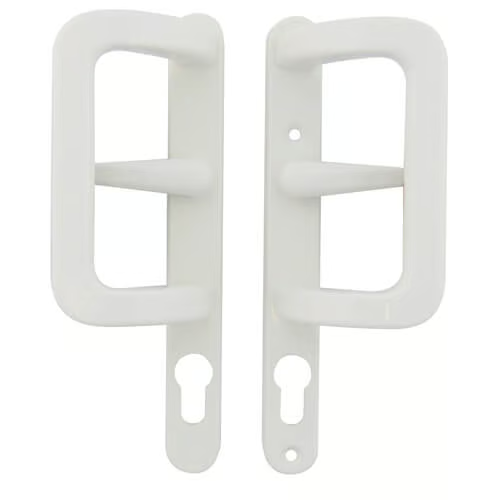
White cockspur handle finishes are typically polyester powder-coated or electrostatically painted. They are popular for modern uPVC windows and white timber frames.
Key trade points:
- Visual match: white offers a clean, consistent look with white uPVC and painted timber frames
- Cost-effective: generally cheaper than metallic finishes; good for large projects
- Maintenance: powder-coated white resists UV fading, but chips show more readily than darker colours
- Installation tip: ensure chassis screws are compatible with powder-coated surfaces to avoid scratching the finish during fitting
Specification note: for high-usage installations specify a white cockspur handle with a durable powder-coat and an advertised salt-spray or UV rating if installed in exposed locations.
Brown cockspur handle: practical and discreet
Brown finishes, often used on timber windows and brown uPVC, provide a discreet, cohesive finish that hides light wear. The brown cockspur handle is a common choice in renovation projects where matching existing ironmongery matters.
- Colour matching: blends with timber stains and brown aluminium frames; ideal for conservation or retrofit work
- Durability: like white, brown is usually powder-coated; darker tones hide minor scuffs
- Trade advantage: fewer touch-ups required on site when handled roughly during installation
- Coastal caution: ensure finish has appropriate corrosion resistance if near the sea
Practical tip: keep a small stock of brown cockspur handle spares when fitting into older properties; exact colour batches can vary between manufacturers.
Chrome cockspur handle: aesthetics and robustness
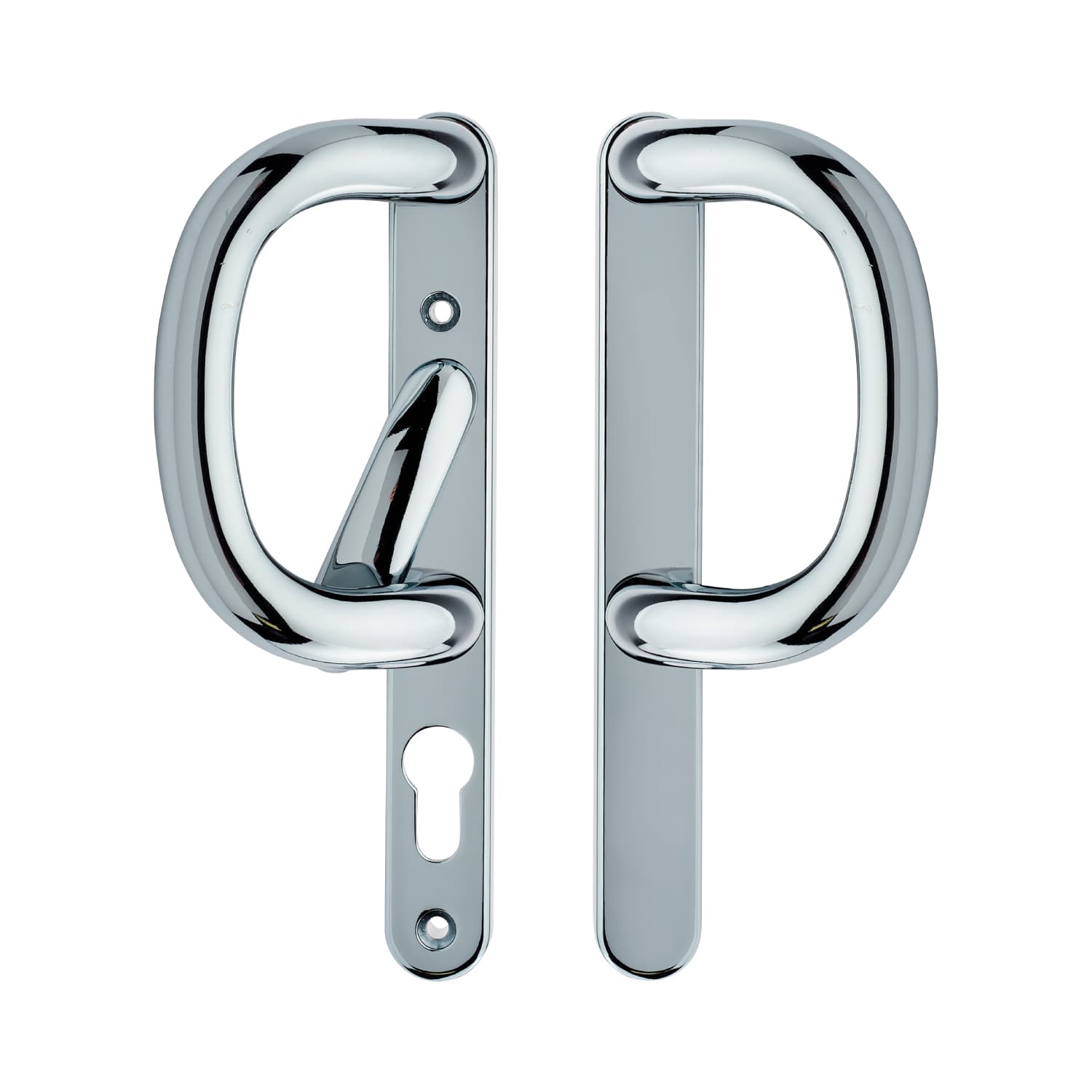
Chrome finishes bring a more contemporary look and a perceived premium quality. A chrome cockspur handle may be bright nickel-plated or polished chrome-plated; both offer a metallic sheen that complements modern ironmongery.
- Appearance: chrome is chosen for contrast against white or dark frames and for contemporary interiors
- Maintenance: chrome hides polishing marks and is easy to keep clean; avoid abrasive cleaners
- Corrosion resistance: polished chrome plating over brass or zinc performs well, but plating quality varies; specify industry-standard plating thickness for external use
- Cost: more expensive than painted finishes; factor into quotes for higher-end properties
Installation consideration: ensure spindle and bolt dimensions match the chrome cockspur handle; poor alignment can cause premature wear of the plated surface.
Choosing the right finish: trade checklist
Use this checklist when specifying or ordering cockspur handles for a job:
- Material compatibility: match finish to frame material – uPVC, aluminium, or timber
- Exposure rating: select powder-coat or plating with suitable salt-spray or UV ratings for the environment
- Colour matching: confirm batch numbers or order extra handles to avoid mismatched finishes on multi-batch projects
- Performance spec: check spindle diameter, screw positions and engage length to ensure mechanical compatibility
- Maintenance plan: advise clients on cleaning agents and expected wear, especially for white and powder-coated finishes
Installation and maintenance tips for tradespeople and DIYers
Correct fitting and routine maintenance extend the life of a cockspur handle regardless of finish. Follow these practical tips:
- Pre-fit check: verify that the handle engages correctly with the keep; adjust keep position rather than forcing the handle
- Use the right screws: choose stainless steel or zinc-plated screws compatible with the finish and substrate
- Protect the finish: when drilling or lifting glazing beads, protect handles with tape to avoid scratches on white or chrome cockspur handle finishes
- Lubricate sparingly: use a light silicone spray on moving parts; avoid heavy oils that attract dirt
- Regular inspection: on external windows check handles every 12 months and replace worn keeps or handles before failure
Specifying for projects: practical samples and warranties
For trade projects, ask suppliers for finish samples and technical data sheets. Request warranty information and test certificates where available. When specifying a cockspur handle include:
- Finish type and colour code
- Material and plating or coating specification
- Mechanical dimensions and handedness
- Environmental ratings: salt-spray, UV and intended usage
Keeping these details on your job pack reduces site delays and avoids rework due to mismatched finishes or incorrect mechanical fit.
Conclusion: Selecting the right finish for a cockspur handle requires balancing appearance, durability and cost. White offers a cost-effective match for modern frames; brown gives discreet, low-maintenance performance for timber and brown uPVC; chrome delivers a premium look and easy cleaning. By checking environmental ratings, matching mechanical specifications and following straightforward installation and maintenance steps, tradespeople and homeowners can ensure long-lasting, reliable hardware that looks good in situ.
Recommended Products
Based on this article, you may find these products helpful:
Part of our guide:
Complete Guide to Window Handles