Window Handles and Locks: Choosing the Right Keys
Choosing the right keys for window locks is an often-overlooked part of home security and maintenance. This article explains how window handles and locks w...
Choosing the right keys for window locks is an often-overlooked part of home security and maintenance. This article explains how window handles and locks work with different keying systems, what to consider when replacing or upgrading components, and practical steps for homeowners and tradespeople to improve security, convenience and compliance.
Know the common window locking systems
Understanding the mechanism helps determine the right key and maintenance approach. Common systems include espagnolette (espag) locks, cockspur locks, and locks integrated into multipoint door/window systems.
- Espag handles operate an espagnolette locking mechanism, commonly used on modern PVCu and aluminium windows. These use a locking rod and keep system that often pairs with a keyed cylinder or a handle with an internal lock.
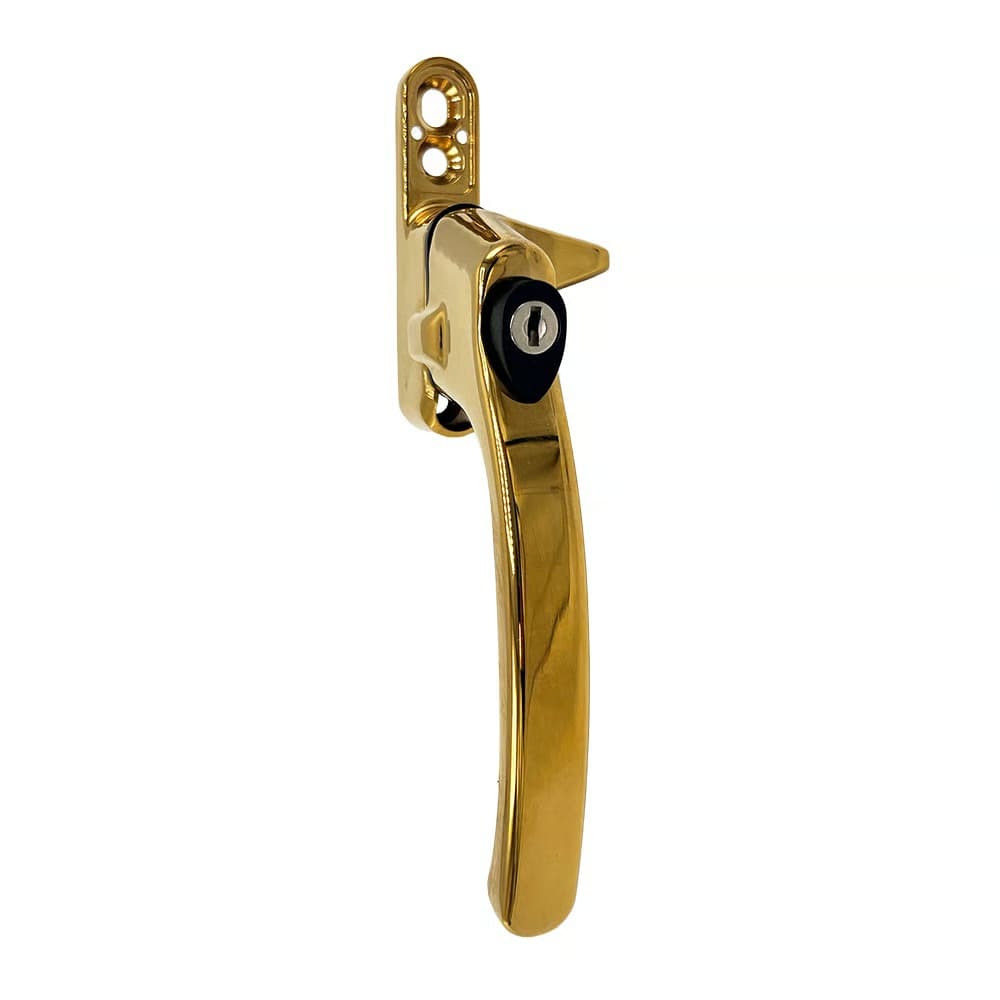
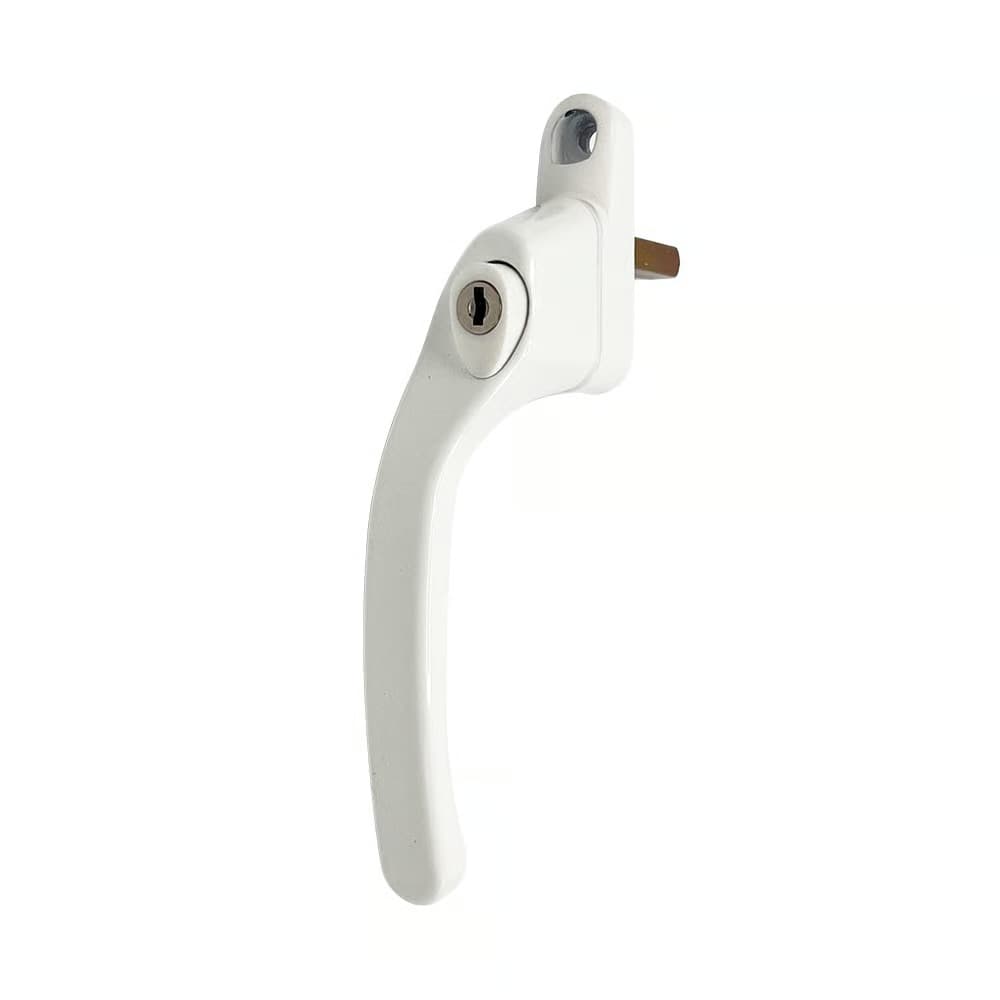
- Cockspur handles are common on older timber and PVCu windows; the handle hooks over a keep and is held by the handle spindle. Some cockspur handles have a keyed lock to prevent operation.
- Multipoint systems, found on patio doors and some large windows, use a single cylinder to activate multiple locking points.
Choose the right key and cylinder type
Selecting the correct key and cylinder affects security and compatibility. Consider the following:
- Profile cylinders versus euro cylinders: Ensure the chosen cylinder matches the lock type. Euro cylinders are widely used in uPVC windows and doors, while smaller rim cylinders can be used in older timber hardware.
- Security ratings: Look for cylinders tested to recognised standards, such as the TS007 3 star rating for high-security door cylinders where relevant. Match cylinder security to the property’s risk profile.
- Key control: High-security systems offer restricted key profiles so unauthorised duplication is difficult. This is particularly useful for landlords, multi-occupancy buildings and commercial properties.
- Keyed alike versus keyed different: "Keyed alike" means multiple windows and doors use the same key, which is convenient. "Keyed different" increases security since each lock requires a unique key. Tradespeople should advise clients based on usage and occupant needs.
Practical installation and retrofit tips
Tradespeople will benefit from precise checks during installation or replacement; homeowners can use these points when commissioning work or choosing parts.
- Measure before ordering: Record backset, spindle length, screw centres and cylinder size. Incorrect measurements are the most common cause of returns and failed installs.
- Check handle-to-lock compatibility: Some espag handles fit only specific locking rods or gearbox profiles. Confirm compatibility with the replacement handle and the existing espagnolette gear.
- Replace rather than patch: When a cylinder shows wear (sticking, difficulty turning, visible corrosion), replacing the cylinder typically restores functionality more effectively than attempting repairs.
- Use the correct fixings and torque: Over-tightening handles can deform components and cause binding; under-tightening reduces security. Follow manufacturer torque recommendations where available.
- Weatherproofing and drainage: Ensure drainage channels and gaskets remain clear when replacing hardware to prevent water ingress that can freeze and jam locks.
Key management and practical security measures
Practical steps reduce risk and make key management straightforward:
- Central key storage: For multi-window properties where keyed alike is chosen, maintain a clearly labelled central key for emergency access. For properties with multiple occupants, consider restricted key systems for added control.
- Mark keys discreetly: Avoid obvious labels like “Back Door” on key rings. Use coded tags or number systems to prevent helpful information falling into the wrong hands.
- Routine checks: Inspect handles and locks every six months. Lubricate cylinders with a graphite-based product and spray mechanisms lightly with a silicone spray to prevent dirt build-up. Avoid oil-based lubricants since they attract dust.
- Upgrade strategically: Prioritise ground-floor windows, easy-access openings and rooms with valuable items for higher-security cylinders and locked handles.
Compliance, insurance and standards
Window hardware choices can affect insurance claims and compliance:
- Insurer requirements: Some policies require certain locks or security levels on ground-floor windows. Always confirm with the insurer before making changes that could invalidate cover.
- Building regulations and planning: Replacement hardware in listed buildings or properties in conservation areas may require like-for-like fittings. Tradespeople should check with local authorities and clients before specifying modern hardware that alters appearance.
- Certification and testing: Opt for products tested to UK standards or European equivalents. Documentation helps when submitting proof to insurers or certifying work.
Troubleshooting common issues
Provide efficient solutions on-site or for DIY maintenance:
- Stiff keys: Clear the surrounding area, lubricate the cylinder with graphite and test operation. If stiffness persists, replace the cylinder.
- Loose handles: Check screw fixation and spindle engagement. Replace worn spindles or enable internal set screws as required.
- Misalignment: Check the keep positions and adjust strike plates; moving keeps slightly can restore smooth engagement without replacing the whole mechanism.
- Broken key removal: Use a broken-key extractor tool and photograph the mechanism for warranty claims. If the key breaks off frequently, consider upgrading to a higher quality cylinder or changing key profiles.
Final recommendations
Selecting appropriate keys for window handles and locks combines compatibility, security and practical maintenance. For many installations, choosing a robust handle designed for the lock type will reduce future issues. Tradespeople should carry common cylinder sizes and handle types to minimise call-backs; homeowners should prioritise higher-security cylinders for ground-floor windows and maintain a simple but secure key management system. Regular inspection, correct lubrication and choosing components that match existing hardware are effective ways to extend the life and reliability of window locking systems.
Related Reading
Explore more guides on related topics:
Part of our guide:
Complete Guide to Window Handles