
Friction Hinge Stack Heights: 13mm vs 17mm Explained
Friction hinges are a small but crucial component of modern casement windows, and choosing the right stack height can affect performance, security and ease...
Friction hinges are a small but crucial component of modern casement windows, and choosing the right stack height can affect performance, security and ease of use. This guide explains the difference between 13mm and 17mm friction hinge stack heights, when to use each, how to measure and replace them, and practical tips for homeowners and tradespeople working on double glazing in the UK.
What is stack height and why it matters
The stack height of a friction hinge refers to the vertical distance taken up by the hinge when the window is closed — essentially the profile thickness of the hinge body. Common stack heights are 13mm and 17mm, and the difference may look small but has tangible implications:
- Clearance and sightlines: A taller hinge (17mm) sits slightly proud inside the frame, which can affect the reveal and sightlines on certain slim frames.
- Compatibility with handles and espag locks: The stack height affects the position of the sash relative to the frame, which in turn determines the length and alignment needed for espag rods and the handle spindle.
- Strength and performance: Higher stack heights often accommodate more robust friction mechanisms or wider arms, which can benefit larger or heavier sashes.
13mm vs 17mm: practical differences
13mm friction hinge
- Typically used on slimline profiles and lightweight or narrow sashes.
- Gives a neater internal reveal and is often preferred where minimal frame projection is needed.
- May have lower torque capacity than thicker options — less suited to very heavy or large windows.
- Better for heavier sashes or wider windows where greater friction control and mechanical leverage are required.
- Provides slightly greater durability and can offer improved weathering by creating a tighter rebate position.
- Slightly more intrusive inside the profile; check frame clearance before fitting.
How to measure stack height correctly
Accurate measurement prevents mistakes when ordering replacement hinges.
1. Close the window fully and remove any cover caps on the hinge if present. 2. Measure the vertical thickness of the hinge body from the underside (that sits against the sash) to the top edge that contacts the frame when closed. Use a vernier calliper for accuracy where possible. 3. If measuring an installed hinge is difficult, remove the hinge and measure on a flat surface. Record the dimension to the nearest 0.5mm. 4. Confirm any additional backplates or packers that may alter effective stack height.
Note standard practice: measure the hinge itself rather than the combined clearance of sash and frame, because small shims or wear can mislead.
Compatibility with espags and handles
Stack height determines the position of the espag rod and the handle spindle relative to keeps. If you change stack height without adjusting espag length or handle type, you may encounter misalignment, increased wear or difficulty locking.
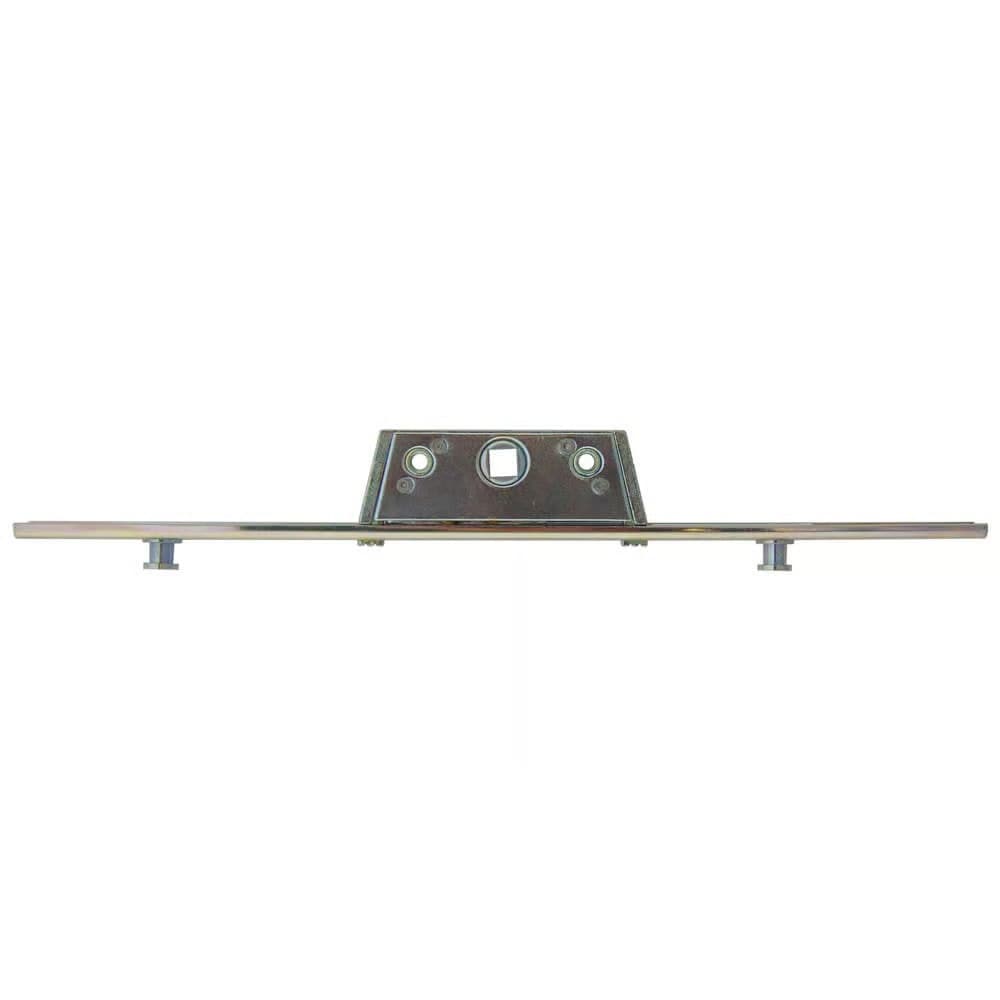
- For inline handles and espags, such as the ERA Universal Inline Window Handle and the Avocet Slimline Offset Window Espag, confirm the handle backset and espag centre position are compatible with the new hinge stack height.
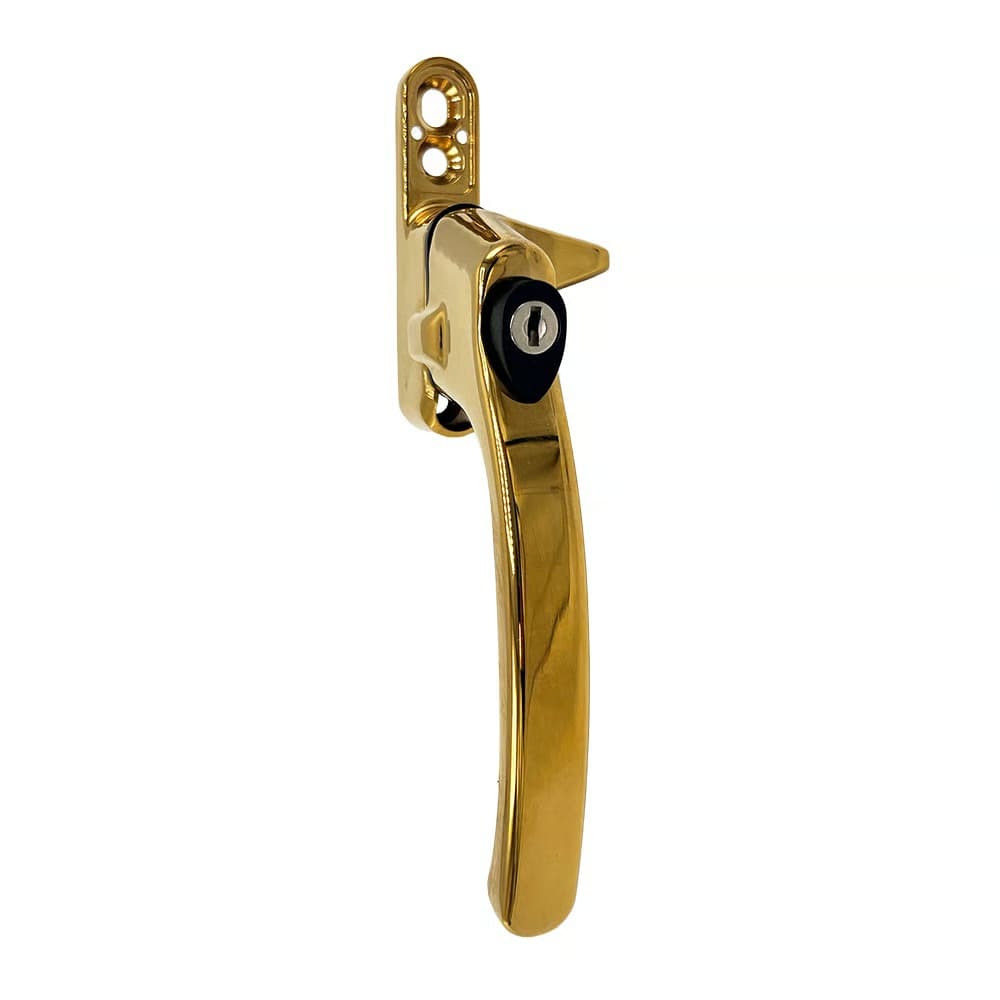
- Cockspur handles like the TSS Cockspur Window Handles are less sensitive to minor stack height changes but still require the sash to sit correctly for secure engagement.
- Measure current stack height before buying new hinges.
- Check espag rod length and handle spindle projection; adjust or replace if necessary.
- When upgrading to a higher stack hinge, consider longer espag rods or offset espags to maintain correct engagement.
Selection advice for UK homeowners and tradespeople
- For retrofit and like-for-like replacements, always match the original hinge stack height unless there is a specific reason to change.
- For new installations or upgrades:
- Where security and multi-point locking are required, ensure the hinge and espag system are specified together. Products such as the Avocet espag range work well with modern hinge assemblies to maintain security standards.
Installation and maintenance tips
- Use proper fixings: stainless steel screws of the correct length prevent stripping and corrosion.
- Fit hinges symmetrically (top and bottom) and ensure both are the same stack height to avoid twist and uneven wear.
- Lubricate moving parts lightly with a silicone spray or a light machine oil annually to maintain smooth friction.
- Check screw torque after a few weeks of use; timber frames in particular can settle and require re-tightening.
- Inspect for play or wear: if the sash droops or the handle feels loose, hinge wear or incorrect espag alignment may be the cause.
Product recommendations
- For cockspur handle replacements or trad-style fittings, consider the robust and affordable TSS Cockspur Window Handles.
- For a versatile inline option that suits many modern PVCu windows, the ERA Universal Inline Window Handle offers good compatibility with different espag centres.
- Where an offset espag is needed to compensate for frame geometry or when changing stack height, the Avocet Slimline Offset Window Espag provides precise engagement and high security.
Related Reading
Explore more guides on related topics:
Conclusion
Choosing the correct friction hinge stack height — 13mm or 17mm — is a small decision with practical consequences for window performance, security and longevity. Measure carefully, match hinge selection to sash weight and frame profile, and check compatibility with espags and handles. Routine maintenance and choosing compatible replacement parts, such as the handles and espags recommended above, will keep casement windows operating reliably for years.
Part of our guide:
Complete Guide to Window HingesProducts mentioned in this article
Related articles
Period Window Stays: Heritage Options for Older Properties
Period Window Stays: Heritage Options for Older Properties Older properties often require hardware that respects traditional appearance while providing mod...
Replacing Old Window Stays: Finding Matching Hardware
Replacing an old window stay can restore functionality, security and appearance to a worn casement. Whether you are a joiner, a glazing contractor or a dil...
How to Replace Friction Hinges on uPVC Windows
How to Replace Friction Hinges on uPVC Windows Overview Friction hinges are the most common operating mechanism on uPVC casement windows in the UK. They al...