
How to Adjust a Window Stay That Doesn't Hold
How to Adjust a Window Stay That Doesn't Hold A window stay that will not hold the sash open is a common nuisance for homeowners and a frequent call-out fo...
How to Adjust a Window Stay That Doesn't Hold
A window stay that will not hold the sash open is a common nuisance for homeowners and a frequent call-out for tradespeople. Whether you have a traditional peg-and-stay casement or a modern friction stay, most problems are mechanical and fixable on-site. This post covers practical diagnosis, step-by-step adjustments, replacement options and trade tips so you can restore reliable performance quickly and safely.
How window stays work: quick overview
There are two main types of “window stay” you will encounter in the UK market: traditional peg-and-stay fittings and modern friction stays (sometimes called friction hinges). Peg-and-stay systems use a slotted bar and a removable peg or adjustable keeper to bite into different positions. Friction stays use a hinge mechanism with a friction cam or screw that provides resistance so the sash holds at any point in the opening.
Common causes of a stay that won't hold
- Loose fixing screws in the sash or frame, causing movement under load.
- Worn or damaged pegs, bushes or keepers on peg-and-stay fittings.
- Reduced friction from a loosened adjuster or worn cam on friction stays.
- Corrosion, dirt or paint build-up preventing correct seating.
- Sash or frame movement from timber shrinkage, warping or misalignment.
- Incorrect or undersized replacement stays fitted previously.
Tools and materials you will need
- Pozi or cross-head screwdriver set; small flat blade for prising covers.
- Allen/hex keys for friction hinge adjusters.
- Lubricant: light machine oil or silicone spray for UPVC/metal.
- Replacement pegs, bushes, friction screws or full stays as required.
- Cleaning brush, rag, fine emery paper and penetrating oil for corrosion.
- Drill and correct size pilot drill bits; wooden dowel or epoxy repair kit if fixing stripped holes.
- Suction handle or assistant to support the sash while you work.
Diagnose before you adjust
Support the sash and open it to the position where it will not hold. Check where movement occurs: at the pivot of the stay, inside the keeper holes, or along the hinge. Note whether the stay slips from a hole, the friction feels weak, or the screw turns freely. Visual inspection for corrosion, worn metal edges or missing bushes will tell you whether an on-site adjustment is enough or whether parts should be replaced.
Adjusting a peg-and-stay window stay
- Check and tighten all fixing screws on the stay and the keeper plate; use stainless screws if replacements are needed to prevent future corrosion.
- If the peg slips in the keeper holes because the hole has enlarged, replace the peg and any nylon bush. If the frame fixings are stripped, repair the timber with a wooden dowel glued into the hole or use a resin/epoxy repair product; then re-drill a pilot hole for the screw.
- To change the hold position, move the keeper plate along the frame: loosen its screws, position the keeper in a nearer hole to increase resistance or further away to increase opening; re-tighten and test.
- For adjustable peg stays with an eccentric cam or grub screw, rotate the cam clockwise to increase clamping force; consult the manufacturer if markings are present.
- If the stay has excessive play at its pivot, fit a replacement pivot pin or a new stay. Do not attempt to weld or bend heavily worn parts as this can alter geometry and cause binding.
Adjusting a friction stay (friction hinge)
- Support the sash. Locate the friction adjuster: this is usually a small screw or hex socket on the hinge arm near the sash pivot.
- Turn the adjuster clockwise in small increments to increase friction. Test the sash after each quarter or half turn; too much friction will make the sash hard to operate.
- If the adjuster does not alter resistance, the cam may be worn or stripped; replace the friction screw or the entire stay arm as appropriate. Always replace with a like-for-like rated stay for the sash weight and size.
- For UPVC or aluminium windows, lubricate the sliding surfaces with a light silicone grease; avoid heavy greases that attract dust and grit which will reduce long-term performance.
When to replace rather than adjust
Replace the stay if there is visible metal fatigue, bends in the hinge arms, stripped adjustment threads, or repeated failures after repair. Tradespeople should note the sash dimensions and weight, and order the correct length and rating; mismatched stays will never hold properly and can be unsafe. Also replace corroded fixings and any worn nylon bushes or pegs when renewing the stay.
Practical trade tips
- Always support the sash while working; large glazed units can be heavy and dangerous if they drop.
- Use matching finishes and handed stays for a neat professional job; many stays are handed left/right and cannot be swapped.
- Where timber fixings have failed repeatedly, consider installing a metal repair plate or using an epoxy timber repair to give a firm new fixing.
- Keep spare pegs, bushes and friction screws on the van; they are common wear items and save repeat call-outs.
- Refer to the pillar resource on window hinges for compatibility and technical drawings: /guides/window-hinges.
Maintenance to prevent future problems
Regular cleaning and light lubrication twice a year will keep stays operating smoothly. Inspect fixings and bushes for wear; tighten any loose screws before they strip out. Where windows are exposed to coastal conditions, choose stainless or corrosion-resistant finishes and check more frequently for salt-related corrosion.
Recommended Products
Based on this article, you may find these products helpful:
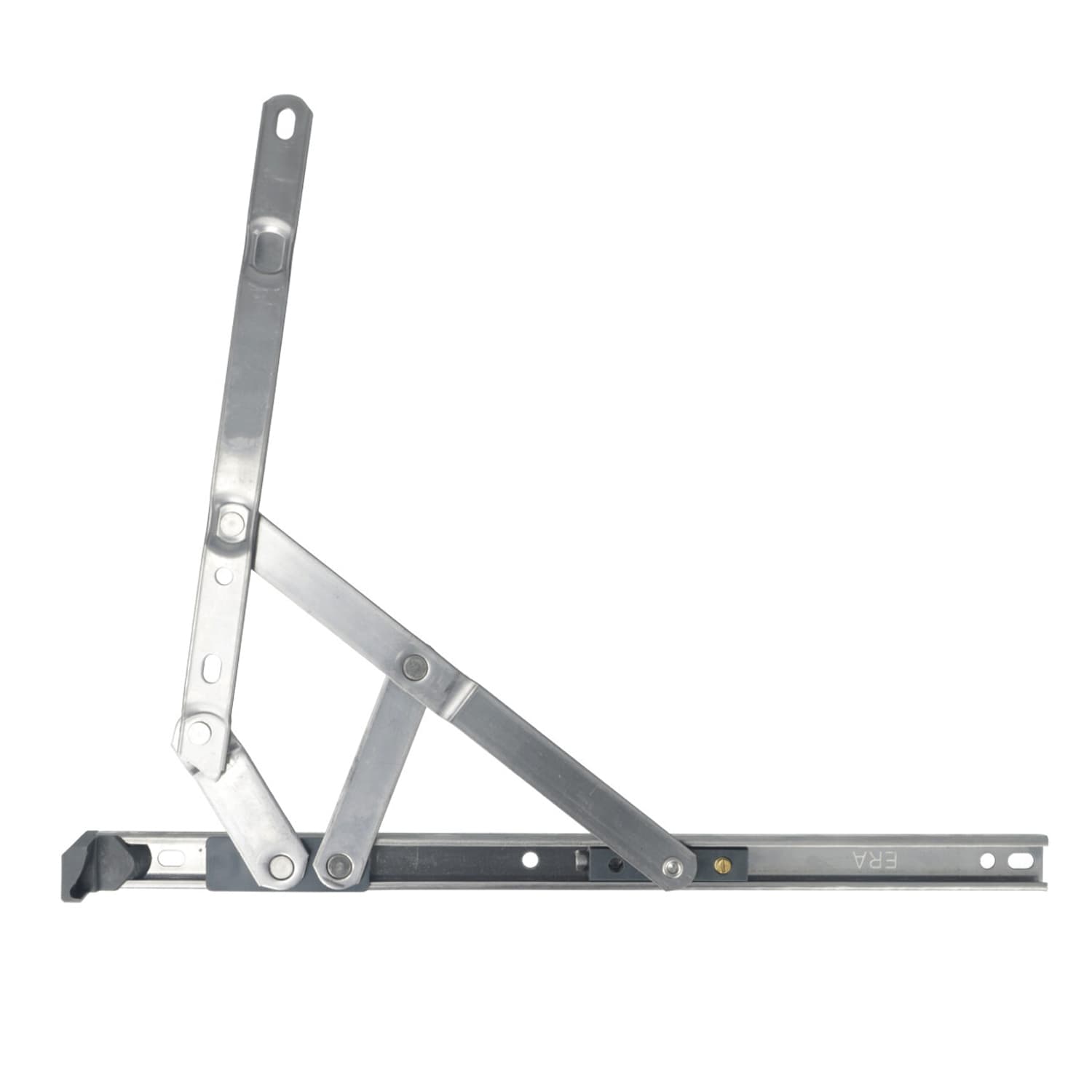
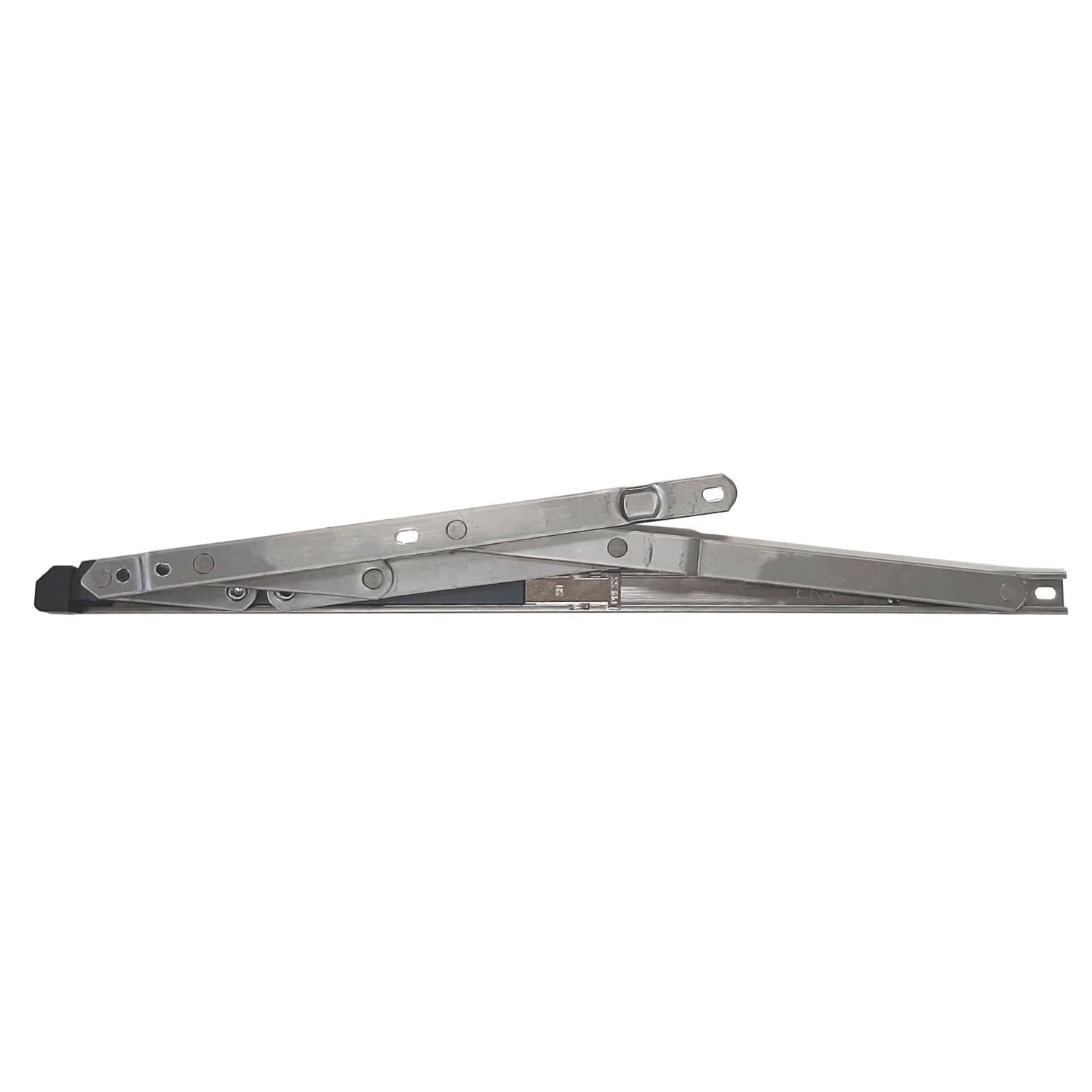
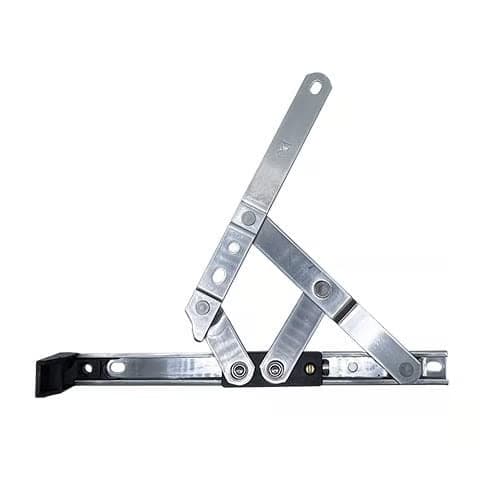
- Top Hung Friction Stay - 12"
- ERA Egress (Fire escape) Friction Stay
- TSS Standard Friction Stays – 13mm & 17mm Stack Height
- Restricted Friction Stay Hinges
- Top-Hung Window Hinge - Standard
Conclusion and next steps
Most window stay faults can be resolved by careful diagnosis, tightening fixings, replacing worn pegs or bushes, or adjusting the friction screw. For tradespeople, carrying the correct parts and following best practice for timber repairs prevents repeat visits. If you find extensive corrosion, bent arms or stripped cams, replace the stay with the correct specification.
Next steps: support the sash, inspect the stay type, attempt the simple adjustments above and replace parts if necessary. If you need replacement stays, measuring the sash and noting handedness, material and finish will ensure you order the correct item. For further technical detail on hinges and compatible hardware, see our resources at /guides/window-hinges or contact Window Hardware Store for trade support.
Related articles
Period Window Stays: Heritage Options for Older Properties
Period Window Stays: Heritage Options for Older Properties Older properties often require hardware that respects traditional appearance while providing mod...
Replacing Old Window Stays: Finding Matching Hardware
Replacing an old window stay can restore functionality, security and appearance to a worn casement. Whether you are a joiner, a glazing contractor or a dil...
How to Replace Friction Hinges on uPVC Windows
How to Replace Friction Hinges on uPVC Windows Overview Friction hinges are the most common operating mechanism on uPVC casement windows in the UK. They al...