
Period Window Stays: Heritage Options for Older Properties
Period Window Stays: Heritage Options for Older Properties Older properties often require hardware that respects traditional appearance while providing mod...
Period Window Stays: Heritage Options for Older Properties
Older properties often require hardware that respects traditional appearance while providing modern functionality. A correctly chosen window stay will control opening, offer ventilation, increase security and preserve the character of a period casement. This article covers the common types of period window stay, selection criteria for heritage projects, practical trade advice and step‑by‑step DIY guidance for installation and maintenance.
What is a window stay and why it matters for period properties
A window stay is the mechanical arm or bar that holds a casement window in an open position. On historic timber casements, stays also form an essential visual detail: wrought iron and brass stays are part of the original aesthetic. Using the wrong modern hardware can harm the look and sometimes the fabric of a listed building. Choosing a stay that matches the period, material and function is important for conservation, performance and user safety.
Common types of period window stays
- Peg stays: Traditional and simple; a bar with holes that locates over a peg fixed to the frame. Suits light to medium weight timber casements and is entirely reversible for conservation work.
- Ratchet stays: Provide incremental positions via toothed or serrated plates. Good where precise ventilation control is required; available in cast iron, brass or stainless finishes.
- Lockable stays: Combine a stay with a keyed lock to restrict opening for security and child safety. Useful in ground floor rooms and glazed doors.
- Monkey tail, fleur de lys and spool stays: Decorative stays that replicate period motifs; often offered in iron or brass to match historic fittings.
- Sash and friction stays: For top-hung or casement windows where controlled friction rather than fixed notches is preferred; modern friction stays exist in stainless steel and can be specified with lower visual impact.
Material and finish considerations
Material choice should balance authenticity, durability and maintenance:
- Wrought iron or cast iron: Historically accurate for many Georgian and Victorian homes; requires paint or lacquer to prevent corrosion. Black japanned finishes are commonly used.
- Brass: Traditional in higher‑status properties. Unlacquered brass will patina; lacquered brass keeps a brighter finish. Solid brass is easier to maintain than plated alternatives.
- Stainless steel: Less authentic visually, but best for coastal or damp environments due to superior corrosion resistance. Stainless stays can be powder‑coated or colour matched if a period look is required.
Selecting the correct stay: size, strength and compatibility
Choose a window stay that matches the casement size and weight. Key points:
- Length: Typical stay lengths are 100mm, 150mm and 200mm; longer stays allow wider openings. Measure from hinge line to ensure the stay provides the desired opening angle.
- Load rating: Trade professionals should match stay strength to sash weight; heavy or double‑glazed timber casements require more robust stays or additional pairs.
- Hinge compatibility: The stay must work with the chosen hinge type. Consult the window hinges guidance at /guides/window-hinges to ensure correct hinge and stay pairing.
- Fixing centres and screw size: Use adequate screw length into solid timber; countersink where necessary. For historic frames, use matching screw finishes to preserve appearance.
Installation: practical trade advice and DIY steps
Professional fitters and experienced DIYers can install a stay correctly by following these practical steps and precautions.
- Prepare tools and materials: selection of stays, screws (matching finish), drill with appropriate bits, countersink, screwdriver, spirit level, tape measure, pencil and threadlocker for external fixings if required.
- Check the sash and frame condition: Repair rotten timber before fixing metalwork. For listed work, use reversible methods where possible and consult local conservation officers if unsure.
- Mark positions: With the window closed, mark the stay pivot point on the casement and the keeper on the frame. For peg stays, mark the peg position so the bar rests parallel to sill when closed.
- Pilot holes: Drill pilot holes to the correct diameter for the screws; this prevents splitting in older timber. For hardwoods, slightly larger pilot holes may be needed; for softwoods, keep them tight.
- Fixing: Attach the stay to the sash first using countersunk screws so the bar sits flush. Then position and fix the keeper on the frame; leave a small gap to allow smooth engagement. For external or exposed windows, use stainless or coated screws to prevent staining and corrosion.
- Adjust and test: Open the window and engage the stay into each notch or peg position. Check for binding and smooth operation; adjust screw positions if needed. Ensure the window seals correctly when closed and that the stay does not prevent full shut.
Maintenance and safety tips
- Lubrication: Lightly oil pivot points annually with a light machine oil; avoid heavy greases that attract dust and grit.
- Inspection: Check fixings and timber condition yearly, especially on exposed elevations. Retighten any loose screws and recoat iron stays that show surface rust.
- Security and child safety: For areas requiring ventilation with security, fit lockable stays. Consider additional restrictors where balconies or access pose a fall risk.
- Compatibility with double glazing: Heavier double‑glazed sashes may need stronger stays or an extra stay to distribute load and reduce wear on the hinge line.
Conservation and listed building considerations
When working on a listed building or in a conservation area, reproduce original fittings where possible. Use period‑correct materials and fixings; document changes and obtain necessary consents. If original stays are present but corroded, consider restoration over replacement: stripping, stabilising and repainting can preserve original fabric and character.
Supplies and trade buying tips
- Stock commonly used stays in pairs: peg stays, ratchet stays and lockable stays in popular sizes. Tradespeople will save time if they carry a variety of finishes for on‑site matching.
- Order replacement screws and keepers with the stay; minor delays are common if matching fixings are missing.
- For bulk or contract work, specify finish and protective treatment up front: black japanned iron, lacquered brass or stainless steel to avoid on‑site surprises.
Recommended Products
Based on this article, you may find these products helpful:
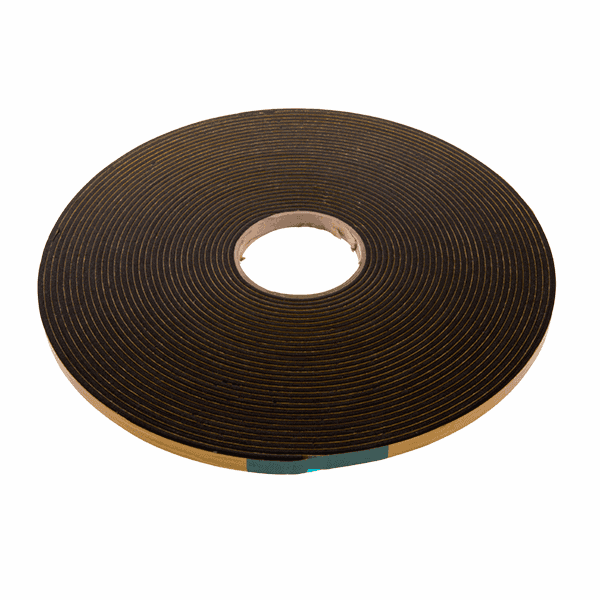
- Structural Glazing Tape - 20mm
- Security Glazing Tape
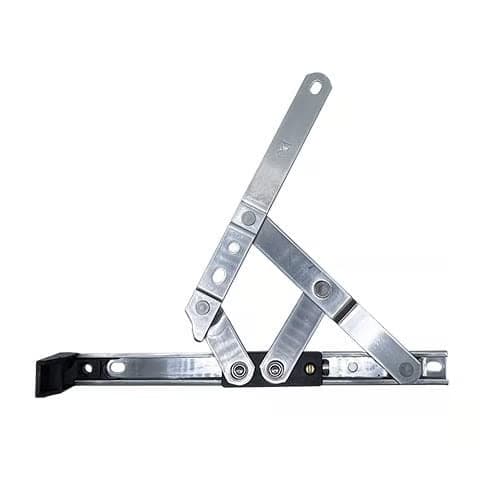
- Top Hung Friction Stay - 12"
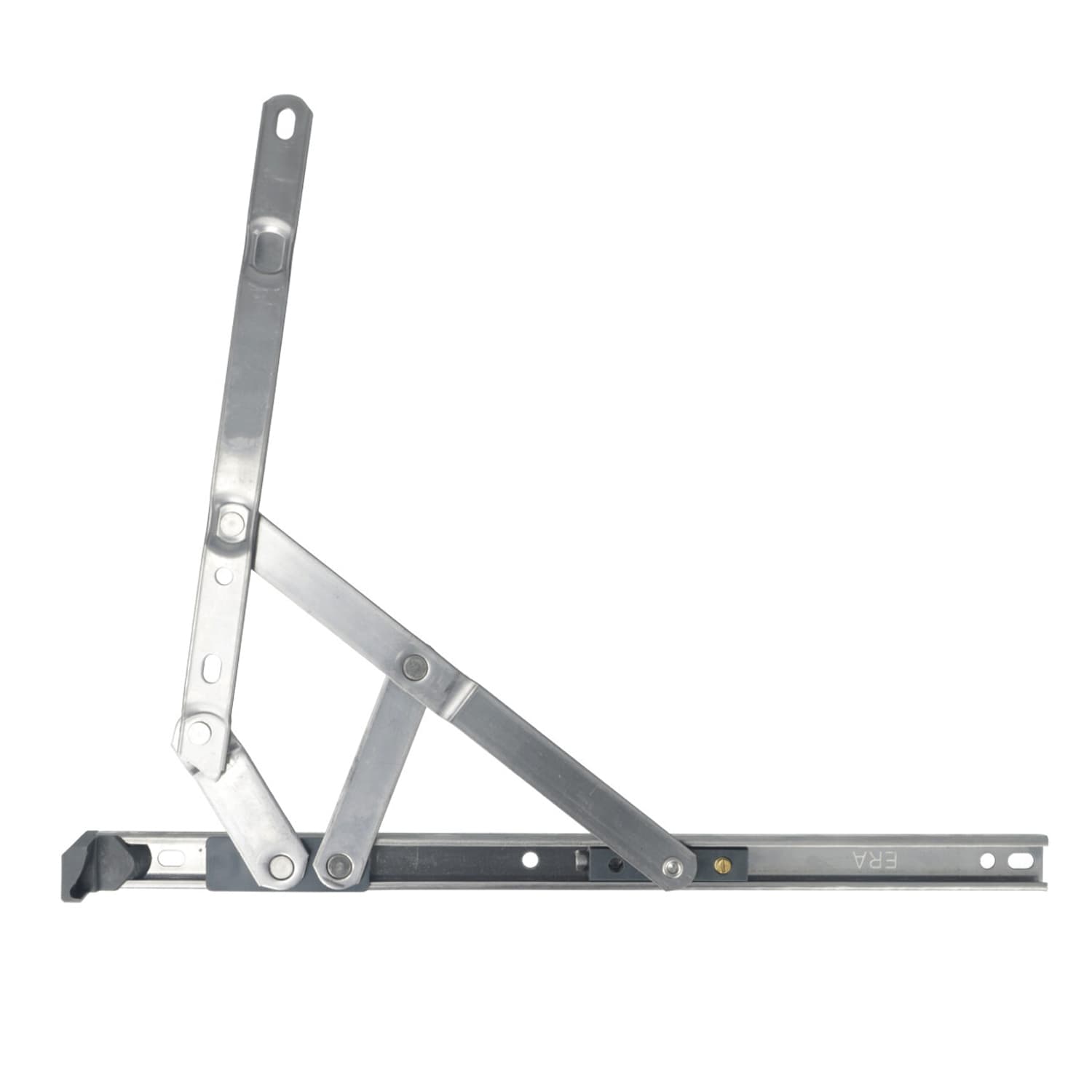
- ERA Egress (Fire escape) Friction Stay
- TSS Standard Friction Stays – 13mm & 17mm Stack Height
Conclusion and next steps
Choosing the correct period window stay improves function, security and authenticity in older properties. Start by assessing the sash weight, desired opening range and the historic character of the building. If you are unsure, measure existing fittings or photograph them and consult a specialist. For further technical information on hinge selection and how stays interface with different hinge types, see our window hinges resource at /guides/window-hinges. For trade orders, matched finishes and conservation‑grade options, contact Window Hardware Store for samples and technical assistance.
Products mentioned in this article
Related articles
Replacing Old Window Stays: Finding Matching Hardware
Replacing an old window stay can restore functionality, security and appearance to a worn casement. Whether you are a joiner, a glazing contractor or a dil...
How to Replace Friction Hinges on uPVC Windows
How to Replace Friction Hinges on uPVC Windows Overview Friction hinges are the most common operating mechanism on uPVC casement windows in the UK. They al...
Friction Hinge Sizes Explained: Stack Heights and Lengths
Friction Hinge Sizes Explained: Stack Heights and Lengths Choosing the correct friction hinge for a window or door is more than matching a product code; it...