
Window Stay Buying Guide: Lengths, Finishes and Styles
Window Stay Buying Guide: Lengths, Finishes and Styles Choosing the right window stay affects function, weather performance and appearance. This guide expl...
Window Stay Buying Guide: Lengths, Finishes and Styles
Choosing the right window stay affects function, weather performance and appearance. This guide explains the common types, how to measure for the correct length, which finishes suit different environments and practical fitting and maintenance tips for both tradespeople and DIYers. For additional information on hinge selection and related hardware, see our pillar page: /guides/window-hinges.
What a window stay does and where it is used
A window stay controls the opening of a side-hung casement window. It locks the sash at a set position; it can also limit opening for safety or allow ventilation. Stays are used on timber, aluminium and uPVC casement windows, and there are specialist options for doors, tilt-and-turn units and emergency egress windows. Choose a stay that matches the sash weight and the opening style to avoid excessive strain on hinges and frames.
Common types of window stay
- Peg stays: Simple bar with a series of holes to set the opening. Common on traditional timber windows and easy to replace.
- Casement stays (solid bar): Swivel bar with a locking catch or sliding bolt; available in traditional and contemporary profiles.
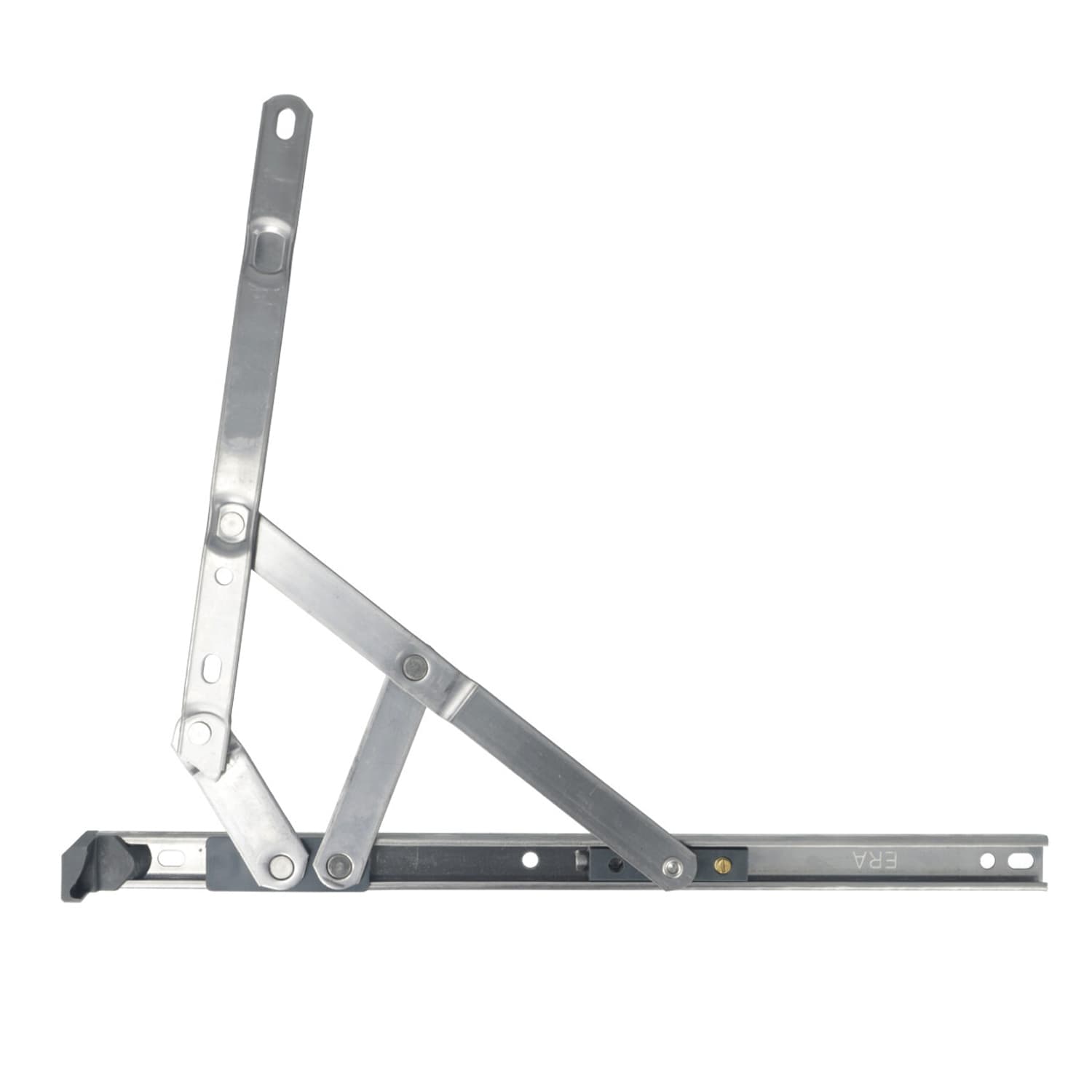
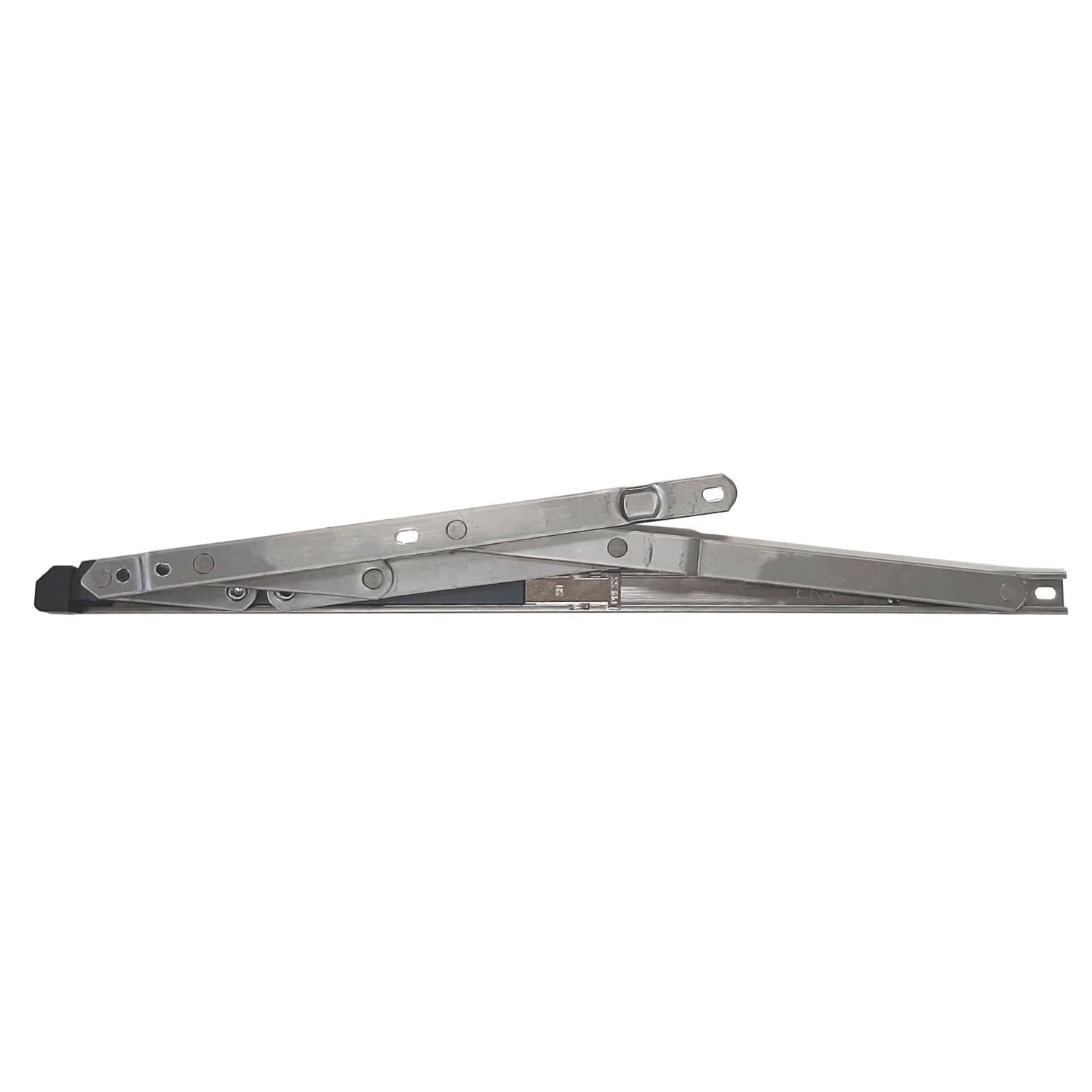
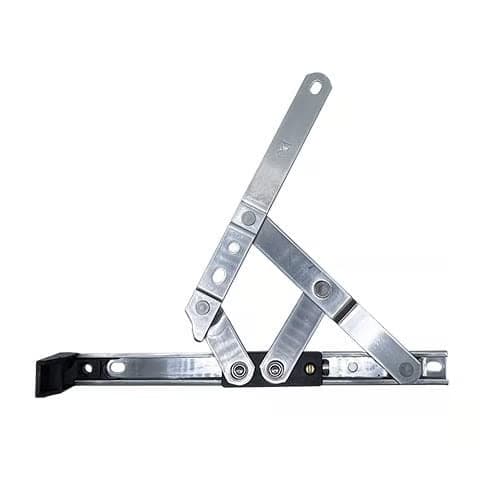
- Friction stays: Often used on modern windows; provide controlled opening and hold the sash at any position without discrete holes.
- Telescopic and multi-fold stays: Allow larger openings while keeping compact appearance when closed; used where space is restricted.
- Quick-release or egress stays: Permit fast disengagement for escape routes; essential where Building Regulations require unobstructed egress.
How to measure for the correct length
Measurement conventions differ by type, so always check the manufacturer’s specification. General practical rules are:
- For solid bar casement stays: measure the overall length from the centre of the handle pivot to the centre of the catch pivot when the stay is laid flat; common sizes include 125mm, 150mm, 175mm, 200mm, 250mm and 300mm.
- For peg stays: measure the distance between the centres of the mounting holes or the distance from the hinge end to the outermost peg; ensure the peg positions align with the existing keep plate holes if you are replacing a stay.
- For friction stays: measure the length of the arm from pivot centre to pivot centre; friction stays are often specified in imperial sizes such as 10, 12, 14, 16 inches or metric equivalents.
- Always record the existing stay’s centre-to-centre measurements and check any offset if the mounting plates are not in line; take the window fully closed when measuring for accuracy.
Material and finish options
Choice of material and finish affects corrosion resistance, appearance and compatibility with other fittings:
- Stainless steel: Best for coastal locations and high-moisture areas; resilient and low maintenance but more costly.
- Brass and lacquered brass: Traditional look for timber windows; lacquered versions reduce tarnishing; not ideal for exposed coastal sites unless maintained regularly.
- Powder-coated or painted steel: Provides a coloured finish to match frames; ensure powder coating is applied over zinc or galvanised steel for longevity.
- Polyester powder coat for aluminium: Common for aluminium windows to match RAL colours; choose marine-grade finishes for extra durability.
- Antique or black iron: For period properties; performance depends on protective coatings and ongoing maintenance.
Practical trade advice
- Match load capacity: Check the stay’s rated sash weight; heavier sashes need heavier duty stays and stronger fixing points to avoid distortion of the frame.
- Fixing security: Use stainless or zinc-plated screws long enough to penetrate the frame timber or metal subframe; for uPVC, choose screws designed not to crack the profile and consider reinforcement plates for high loads.
- Weatherproofing: When fixing into exterior frames, countersink and seal screw heads with silicone or an appropriate sealant to prevent water ingress.
- Coastal selection: Specify 316 stainless or marine-grade finishes in coastal environments; standard 304 stainless may still corrode in severe marine atmospheres.
- Compliance: For means-of-escape windows, use quick-release stays that meet relevant performance standards and ensure they do not impede full opening.
DIY fitting and maintenance guidance
Most window stays are straightforward to fit if you have basic tools. Practical steps:
- Tools: Electric drill, correct size drill bits, countersink, screwdriver, spirit level and marker pencil.
- Preparation: Remove the old stay and clean the mounting area. Check for rot or deterioration in timber frames and repair before fitting new fixings.
- Pilot holes: Always pre-drill pilot holes for screws to prevent splitting timber; for dense hardwood use a depth stop or countersink to avoid protruding heads.
- Alignment: Hold the stay in the required closed position and mark both mounting plates; keep plates square to the sash and frame so the stay operates smoothly.
- Lubrication: For pivot and friction joints apply a small amount of light machine oil or approved greasing product; avoid heavy grease on visible finishes.
- Check operation: Open the window fully and test each locking position; ensure the stay clears window furniture and does not catch on cills or handles.
Common pitfalls to avoid
- Wrong length: A stay that is too short will limit opening and place load on hinges; too long can foul adjacent frames or brickwork.
- Incompatible fixings: Using short or poor-quality screws will lead to loosening and possible failure over time.
- Ignoring sash movement: Allow for timber movement and expansion when positioning keeps; tightening screws should not distort the frame.
- Mixing finishes: For aesthetic coherence, match stays to other visible hardware such as handles and hinges; choose corrosion-resistant products where needed.
When to replace rather than repair
Replace a window stay if there is severe corrosion, bent or worn pivots, or if the mechanism slips under normal use. Replacing stays in pairs is good practice to keep load balanced on the frame and to maintain consistent operation across the window.
Recommended Products
Based on this article, you may find these products helpful:
- Top Hung Friction Stay - 12"
- ERA Egress (Fire escape) Friction Stay
- TSS Standard Friction Stays – 13mm & 17mm Stack Height
- Restricted Friction Stay Hinges
- In-Line Window Mechanism
Conclusion and next steps
Choosing the correct window stay depends on sash weight, opening requirements, environmental exposure and desired finish. Measure centre-to-centre and double-check existing fixings before ordering replacements. For trade professionals, specify material grades and load ratings for projects; for DIYers, follow the fitting steps above and address any frame repairs first. To find compatible hinges, friction stays and matching hardware, visit our hinge resource: /guides/window-hinges, or contact our technical team for advice on specific applications.

Related articles
Period Window Stays: Heritage Options for Older Properties
Period Window Stays: Heritage Options for Older Properties Older properties often require hardware that respects traditional appearance while providing mod...
Replacing Old Window Stays: Finding Matching Hardware
Replacing an old window stay can restore functionality, security and appearance to a worn casement. Whether you are a joiner, a glazing contractor or a dil...
How to Replace Friction Hinges on uPVC Windows
How to Replace Friction Hinges on uPVC Windows Overview Friction hinges are the most common operating mechanism on uPVC casement windows in the UK. They al...