
Window Stay Problems: Why Your Window Won't Stay Open
Window Stay Problems: Why Your Window Won't Stay Open Windows that will not stay open are a common nuisance for homeowners and trade professionals. The mos...
Window Stay Problems: Why Your Window Won't Stay Open
Windows that will not stay open are a common nuisance for homeowners and trade professionals. The most frequent culprit is the window stay: the hardware that holds a casement or outward-opening window in position. This article explains typical causes, inspection techniques, practical repairs and replacement advice you can use on site or as a DIYer.
Common causes of a window that will not stay open
Understanding why a window drops or will not sit in its intended position helps you make the right repair or replacement choice. Typical faults include:
- Worn or broken stay: Traditional peg-and-notch stays or modern friction stays wear over time; metal fatigue, bent arms or snapped pivots will stop the stay working.
- Stripped or loose fixings: Screws or rivets that secure the stay to the frame or sash can strip, loosen or fall out; the stay then slips under load.
- Corrosion and paint build-up: Rusted components or paint seizing moving parts prevents correct operation, most often on older steel or iron stays.
- Incorrect or undersized stay: Using a stay with the wrong length, mounting type or load rating will allow the window to swing under wind or its own weight.
- Hinge wear or misalignment: If pivot hinges or butt hinges are worn, the sash can sag; the stay then cannot hold the sash level.
- Missing keep or worn notch: For peg stays, the keep on the frame may be missing, loose or the notches may be worn so the peg slips free.
- Blocked restrictors or limiters: Restrictor stays intended to limit opening can jam or fail to engage, affecting how the window holds open.
Quick inspection checklist
Before you strip down hardware, perform a quick inspection; this often reveals an obvious fault you can fix in minutes:
- Open the window and observe where the stay attaches to sash and frame; check for loose screws or missing rivets.
- Operate the stay through its full travel; feel for hard spots, grinding or looseness.
- Look for paint build-up around moving joints and check for rust or corrosion.
- Check hinge pivots and bearings for play; lift the sash slightly to assess weight transfer and any drop.
- Confirm the correct type of stay is fitted: face-fixed, side-fixed, peg-and-notch, friction or restrictor.
Simple DIY fixes you can try
If the issue is basic, you can often restore functionality without professional help. Work safely: support the sash while you work and use two people for larger windows.
- Tighten screws and replace stripped fixings: Replace damaged wood screws with correct-length, coarse-thread screws for timber; for uPVC or aluminium, use manufacturer-recommended screws or rivets.
- Clean and lubricate: Remove paint build-up with a scraper or heat gun; lubricate pivots with a light machine oil or grease suitable for window hardware. Avoid thick greases that attract dirt on friction surfaces.
- Replace missing keeps or notches: Small timber keeps can be glued and screwed into place; make sure the peg engages securely in each notch.
- Swap worn pegs or screws: Some stays use removable pegs that are inexpensive to replace; always match diameter and length.
- Adjust hinge packers: For sagging sashes, simple packer shims can temporarily correct vertical alignment so the stay functions.
When to replace the window stay
Some problems require a full stay replacement rather than piecemeal fixes. Replace the stay if any of the following apply:
- Arms are bent or cracked; damaged stays compromise safety.
- Friction mechanism has failed and does not hold under load.
- Corrosion is advanced; pitting weakens the metal and is likely to fail again.
- Original stay is the wrong style or length for the sash; fitting the correct stay restores reliable operation.
When replacing, measure accurately: the nominal length of a stay is measured from the centre of the hinge/pivot to the centre of the stay mounting point. Confirm whether you need a left-hand or right-hand stay and whether the fixing is face or side mounting. For coastal properties choose stainless steel or corrosion-resistant finishes.
Trade tips for fitting and specifying stays
- Choose a stay rated for the sash weight and wind loading; tradespeople should consult manufacturer load tables when specifying friction stays for uPVC or aluminium.
- Use the correct fixings: rivets are common on metal-framed windows; countersunk woodscrews suit timber. Use threadlock on metal-to-metal screws where vibration is expected.
- When replacing riveted stays, use a pop-rivet kit sized to match the originals or follow manufacturer guidance for rivet diameter and material.
- For casement windows prone to sag, address hinge wear first; fitting a new stay without correcting a sagging hinge is a short-term fix.
- Keep a small stock of common stays: 10-inch, 12-inch and 16-inch friction stays in stainless steel cover most domestic repairs.
Safety and regulations
Windows above ground-floor level need safe restrictors to prevent falls, particularly where children are present. Restrictor stays or hinges designed to comply with safety guidance should be considered when replacing hardware; for rented properties check landlord or building regulation requirements.
Maintenance tips to prevent future problems
- Inspect moving parts annually; clean and lubricate during spring and autumn maintenance.
- Touch up painted stays before paint blisters or flaking leads to seized joints.
- Replace suspect fixings at first signs of corrosion rather than waiting for failure.
- Record make and size of stays when carrying out work; this speeds future maintenance and ordering.
For more on how hinge wear affects window movement and how to choose the correct hinge and stay combination, see our pillar page on window hinges.
Recommended Products
Based on this article, you may find these products helpful:
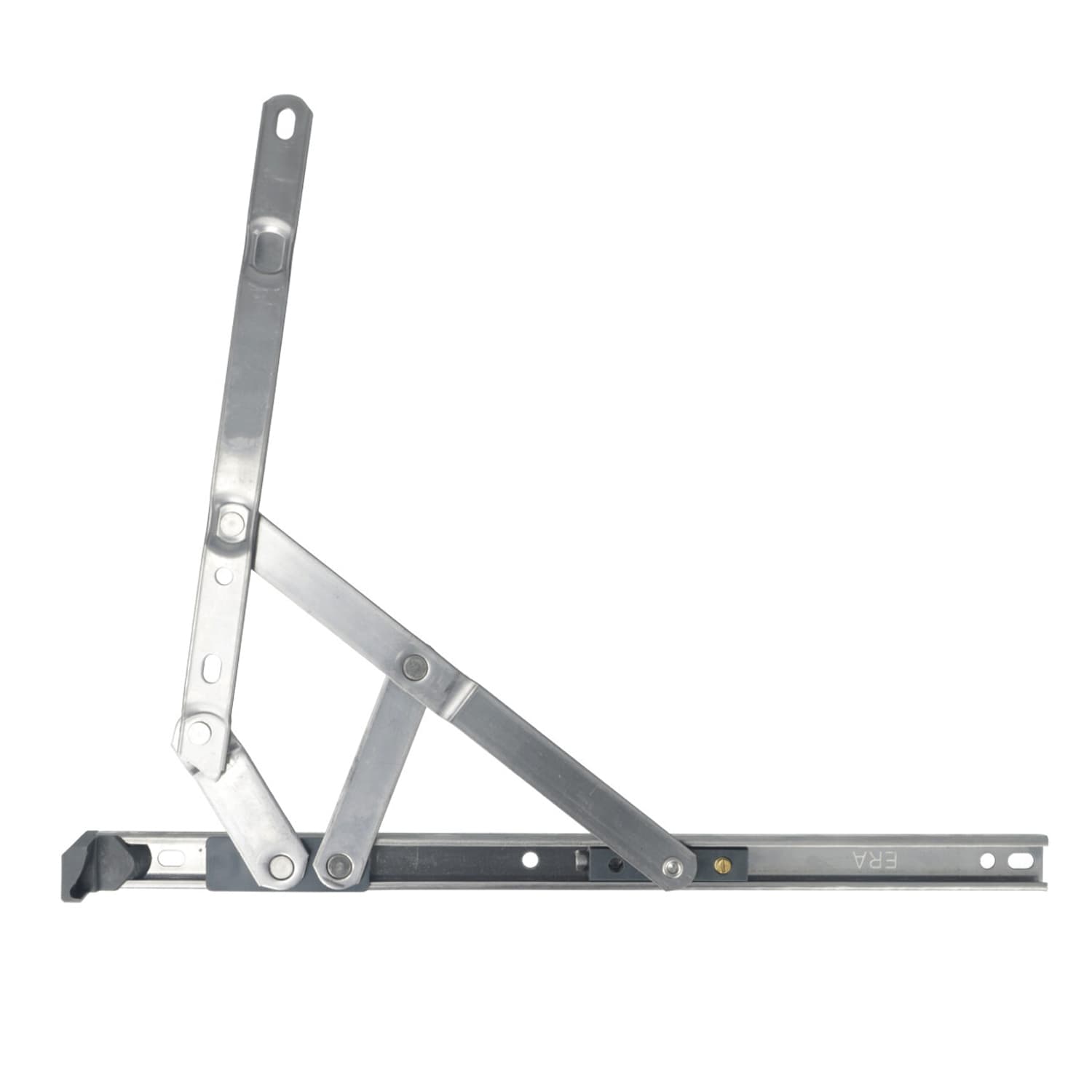
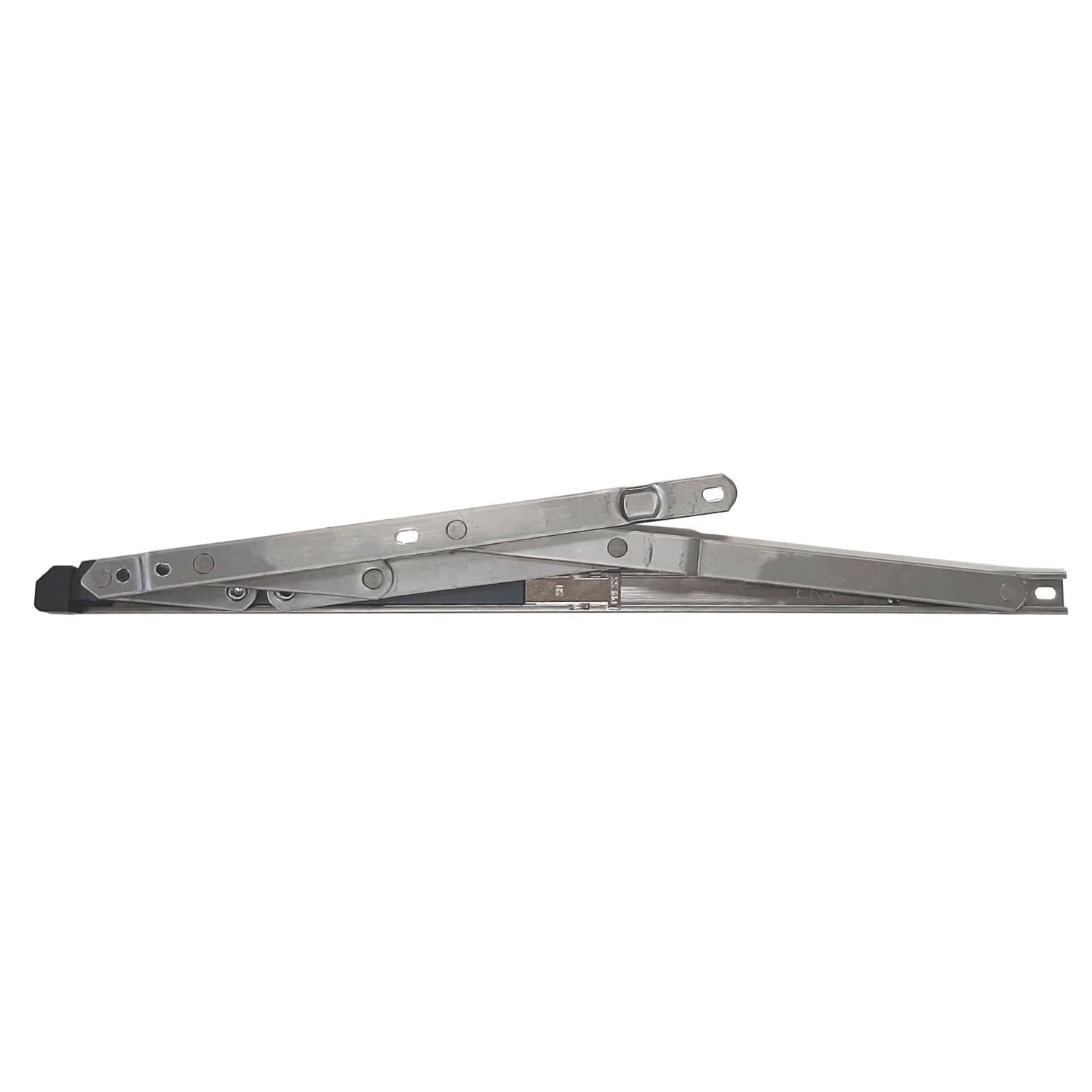
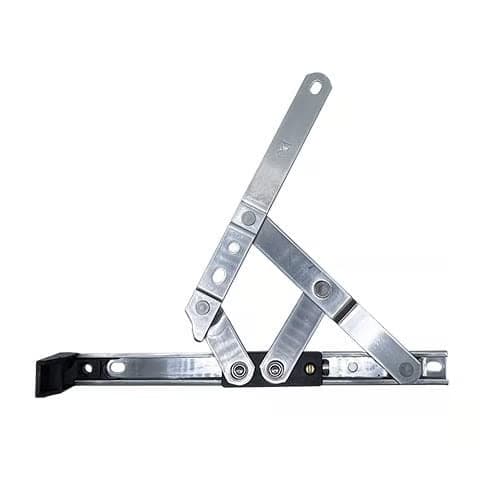
- Top Hung Friction Stay - 12"
- ERA Egress (Fire escape) Friction Stay
- TSS Standard Friction Stays – 13mm & 17mm Stack Height
- Restricted Friction Stay Hinges
- Top-Hung Window Hinge - Standard
Conclusion and next steps
A window that will not stay open is usually a mechanical issue with the stay, its fixings or the hinges. Start with a visual inspection and simple fixes: tighten fixings, clean and lubricate, and replace worn pegs or keeps. Replace the stay when arms or friction mechanisms are damaged, and always specify the correct length, hand and load rating when ordering items. If the problem is due to hinge sag or advanced corrosion, consider professional replacement to ensure safety and long-term performance.
Next steps: inspect the stay and hinges, decide whether a simple repair will suffice, and if replacement is needed order the correct type and corrosion-resistant finish. Contact a qualified joiner or window specialist for larger or high-level windows and for help complying with safety requirements.
Related articles
Period Window Stays: Heritage Options for Older Properties
Period Window Stays: Heritage Options for Older Properties Older properties often require hardware that respects traditional appearance while providing mod...
Replacing Old Window Stays: Finding Matching Hardware
Replacing an old window stay can restore functionality, security and appearance to a worn casement. Whether you are a joiner, a glazing contractor or a dil...
How to Replace Friction Hinges on uPVC Windows
How to Replace Friction Hinges on uPVC Windows Overview Friction hinges are the most common operating mechanism on uPVC casement windows in the UK. They al...