New Window Handles: White vs Black vs Chrome Finishes
New Window Handles: White vs Black vs Chrome Finishes
Replacing old or damaged window handles is an effective way to refresh windows, improve security and restore smooth operation. This guide covers how to choose the right new window handles, compatibility with common mechanisms, and step-by-step fitting advice for uPVC, timber and aluminium frames.
Why replace window handles?
New window handles can:
The keyword to remember is new window handles: choosing correctly means matching style, mechanism and security needs.
Types of window handles and where they fit
Espag and offset handles
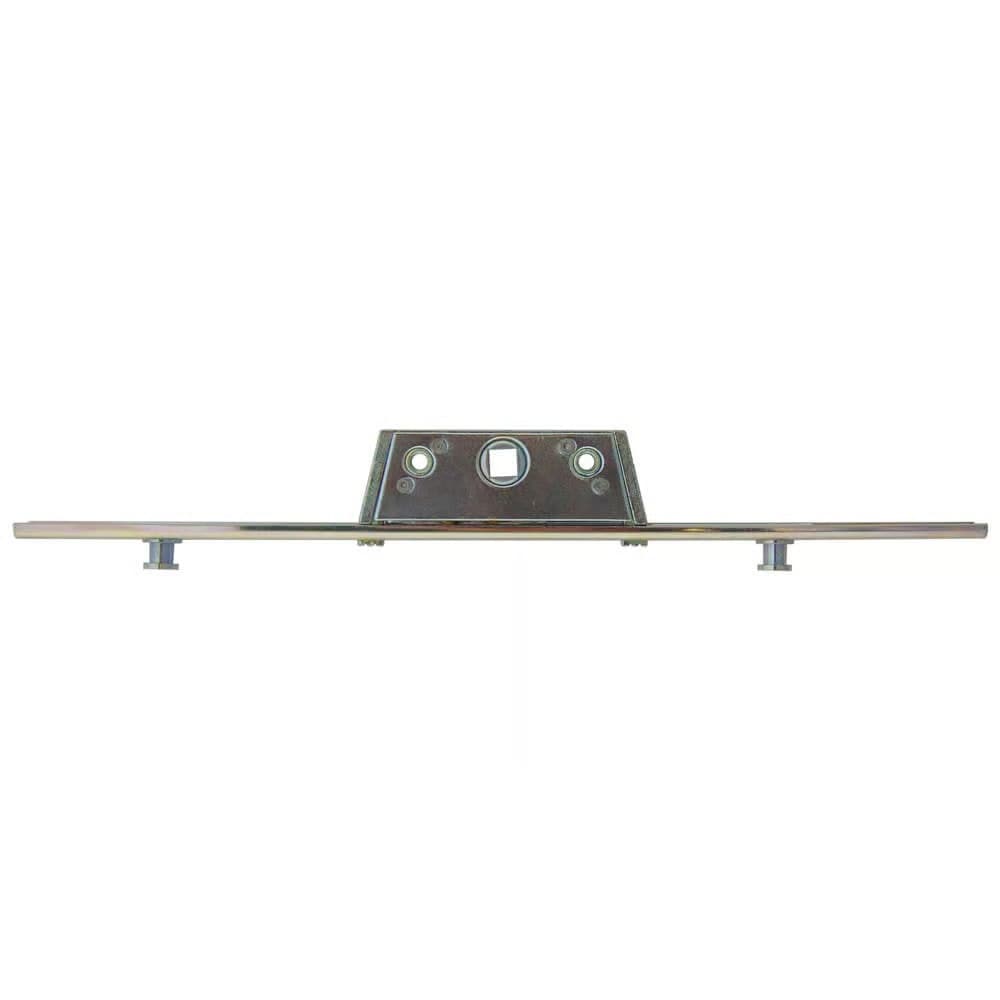
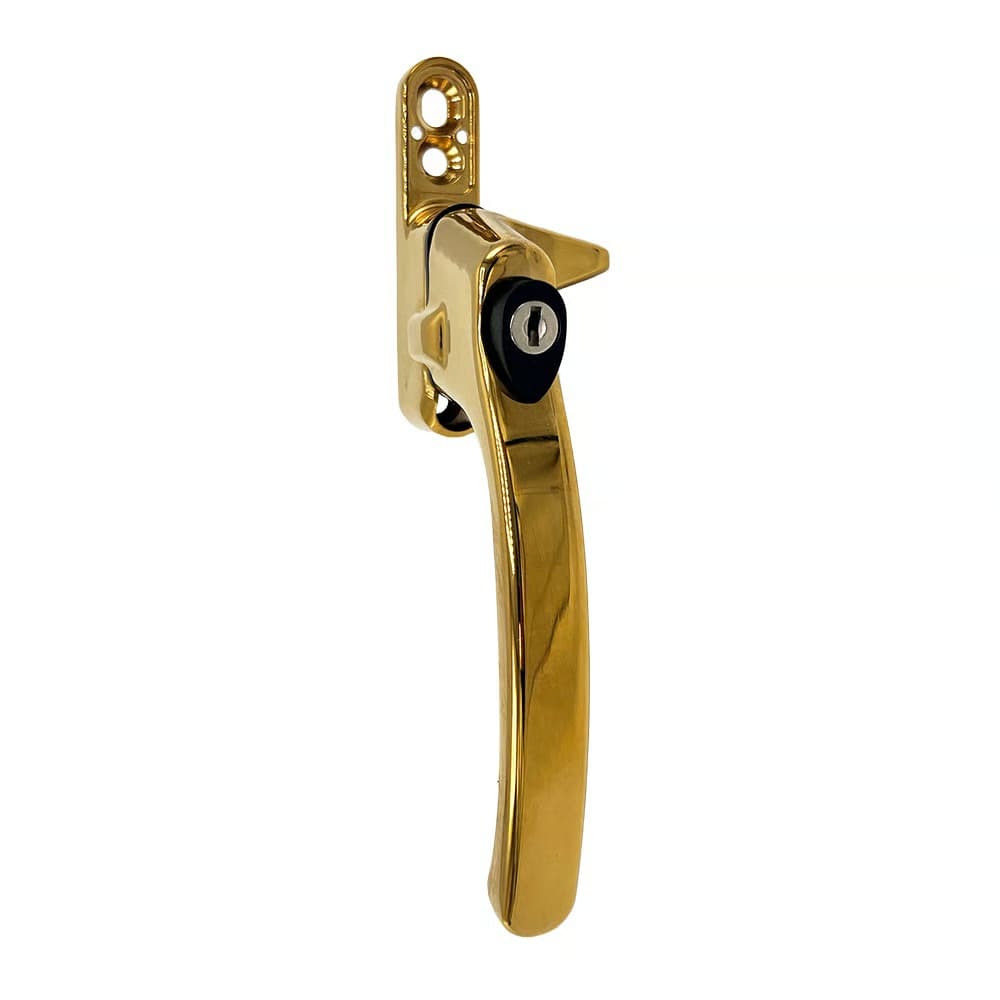
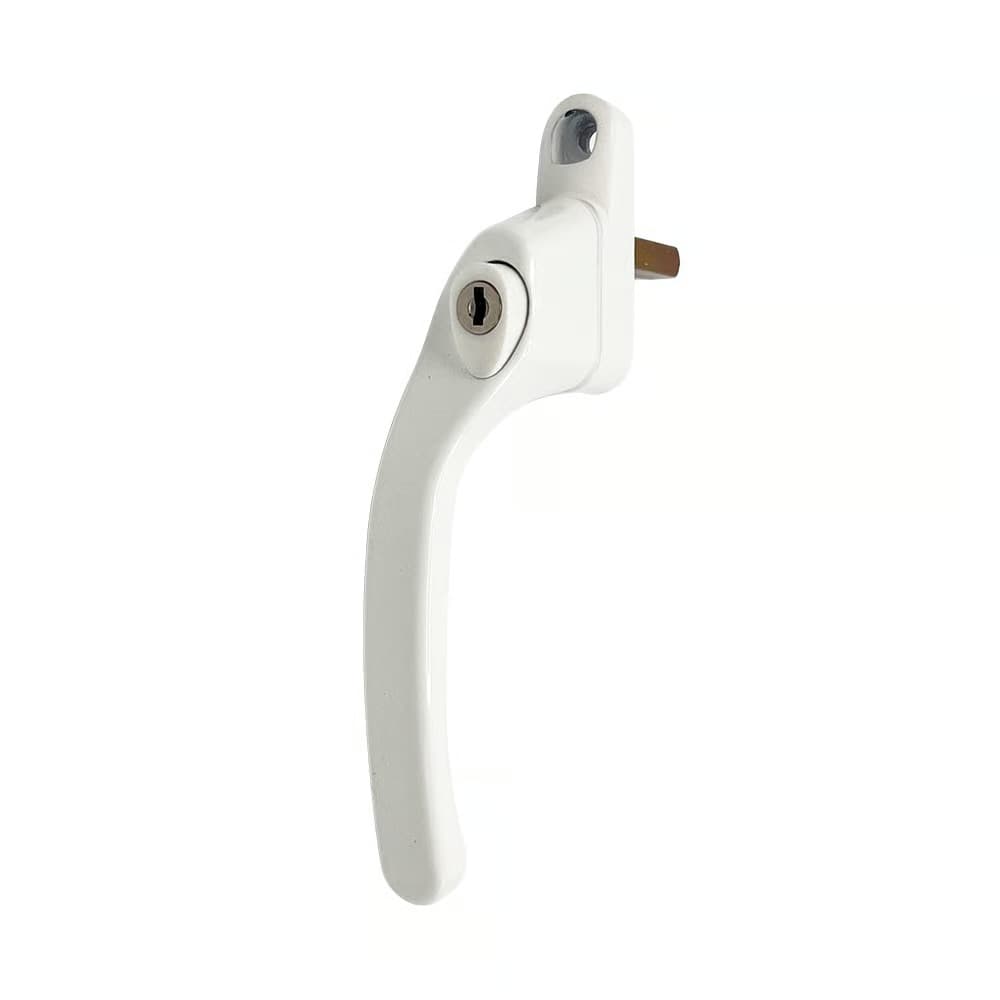
Espag handles are common on uPVC and aluminium casement windows. If your window uses an espagnolette lock, choose an appropriate offset or slimline handle to match the spindle location. Examples include the Avocet Slimline Offset Window Espag and TSS Offset UPVC Window Handles.
Practical tip: measure the distance from the handle centre to the spindle axis and check whether you need a left or right hand version.
Cockspur handles
Cockspur handles (or cockspur fasteners) are surface-mounted and common on older or simpler uPVC and metal frames. They are easy to fit and replace; see TSS Cockspur Window Handles.
Thumb turn and euro cylinder handles
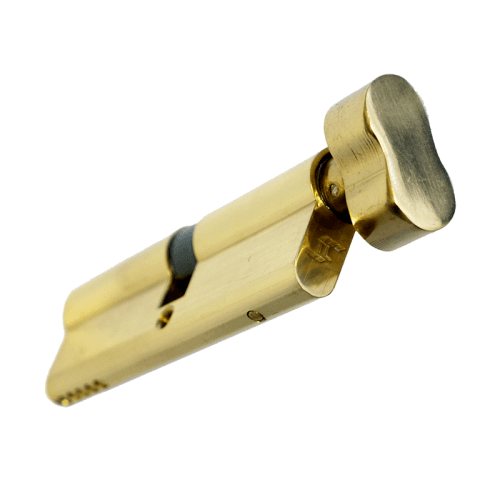
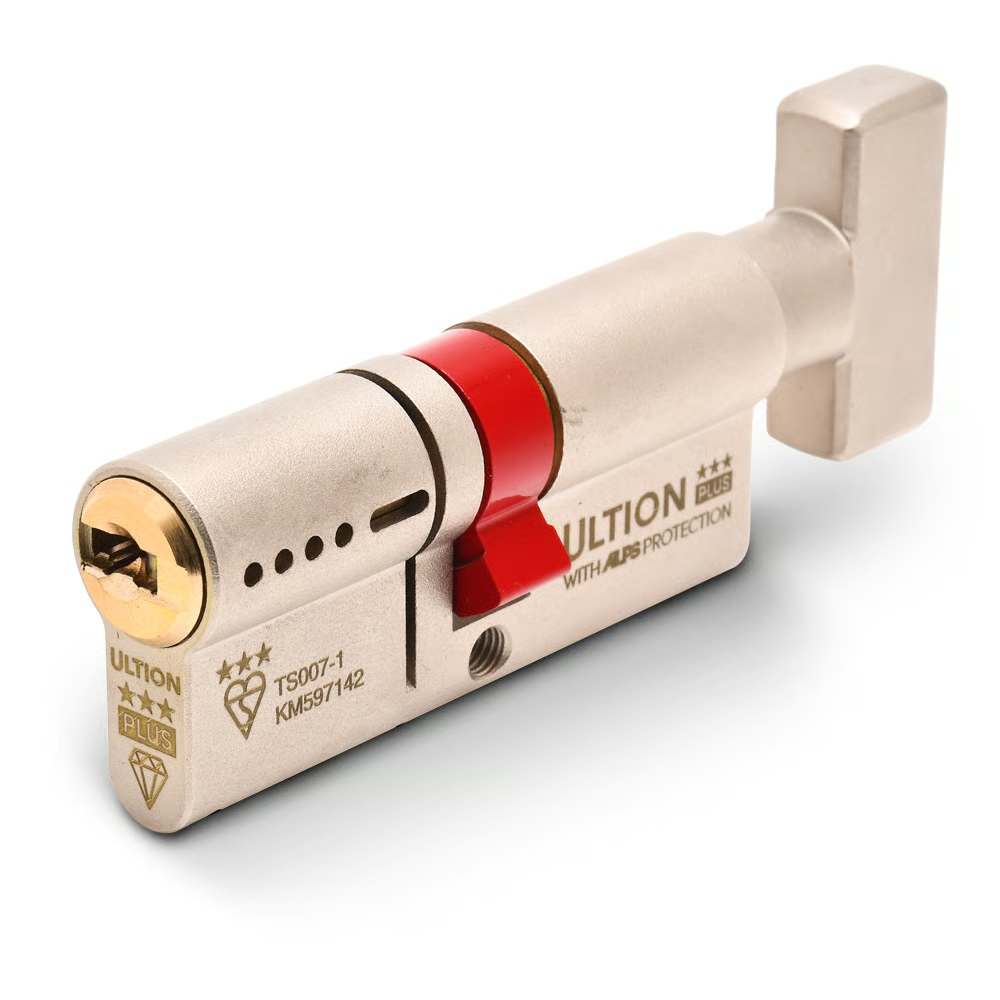
If your windows use a euro cylinder lock, you can fit a thumb turn cylinder for easy internal locking. The TL Thumb Turn Euro Cylinder and high-security options such as the Ultion Plus TS007 3* Kitemarked Euro Key & Turn Cylinder are relevant here.
Specialist handles for top-hung and in-line mechanisms
Top-hung windows use different hinge geometry; ensure the handle is compatible with the Top-Hung Window Hinge - Standard or an in-line mechanism such as the In-Line Window Mechanism.
Materials, finish and durability
Common materials for new window handles:
Finishes matter for matching existing furniture: white, black, chrome, satin or brass. For external exposure choose corrosion-resistant options or stainless steel such as the Flag Door Hinge - Stainless Steel for matching hardware.
Practical tip: if the window sits in a humid or coastal area, avoid plated finishes that may peel; select stainless steel or high-quality powder coating.
Security considerations
When fitting new window handles, consider how they interact with the locking system. A handle alone does not provide cylinder protection; combine it with a secure euro cylinder or thumb turn where appropriate.
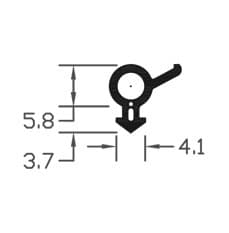
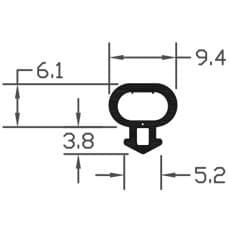
Practical tip: if you replace a handle that operates an espagnolette, ensure the locking rods and shootbolts engage fully. Loose or worn gaskets such as B003 Bubble Gasket and B004 Bubble Gasket may also affect security and sealing.
Compatibility checklist before buying
Practical tip: take a photo of the existing handle, including measurements, and bring it to the supplier or compare with product pages such as Avocet Slimline Offset or TSS Offset options.
Tools and parts you may need
If the mechanism is worn, consider replacing associated parts: espagnolette mechanism, in-line mechanisms (/p/tss-inline-espags-22mm-backset) or hinges (/c/window-hinges).
Step-by-step: fitting new window handles (uPVC/espag example)
Practical tip: if the handle feels loose after fitting, check that the screw holes in the frame are not stripped; use a longer screw into a solid part of the frame if necessary, or use a plastic rawlplug designed for uPVC.
Common problems and fixes
When to call a professional
Call a window specialist if:
Final checks and maintenance
Replacing new window handles is a relatively straightforward way to improve function, security and appearance. With the right measurements, a compatible handle such as an espag, cockspur or thumb-turn option, and basic tools you can complete most jobs yourself. Where mechanisms or frame fixings are damaged, consider replacing the relevant parts or calling a professional.
Products mentioned: In-Line Window Mechanism; Top-Hung Window Hinge - Standard; B003 Bubble Gasket; TL Thumb Turn Euro Cylinder; TSS Cockspur Window Handles; Avocet Slimline Offset Window Espag; Flag Door Hinge - Stainless Steel; TSS Offset UPVC Window Handles; B004 Bubble Gasket; Ultion Plus TS007 3* Kitemarked Euro Key & Turn Cylinder.
Related Reading
Explore more guides on related topics:
Part of our guide:
Complete Guide to Window Handles