Espag Handle Not Working? Common Problems and Solutions
Introduction: If an espag handle is sticking, loose, or won’t operate the window gearbox, it can cause frustration on site or at home. Tradespeople and experienced DIYers know that most problems are s...
Introduction: If an espag handle is sticking, loose, or won’t operate the window gearbox, it can cause frustration on site or at home. Tradespeople and experienced DIYers know that most problems are straightforward to fix with the right diagnosis and a few common tools. This guide explains the most common causes of a faulty espag handle, practical checks, and step-by-step solutions to get windows working reliably again.
How an espag handle works
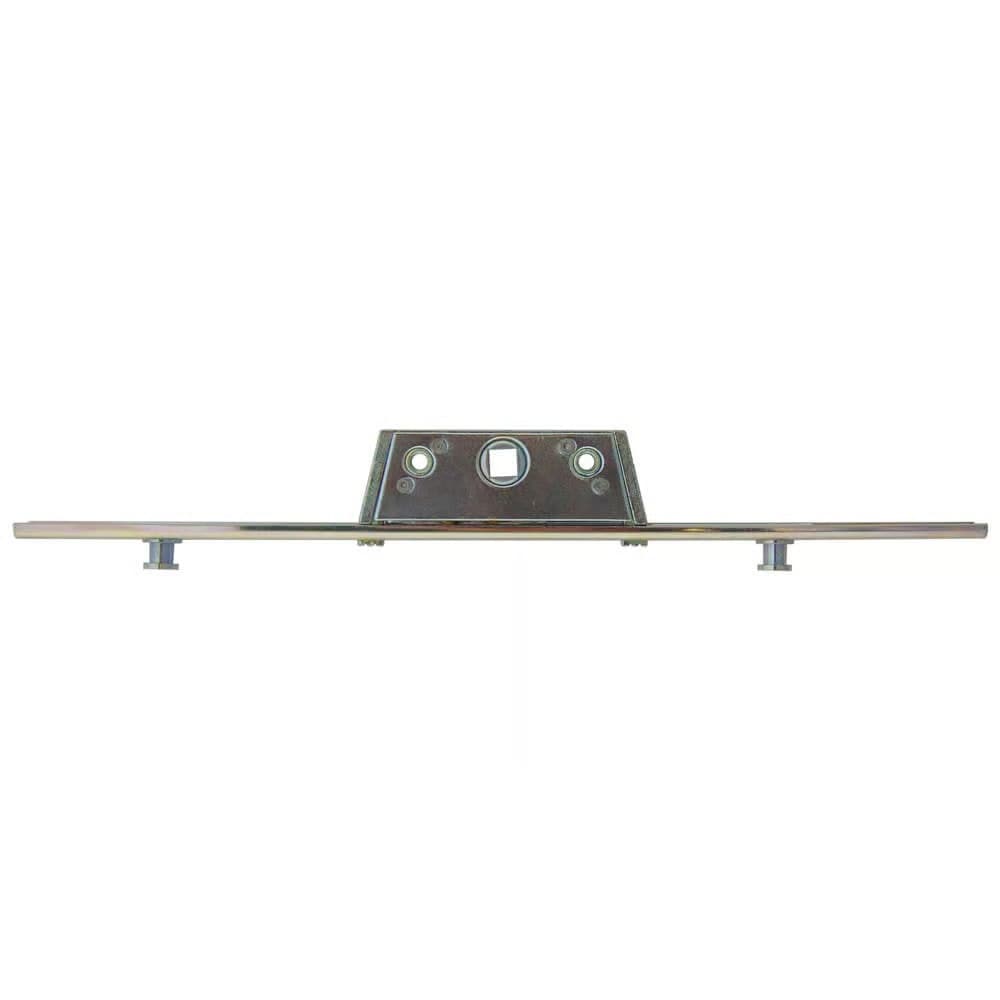
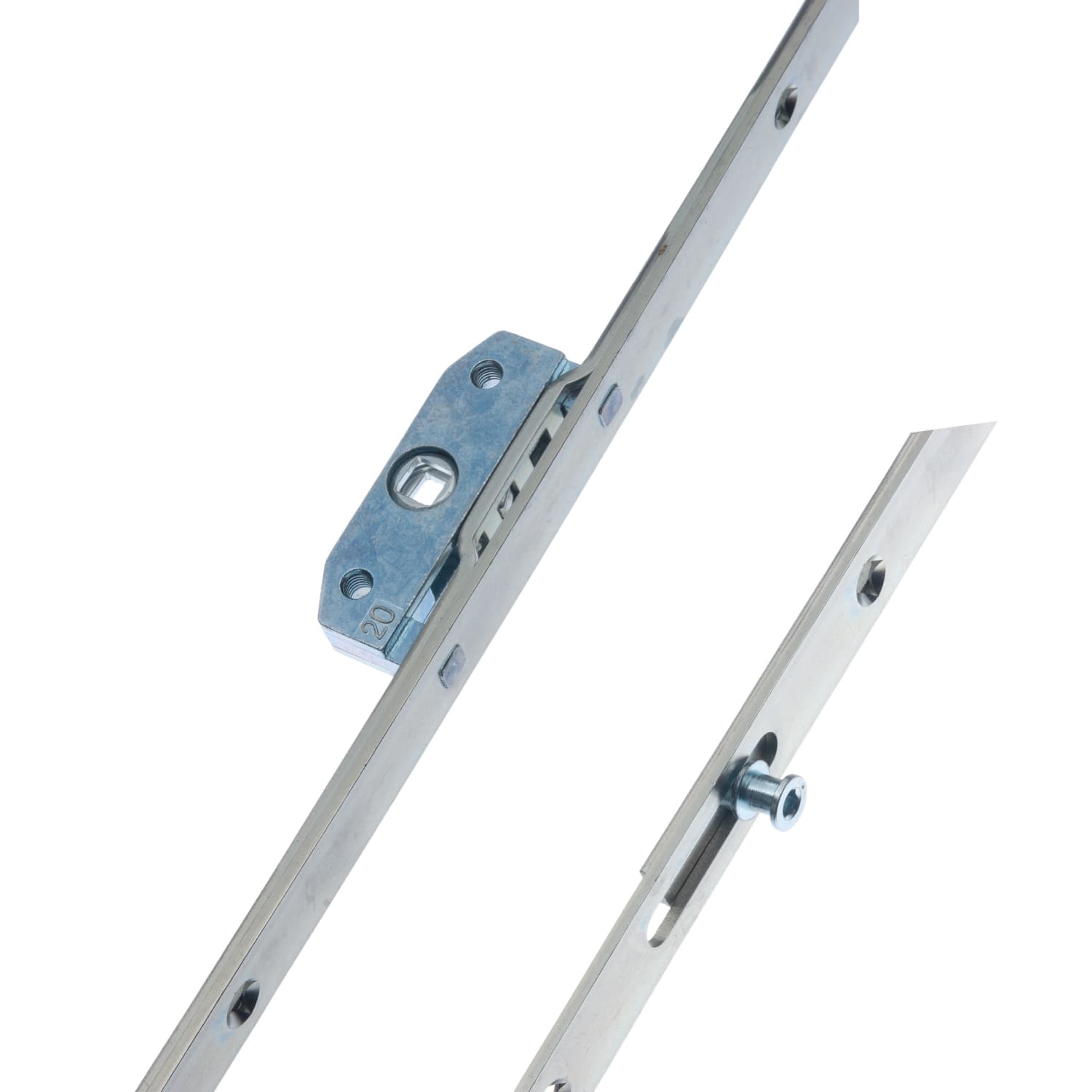
An espag handle converts rotary movement into linear movement via a spindle and a gearbox; the gearbox drives the espagnolette or multi-point mechanism inside the sash. Understanding that simple interaction helps isolate whether the fault is with the handle, the spindle, the gearbox or the lock keeps. If you can feel free movement but no engagement with the locking rod, the problem is usually between the handle and the gearbox.
Common problems and quick checks
- Loose handle or wobble: Check handle retaining screws and spindle wear.
- Handle turns but window does not lock or unlock: Likely a stripped gearbox, broken spindle or disconnected locking rod.
- Handle stuck or hard to operate: Corrosion, dirt in mechanism, stiff gearbox or bent spindle.
- Handle returns partially or won’t close fully: Faulty or worn espagnolette, incorrect keep alignment, or compression adjustment required.
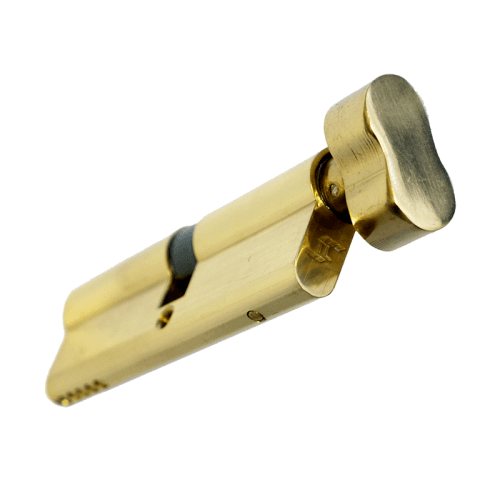
- Cylinder or key-operated handle not locking: Cylinder malfunction or misalignment with the handle mechanism.
Tools and parts you will need
Before you start, have these on hand:
- Screwdrivers: Pozidriv and flathead
- Hex keys or Torx bits for specific handles
- Replacement spindle in the correct length; replacement espag handle if required
- Light lubricant such as PTFE spray; penetrating oil for corroded parts
- Cleaning brush or cloth
- Feeler gauge or small ruler for measuring spindle projection
- Multimeter only if dealing with electric components such as alarm contacts
Step-by-step fault finding and repair
- Visual inspection: Remove the handle cover or roses in line with the manufacturer’s instructions; note whether the spindle is central and whether fixing screws are intact.
- Tighten loose screws: Many on-site callouts turn out to be loose handle fixings. Tighten but do not overtighten; check operation.
- Check the spindle: Remove the handle and pull the spindle out slightly. Is it rounded or excessively worn? If the spindle is damaged replace it with the correct size and profile; an incorrect spindle can cause slippage.
- Test gearbox engagement: With the handle removed, operate the exposed gearbox with pliers using the spindle shape. If the gearbox does not move, the problem is internal – replace the gearbox or the whole espag mechanism as needed.
- Inspect the locking rod and keeps: If the gearbox moves but the locking rod does not, trace the connection; some systems use clip fittings that can come loose and be re-seated.
- Lubricate and clean: Remove debris and apply PTFE spray to moving parts; avoid heavy oils that attract dirt. Corroded parts may require penetrating oil followed by replacement.
- Replace the handle: If the handle itself is bent, stripped or the spring mechanism is weak, fit a new espag handle. Ensure the spindle length, profile and screw positions match the original.
- Adjust compression and keeps: If the window locks but is stiff or does not seal, adjust the keep alignment or the compression setting on the espagnolette; small tweaks can restore proper operation.
Replacing an espag handle: practical tips
When replacing an espag handle, follow these practical steps to ensure a successful installation:
- Measure spindle length: The spindle should project equally from both sides of the gearbox when the handle is in neutral. Use the same length when ordering replacements.
- Match spindle profile: Square spindles are common; some manufacturers use D-shaped or splined spindles. Order the correct profile to avoid poor engagement.
- Check screw centres: Handles have different fixing hole spacings; measure before buying a replacement to avoid needless drilling.
- Swap the gearbox if needed: If the gearbox is worn, replace the part or the entire espagnolette; replacing only the handle can be a temporary fix if the gearbox is damaged.
- Test multiple times: Open, close and lock the window several times to ensure smooth operation and correct alignment with keeps.
When to replace the espag handle or call a specialist
Replace the espag handle when the handle spring is weak, the chrome or finish is failing, or the internal handle mechanism is stripped. Call a glazing engineer or specialist if:
- There is severe corrosion through the frame or hardware that affects structural integrity.
- The gearbox or espagnolette is damaged in a way that compromises security and you need lock certification.
- You cannot identify the matching parts for an older or bespoke system.
- There are electrical interlocks or alarmed hardware where wiring must be handled safely.
Conclusion: An espag handle fault is one of the most common but solvable window issues. With basic checks, the right tools and the correct replacement spindle or handle, most tradespeople and competent DIYers can restore functionality quickly. If in doubt about security-critical components or complex gearboxes, engage a specialist to ensure the repair is secure and compliant with applicable standards. Regular maintenance – cleaning, lubrication and periodic tightening – will extend the life of an espag handle and reduce callouts.
Recommended Products
Based on this article, you may find these products helpful:
Part of our guide:
Complete Guide to Window Handles