How to Fit an Inline Window Handle: Installation Guide
Fitting an inline window handle is a common task for tradespeople and competent DIYers. An inline window handle is used on tilt-and-turn and casement windows where the handle sits in line with the win...
Fitting an inline window handle is a common task for tradespeople and competent DIYers. An inline window handle is used on tilt-and-turn and casement windows where the handle sits in line with the window profile; it operates the locking points without the handle protruding. This guide explains how to choose the right inline window handle, prepare the opening, fit the handle correctly and troubleshoot common issues. Follow these steps to achieve a secure, tidy installation that performs reliably.
Tools, materials and safety
Before you begin, gather the right tools and materials. Having everything to hand saves time and prevents damage to the handle or window mechanism.
- Inline window handle and spindle kit; ensure compatibility with the espagnolette mechanism
- Torx and Phillips screwdrivers; a 2.5 mm hex key for some handles
- Drill with 2.5 mm and 4 mm bits for pilot holes
- Measuring tape, pencil and spirit level
- Centre punch or awl to mark screw positions
- Masking tape to protect the frame and glass
- Cleaning cloth, isopropyl alcohol and threadlocker (Loctite 243 or similar)
- Safety glasses and gloves
Choosing the correct inline window handle
Selecting the correct inline window handle is critical. Check the following before purchase:
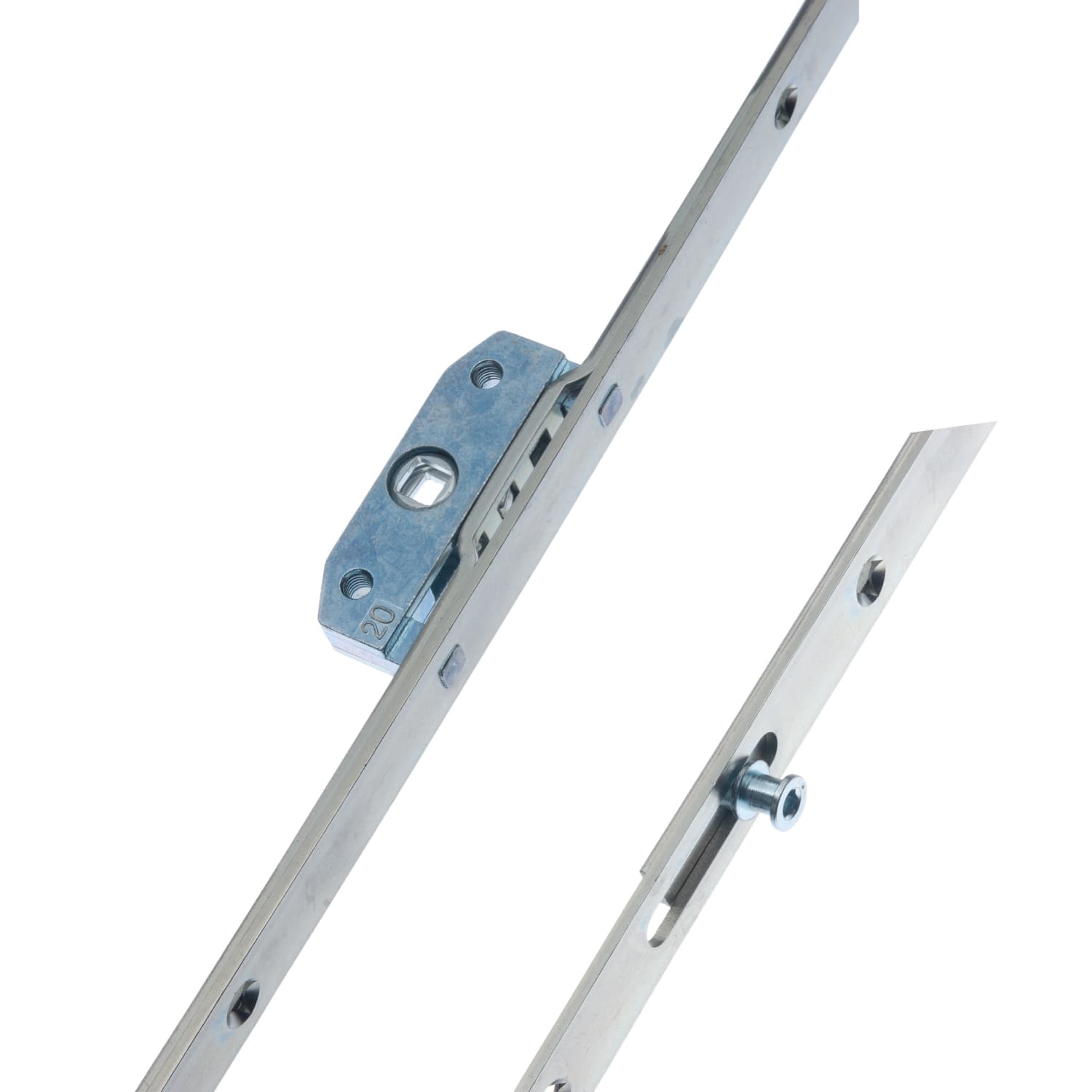
- Spindle length and profile: measure from the handle faceplate to the centre of the espagnolette square — common sizes are 7 mm and 8 mm square; length varies depending on frame depth
- Backset: the distance from the edge of the sash to the centre of the screw holes; match the existing backset
- Fixing centres: ensure screw holes on the handle align with pre-drilled holes or the intended mounting position
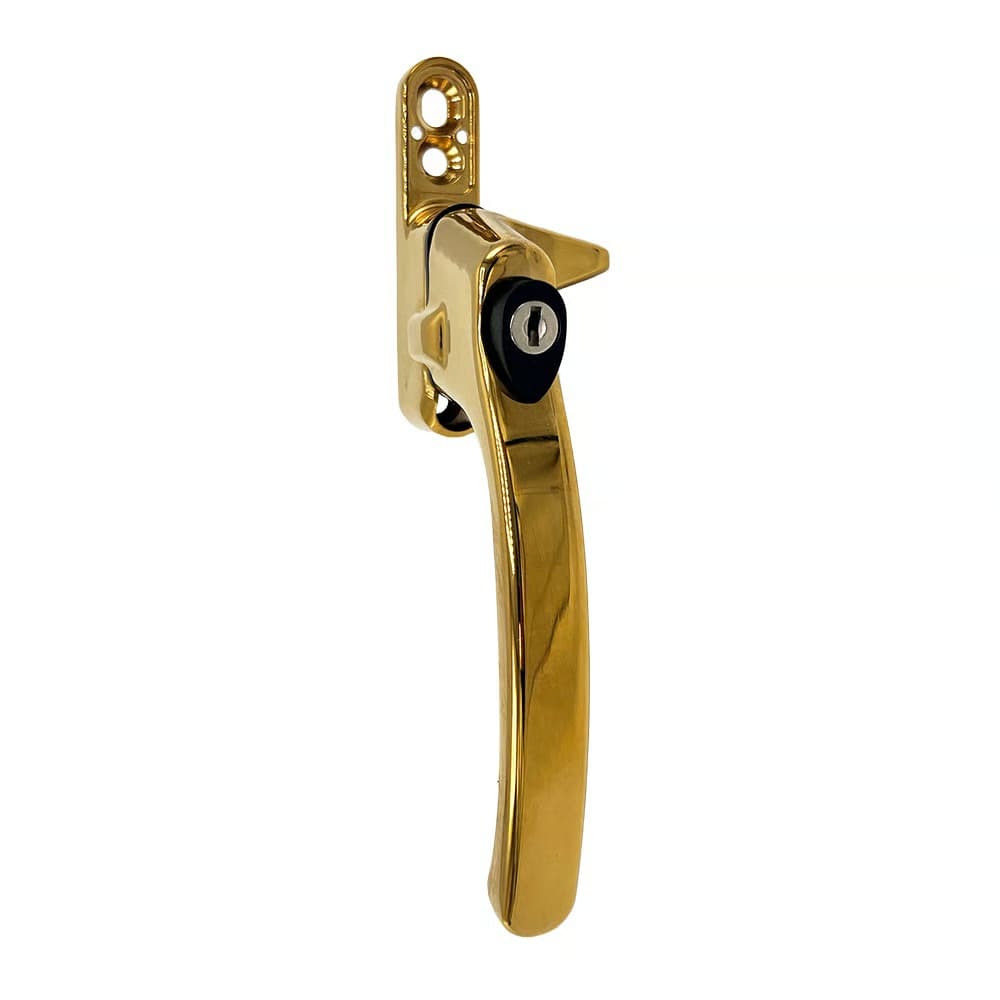
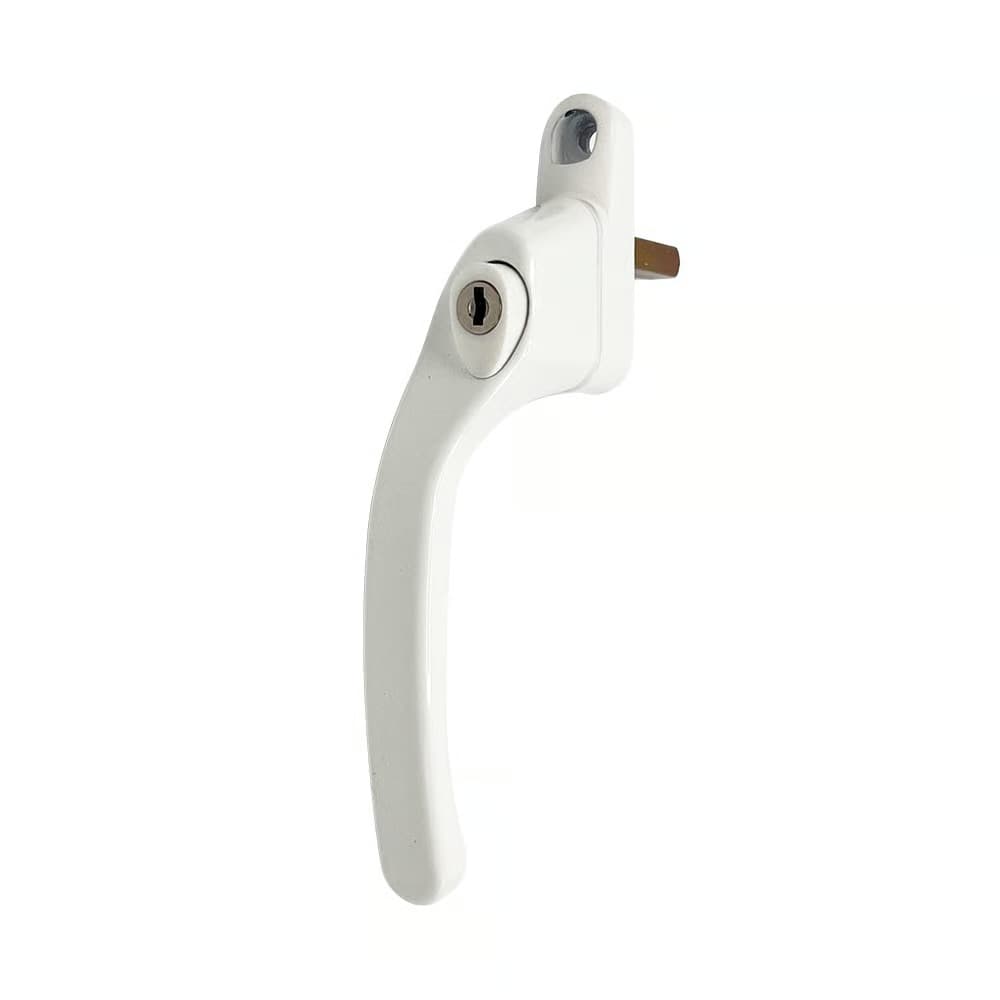
- Finish and material: aluminium, stainless steel or zinc alloy finishes to match door and window furniture
- Reversible operation: for left- or right-handed sashes; many inline window handles are reversible
Removing the old handle and preparing the sash
Preparation matters. Remove the old handle carefully to avoid damaging the frame or locking mechanism.
- Open the window and place masking tape over the glass near the handle to catch any screws or small parts.
- Use the correct screwdriver or Torx bit to remove the fixing screws from the existing handle; store screws if they are to be reused.
- Withdraw the handle from the spindle; if the handle is stuck, gently wiggle the handle while pulling to free it.
- Clean the mounting area with isopropyl alcohol to remove grease and dirt; inspect the frame for any damage or wear that could compromise the new handle.
- Measure and mark new hole positions if required: use a spirit level and centre punch to ensure accuracy.
Fitting the new inline window handle: step-by-step
Follow these steps to fit the inline window handle correctly. Work carefully to maintain alignment and smooth operation.
- Check the spindle: slide the spindle into the espagnolette so that it engages fully. For handles with a stepped spindle, ensure the thicker section aligns with the handle centre.
- Position the handle on the sash: make sure the handle face sits flush with the frame; the operating direction should be correct for the window hand.
- Insert and lightly tighten the fixing screws: start both screws to keep the handle aligned, then tighten evenly. Use threadlocker on screws if vibration is a concern.
- Test operation: turn the inline window handle through its full travel; the locking points should engage and release smoothly without binding.
- Adjust if necessary: if the handle is stiff or the locking points do not align, loosen screws and reposition the handle slightly; retest until operation is smooth.
- Tighten fully and clean: once satisfied, tighten the screws to the manufacturer’s torque recommendation and wipe away any residue.
Common issues and troubleshooting
Even with careful installation, you may encounter problems. Here are common faults and how to fix them when fitting an inline window handle.
- Handle is stiff or sticky: check for debris on the spindle; apply a light silicone lubricant to the mechanism — avoid oil that attracts dust.
- Locking points do not engage: confirm spindle depth and that the handle is not fitted upside down; some inline window handles are reversible.
- Handle wiggles when operated: tighten fixings, but avoid over-tightening which can strip screw threads; replace stripped screws with correct size.
- Sash distortion causes misalignment: check for swollen timber or warped uPVC; remedy frame problems before replacing the handle.
Maintenance and aftercare
Maintain the new inline window handle to prolong service life and keep smooth operation:
- Lubricate moving parts annually with a silicone spray or light grease recommended by the window manufacturer.
- Inspect fixings and retighten every few years; check for corrosion on metal finishes.
- Clean handles regularly with a soft cloth and mild detergent; avoid abrasive cleaners that damage finishes.
- Record spindle size and handle model for quick replacement in future; a small label inside the frame is handy for tradespeople.
Fitting an inline window handle is a straightforward task for tradespeople and experienced DIYers when you have the right tools, components and measurements. Choose a compatible inline window handle, take time to prepare the sash, and test and adjust the mechanism during installation. Proper maintenance will ensure long-term performance and a professional finish. If you are unsure about the correct spindle size or backset, consult the window manufacturer or a specialist supplier to avoid wasted time and components.
Recommended Products
Based on this article, you may find these products helpful:
Part of our guide:
Complete Guide to Window Handles