Best Offset Window Handles for Low Sill Positions
Choosing the right offset window handle is essential when you are fitting or replacing handles on low sill windows. Tradespeople and experienced DIYers know that a poorly chosen handle can make a wind...
Choosing the right offset window handle is essential when you are fitting or replacing handles on low sill windows. Tradespeople and experienced DIYers know that a poorly chosen handle can make a window awkward to operate, unsafe at waist height, or obstruct internal fittings. This guide explains what an offset window handle is, why you need one for low sills, how to select the best option for different systems, and practical installation and maintenance tips.
What is an offset window handle and why use one?
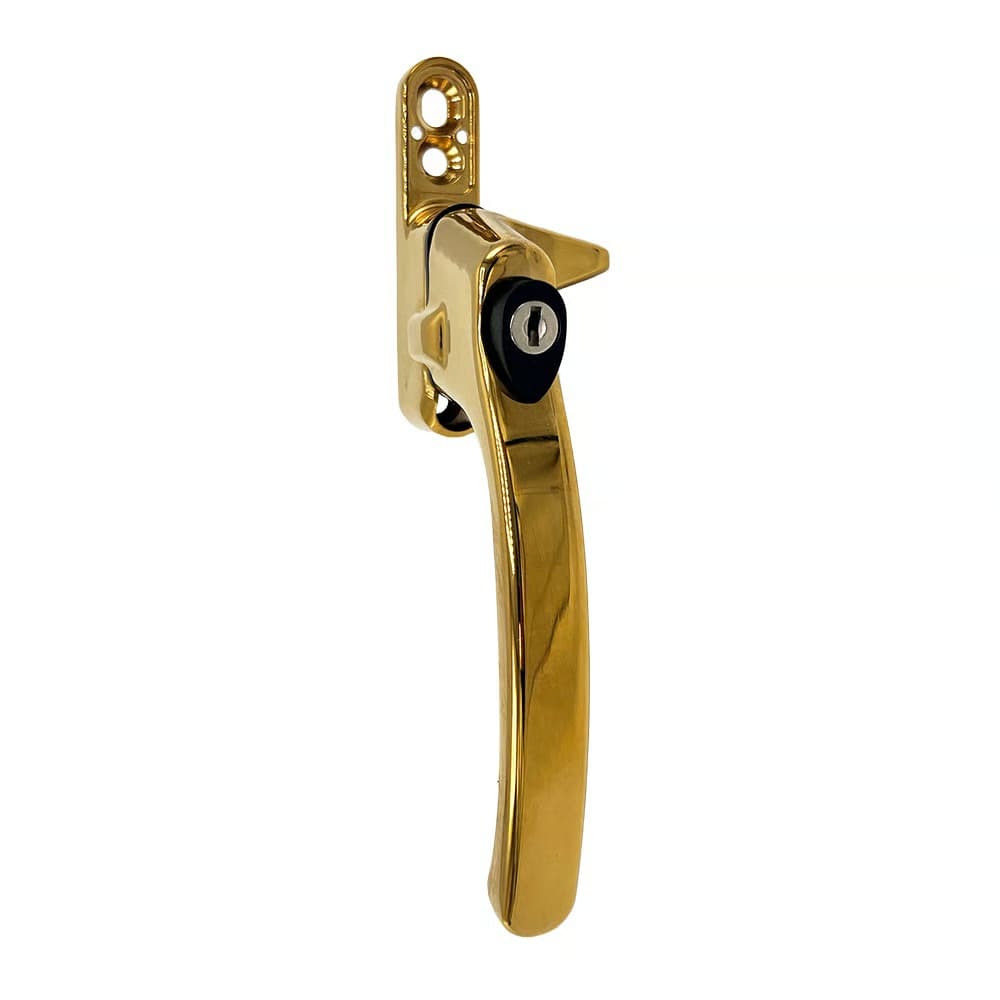
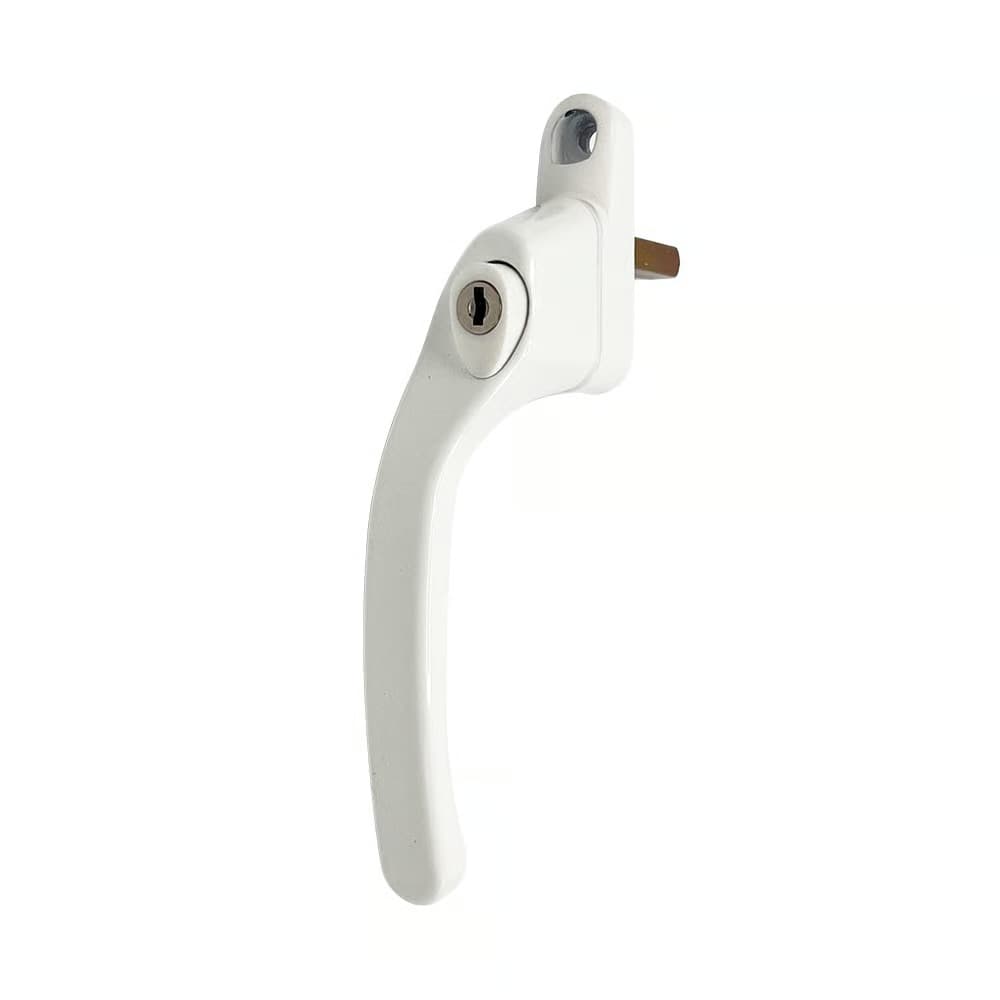
An offset window handle is a handle where the spindle or fixing point is set away from the face of the handle; this moves the grip profile away from the window frame. For low sill positions, the offset window handle offers better ergonomics and clearance. Tradespeople often fit offset window handles to give users space to operate the handle without their wrist hitting skirting boards, radiators, or internal blinds.
Key benefits of offset window handles for low sills
- Improved ergonomics: an offset window handle places the grip further from the frame so opening and closing is comfortable at waist and hip height.
- Clearance: helps avoid contact with internal obstacles such as window seats, radiators, or curtains.
- Enhanced security: many offset window handles are available with locking options to meet PAS24 and Secured by Design requirements.
- Compatibility: available for casement and tilt-and-turn systems, making them suitable for new builds and retrofit jobs.
- Aesthetics: modern offset window handles come in a range of finishes to match ironmongery and hardware schemes.
How to choose the best offset window handle
Selecting the right offset window handle involves assessing several practical factors. Consider these points on site so you can specify correctly:
- Type of window: casement, tilt-and-turn, or bespoke systems all need different spindle lengths and fixing centres.
- Offset measurement: common offsets are 7mm, 12mm, 16mm and 20mm; measure the distance needed to clear internal obstructions before ordering.
- Spindle size and length: ensure the spindle fits the multipoint gearbox or lock, and that available length accounts for any spacer plates or beads.
- Fixing centres: check the screw positions match existing holes to avoid redrilling in face-changed installations.
- Locking options: choose a key-locking or push-button locking offset window handle if the application requires childproofing or enhanced security.
- Finish and corrosion resistance: for coastal or high-moisture locations choose corrosion-resistant finishes such as stainless steel or marine-grade coatings.
Trade-focused installation tips
For quick, robust installations of an offset window handle follow these professional tips. They save time on site and reduce call-backs:
- Confirm measurements: measure the required offset, spindle length and backset before removing the old handle. Record the gearbox type.
- Use template or marking jig: align the handle plate with a template to avoid misaligned screw holes; this is critical for face-changed sash windows.
- Choose correct fixings: use countersunk or reinforced screws where specified by the manufacturer; replace stripped holes with suitable repair anchors if necessary.
- Test operation: after fitting, cycle the handle through full operation several times to ensure the offset works with restrictors, friction hinges and multipoint locks.
- Seal around the base: where handles meet uPVC or timber frames, a bead of suitable sealant prevents moisture ingress and staining.
- Document for client: leave notes for the homeowner on any special maintenance or locking key location; this reduces future service calls.
Compatibility and common pitfalls
Knowing the common incompatibilities helps avoid wasted material and delays. Key pitfalls to watch for include:
- Mismatched spindle sizes: many manufacturers use 7mm square spindles; some use 8mm or non-square spindles. Check before ordering replacement offset window handles.
- Incorrect offset selection: choose too small an offset and the handle will still foul obstacles; too large and the handle may look disproportionate or snag soft furnishings.
- Wrong fixing centres: older timber windows use different screw centres to modern uPVC; a face-plate swap may be needed.
- Non-handed handles: double-check handedness on tilt-and-turn systems; installing the wrong hand can prevent full travel.
Maintenance and compliance considerations
Offset window handles require the same regular checks as standard handles. For tradespeople advising clients, recommend these straightforward maintenance steps:
- Lubricate moving parts annually with light oil or manufacturer-approved lubricant.
- Tighten fixings periodically; low sill handling can put more torque through fixings than higher fittings.
- Replace locking cylinders or caps if keys are lost; rekeying may be necessary for security compliance.
- Check that handle operation remains smooth with any integrated restrictors or child-safety devices.
From a compliance perspective, always specify locking offset window handles where required by building regulations or insurance conditions. For retrofit jobs, ensure replacement handles meet the original window system specifications or consult the window manufacturer for approved alternatives.
Conclusion: When fitting windows at low sill positions an offset window handle is often the simplest and most cost-effective solution to improve operation, safety and aesthetics. For trade professionals, accurate measurement, correct spindle and fixing selection, and attention to hand and locking options will result in a reliable installation. Homeowners benefit from a handle that is comfortable to use and less likely to clash with furniture and fittings. For best results on every job, carry a small stock of common offsets and spindle sizes so you can complete jobs first time; specifying the right offset window handle saves time, reduces call-backs and keeps customers satisfied.
Recommended Products
Based on this article, you may find these products helpful:
Part of our guide:
Complete Guide to Window Handles