Why Your Window Handle Won't Lock: Causes and Simple Fixes
Why Your Window Handle Won't Lock: Causes and Simple Fixes
Window handles are small components with a big impact: they affect security, functionality and the overall finish of your windows. This guide explains the main types of window handles, how to choose the right one for your window system, and practical, step-by-step advice for fitting and maintaining them.
Why the right window handles matter
Choosing the correct window handles improves security, ease of use and durability. The wrong handle can cause rattling, poor sealing or even premature failure of the window mechanism. Common issues such as stiff operation, corrosion or misalignment are often down to an unsuitable handle or incorrect installation.
Types of window handles
Below are the common styles of window handles you will encounter, and when to use each.
Cockspur handles
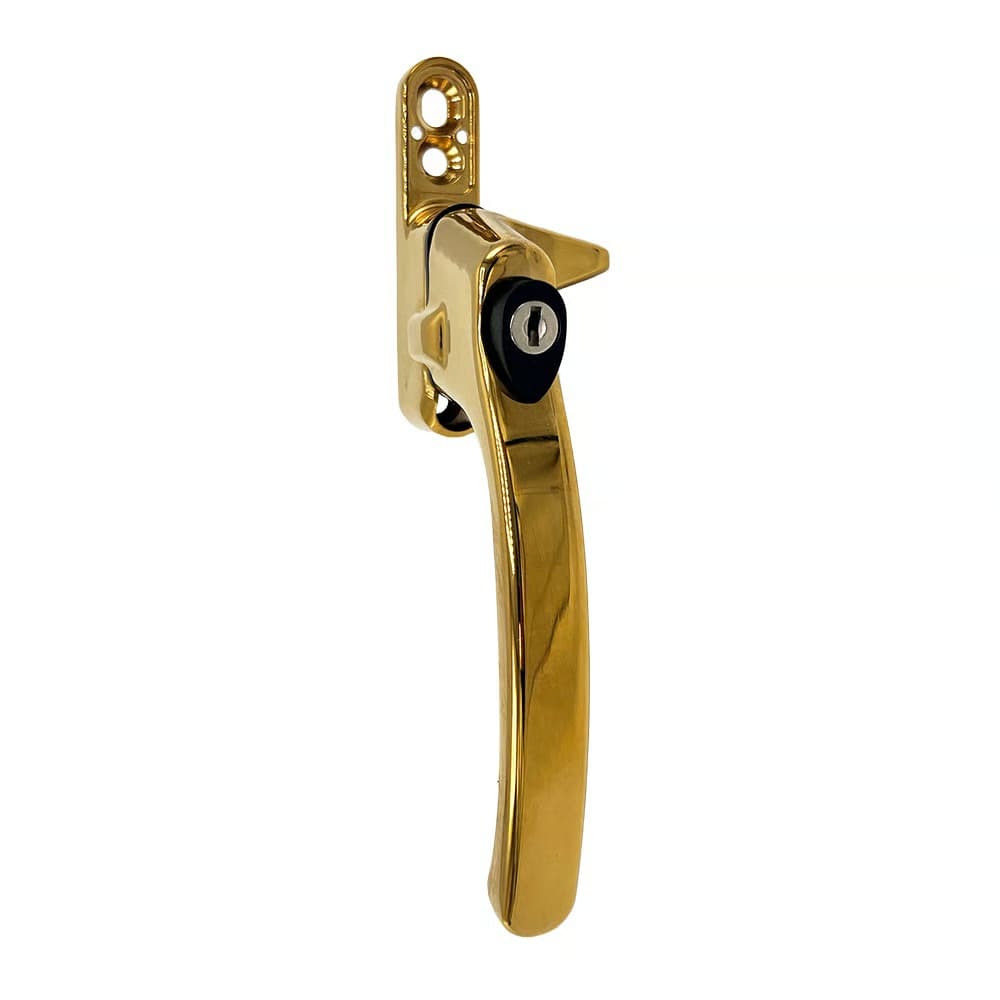
Cockspur handles are simple, surface-mounted handles commonly used on older timber and some uPVC windows. They hook over the window frame when closed, providing a basic latch. They are easy to fit and cost-effective but offer limited security compared with locking alternatives. If you need replacement cockspur handles, consider the TSS Cockspur Window Handles.
Espag handles (espagnolette)
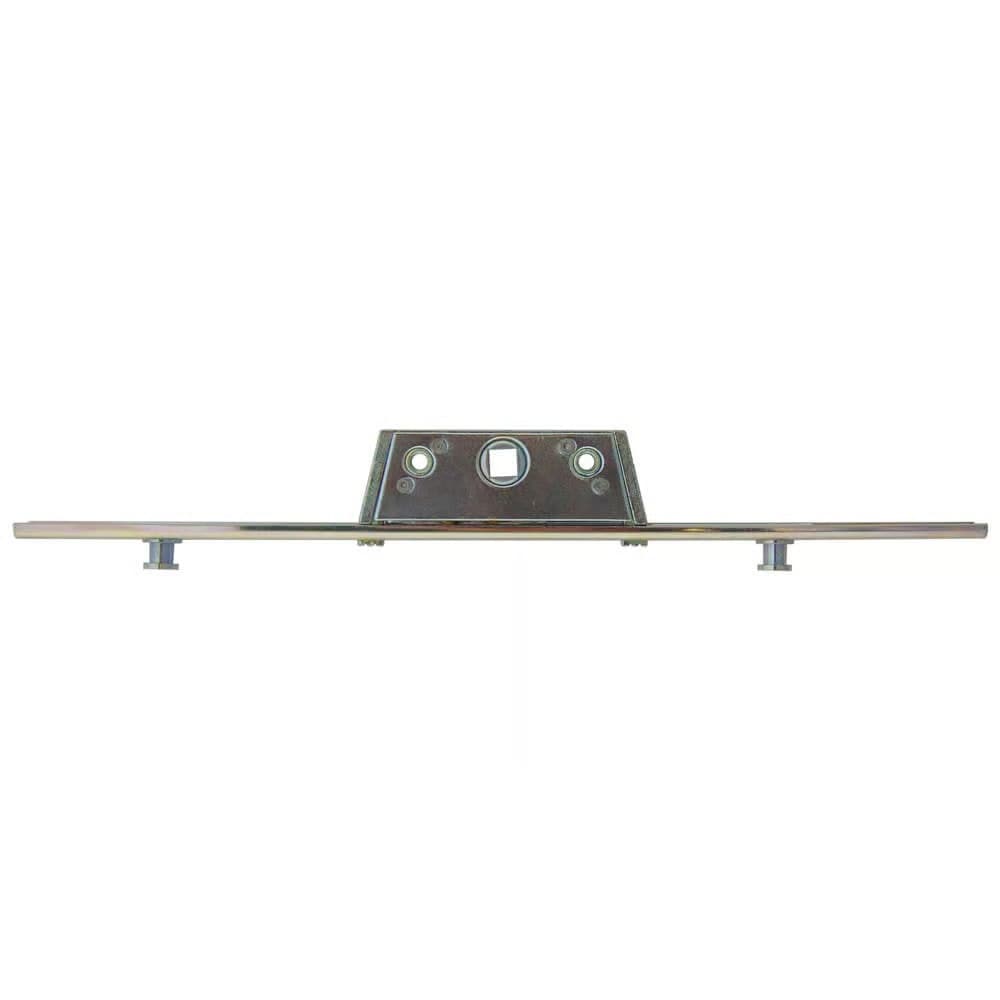
Espag handles operate a multi-point locking mechanism within the window frame. These are common on uPVC and aluminium windows and are available in different backset and spindle lengths. The Avocet Slimline Offset Window Espag is a good choice for slimline frames where a neat appearance matters.
Offset and inline handles for uPVC
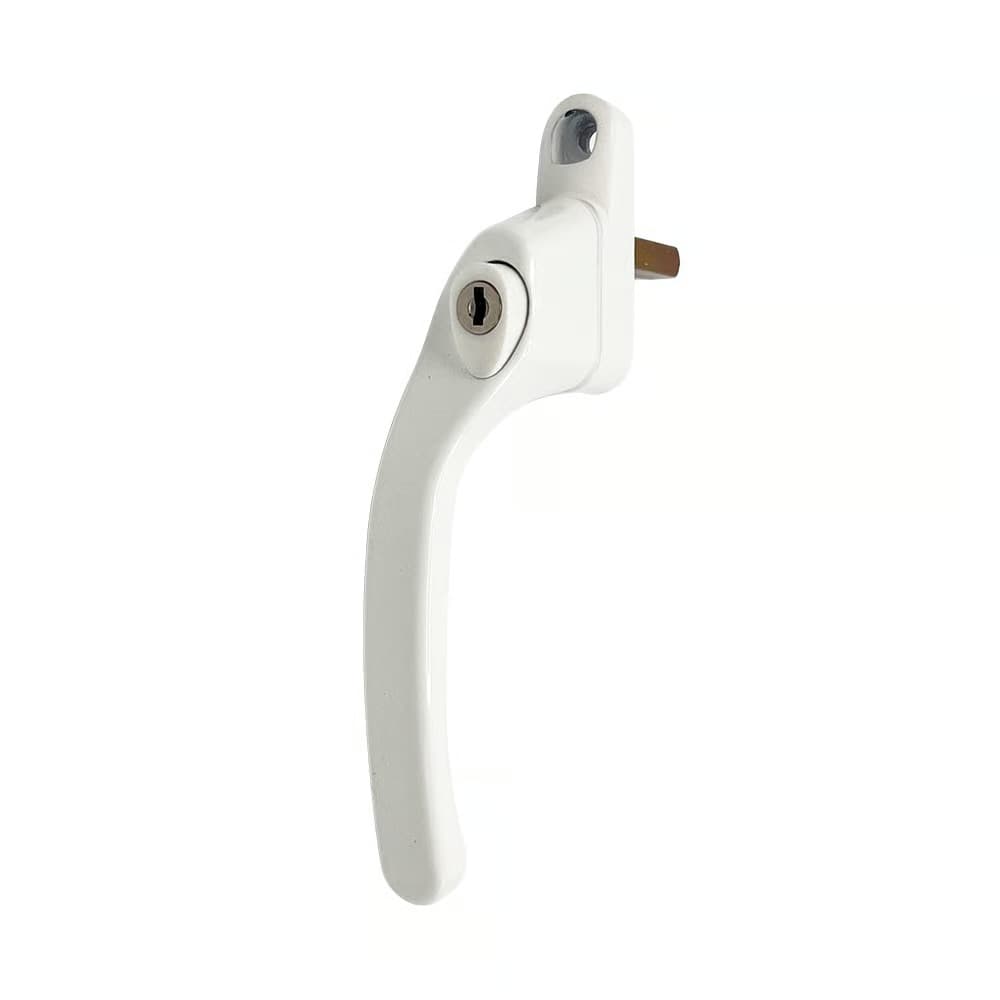
Offset handles have the spindle positioned off-centre to accommodate different gearbox arrangements in uPVC windows. The TSS Offset UPVC Window Handles are suitable for many contemporary uPVC profiles. For inline systems, components such as the In-Line Window Mechanism are often used alongside matching handles.
Key-locking and thumb-turn cylinders
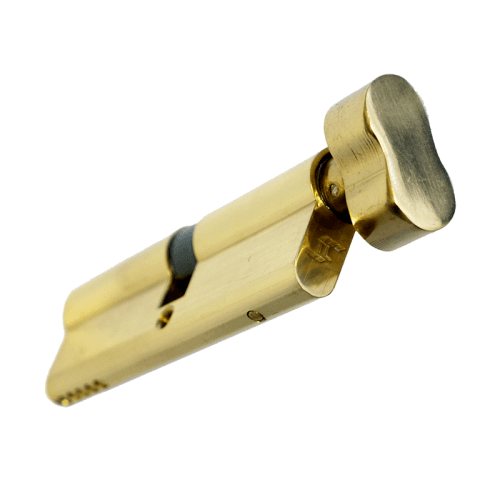
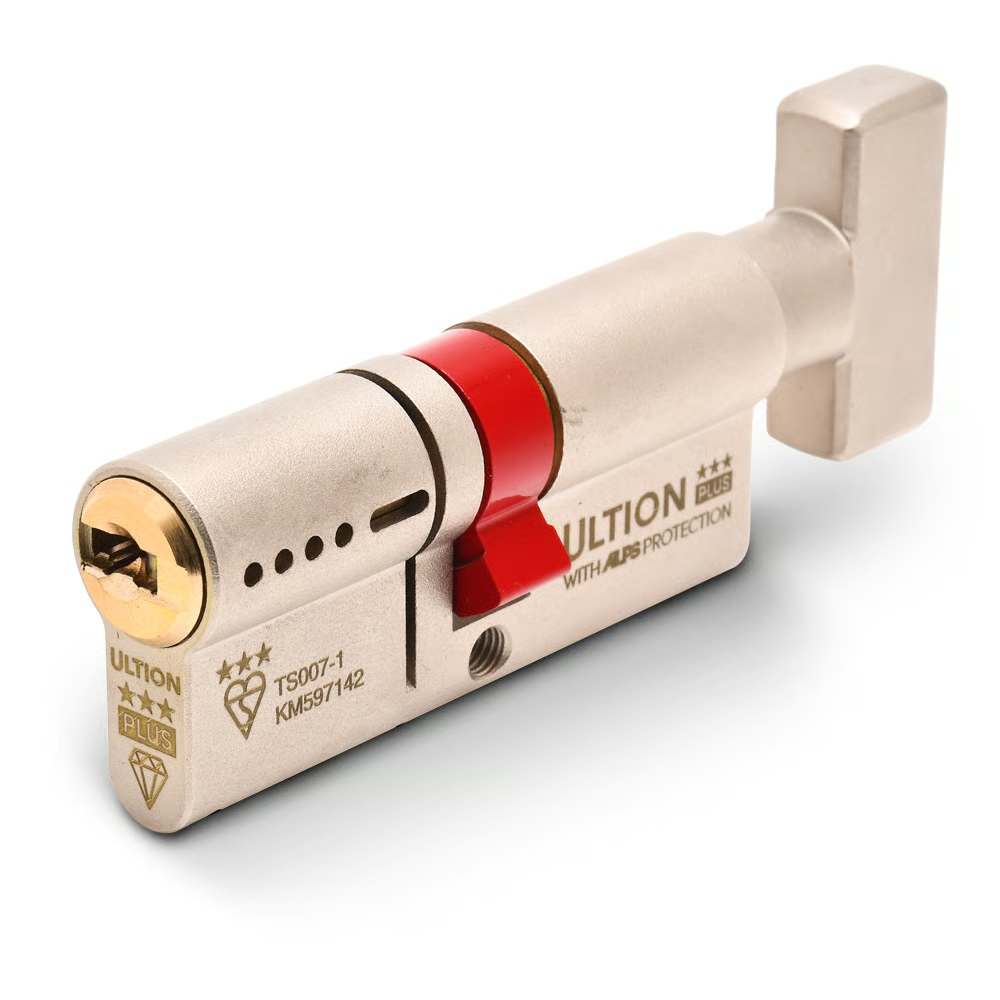
For improved security, choose handles that accept a lockable cylinder or have a thumb-turn cylinder built in. Examples include the TL Thumb Turn Euro Cylinder for internal convenience and the Ultion Plus TS007 3* Kitemarked Euro Key & Turn Cylinder for high security.
Matching handles to your window system
Selecting the right handle is about compatibility: spindle length, backset, fixing hole centres and handle style must match the window gearbox or lock.
If you have a top-hung arrangement, components such as the Top-Hung Window Hinge - Standard should be considered as part of the overall hardware solution so the handle and hinge work together smoothly.
Security considerations
Window handles contribute to the overall security of your home. Consider the following:
How to fit a replacement window handle: step-by-step
Tools required: screwdriver set, tape measure, pencil, replacement handle, possibly a new cylinder and light lubricant.
If the handle operates a multi-point lock and you notice unusual resistance, check the GPO or espagnolette mechanism and consider complementary parts such as the In-Line Window Mechanism for smoother function.
Maintaining window handles for longevity
Regular maintenance reduces wear and avoids costly replacements.
When to call a professional
Some situations require trade expertise:
Practical checklist before buying window handles
Useful product pairings
Related Reading
Explore more guides on related topics:
Summary
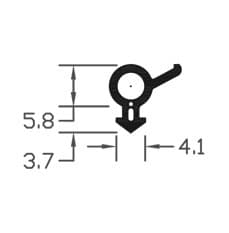
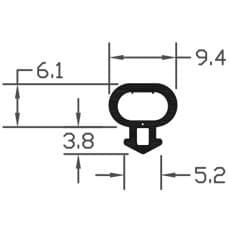
Choosing the right window handles involves more than style: measure carefully, match the handle to the window locking mechanism, and think about security and sealing. Regular maintenance and correct fitting will keep windows operating smoothly for years. If in doubt, consult a professional to ensure the handle, cylinder and complementary components such as gaskets and hinges are compatible and correctly installed.
Part of our guide:
Complete Guide to Window Handles