uPVC Replacement Window Handles: Trade Tips for a Perfect Fit
Replacing worn or damaged handles can restore smooth operation and security to uPVC windows without the cost of full frame replacement. This guide provides...
Replacing worn or damaged handles can restore smooth operation and security to uPVC windows without the cost of full frame replacement. This guide provides trade-ready tips for choosing and fitting upvc replacement window handles, covering measurement, matching handle types, common pitfalls and finishing touches that ensure a professional result.
Identify the handle type and fixing pattern
The first practical step is to identify the handle type. Common styles include espagnolette handles (used with multi-point locking gear), cockspur handles for simple casement windows, and tilt-and-turn handles. Each requires different fixing centres and often a different spindle or backplate.
- Espag/espagnolette: Look for a rectangular gearbox housing on the back of the handle and a square spindle that operates the espag mechanism. A popular option for this category is the TSS Cockspur Window Handles.
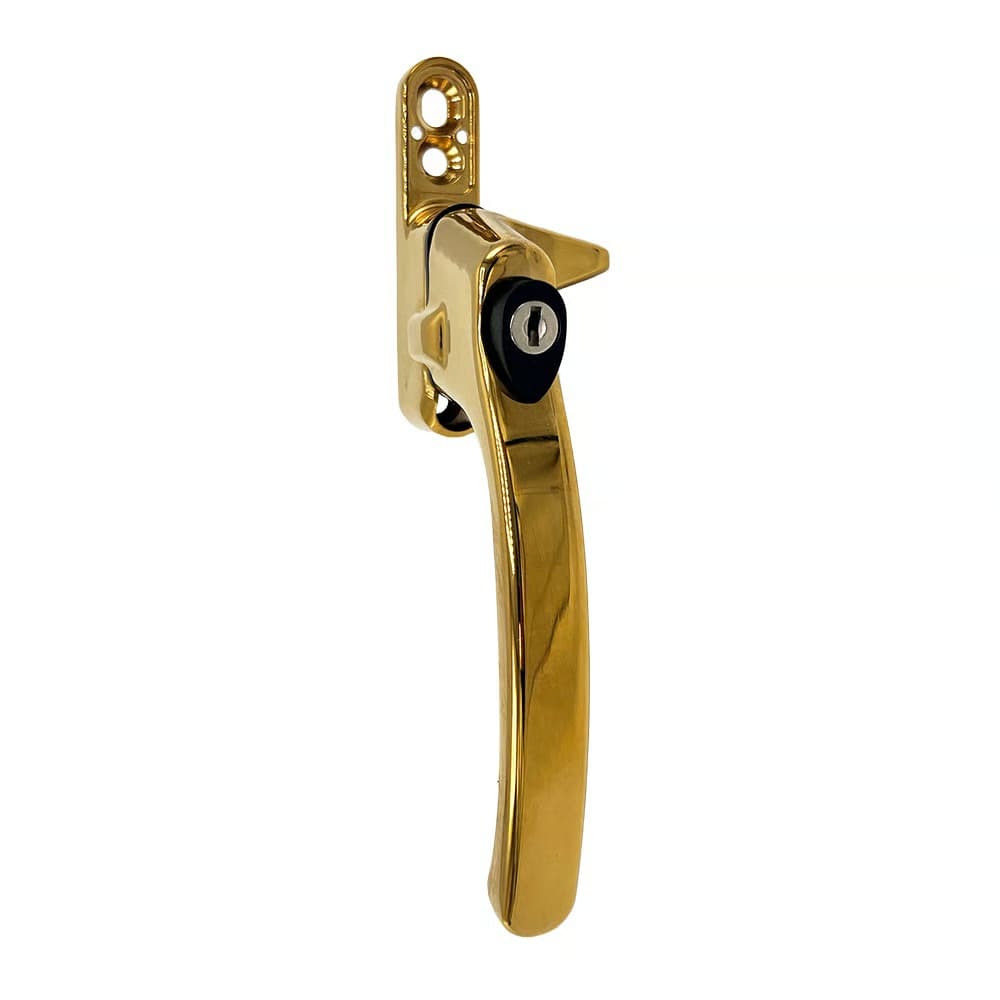
- Cockspur: These have a simple projecting hook and generally screw directly into the frame through two visible screws. An example is the TSS Cockspur Window Handle.
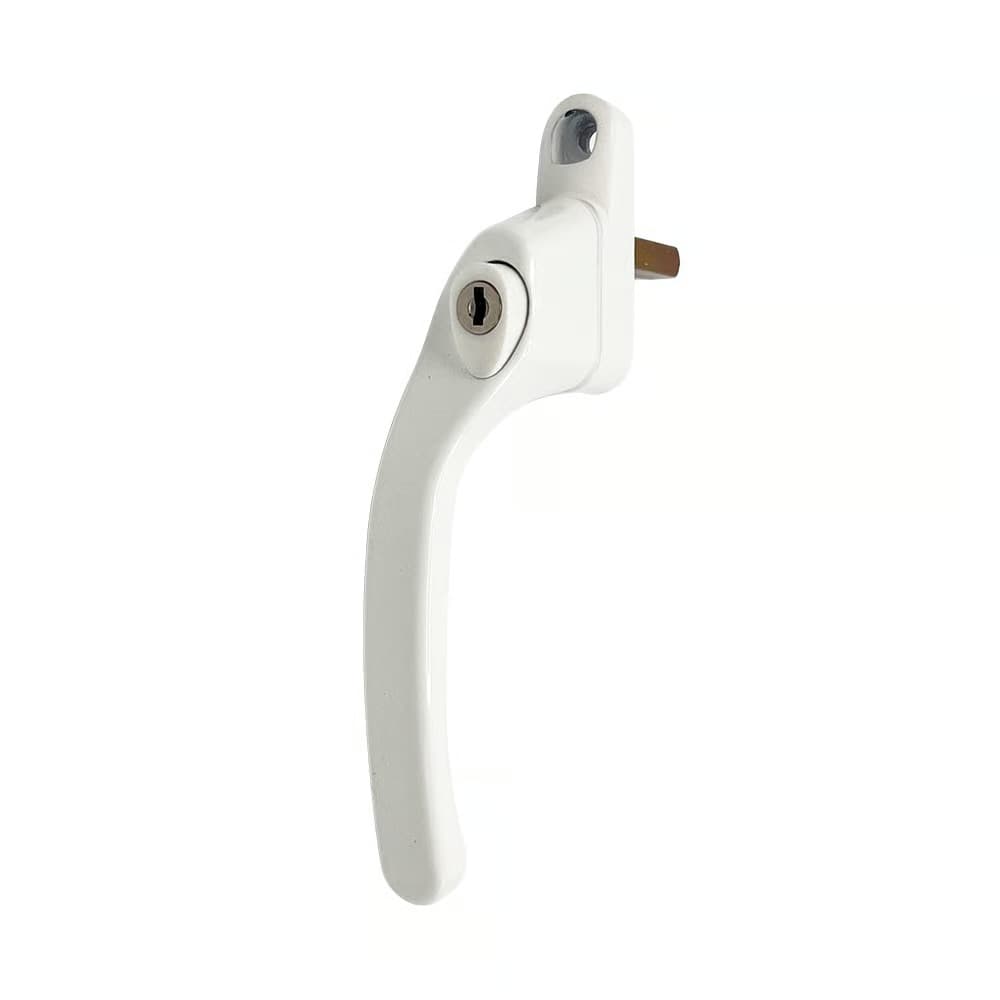
- Tilt-and-turn or Yale-style: These often have fixed backplates and require specific spindle lengths and screw centres; the TSS Offset UPVC Window Handles is representative of this type.
Accurate measurement: trade tips that save time
Precise measurement avoids returns and rework. Use callipers or a steel ruler and measure to the nearest millimetre.
- Screw centres: Remove the handle and measure between the centres of the two fixing holes. Common sizes are 43mm and 92mm for multipoint handles, and other bespoke sizes for specialist fittings.
- Spindle length: Measure from the surface of the handle backplate to the end of the spindle when engaged. For tilt-and-turn or deep-rebated frames, longer spindles may be required.
- Backplate size and shape: Note if the handle has a round rose, a long rectangular backplate, or an integrated gearbox, as replacements must match to conceal existing screw holes.
Choosing the right replacement: matching function and security
Selecting a handle involves matching the operational function (locking, non-locking, quadrant) and ensuring required security standards are met. For uPVC windows on ground floors or accessible areas, choose handles with secure locking mechanisms or those compatible with anti-bump features. Consider keyed handles or internal locks where extra security is required.
Match the handle finish to the existing hardware for a uniform appearance. White, satin chrome, and black are common finishes. For tradespeople fitting multiple properties, stock the most popular finishes and sizes to reduce call-backs.
Preparation and tools for a professional install
Prepare the work area and gather specialist tools to speed up installation and ensure a durable fit.
Essential tools:
- Power screwdriver or torque-limited driver
- Set of hex keys and a 7mm/8mm square spindle gauge
- Digital vernier callipers
- Hand file and fine-grit sandpaper
- PTFE lubricant or approved window lock grease
- Silicone sealant (neutral cure) for any small gap sealing
Fitting technique: step-by-step trade approach
1. Remove the old handle carefully, keeping screws and any spacers for reference. Inspect the gearbox or espag for wear; replace if the gearbox rotates freely or the locking cam is damaged. 2. Match the replacement handle backplate to the existing holes. If the backplate doesn’t align, measure and mark new hole positions, ensuring they do not interfere with existing reinforcement or seals. 3. Fit the spindle to the handle and insert into the gearbox. For tandem fittings, make sure both handles engage equally by testing before final tightening. 4. Use a torque-limited driver to tighten fixings. Over-tightening can crack uPVC or distort the backplate; under-tightening causes play and premature wear. Aim for firm engagement without crushing. 5. Apply a small amount of PTFE lubricant to the gearbox and moving parts for smooth operation. 6. Check locking function and alignment with the keepers. Adjust the keepers slightly if the handle is hard to turn or if the lock does not engage smoothly.
Troubleshooting common issues
- Handle feels loose after fitting: Remove and re-tighten using proper fixings; consider timber plugs if holes are worn.
- Locking cam misses the keeper: Realign the keeper plate slightly or fit an adjustable keeper to fine-tune engagement.
- Handle won’t return to vertical: Inspect the gearbox spring; if weak or missing, replace the gearbox rather than forcing a new handle onto a worn mechanism.
- Spindle too short/long: Keep a selection of spare spindles of common lengths; a short spindle often causes play, whereas a long spindle can prevent full closure.
Finishing touches and quality checks
Complete the job with professional finishing: touch up any paintwork around screw holes, check the handle operation through several open/close cycles, and ensure all fixings are secure. Leave cleaning instructions for the client: wipe handles with a damp cloth and avoid abrasive cleaners or solvents.
Document parts used and measurements for any follow-up work. Tradespeople can streamline future visits by noting common sizes and stocking the most-used handles and spindles.
Replacing upvc replacement window handles correctly restores function, improves security and enhances the appearance of a property. With precise measurement, correct part selection and solid fitting technique, a single visit can resolve most handle-related problems efficiently.
Related Reading
Explore more guides on related topics:
Part of our guide:
Complete Guide to Window Handles