Replacing Window Handles: FAQs
Replacing window handles can extend the life of a window, improve security and refresh interior aesthetics with minimal disruption. This guide covers commo...
Replacing window handles can extend the life of a window, improve security and refresh interior aesthetics with minimal disruption. This guide covers common questions from homeowners and tradespeople, providing practical, step-by-step advice on choosing, measuring and fitting replacement handles, as well as troubleshooting typical issues.
When to replace a window handle
A handle that wobbles, sticks, or fails to engage the locking mechanism warrants replacement. Visible corrosion on metal handles, cracked plastic, or a handle that spins without moving the gearbox are clear signs. Upgrading to a handle with improved security features or matching a new décor are also valid reasons. For older windows where spares are obsolete, replacement handles offer a cost-effective alternative to full frame replacement.Types of window handles and common uses
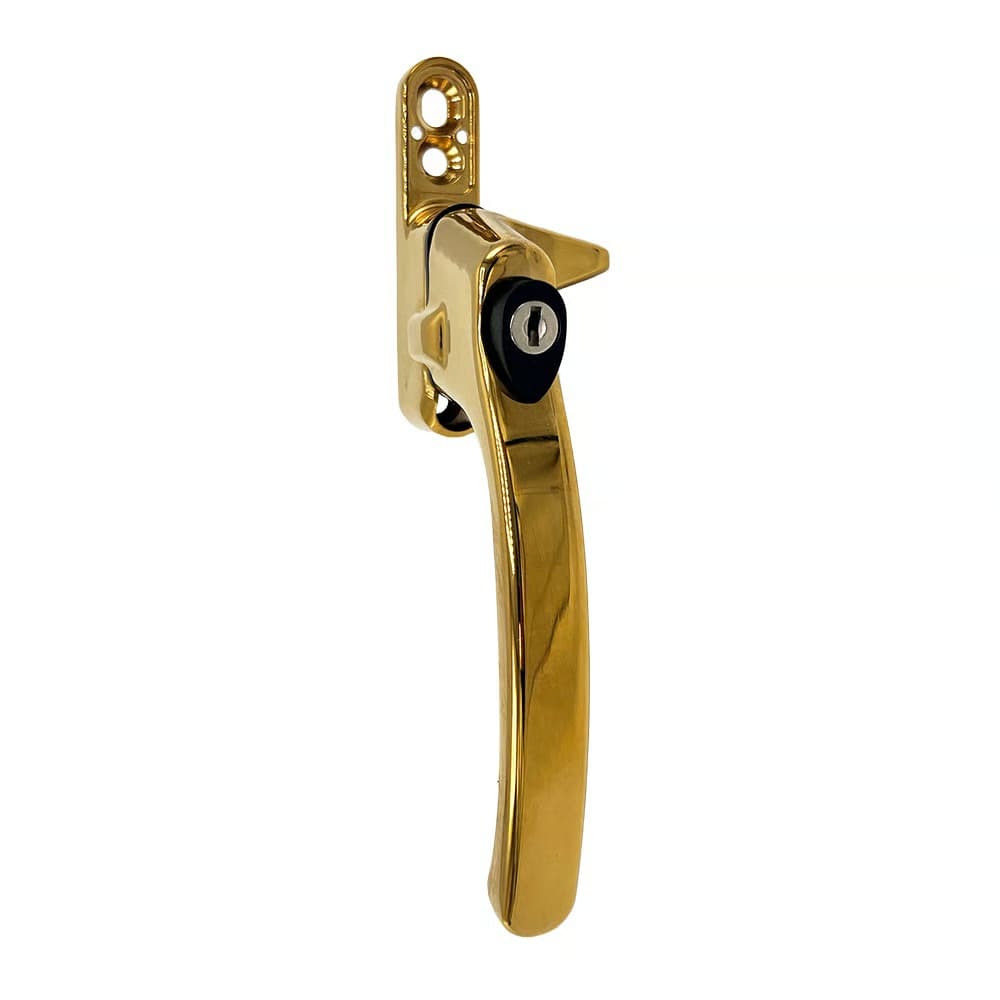
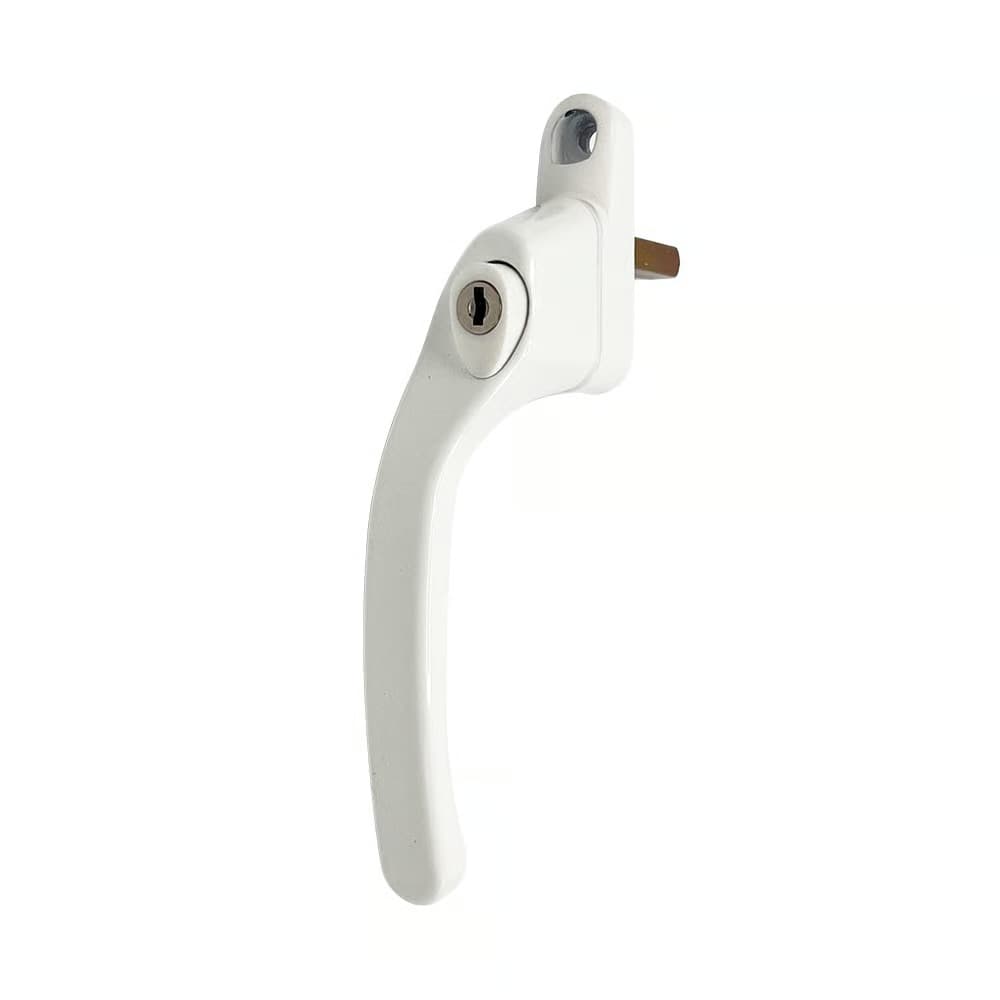
Familiarity with handle types reduces time spent sourcing the correct replacement:- Espag (espagnolette) handles: Common on casement and uPVC windows; operate a spindle to engage multi-point locks. A good option for modern locking systems is the TSS Cockspur Window Handles.
- Cockspur handles: Simpler, surface-mounted handles often used on timber or aluminium windows; they push against the frame to hold the window closed, as with the TSS Cockspur Window Handle.
- Locking lever handles: Provide keyed security on outward-opening casements, such as the TSS Offset UPVC Window Handles.
Tools and materials required
Keep the following to hand for most replacements:- Screwdrivers (Pozidriv and flat-head)
- Tape measure and pencil
- Spirit level or small square
- New handle and fixings (confirm screw type)
- Lubricant (silicone spray or light machine oil)
- Cleaning cloth and mild detergent
- Replacement gearbox/spindle if required
Measuring and identifying the correct replacement
Accurate measurements prevent returns and delays: 1. Measure the spindle length from the face of the handle to the end of the spindle in millimetres. 2. Note the spindle shape: square, D-shape or splined. 3. Measure the backset between fixing centres (centre-to-centre of fixing screws) and the distance from the spindle centre to the top/bottom of the handle base. 4. Identify whether the handle is reversible (can be fitted left or right) or handed.Take clear photographs showing the locking mechanism, spindle and screw positions. Tradespeople working on multiple properties should keep a small kit of common spindle sizes and reversible handles to reduce repeat visits.
Step-by-step replacement procedure
Follow these steps for a standard replacement on a casement window: 1. Open the window to relieve pressure on the handle and lock mechanism. 2. Remove the handle cover cap if present and unscrew the fixing screws. Retain screws only if the new handle is compatible. 3. Pull the handle straight off to reveal the spindle. If it does not withdraw, cycle the handle gently or spray a small amount of lubricant around the base. 4. Compare the old spindle and screw positions to the new handle to confirm compatibility. 5. Fit the new handle by inserting the spindle fully into the gearbox, ensuring it aligns with the square or D-section. 6. Replace and tighten fixing screws evenly to avoid distortion of the handle base. 7. Test the operation through its full travel to ensure the locking mechanism engages smoothly. 8. Apply a small amount of lubricant to moving parts and wipe away any excess.For locking handles, test the key function and ensure the key turns freely without excessive force. For cockspur types, check that the spur contacts the frame evenly across its length.
Common problems and fixes
- Handle wobbles after fitting: Check screw length and backing material; longer screws into timber frames or appropriate wall plugs into masonry sills may be required.
- Handle does not operate lock: Confirm spindle engagement and that the gearbox is not stripped. Replace the gearbox if teeth are damaged.
- Stiff operation: Clean out accumulated dirt and apply silicone lubricant to moving parts. Avoid petroleum-based lubricants that attract grime.
- Corrosion: Replace with a corrosion-resistant finish such as stainless steel or polyester-coated handles for coastal properties.
Security and compliance considerations
Select handles that meet relevant British Standards for child safety and security when applicable. Locking handles with anti-snap and anti-pick features provide better protection for ground-floor windows. For properties with multiple occupancy or rented properties, choose robust fittings that resist tampering and frequent use.Maintenance tips to prolong handle life
Regular maintenance reduces call-outs:- Wipe handles with a damp cloth and mild detergent to remove corrosive salts or grime.
- Lubricate moving parts every six months with silicone spray.
- Tighten fixing screws periodically to prevent loosening from normal use.
- Inspect handles annually for signs of wear or damage and replace parts before failure.
When to call a professional
Replacement is straightforward in most cases, but call a professional when:- The locking mechanism or gearbox is damaged.
- Unusual spindle sizes or proprietary fittings are present.
- The window frame or surrounding structure is rotten or distorted.
- There are safety-critical concerns on high-rise or hard-to-reach windows.
Final checklist before finishing
- Confirm correct handle type and spindle size.
- Use correct screws and do not overtighten.
- Test full operation and locking with window closed and open.
- Apply lubricant and clean residue.
- Record parts fitted and any warranty information for the homeowner.
Related Reading
Explore more guides on related topics:
Part of our guide:
Complete Guide to Window Handles