Espag Handle Security Features: Locking and Anti-Lift
Knowing how espag handle security features work is essential for window installers, fabricators and savvy DIYers. This guide explains the locking and anti-lift technology built into espag handles, hig...
Knowing how espag handle security features work is essential for window installers, fabricators and savvy DIYers. This guide explains the locking and anti-lift technology built into espag handles, highlights what to look for when specifying handles, and offers practical installation and maintenance tips to ensure reliable, long-lasting security. Whether you are fitting new windows or upgrading hardware on existing frames, understanding the components and testing methods will help you choose the right espag handle for the job.
What is an espag handle and why security matters
An espag handle is a common type of window handle used predominantly on casement and tilt-and-turn windows. It connects to an espagnolette locking mechanism that runs along the edge of the sash; turning the handle operates cams, hooks or rollers to secure the window into the frame. In trade settings, the espag handle is more than a handle: it is a critical part of the locking system that influences overall security, weather sealing and ease of operation.
Core security features of espag handles
High-quality espag handles incorporate several features that deter forced entry and improve long-term reliability. Tradespeople should look for the following:
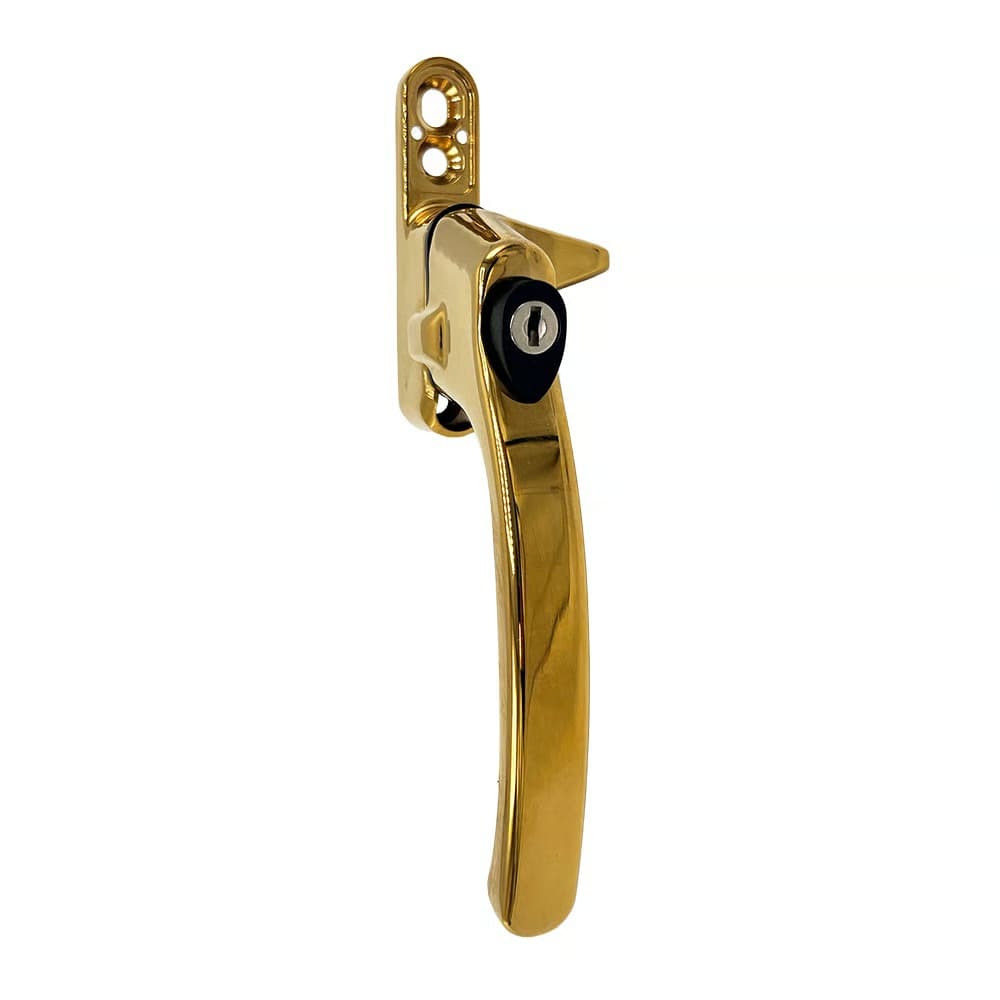
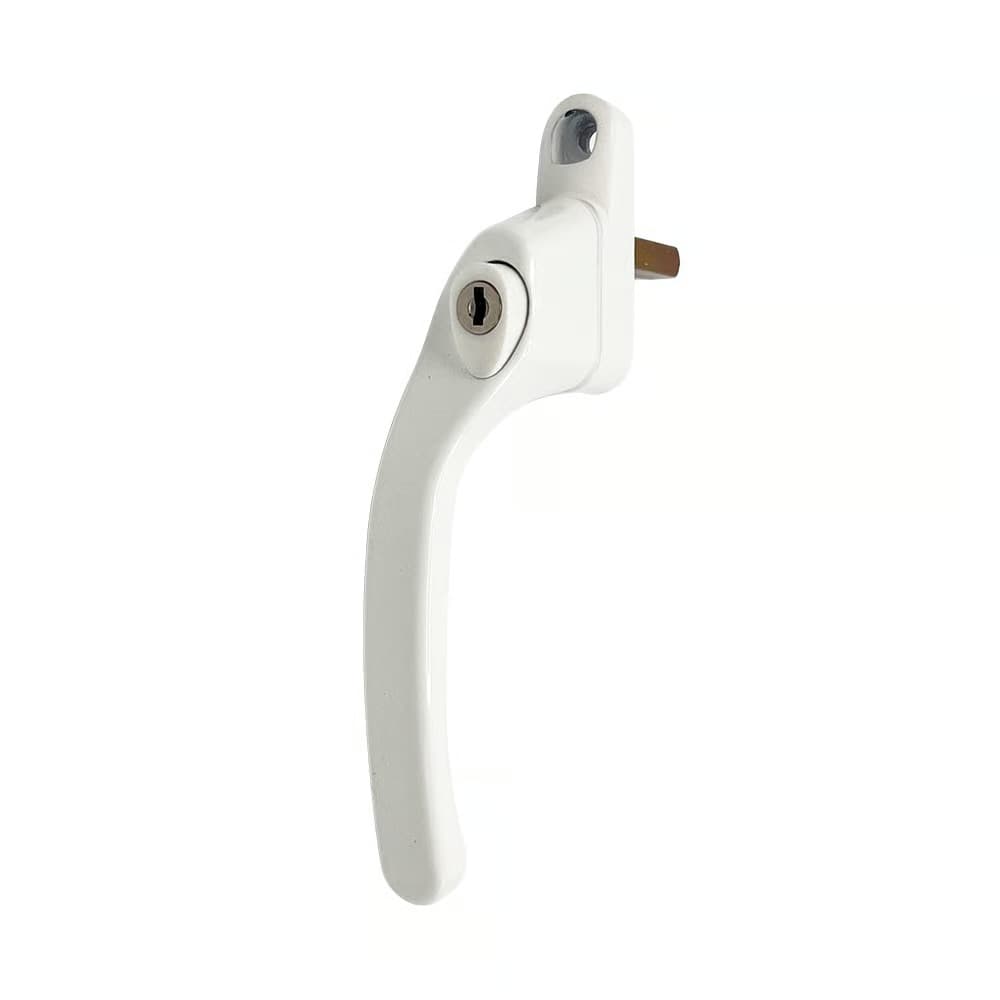
- Key-locking options: Key-operated espag handle variants secure the handle in the closed position; this prevents unauthorised operation from inside or outside and is often specified for ground-floor or easily accessible windows.
- Push-button locks: For quicker operation, push-button espag handle models lock automatically when the handle returns to vertical; a button must be pressed to operate the handle again.
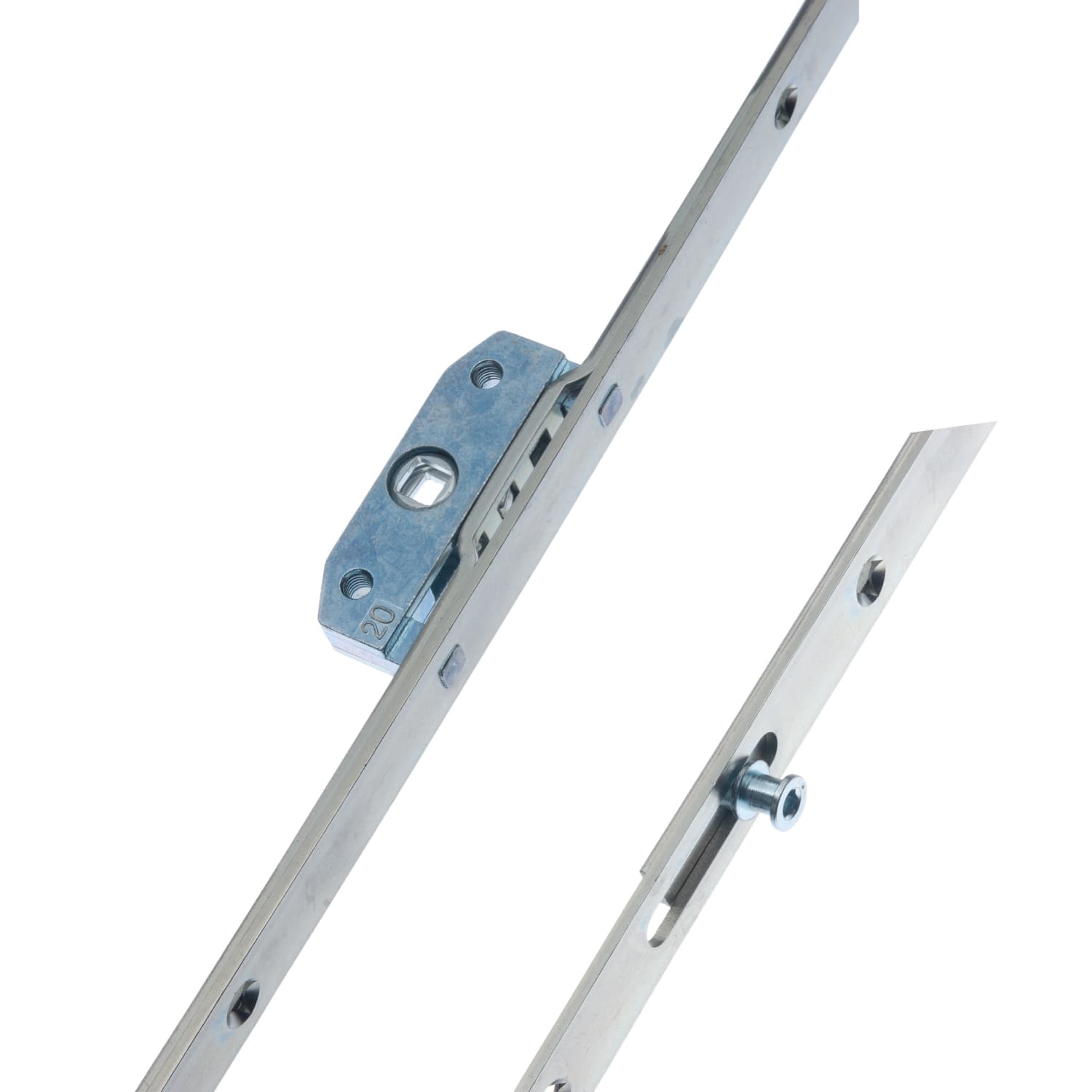
- Anti-lift features: These include anti-lift pins, mushroom cams or ramp-and-keep geometry on the espagnolette to resist upward or outward force on the sash.
- Reinforced spindle and rose: A thicker spindle and robust rose plate reduce the risk of the handle being twisted off during an attack.
- Snap-resistant designs: Some handles include domed roses or spindles that prevent snapping; combined with multi-point locking, this increases the time required to breach the window.
Understanding anti-lift mechanisms – practical details
Anti-lift design is a key differentiator between standard and security-focused espag handles. The anti-lift function works in two main ways:
- Mechanically: Anti-lift pins or engaging studs move into keeps when the handle is turned; these pins lock the sash vertically, preventing upward levering.
- Geometry: Mushroom cams and ramped keeps create a positive interlock; the shaped head of the cam must be depressed or rotated into the keep before the sash can move, so simply pushing up will not disengage it.
When specifying components, ensure the espag handle and espagnolette are matched; mismatched cam profiles can reduce anti-lift effectiveness. For retrofit jobs, measure centre distances and check cam dimensions before ordering replacement espag handle units.
Selecting the right espag handle for your project
Key considerations for tradespeople and DIYers include:
- Operation type: Decide between key-locking, push-button or non-locking handles depending on security requirements and user access.
- Spindle length and size: Measure spindle length accurately from rose to rose and choose the correct spindle diameter to avoid loose or stiff operation.
- Fixing centres and screw positions: Confirm screw positions to ensure direct replacement without altering the sash; some manufacturers offer universal backplates to simplify fitment.
- Material and finish: Choose corrosion-resistant finishes for coastal properties; stainless steel or plated handles will last longer and maintain secure operation.
- Certification: Look for handles and espagnolette systems that comply with PAS 24 or Secured by Design specifications where required.
Installation and testing tips for reliable security
Proper fitting and commissioning make a major difference to the real-world security of an espag handle. Follow these practical steps:
- Check frame alignment: Ensure the window sash sits square in the frame and that keeps line up correctly before tightening the handle fixings; misalignment can prevent cams or pins from engaging fully.
- Torque control: Tighten handle screws to the manufacturer’s recommended torque; overtightening can bind the mechanism, undertightening can allow movement that weakens anti-lift performance.
- Functional test: Operate the handle through its full travel several times; verify that anti-lift pins or cams engage smoothly and that the handle locks as intended.
- Security check: Attempt a controlled lift with suitable tools to ensure anti-lift features resist movement; this helps confirm the correct installation without damaging components.
- Maintenance: Lubricate moving parts annually with a dry PTFE spray; avoid heavy oils that collect dust and impair operation. Check fixings periodically and replace any worn components promptly.
Common issues and troubleshooting
Tradespeople often encounter a few recurring problems when working with espag handles; these are simple to diagnose and fix:
- Loose handle: Usually due to worn spindle or loose rose screws; replace the spindle or tighten screws to specification.
- Handle stiff or sticky: Often caused by misaligned espagnolette or lack of lubrication; realign keeps and apply suitable lubricants.
- Anti-lift not engaging: Check cam profile and keep positioning; assess whether the espag handle is compatible with the existing espagnolette.
- Broken key or snap: Replace the handle and consider a snap-resistant model; inspect for signs of forced entry and advise the customer on additional upgrades.
Choosing the correct espag handle and installing it properly will significantly improve window security, deter opportunist intruders, and deliver years of reliable operation. Whether you are specifying hardware for a new build or upgrading existing windows, pay attention to locking type, anti-lift design and compatibility with the espagnolette; these factors determine real performance far more than price alone.
If you need product recommendations, technical drawings or assistance with order quantities for trade jobs, our team can help you select suitable espag handle options and matching components to meet project requirements and building regulations.
Recommended Products
Based on this article, you may find these products helpful:
Part of our guide:
Complete Guide to Window Handles