Window Handles for uPVC Windows: When to Replace the Mechanism Too
Window handles for uPVC windows are often the most visible part of the locking system, but they do not always indicate the health of the mechanism behind t...
Window handles for uPVC windows are often the most visible part of the locking system, but they do not always indicate the health of the mechanism behind them. A new handle can improve appearance and operation, yet replacing the mechanical components — the espagnolette, gearbox or multipoint mechanism — is sometimes necessary to restore security and smooth function. This article explains when a handle is sufficient and when the mechanism needs replacing, with clear, actionable guidance for homeowners and tradespeople.
Common components and how they fail
Understanding the main parts helps to diagnose problems quickly:
- Handle: the external lever that operates the lock.
- Spindle: the square bar that connects the handle to the mechanism.
- Espagnolette / gearbox: internal mechanism that converts the handle movement into locking action; on casement windows this is often an espagnolette.
- Keeps and keeps plate: the strike plates on the frame receiving the locking points.
- Multipoint locks: on tilt-and-turn and patio doors, several locking points engage the frame.
- Loose or wobbly handle — often worn spindle or stripped handle grub screw.
- Handle turns but window won't lock — common with a failing gearbox or broken espagnolette.
- Window locks intermittently or sticks — usually a fatigued mechanism or misaligned keeps.
- Corrosion or seized components — more frequent on older installations or coastal properties.
When replacing the handle is enough
A handle replacement is appropriate when:
- The handle or its finish is damaged but the mechanism still operates properly.
- The handle is loose due to a stripped grub screw or a worn spindle end but the espagnolette still functions.
- Cosmetic upgrades are desired to match new décor or replace a discontinued style.
- Operate the handle with the window unlocked and observe if the locking points move as expected. Smooth engagement suggests the internal mechanism is intact.
- Check for lateral play in the handle which often indicates a worn spindle or loose retaining screw; tightening or replacing the handle may solve this.
- Inspect visible screws and the back plate for wear or corrosion.
When the mechanism must be replaced
Replace the internal mechanism when:
- The handle turns freely without engaging the lock — indicative of a failed gearbox or broken espagnolette.
- Locking points do not align with keeps even after adjustment — the mechanism may be bent or worn.
- Repeated local repairs have failed; recurring faults signal the mechanism has reached the end of its service life.
- The security rating needs an upgrade — older mechanisms may not meet current standards.
- Remove the handle and operate the spindle by hand. If the internal parts do not move or feel loose, the mechanism is likely compromised.
- Listen for grinding or rattling noises when operating; internal teeth or cams may be stripped.
- Excessive resistance when turning the handle suggests internal corrosion or broken components.
Matching a replacement mechanism
Choosing a correct replacement avoids wasted time and returns:
- Identify the type: espagnolette locks are common in casement windows; multipoint gearboxes are more typical in tilt-and-turns and French doors.
- Measure critical dimensions: screw centres, backset, throw length and spindle size (commonly 7mm or 8mm). Record the direction of travel and positions of keeps.
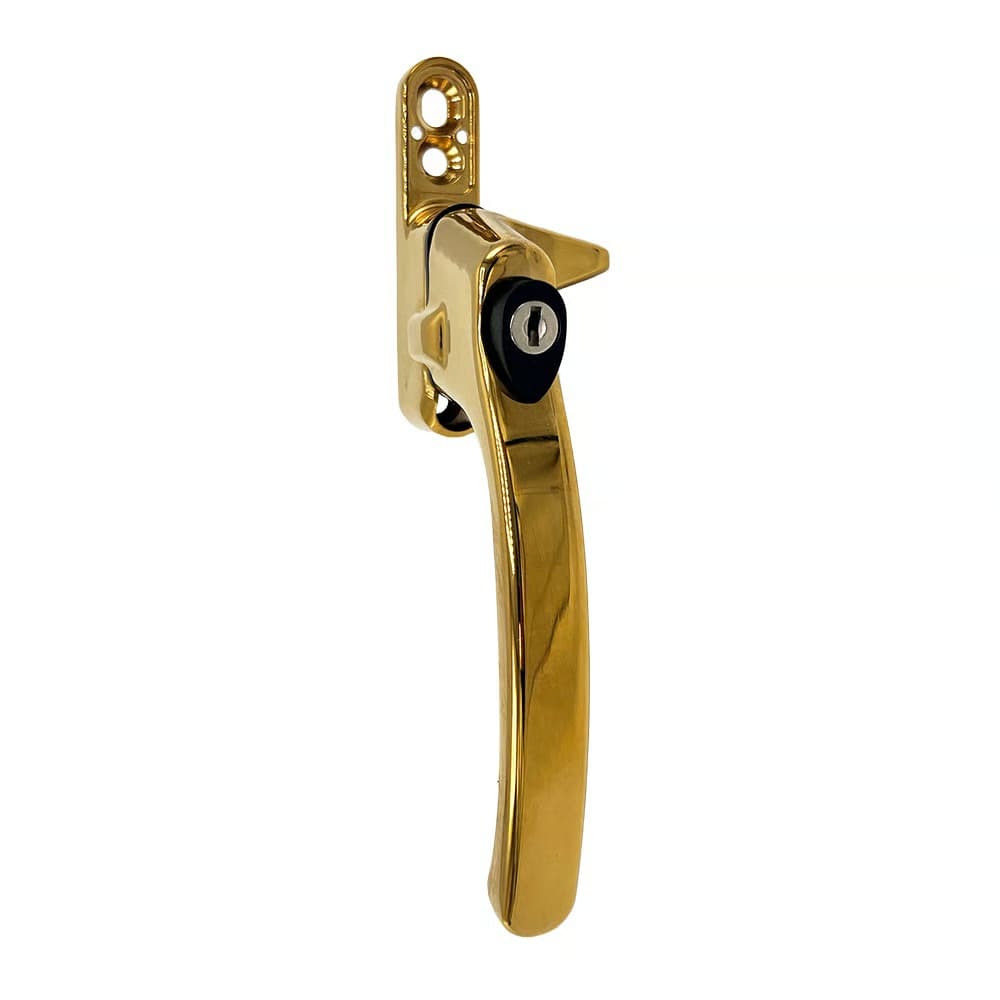
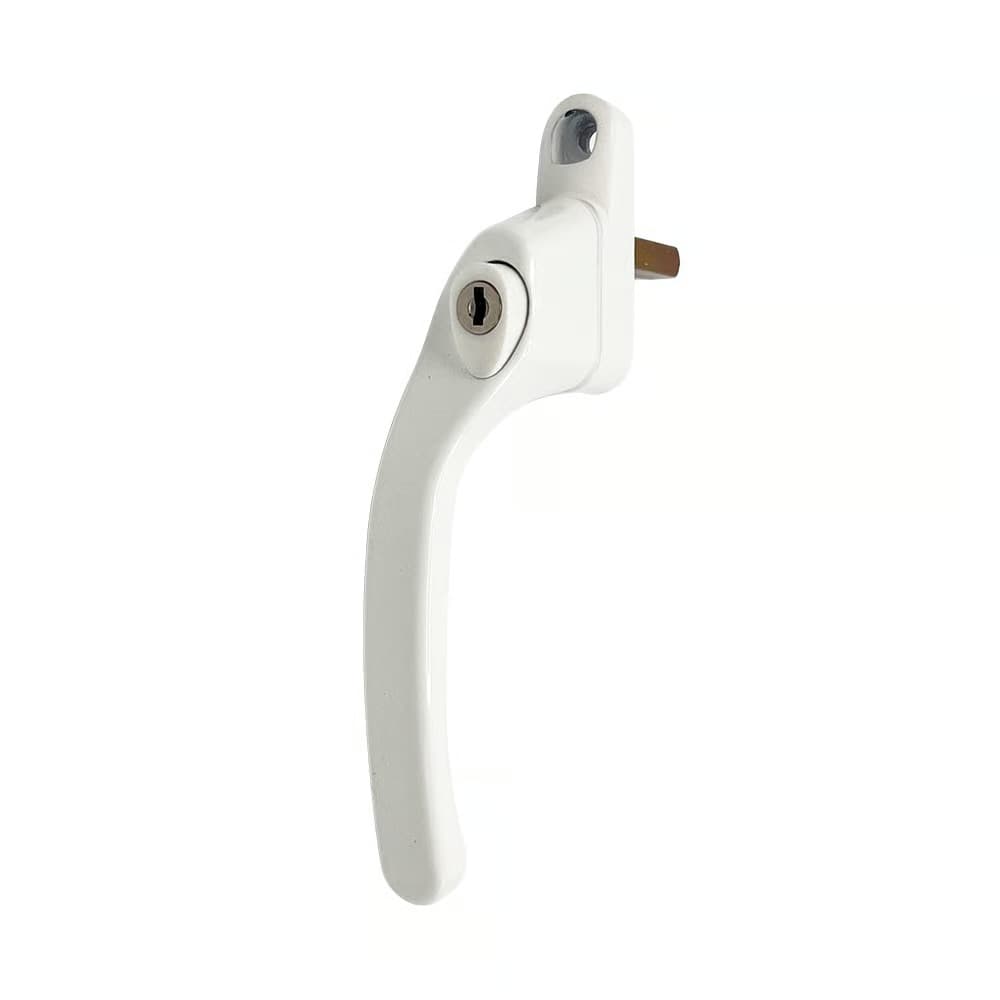
- Check compatibility with handles — some handles are specifically for espag mechanisms while others are for cockspur applications. For cockspur handles, consider the TSS Cockspur Window Handle for straightforward replacements.
- For branded or proprietary systems, cross-reference part numbers or take the old mechanism to a supplier.
Practical replacement steps (tradespeople and competent DIYers)
Tools typically required: Torx or Pozidriv screwdrivers, drifting punch for seized pins, pliers, a lubricant (e.g. light machine oil), and replacement seals or keeps if necessary. 1. Remove the handle and back plate screws. 2. Extract the spindle and check its condition; fit a new spindle if worn. 3. Unscrew the mechanism retaining screws and carefully withdraw the gearbox or espagnolette. 4. Compare the new mechanism against the old for match in length, position of fixings and throw. 5. Fit the new mechanism, lightly lubricate moving parts, refit the spindle and handle, and operate to check engagement. 6. Adjust keeps or strike plates to achieve smooth locking without excessive force.
For more complex multipoint systems or where frame alignment is poor, engaging an experienced installer avoids damaging the frame and ensures correct security settings.
Maintenance to extend life and avoid unnecessary replacements
Routine maintenance reduces failures and prolongs mechanism life:
- Clean and lubricate moving parts once a year with a light machine oil or silicone spray. Avoid heavy greases that attract dirt.
- Check screw fixings and tighten as needed; loose screws lead to misalignment and wear.
- Inspect and replace worn gaskets and seals which can allow moisture into the mechanism.
- Operate windows regularly to prevent seals from bonding and to keep internal components moving freely.
Cost considerations and security implications
A handle replacement is low cost and quick, typically under-the-kitchen-sink-priced for the part and a quick job for a tradesperson. Mechanism replacement is more expensive due to part complexity and labour; however, replacement restores full security and smooth operation. Upgrading to higher-security handles and mechanisms improves resistance to forced entry; for example, the TSS Offset UPVC Window Handles offers additional security features compared with basic models.
Related Reading
Explore more guides on related topics:
Summary
Window handles for uPVC windows are easy to replace for cosmetic or minor operational issues, but persistent faults such as free-spinning handles, inconsistent locking or internal noises indicate the mechanism needs attention. Accurate diagnosis, correct measurement and selecting a compatible replacement are essential. Regular maintenance extends component life and helps avoid unexpected replacements, while upgrading to higher-security hardware improves overall home protection.
Part of our guide:
Complete Guide to Window Handles