uPVC Replacement Window Handles: Espag vs Cockspur Explained
uPVC replacement window handles are a small component with a big impact on security, operation and appearance. Choosing the right style — typically espagno...
uPVC replacement window handles are a small component with a big impact on security, operation and appearance. Choosing the right style — typically espagnolette (espag) or cockspur — affects how a window locks, how easy it is to operate, and whether a like-for-like replacement is possible without altering the frame. This guide explains the key differences, practical considerations for homeowners and tradespeople, and step‑by‑step tips for selection and installation.
What each handle type does
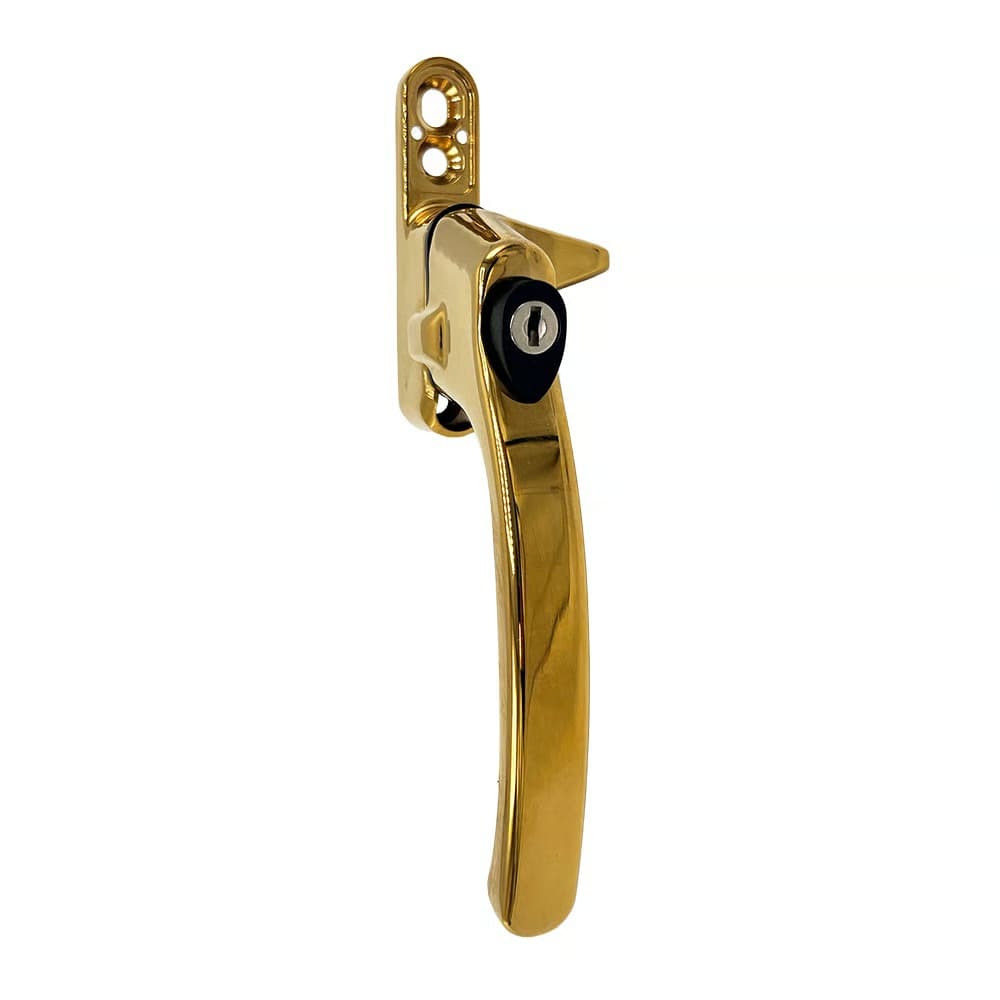
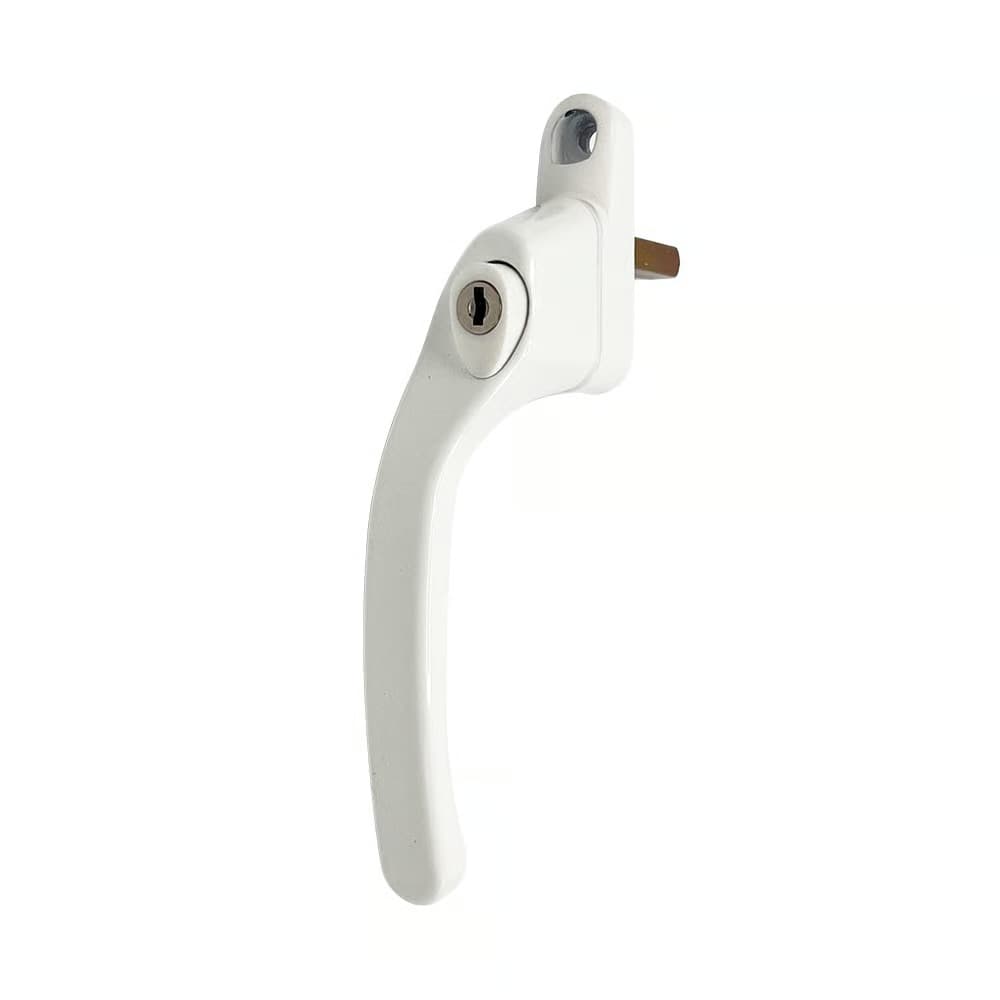
Espag handles connect to an internal espagnolette locking mechanism via a square spindle and often a lockable cylinder. When the handle is turned, a metal rod or gearbox operates multipoint locks along the edge of the window, offering robust security and smooth operation. A popular option is the TSS Cockspur Window Handles, which combines a secure keyed option with corrosion-resistant components.
Cockspur handles are surface-mounted and operate a simple cam that presses against the frame to hold the window closed. They are straightforward and inexpensive to replace, making them common on older or budget uPVC windows. A reliable example for typical replacements is the TSS Cockspur Window Handle.
Security and performance comparison
- Security: Espag handles generally provide better security because they operate multi-point locks and can be locked with a key. Cockspur handles provide basic security but are more vulnerable to forced entry due to their single-point action.
- Weatherproofing and sealing: Espag-operated multi-point locks compress gaskets evenly, improving draught and water resistance. Cockspur handles can leave gaps if not correctly aligned, increasing risk of draughts.
- Durability: Espag hardware typically lasts longer under frequent use because of the internal gearbox and heavy-duty components. Cockspur handles are simpler and can wear quicker on the cam surface.
- Suitability for larger windows: For larger or heavier sashes, espag systems distribute forces along the frame and are preferable. Cockspur is more suitable for smaller, lighter sashes.
Identifying the correct replacement
Accurate identification prevents wasted purchases and fitment issues.
- Determine handle type visually: If the handle operates a visible cam that bears directly on the frame, it is a cockspur. If the handle attaches via a square spindle into the locking mechanism and the locking points engage along the edge, it is an espag.
- Measure spindle size and position: For espag handles measure the spindle length and square dimension (commonly 7mm or 8mm) and the fixation hole centres. For cockspur, measure the projection length and the centre-to-centre fixing hole distance.
- Check locking direction and handedness: Determine whether the handle rotates clockwise or anticlockwise to lock and whether it is left- or right-handed. Many modern handles are reversible but confirm specification before ordering.
- Note locking options: Decide between non-locking or key-locking heads. The TSS Offset UPVC Window Handles is a widely used locking espag option offering familiar Yale security.
Practical replacement advice for tradespeople and handy homeowners
- Gather tools: screwdriver set (including Pozidriv/PZ), Allen keys, a centre punch for stubborn screws, silicone lubricant, and masking tape.
- Remove the existing handle: For espag, open the sash slightly to access fixing screws, remove handle cover if present, withdraw the spindle and unscrew. For cockspur, unscrew the face fixings and slide the handle off the spindle or cam.
- Inspect the mechanism: With the handle removed, visually inspect the espagnolette rod or the cockspur cam for wear, bent rods, or broken clips. Replace corroded or damaged internal components rather than just the handle where necessary.
- Check alignment and gaskets: Operate the lifter or locking mechanism with the handle removed to ensure locking points engage cleanly. Realign keeps and replace compressed gaskets if the window closes unevenly.
- Fit new handle correctly: Ensure the spindle engages fully and the handle screw is tightened without over‑torquing, which can strip threads. For locking handles, fit the cylinder and test operation with the key several times.
- Seal and finish: Use a smear of silicone or light grease on moving parts to prevent corrosion. Replace any worn outer caps or trims, and test the window through multiple opening and closing cycles.
When to upgrade rather than replace like‑for‑like
Consider upgrading from cockspur to an espag handle where enhanced security or better sealing is required. Upgrading usually involves replacing the internal locking rod and adding keeps along the frame; tradespeople can carry out this conversion without replacing the whole window. Upgrading is especially worthwhile on ground‑floor openings and larger sashes.
Conversely, stick to like‑for‑like cockspur replacements when budget constraints or original frame design make conversion impractical. Many homeowners prefer a direct swap to preserve heritage appearance or avoid altering existing frames.
Common pitfalls and troubleshooting
- Wrong spindle size: A frequent issue leading to inoperable handles. Measure carefully before ordering.
- Incorrect handedness: Ensure the replacement handles match the original rotation to avoid reverse operation.
- Overlooking locking mechanism damage: Replacing the handle will not fix a bent espagnolette rod or stripped gearbox, so inspect internals.
- Poor screw choice: Using the wrong length screws can damage the frame or fail to secure the handle. Use manufacturer-recommended fixings.
Cost and sourcing considerations
Handle prices vary by material, finish and locking capability. Stainless steel or corrosion‑resistant finishes are typically more costly but pay off in longevity, especially in coastal areas. Order from reputable suppliers who provide specification sheets to confirm spindle size, fixation centres and handedness before purchase.
Replacing upvc replacement window handles is a manageable task for experienced DIYers and a routine job for tradespeople, provided accurate identification and correct sizing are observed. Choosing the right style enhances security, efficiency and ease of use for years to come.
Related Reading
Explore more guides on related topics:
Part of our guide:
Complete Guide to Window Handles