Inline vs Offset Espag Handles: What's the Difference?
Choosing the correct espag handle for a project is one of those small decisions that makes a big difference in performance, security and finish. Tradespeople and competent DIYers often encounter two m...
Choosing the correct espag handle for a project is one of those small decisions that makes a big difference in performance, security and finish. Tradespeople and competent DIYers often encounter two main types of espag handle: inline and offset. This guide explains the practical differences, how to measure and fit each type, and what to consider when specifying or replacing an espag handle on PVCu, aluminium or timber windows.
What is an espag handle?
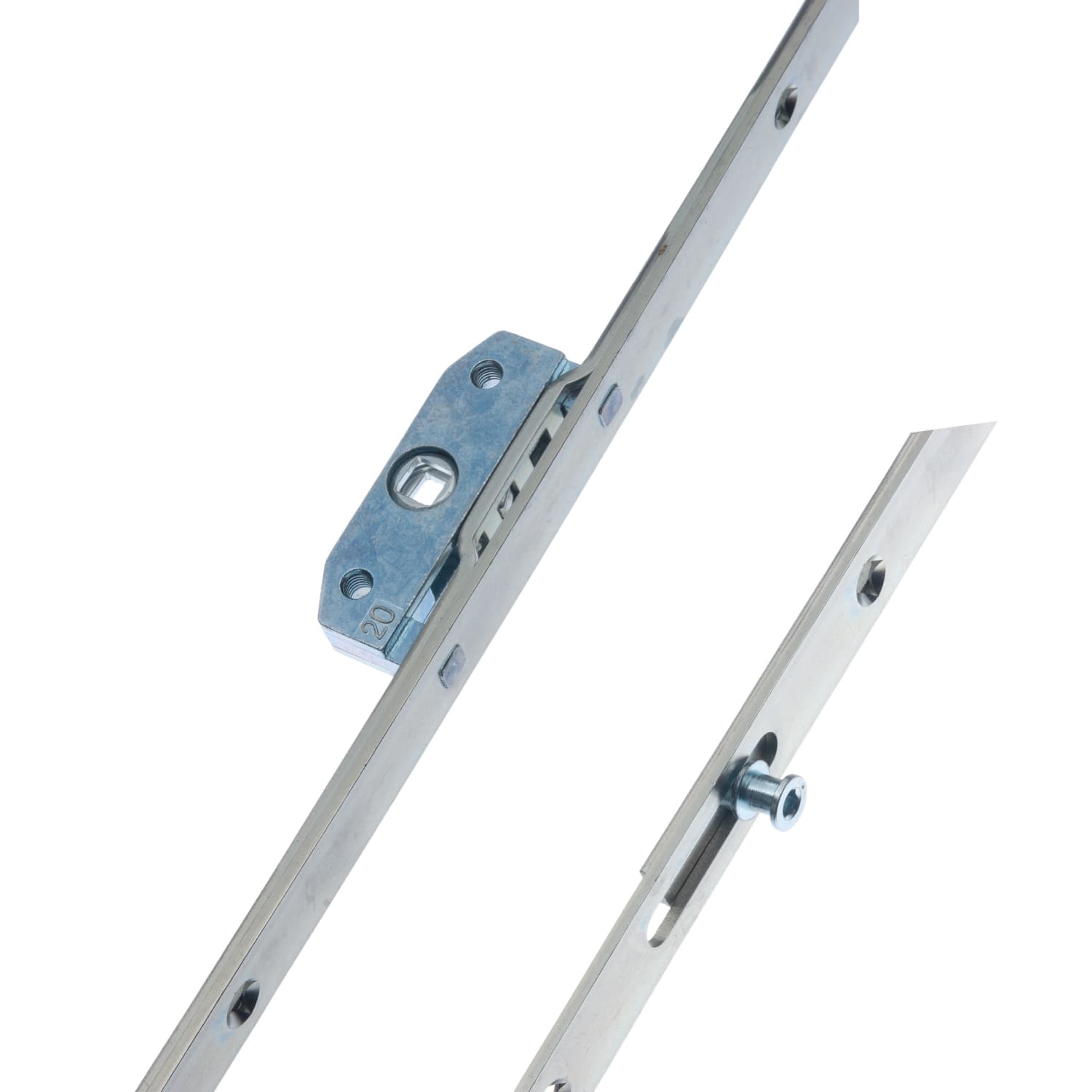
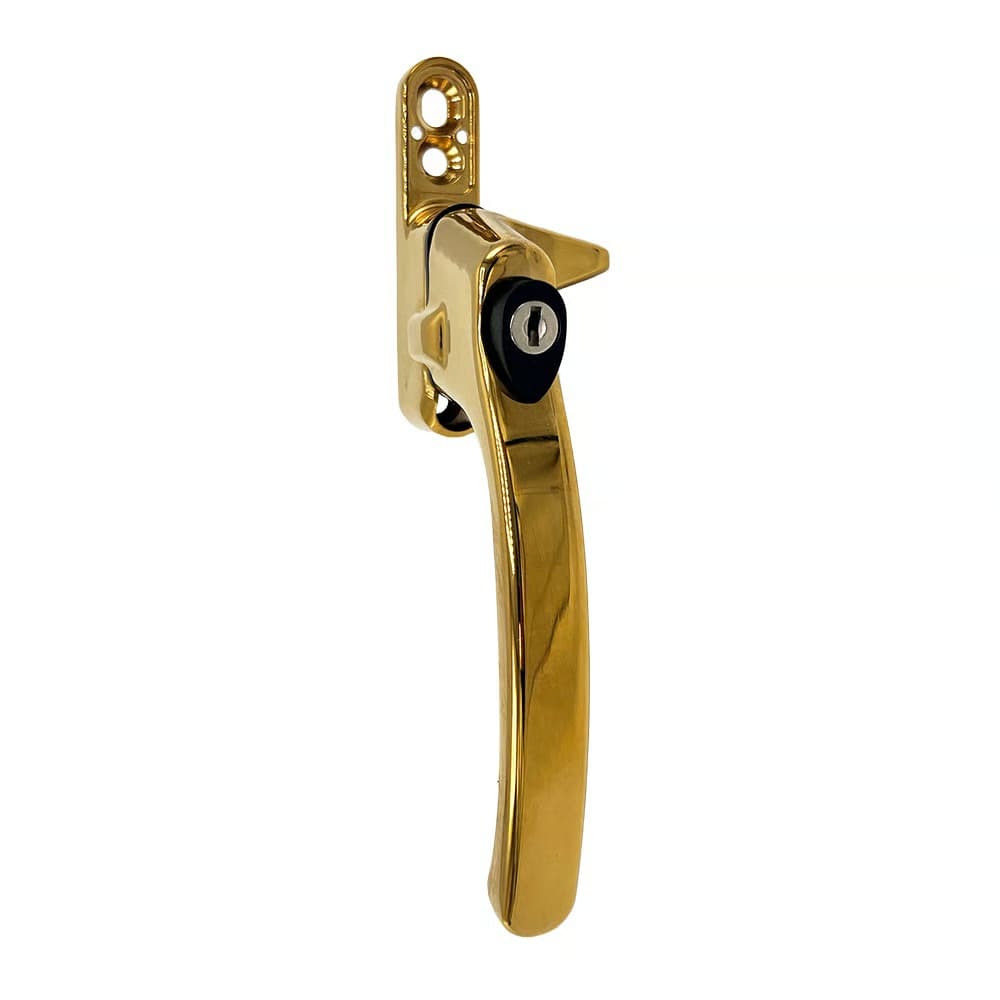
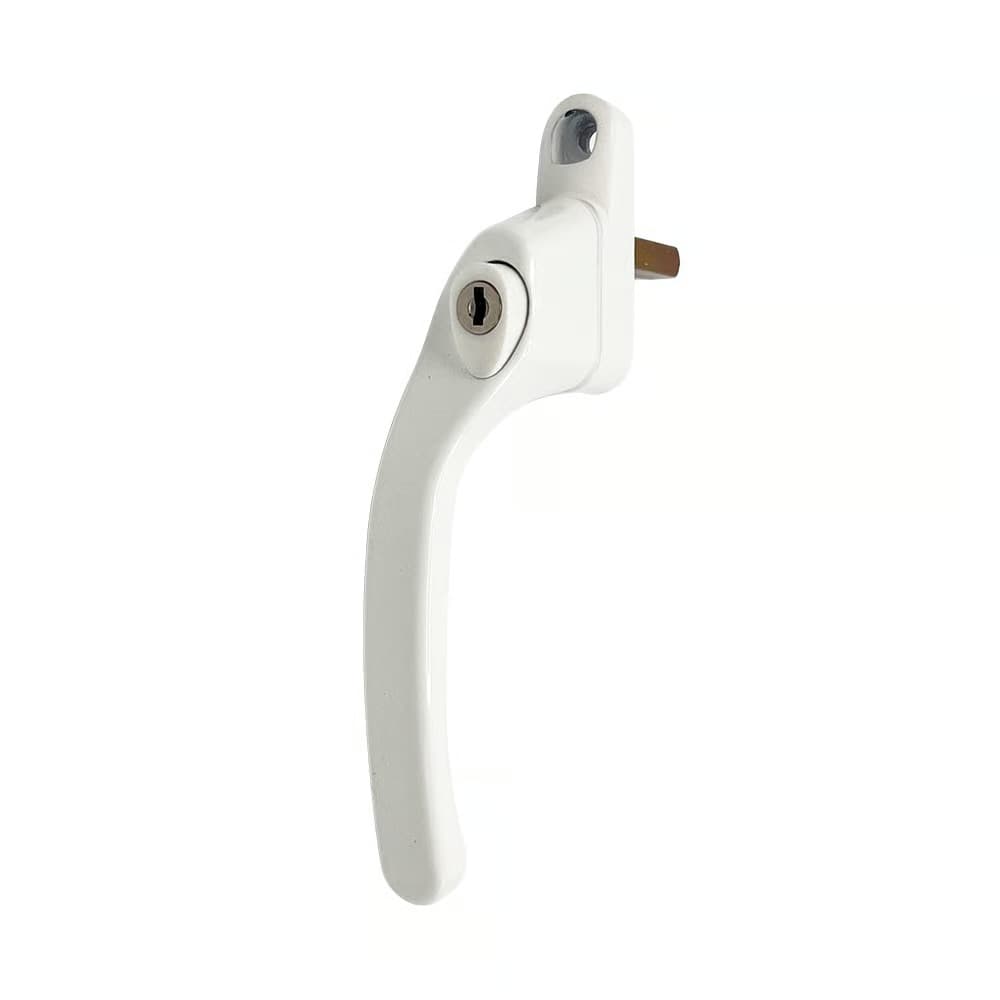
An espag handle is a window handle designed to operate an espagnolette locking mechanism. The handle attaches to a gearbox and spindle which turns to engage or disengage the locking points on the window sash. An espag handle can be used with tilt-and-turn, casement and some flush windows. They are available in different shapes, materials and with optional locking cylinders for extra security.
Inline vs offset espag handle: the basic difference
The key difference between inline and offset espag handle is the position of the spindle relative to the handle backplate. That positioning affects clearance, ergonomics and how the handle looks on the frame:
- Inline espag handle: the spindle sits in line with the handle backplate; the handle body is vertically aligned over the gearbox/plastic backplate. This gives a slim, compact appearance and is commonly used where the gearbox is centred.
- Offset espag handle: the spindle is set away from the backplate plane; the handle leans away from the frame by a set offset measurement. This is used where the gearbox or frame geometry needs the handle to sit proud for clearance reasons.
When to choose an inline espag handle
Inline espag handle types are often the default for newer PVCu profiles and some aluminium systems. Choose inline when:
- The gearbox or spindle hole is in the usual vertical centre of the handle backplate.
- You need a flush, tidy finish where the handle aligns with adjacent hardware.
- Space behind the handle is limited and you need the handle to sit close to the frame.
- You are matching existing inline handles for aesthetic consistency.
Benefits include simpler fitting in many standard windows, often lower visual profile, and wide availability in standard screw centres and spindle lengths. Inline espag handle options typically match the common 92mm or 43mm screw centres used by many systems; always check the profile standard before ordering.
When to choose an offset espag handle
Offset espag handle choices are made for practical clearance or ergonomic reasons. Consider offset when:
- The gearbox or espagnolette sits deeper in the frame, requiring the handle to clear an internal rebates or beading.
- There is glazing bead, astragal bars or other obstructions near the handle position.
- You want the handle to sit slightly away from the frame to make operation easier, especially with trickle vents or finger-protecting beads present.
- The window manufacturer specifies offset handles to match the locking mechanism geometry.
Offset espag handle models come in various offset dimensions; common offsets are 7mm, 10mm and 15mm. Always measure the existing setup or consult the window manufacturer to select the correct offset value.
Practical measuring guide for replacements
Accurate measurement avoids wasted visits and returns. Follow these steps when replacing an espag handle:
- Measure the screw centre: distance between the centre of the two fixing screws on the backplate. Common centres: 43mm, 48mm, 70mm, 92mm.
- Measure the spindle length: from the face of the backplate to the centre of the spindle tip. Replace with the same length to avoid play or binding.
- Check the spindle size and shape: most are 7mm square; confirm whether it is round-to-square or fully square.
- Determine the offset: measure how far the handle sits away from the frame face; compare to the new handle specification.
- Note the handedness: left or right handed handles are mirror images; when the handle points downwards and the hinge is on the left, you need a left-hung handle, and vice versa.
Installation tips and security considerations
Good installation ensures longevity and security for an espag handle. Keep these trade tips in mind:
- Always use the correct screw centres and thread engagement; overtightening can warp the backplate and disengage the gearbox.
- Use anti-shear screws where appropriate and ensure the fixing thread length reaches the metal reinforcement or gearbox block behind the frame.
- When fitting a locking espag handle with a cylinder, check cam rotation and compression to avoid binding; use a suitable M5 or M6 fixing bolt if required by the manufacturer.
- Test the full travel and locking points before finishing; early adjustment can prevent later complaints about stiff operation.
- Replace worn spindles or stripped gearboxes; swapping the handle onto a damaged gearbox may leave the window insecure.
Choosing the right supplier and ensuring compatibility
As a trade supplier serving both installers and DIY customers, we recommend vendors who provide clear technical data: exploded diagrams, spindle and screw centre tables, and finish options. When specifying an espag handle for a job order, include:
- Window make and profile if known
- Screw centre and spindle measurements
- Offset measurement if replacing an offset espag handle
- Handing: left or right
- Whether a locking cylinder is required
Having accurate information reduces callbacks. If in doubt, remove the old handle and take it to the van or workshop for direct comparison.
Inline and offset espag handle choices are not just about looks: they affect fit, function and security. Measure carefully, match specifications and use the appropriate fixings and maintenance to keep windows operating smoothly.
Conclusion: Understanding the difference between inline and offset espag handle types will help you make the right choice for installation and replacement. For tradespeople, the right handle means quicker installs and satisfied customers; for DIYers, it means a secure and correctly functioning window. When ordering, provide accurate screw centre, spindle and offset details to ensure a perfect fit first time.
Related Reading
Explore more guides on related topics:
Recommended Products
Based on this article, you may find these products helpful:
Part of our guide:
Complete Guide to Window Handles