Window Handles: A Complete Guide to Types, Sizes and Fixings
Window handles are small components with a big impact: they control operation, affect security and contribute to a window's appearance. This guide explains how to choose, fit and maintain window handles, including compatibility with common hardware such as espagnolette mechanisms, hinges and cylinders.
Good window handles deliver smooth operation, reliable locking and an aesthetic that suits the property. They also interact with other hardware: a poor choice can prevent full locking or cause excessive wear on the in-line window mechanism or espag.
Key considerations when selecting window handles:
Function: do you need a locking handle, a non-locking handle, or a thumb-turn for internal access?
Type of window: casement, top-hung, tilt-and-turn or uPVC will dictate compatible handles.
Security: pairing handles with quality cylinders and locking mechanisms improves overall security.
Finish and ergonomics: choose a finish and shape that match the property and are comfortable to operate.
Cockspur handles
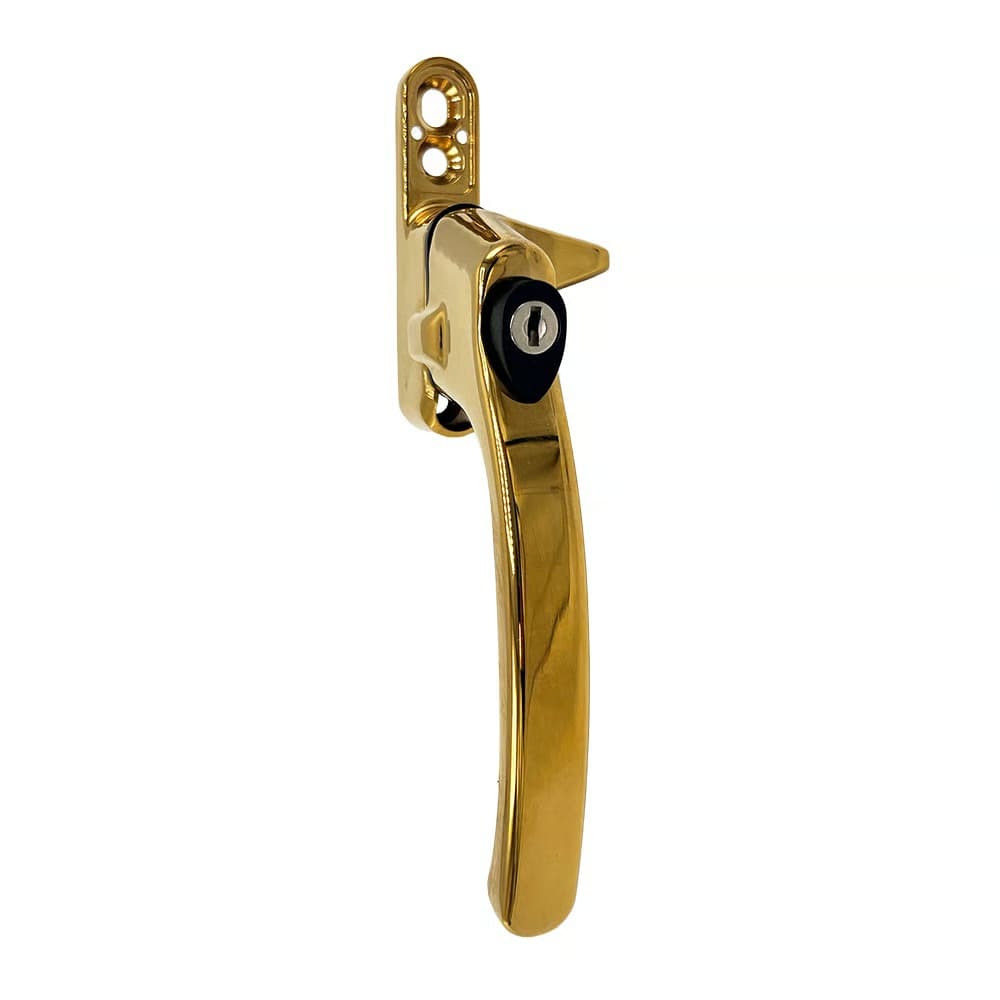
Cockspur handles are simple and widely used on older timber and some uPVC windows. They hook over the window frame and are usually non-locking. For a range of traditional options, consider TSS Cockspur Window Handles.
Pros: low cost, easy to fit.
Cons: less secure and can catch on curtains or blinds.
Espagnolette handles
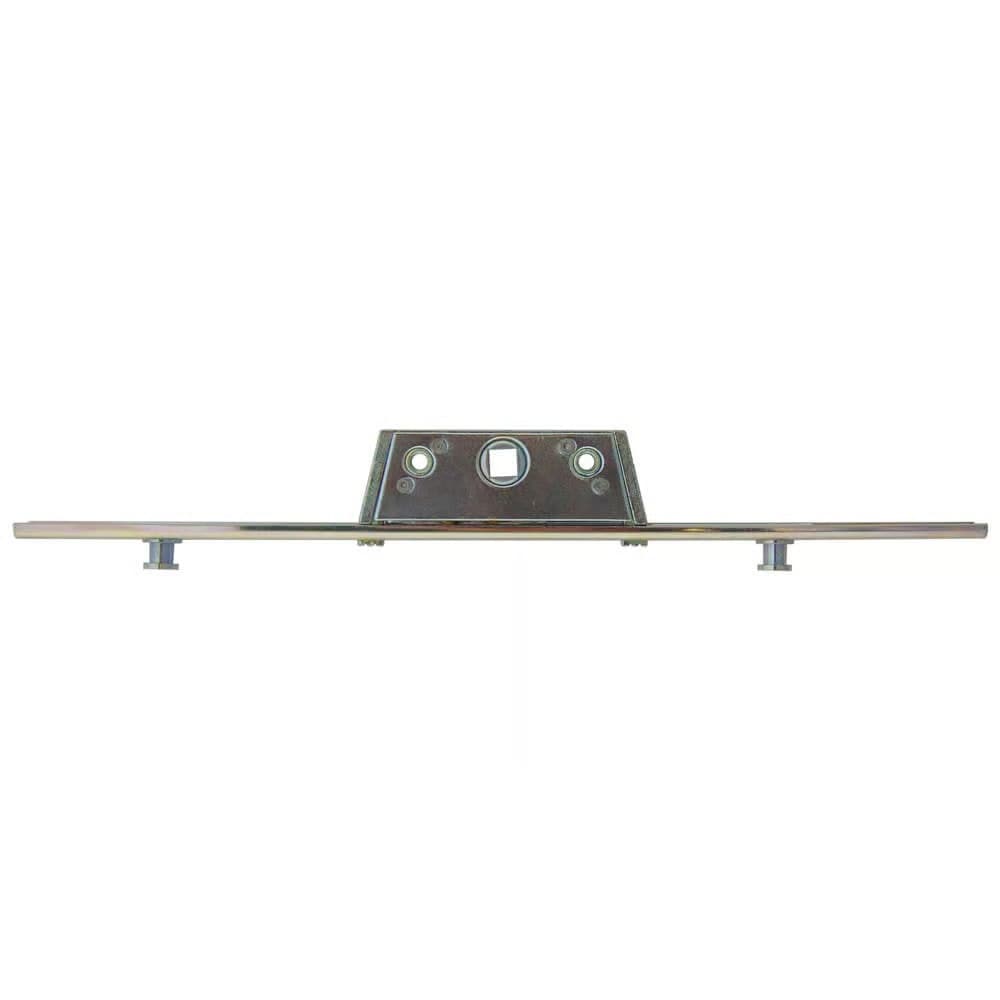
Espag handles operate an internal multipoint locking rod or espagnolette mechanism. Avocet Slimline Offset Window Espag is an example of an espag-compatible handle type; for espag hardware, the Avocet slimline range offers a slim profile suitable for modern windows.
Pros: secure, neat finish.
Cons: needs compatible espag mechanism and correct backset.
Offset uPVC handles
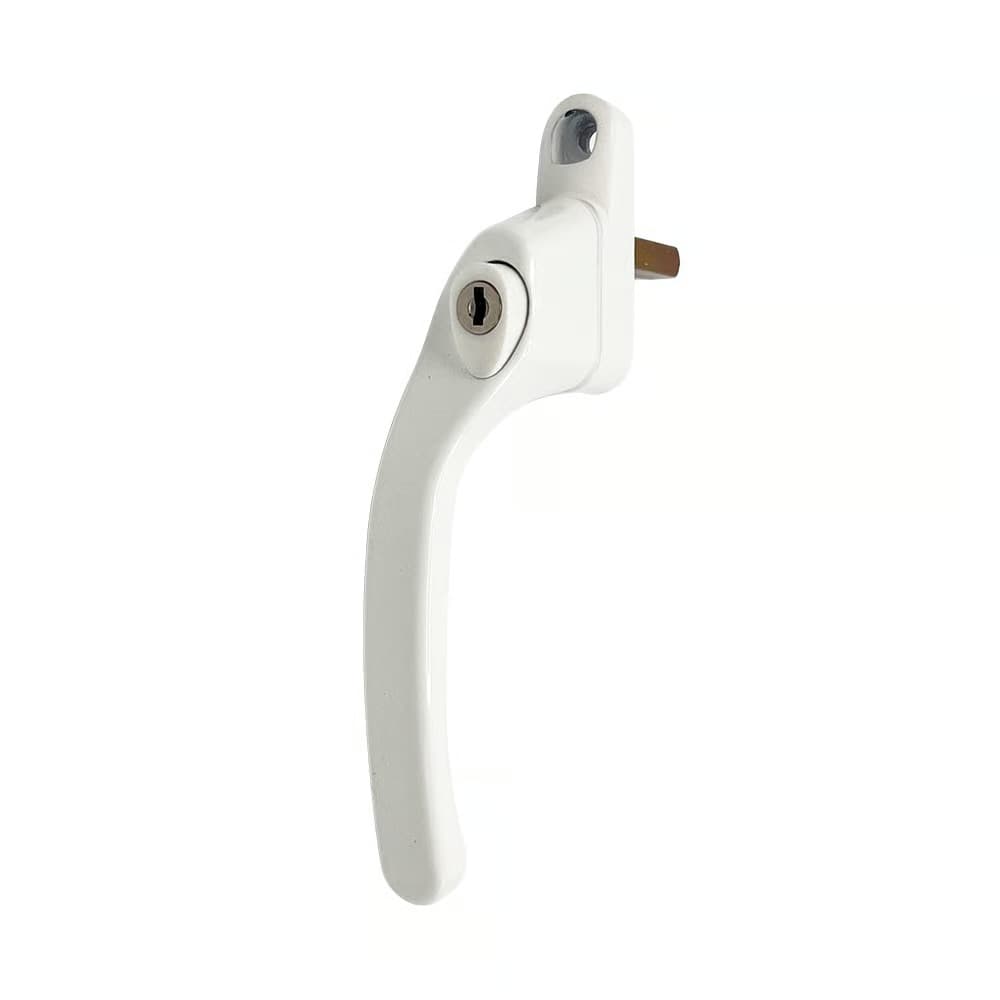
Offset uPVC handles are designed for uPVC frames and usually match standard screw positions. The TSS Offset UPVC Window Handles line matches many contemporary uPVC designs.
Thumb-turn and euro-cylinder handles
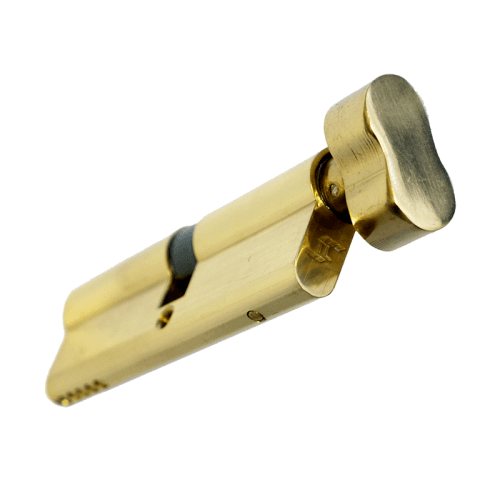
Where internal locking without a key is needed, thumb-turn cylinders are used. The TL Thumb Turn Euro Cylinder is designed for internal use and allows locking from the inside without a key (/p/tl-thumb-turn-euro-cylinder).
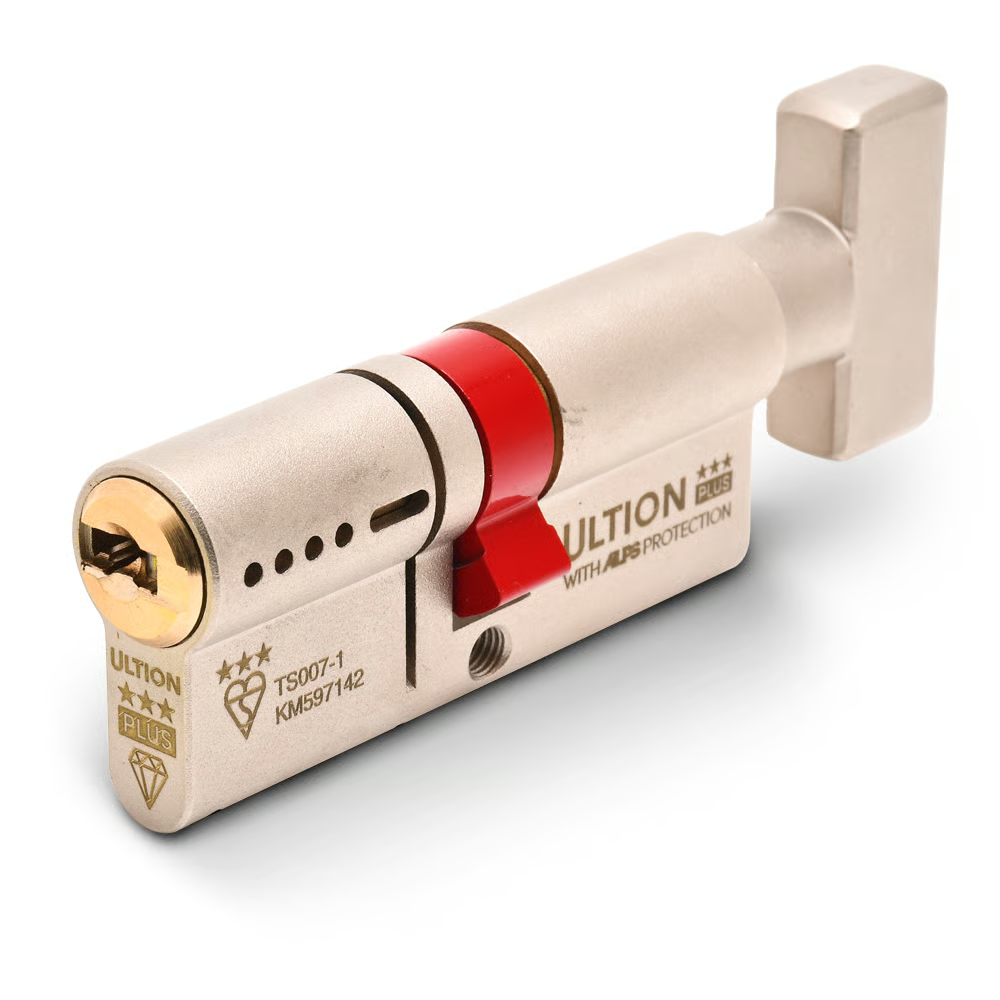
For high-security applications, use a kitemarked cylinder such as the Ultion Plus TS007 3* Kitemarked Euro Key & Turn Cylinder; pairing a quality cylinder with a compatible handle significantly raises resistance to forced entry (/p/ultion-plus-ts007-3-kitemarked-euro-key-turn-cylinder).
Window handles do not work in isolation. Before buying, check compatibility with:
Espagnolette mechanisms and locking rods: ensure handle spindle length and backset match the mechanism.
In-line window mechanisms: these slide within the frame and require the correct handle to operate smoothly;
Top-hung windows: use handles that suit the top-hung hinge geometry such as Top-Hung Window Hinge - Standard.
Seals and gaskets: bubble gaskets such as B003 and B004 can affect closing gaps; ensure handle choice allows full compression of the gasket (/p/b003-bubble-gasket, /p/b004-bubble-gasket).
When replacing handles, measure the spindle size, screw centres and backset. If the replaced handle operated a multipoint system, confirm the replacement will transmit the same motion to the locking rods.
These steps apply to most retrofit handle changes. If you are unsure about the window's locking system, consult a professional.
Remove the old handle: open the window, locate the securing screw(s) and undo them. Some handles have a snap-off cap hiding screws.
Measure key dimensions: spindle size (mm), distance between fixing screws (centres) and backset (distance to the edge of the frame). Photograph the mechanism before removal to aid reassembly.
Choose a compatible handle: match spindle size and screw centres, and confirm it is suitable for your window type (espag, cockspur, offset uPVC).
Fit the new handle: insert the spindle, align the fixing holes, and tighten screws evenly. Check the handle engages the locking mechanism fully.
Test operation: open and close the window several times; lock and unlock to confirm full travel and secure engagement.
Adjust if necessary: on espag systems you may need to adjust the locking points or replace worn strikes.
If a new handle does not engage the mechanism correctly, do not force it; re-check spindle length and alignment or consult a glazing engineer.
Clean regularly: wipe handles with a mild detergent and soft cloth to remove grime. Avoid abrasive cleaners or solvents.
Lubricate moving parts: apply a light, dry lubricant to spindles and locking mechanisms annually. Avoid heavy grease that attracts dust.
Tighten screws: periodic movement can loosen fixings; tighten screws to ensure the handle remains secure.
Check gaskets and hinges: damaged seals such as bubble gaskets (B003, B004) or worn hinges can misalign the window, making the handle harder to operate; replace as required (/p/b003-bubble-gasket, /p/b004-bubble-gasket, /c/window-hinges).
Window handles are a security interface. To improve security:
Use locking handles on vulnerable windows, especially ground-floor or accessible windows.
Fit a high-quality euro cylinder such as the Ultion Plus TS007 3* Kitemarked cylinder for improved resistance to drilling and snapping.
Combine secure handles with robust strikes and proper espag mechanisms; weak strikes are an easy point of failure.
For extra resistance on outward-opening units, ensure hinges are protected and fitted correctly; a stainless Flag Door Hinge may be suitable for heavy-duty or exterior door/window combinations (/c/doors-hinges).
Handle is stiff or hard to turn: check for debris, damaged gasket compression, or misaligned hinges. Lubricate and adjust hinges and gaskets.
Handle spins without operating the lock: the spindle may be stripped or fitted incorrectly. Remove the handle and inspect the spindle and mechanism; replace damaged parts.
Lock does not engage fully: check strike plate alignment and espag rod position; worn or bent rods may need replacement.
Condensation or draughts despite closed handle: inspect bubble gaskets and seals and replace if compressed or damaged (/p/b003-bubble-gasket, /p/b004-bubble-gasket).
Call a qualified window engineer when:
The locking mechanism is complex and you cannot identify the problem.
You suspect frame distortion or hinge failure.
You want to upgrade security with a kitemarked cylinder and need correct sizing and anti-snap measures.
A professional can ensure the handle, cylinder and locking mechanism work together and maintain window weatherproofing and security.
Identify window type: casement, top-hung, tilt-and-turn, uPVC.
Measure spindle size, screw centres and backset.
Decide if you need a locking handle or thumb-turn.
Select finish and ergonomics that match the property.
Check compatibility with espag, in-line mechanism or hinges and consider matching gaskets and cylinders (/p/tss-inline-espags-22mm-backset, /p/avocet-slimline-offset-window-espag, /p/tl-thumb-turn-euro-cylinder, /p/ultion-plus-ts007-3-kitemarked-euro-key-turn-cylinder).
Choosing the right window handles ensures smoother operation, better security and a neater appearance. With correct measurement, compatible parts and simple maintenance, you can extend the life and function of your windows while improving safety and comfort.
Explore more guides on related topics: