How to Replace Window Handles for uPVC Windows: Fixing Loose Screws
Replacing a loose or faulty window handle on a uPVC window is a straightforward maintenance job that restores smooth operation and security. This guide cov...
Replacing a loose or faulty window handle on a uPVC window is a straightforward maintenance job that restores smooth operation and security. This guide covers practical, step-by-step advice for homeowners and tradespeople on how to replace window handles for uPVC windows, with solutions for loose screws, stripped fixings and handle replacement. It includes tools, common causes, repair techniques and tips to ensure a durable result.
Tools and materials required
- Cross-head and flat-head screwdrivers (correct size)
- Hex key set (for some handles)
- Replacement screws (short and long, stainless steel recommended)
- Timber toothpicks or wooden dowel and wood glue for filling stripped holes
- Epoxy or two-part filler for heavy-duty repairs
- Small hammer and chisel (if needed)
- Replacement handle (see product options below)
- Cleaning cloth, lubricant (silicone spray) and penetrating oil
- Tape measure and caliper (to check spindle and screw dimensions)
Before starting: safety and preparation
Work with the window closed and supported. For upstairs windows, use a stable ladder and ensure the sash is secure to prevent slippage. Wear safety goggles when chiselling or working with adhesives. Identify whether the handle is a cockspur (external projecting lever) or an espag/espagnolette (lever operating an internal gearbox) as the removal and replacement method differs.Diagnosing the problem: loose screws versus stripped holes
- Loose screws: Handle moves but screws are intact and can be tightened. Usually simple to fix.
- Stripped screw holes: Screws turn freely and won’t grip. Requires filling or replacement fixings.
- Worn spindle or gearbox: Handle won’t engage the locking mechanism even when tightened. Replacement of the handle or gearbox may be necessary.
- Incorrect screw length or wrong fixings: Short screws won’t bite; overly long screws may damage the window or hardware.
How to tighten loose screws (quick fix)
1. Open the window and support the sash so it does not move. 2. Locate the two mounting screws, usually under a shroud or decorative cover. Pry off the cover carefully with a flat-head screwdriver. 3. Use the correct size screwdriver to tighten both screws evenly. Avoid over-tightening as this can strip the plastic. 4. Cycle the handle several times to check operation. Apply a small amount of silicone lubricant to the mechanism if movement is stiff. 5. Refit the cover.This quick fix often restores functionality when threads remain intact.
Repairing stripped screw holes (longer-term fix)
When tightening fails because holes are stripped, follow one of these methods:Method A — Timber toothpicks and glue (best for minimal intrusion) 1. Remove the handle and clear old debris from the holes. 2. Dip timber toothpicks or matchsticks in PVA wood glue and pack them tightly into the stripped hole until full. 3. Break off flush and allow the glue to cure fully (usually 24 hours). 4. Trim flush, then re-fit the handle with the original screws. The wooden packing provides fresh material for the screw to bite into.
Method B — Wooden dowel 1. Drill out the stripped hole to a consistent diameter, insert a glued wooden dowel and allow to set. 2. Re-drill a pilot hole and fit the screw.
Method C — Metal inserts or epoxy (for heavy-use or commercial jobs) 1. Fit a threaded metal insert or use a two-part epoxy to create a new anchoring point. 2. Use stainless steel screws of the correct length into the metal insert for a robust repair.
Tradespeople often favour metal inserts for repeat-load situations; ensure the insert depth avoids internal hardware or reinforcement.
Replacing the handle (espag and cockspur specifics)
Espag (espagnolette) handles:- Remove the handle cover and screws, withdraw the handle and sliding gearbox if required.
- Note the spindle size (commonly 7mm or 8mm) and centre-to-centre screw spacing.
- Fit the new handle, ensuring the spindle seats into the gearbox and the handle is in the correct closed position before tightening.
- Test by operating the gearbox; some espag handles allow reversible levers for left or right-hand windows.
- Unscrew the mounting screws and withdraw the handle.
- Check the location and condition of striker plates and replace any damaged fixings.
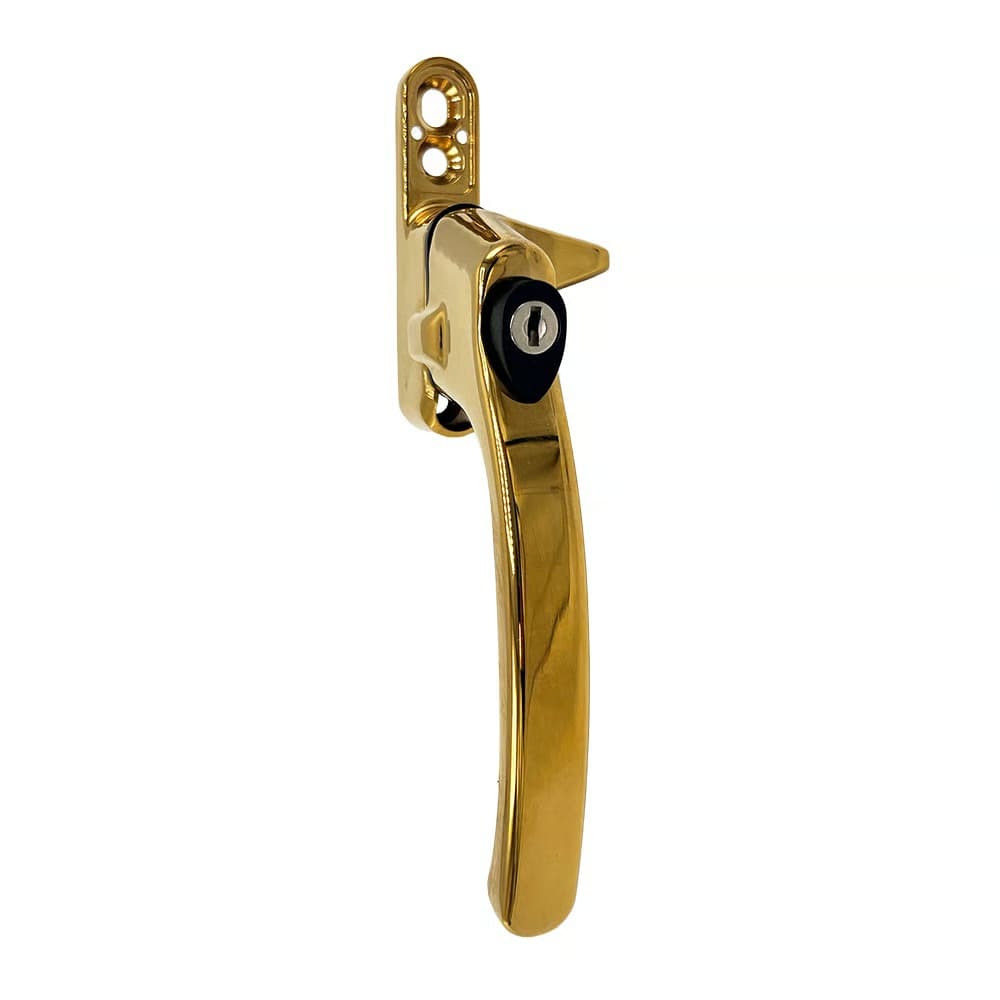
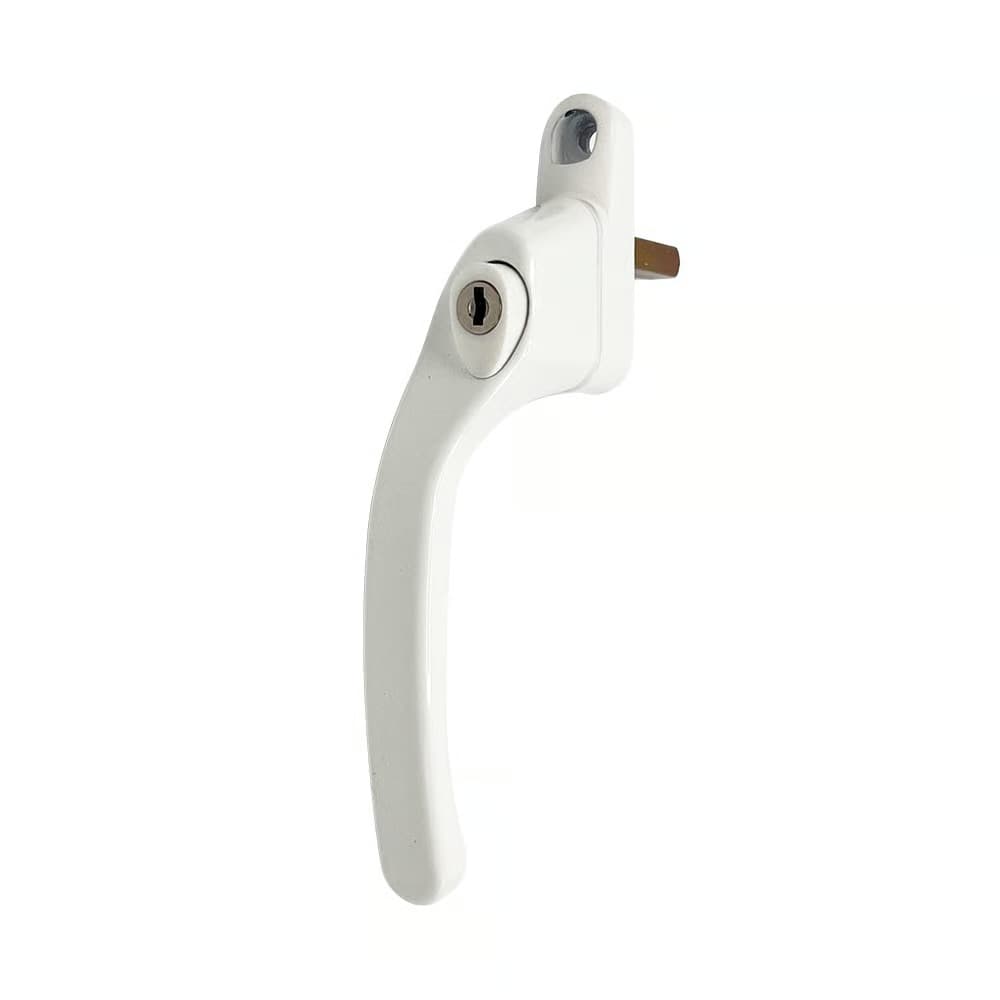
- Fit the new TSS Cockspur Window Handle ensuring proper alignment with the catch. Use slightly longer stainless screws if the original were too short.
Preventative measures and finishing tips
- Use stainless steel screws to avoid rust staining and ensure longevity.
- Apply a small amount of silicone spray to moving parts annually to maintain smooth operation.
- Check screw tightness periodically, especially in high-traffic doors or windows.
- Keep spare handles and a small repair kit (screws, toothpicks, glue) for quick fixes.
- When replacing handles, match the handle style and spindle size to maintain security and operation—mismatched parts can cause rapid wear.
When to replace the gearbox or call a professional
If the handle tightens but does not operate the locking mechanism, the espag gearbox or internal locking mechanism may be worn or broken. Gearbox replacement can be more complex and may require sash removal. In cases of extensive damage to the uPVC frame or repeated failures, engage a reputable tradesperson for a secure, code-compliant repair.This practical approach to how to replace window handles for uPVC windows addresses common issues such as loose screws and stripped fixings. With the right tools and technique, most repairs can be completed quickly and reliably, restoring functionality and security.
Related Reading
Explore more guides on related topics:
Part of our guide:
Complete Guide to Window Handles