Locking Window Handles for uPVC Windows: Fixing a Handle That Won’t Lock
Locking window handles on uPVC windows play a crucial role in security and operation. When a handle won’t lock it can be due to worn components, misalignme...
Locking window handles on uPVC windows play a crucial role in security and operation. When a handle won’t lock it can be due to worn components, misalignment, or simple maintenance issues. This article provides practical diagnostic steps and repair options suitable for homeowners and tradespeople, covering common handle types and the tools and parts typically required.
Identify the handle type and lock mechanism
Different handle types require different approaches. The most common on uPVC windows are espag (espagnolette) handles with a locking mechanism, cockspur handles, and keyed lever handles.
- Espag handles operate a multipoint espagnolette system via a spindle and gearbox. A common replacement is the TSS Cockspur Window Handles.
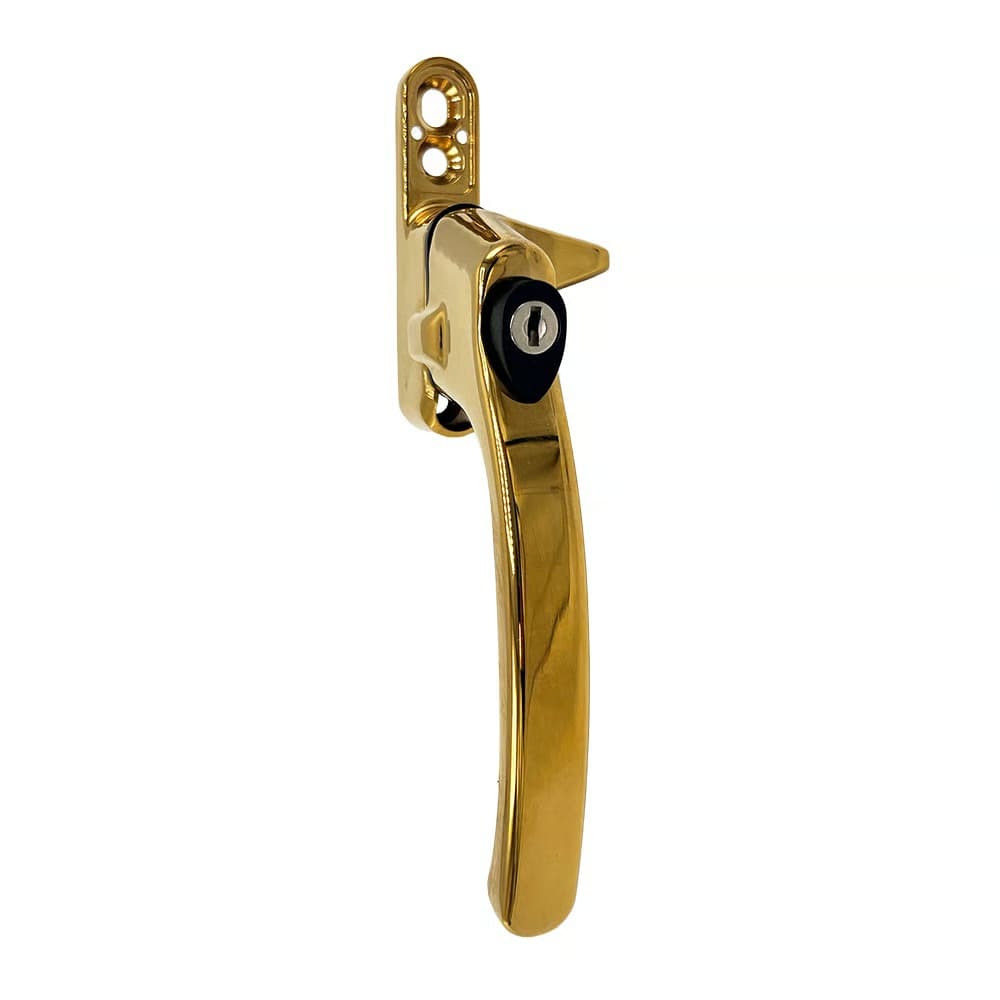
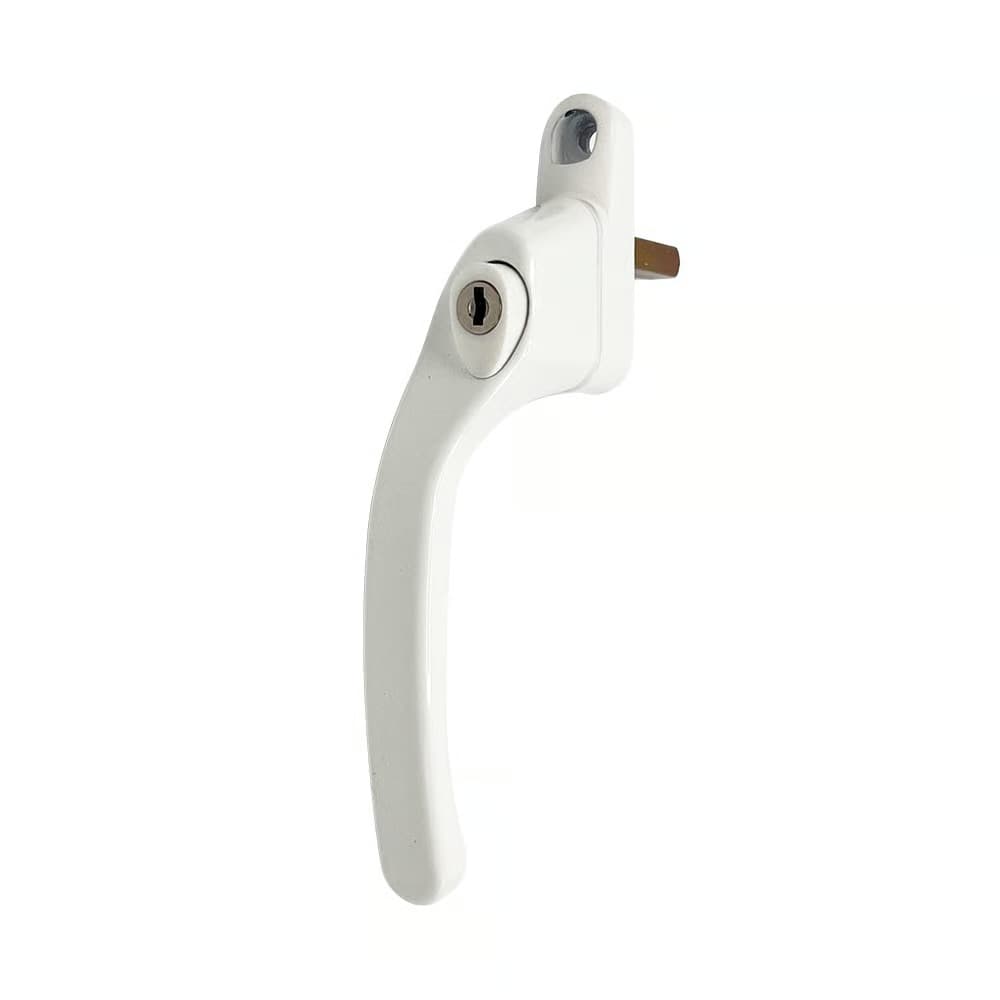
- Cockspur handles secure against a metal keep on the frame and can also come in locking variants such as the TSS Cockspur Window Handle.
- Keyed lever handles, like the TSS Offset UPVC Window Handles, provide keyed security and may require different replacement parts.
Basic safety and tools
For most repairs, basic tools suffice: a Phillips or flat screwdriver, Allen keys, a replacement spindle or handle, lubricant (silicone spray), a pair of pliers, and replacement screws or keeps if necessary. Work with the window closed and supported. Use eye protection when removing hardware, particularly if drilling or filing is required.
Diagnostic checks: what to inspect first
1. Visual inspection: Check for missing or loose screws, a broken spindle, stripped gearbox, or cracked handle body. Remove the handle rose or cover plate to expose fixing screws and the spindle. 2. Movement test: With the handle removed, operate the spindle (if present) to see if the gearbox or espag rod moves. If the gearbox does not turn but the handle is intact, the problem is likely the spindle or internal gearbox. 3. Alignment and keeps: Inspect the frame keeps and striker plates. If locking pins or hooks fail to engage, the tries may be misaligned or the keeps may be worn or bent. 4. Lock mechanism: For push-button or keyed locks, check for debris or corrosion in the lock barrel and whether the lock engages when the key or button is operated.
Quick fixes and maintenance
- Tighten fixings: Many handle faults are caused by loose screws. Tighten handle fixing screws and ensure the spindle is fully seated.
- Lubrication: Apply silicone spray to the locking points, gearbox and keeps. Avoid oil-based lubricants that attract dirt. Operate the handle several times to distribute lubricant.
- Clean and clear: Remove dirt and paint build-up around the keeps and locking points. A small wire brush or a flat-bladed screwdriver can clear hardened debris.
- Replace the spindle: If the spindle is rounded or snapped, a replacement spindle of the correct length and profile will often restore function. Measure the spindle length and profile before ordering.
Adjusting and replacing keeps
If locking points fail to engage due to frame movement or wear, adjusting the keeps can re-establish correct engagement.
- Loosen the keep screws slightly and reposition the keep until the locking point engages smoothly. Retighten and test the handle through several cycles.
- If the keep is worn or heavily corroded, replace it. When replacing, use the same position or slightly offset to compensate for wear, then test and fine-tune.
Replacing the handle or gearbox
When wear or damage prevents repair, replacement is the most reliable solution. Choose the correct replacement type (espag, cockspur, keyed) and ensure compatibility with the spindle and fixing centres.
- For espag handles, ensure the replacement matches the spindle size and the screw centres. The TSS Cockspur Window Handles is a robust option for many uPVC windows.
- For cockspur applications fitted to older windows, the TSS Cockspur Window Handle provides a direct swap in many cases.
- For keyed security, the TSS Offset UPVC Window Handles offers a standard keyed replacement where a lock barrel is required.
When the problem is the espagnolette rod or multipoint gearbox
For espag systems, faults can occur along the rod or inside the multipoint gearbox. If the handle moves but the locking points do not:
- Inspect the espagnolette rod and clips for broken or loose sections. Replace damaged rods and clip sections.
- If the internal gearbox is stripped, replace the gearbox or the whole espag unit. In many cases replacing the entire espagnolette assembly is more effective than attempting repair.
Final checks and security considerations
After repair or replacement, check the following:
- Smooth operation through full travel without binding.
- Correct engagement of all locking points and secure seating of the sash against the frame.
- That keyed locks operate smoothly with the supplied key and that keys rotate fully.
- That fixings are secure and the handle does not wobble.
Related Reading
Explore more guides on related topics:
Summary
Fixing a handle that won’t lock on uPVC windows can often be resolved with straightforward diagnosis, lubrication, tightening, and replacement of simple parts such as spindles, keeps or the handle itself. For espagnolette systems, additional checks of the rod and gearbox may be required. Where replacement is necessary, choosing the correct type and fitment restores secure, reliable operation. Refer to product specifications and use quality parts to ensure longevity and security.
Part of our guide:
Complete Guide to Window Handles