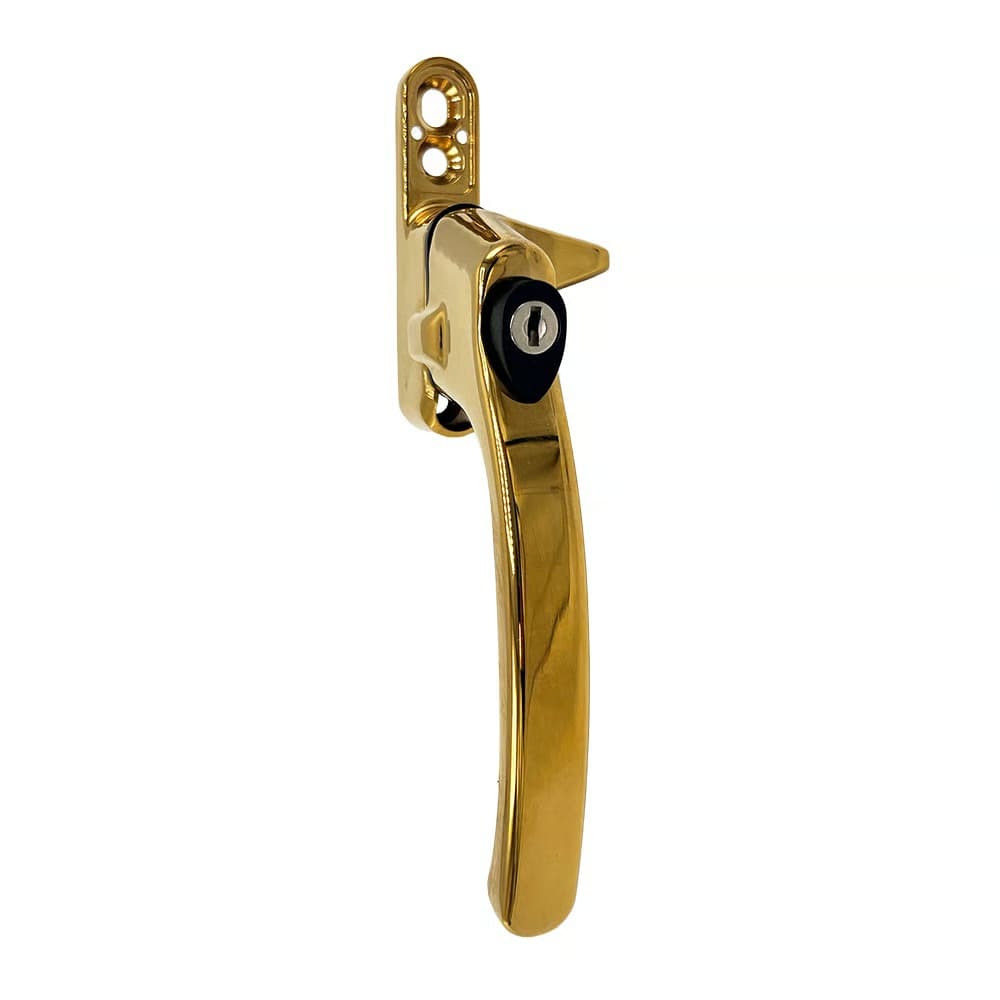
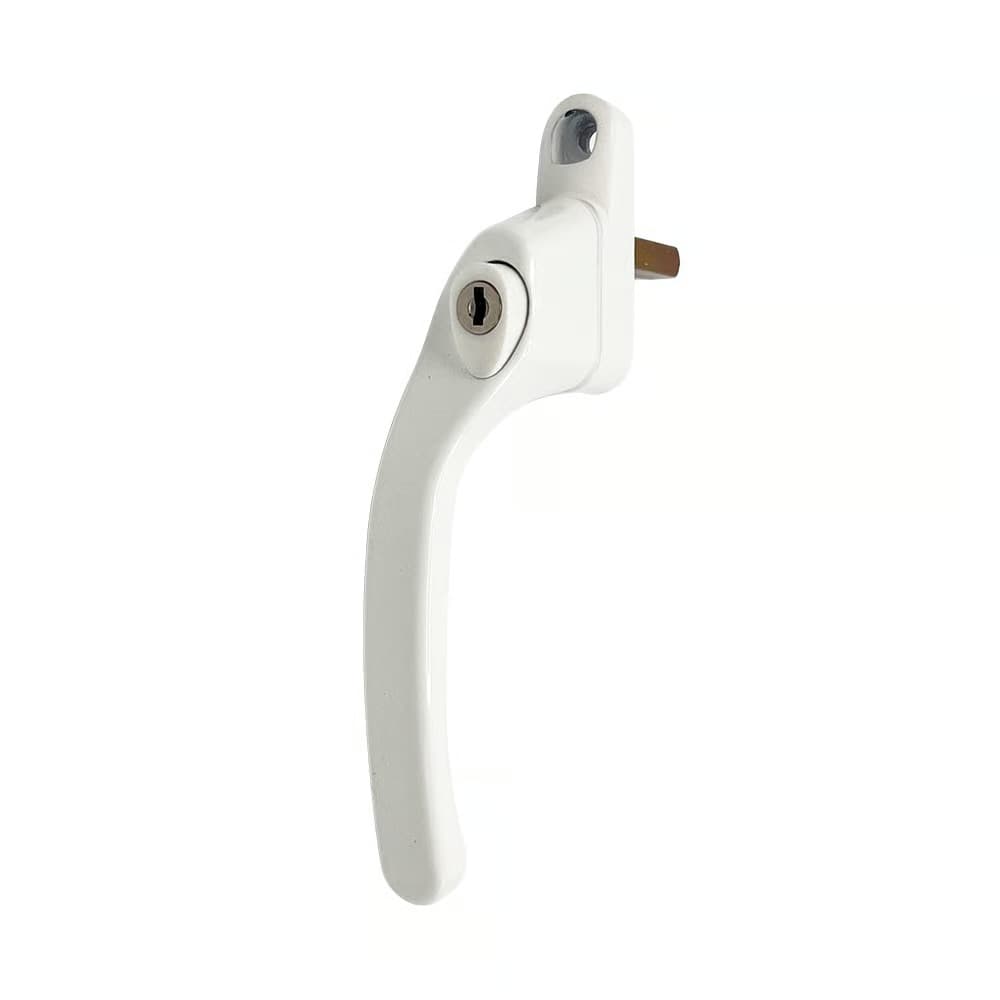
Window Handles with Locks: Best Finishes (White, Black, Chrome)
Window handles with locks are a practical upgrade for both security and usability, especially on rooms that require restricted access such as ground-floor...
Window handles with locks are a practical upgrade for both security and usability, especially on rooms that require restricted access such as ground-floor windows, bathrooms, or children's bedrooms. Choosing the right finish — white, black or chrome — affects aesthetics, maintenance and durability. This guide explains the advantages of each finish, suitable handle types, and installation and maintenance tips for homeowners and tradespeople to achieve a secure, long-lasting result.
Why choose window handles with locks
Window handles with locks combine everyday operation with a mechanical security measure. The lock prevents the handle from being turned and the window from being opened, deterring opportunistic entry and offering peace of mind when windows are left unattended. For new installations or replacements, selecting a handle that fits the window profile, locking standard and finish is critical to ensure compatibility and a professional appearance.
Common handle types and suitability
- Espag handles: Common on casement and tilt-and-turn windows, espagnolette (espag) handles operate a multipoint locking mechanism inside the frame. They are recommended for robust security and neat external appearance. A good example is the TSS Cockspur Window Handles, which is designed for multipoint systems and includes an integrated lock for added protection.
- Cockspur handles: Simpler and more economical, cockspur handles suit single-point locking windows and older metal frames. They are straightforward to fit and maintain. The TSS Cockspur Window Handle offers a reliable locking option in a classic form.
- Lever-lock handles: These are versatile across timber, uPVC and aluminium profiles and can be supplied keyed or thumb-turn. The TSS Offset UPVC Window Handles is a popular lever-lock choice for trade professionals and homeowners wanting a balance of security and style.
Finish comparison: white, black, chrome
White finish
- Aesthetic: White provides a clean, unobtrusive look that blends with white uPVC and painted timber frames. It is a common choice for contemporary and traditional properties where subtlety is preferred.
- Practicality: White is forgiving with fingerprints and minor scratches, but over time may yellow slightly in strong sunlight. It is the easiest finish to match with existing white joinery.
- Durability: Modern powder-coated and polyester-painted white finishes perform well in typical UK conditions. Avoid thin paint finishes on commercial-grade locks where abrasion is frequent.
- Best use: Domestic uPVC windows, conservatories and properties aiming for a seamless all-white finish.
- Aesthetic: Black handles provide a striking contrast and a contemporary, architectural look. They complement dark aluminium frames and create a cohesive appearance with black ironmongery across the property.
- Practicality: Black finishes hide dirt and are tolerant of everyday handling. Matte black can show grease spots more readily, while satin black is easier to keep looking fresh.
- Durability: High-quality black finishes are typically powder-coated or anodised (on aluminium). Ensure the finish has adequate corrosion resistance, particularly for coastal locations.
- Best use: Modern refurbishments, dark-framed windows, and schemes that use black hardware throughout a home.
- Aesthetic: Chrome gives a polished, high-end appearance that suits traditional and modern interiors alike. It pairs well with stainless steel fittings and glossy furniture.
- Practicality: Chrome is easy to clean but shows fingerprints and watermarks more than darker finishes. Regular wiping with a microfibre cloth maintains the shine.
- Durability: Chrome-plated handles are hard-wearing and resistant to corrosion if the plating is of good quality. For bathrooms and coastal areas, choose chrome finishes with thicker plating to resist pitting.
- Best use: Bathrooms, high-end renovations, and period properties where a reflective metal finish complements other fixtures.
Practical selection criteria
- Lock type: Decide between keyed locks and thumb-turns. Keyed handles offer external locking control and are useful on ground-floor windows; thumb-turn locks provide quick internal operation, often preferred on bathroom windows.
- Backset and fixing centres: Measure the existing handle’s screw centres and spindle backset. Many replacement handles have standard centres, but tradespeople must confirm compatibility with the espagnolette or lock case to avoid retrofit issues.
- Material and corrosion rating: For coastal or exposed properties choose stainless steel or high-quality plated/powder-coated finishes with proven corrosion resistance. Check manufacturer specifications for salt-spray or corrosion ratings if available.
- Child safety and ventilation: Some locking handles allow the handle to be set in a restricted position to permit ventilation while preventing full opening — a useful feature for child safety and background ventilation.
Installation tips for tradespeople and competent DIYers
- Prepare: Remove the existing handle and clean the mounting area. Check the operation of the locking mechanism and espagnolette or keeps for wear.
- Align correctly: Ensure the spindle engages squarely with the internal mechanism; misalignment can cause the lock to fail or the handle to bind.
- Use correct fixings: Use the screws supplied or stainless-steel equivalents for external-facing fittings. Over-tightening can strip threads or crack uPVC.
- Test operation: With the window closed, operate the locking handle several times to confirm smooth action and that the lock fully engages the keeps.
- Adjust keeps: If the lock doesn’t align, adjust or replace the keeps rather than forcing the handle. Properly aligned keeps extend the life of the lock.
Maintenance and longevity
- Regular cleaning: Use mild detergent and water; avoid abrasive cleaners on painted or plated finishes. Wipe off salt spray promptly in coastal locations.
- Lubrication: Apply a light machine oil or silicone spray to moving parts annually to keep the lock operating smoothly. Avoid grease that attracts dust.
- Inspections: Check fixings and the condition of the finish yearly. Replace worn or corroded handles to maintain security standards.
Related Reading
Explore more guides on related topics:
Part of our guide:
Complete Guide to Window Handles