How to Replace a Cockspur Handle: DIY Instructions
Replacing a cockspur handle is a common task for tradespeople and DIY enthusiasts working on older timber or aluminium casement windows. A properly fitted cockspur handle restores security, weather pe...
Replacing a cockspur handle is a common task for tradespeople and DIY enthusiasts working on older timber or aluminium casement windows. A properly fitted cockspur handle restores security, weather performance and ease of use. This guide explains how to select a replacement, remove the old cockspur handle, and fit a new one safely and accurately. Follow industry best practice and simple trade tips to get the job done efficiently.
What is a cockspur handle and how to choose one
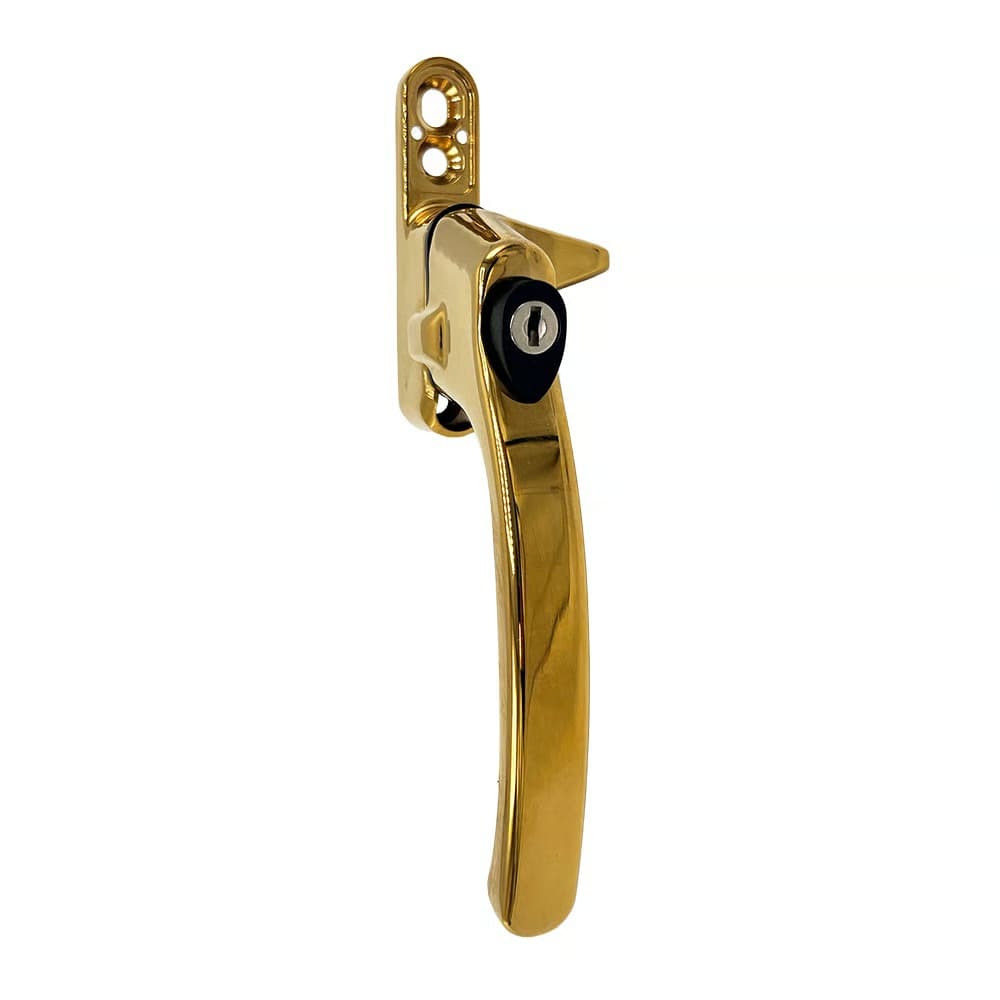
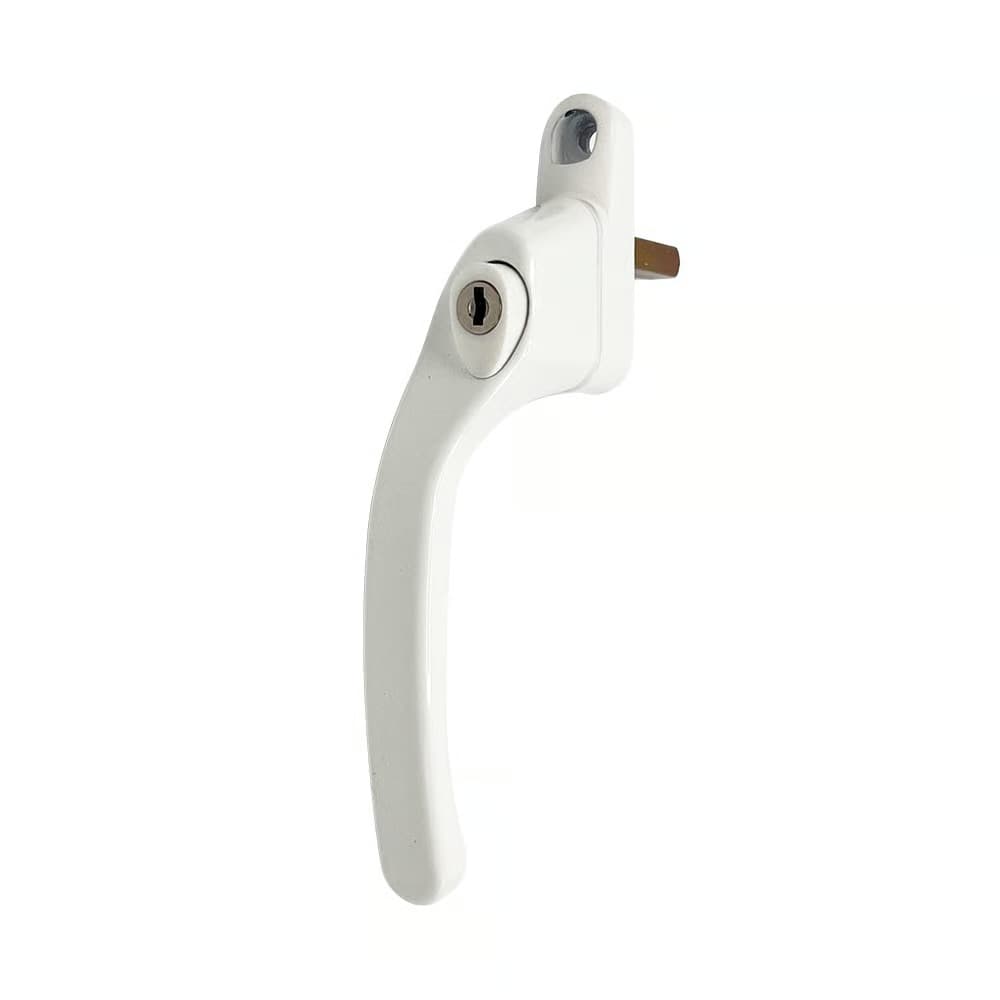
A cockspur handle is a surface-mounted window handle that operates a simple latch; it is commonly found on older metal and timber casement windows. When replacing a cockspur handle, consider the following:
- Material: choose galvanised steel, aluminium, or stainless steel depending on exposure to weather and client preference.
- Size: measure backset and projection so the new cockspur handle engages the keeper correctly.
- Finish: match window hardware finish for a professional look; white, bronze or satin finishes are common.
- Security: select a cockspur handle with a locking option if required for enhanced security.
- Compatibility: check that screw hole spacing matches or that you can prepare new pilot holes without damaging the frame.
Tools and materials you will need
Preparing the right tools saves time on site. For a straightforward cockspur handle replacement, gather the following:
- Screwdrivers: Phillips and flat-head; consider a stubby set for tight spaces.
- Power drill with small bits for pilot holes; use low torque to avoid splitting timber.
- Tape measure and pencil for marking.
- No.2 wood screws or self-tapping screws to suit the handle and frame material.
- Replacement cockspur handle and matching keepers; include packers if needed for alignment.
- Lubricant: light machine oil or silicone spray for smooth operation.
- Sealant or touch-up paint if removing rusted or painted-on hardware.
Step-by-step: removing the old cockspur handle
Follow these steps to remove the existing cockspur handle safely and to preserve the frame for the new fitting:
- Open the window to access the handle and its fixings comfortably.
- Inspect the handle and note how the cockspur handle engages the keeper; photograph if needed for reference.
- Unscrew the fixings holding the cockspur handle. If screws are painted over, score around the head and apply penetrating oil; wait 10 minutes before turning.
- If the handle is seized, apply gentle heat with a hot air gun on low setting to soften paint and try again; avoid excessive heat near sealed glass units.
- Remove the cockspur handle and the keeper. Clean the mounting area: remove rust, old paint flaking and dust using a wire brush and cloth.
- Assess screw holes: if the old holes are stripped, you may need to fill and re-drill, or use larger diameter screws or packers to ensure a secure fixing for the new cockspur handle.
Step-by-step: fitting the new cockspur handle
Installing the replacement cockspur handle requires careful measuring and alignment so the latch operates smoothly and securely:
- Dry fit the new cockspur handle and keeper in position. Check that the spur engages the keeper at the correct angle when the window is closed.
- Mark new pilot hole positions with a pencil through the handle's fixing holes. Use a square or combination rule to ensure the handle sits straight on the frame.
- Drill pilot holes appropriate to the screw type and frame material; use a countersink bit for timber to allow the screw head to sit flush.
- If required, use thin packers behind the keeper to adjust engagement; common when replacing a worn cockspur handle with one of a slightly different geometry.
- Apply a smear of silicone sealant or a drop of threadlocker if vibration is likely; avoid excessive sealant which can impede operation.
- Screw the cockspur handle and keeper in place using even pressure; do not over-tighten screws in aluminium frames as this can deform the mounting area.
- Operate the new cockspur handle several times to check smooth action; apply light lubricant to the spur and pivot points if needed.
Common problems and trade tips
Here are practical solutions that tradespeople use when replacing cockspur handles on site:
- Misaligned keeper: move the keeper slightly or add a thin steel or plastic packer to correct engagement without re-machining the frame.
- Stripped screw holes in timber: use hardwood dowels with glue, or epoxy filler, then re-drill pilot holes for a lasting repair when fitting the new cockspur handle.
- Painted-over handles: always clear paint build-up around moving parts and the keeper so the cockspur handle operates freely.
- Corrosion on old fixings: replace with stainless steel screws to prevent future rust staining and ensure long service life of the cockspur handle.
- Security upgrades: if a client wants improved security, fit a locking cockspur handle that uses a key to prevent unauthorised opening.
Safety and aftercare
Follow these safety and maintenance pointers to deliver a professional finish and minimise call-backs:
- Wear eye protection when drilling and cleaning rust or paint.
- Avoid excessive force when removing seized fixings to prevent glass or frame damage.
- Advise clients on regular lubrication and how to operate the cockspur handle correctly to prolong life; recommend annual checks.
- Keep spare screws and a small pack of replacement cockspur handles in your van for quick on-site swaps.
Replacing a cockspur handle is a straightforward job that tradespeople and competent DIYers can complete in under an hour in most cases. Proper measurement, correct fixings and a careful alignment will ensure the new cockspur handle operates reliably and enhances both security and appearance. For further guides on window handles and related fittings visit our window handles guide hub to compare styles and technical specifications.
Related Reading
Explore more guides on related topics:
Recommended Products
Based on this article, you may find these products helpful:
Part of our guide:
Complete Guide to Window Handles