Window Handles

Window Handle Maintenance: Cleaning Lubrication and Tightening

29 December 2025

Window Handle Maintenance: Cleaning Lubrication and Tightening

Window handles are a small but vital component of any window system. They affect operation, security and the overall aesthetic of your home. This guide explains the types of window handles, how to choose the right one, and practical steps for installation and maintenance so you get long‑lasting, trouble‑free performance.

Why window handles matter

Window handles do more than open and close windows. They also:

  • Provide mechanical leverage for smooth operation
  • Secure windows against unauthorised entry
  • Contribute to weather sealing when combined with gaskets and mechanisms
  • Add to the appearance of interior and exterior finishes
  • Using the right handle for the window type and locking system reduces wear on other hardware such as hinges and espagnolette mechanisms.

    Common types of window handles

    Espag (espagnolette) handles

    Espag window handles interface with an espagnolette shaft and locking gearbox. They are typical on modern uPVC and timber windows and come in offset and slimline variants. Consider the Avocet Slimline Offset Window Espag for a low‑profile option: /p/avocet-slimline-offset-window‑espag

    Cockspur handles

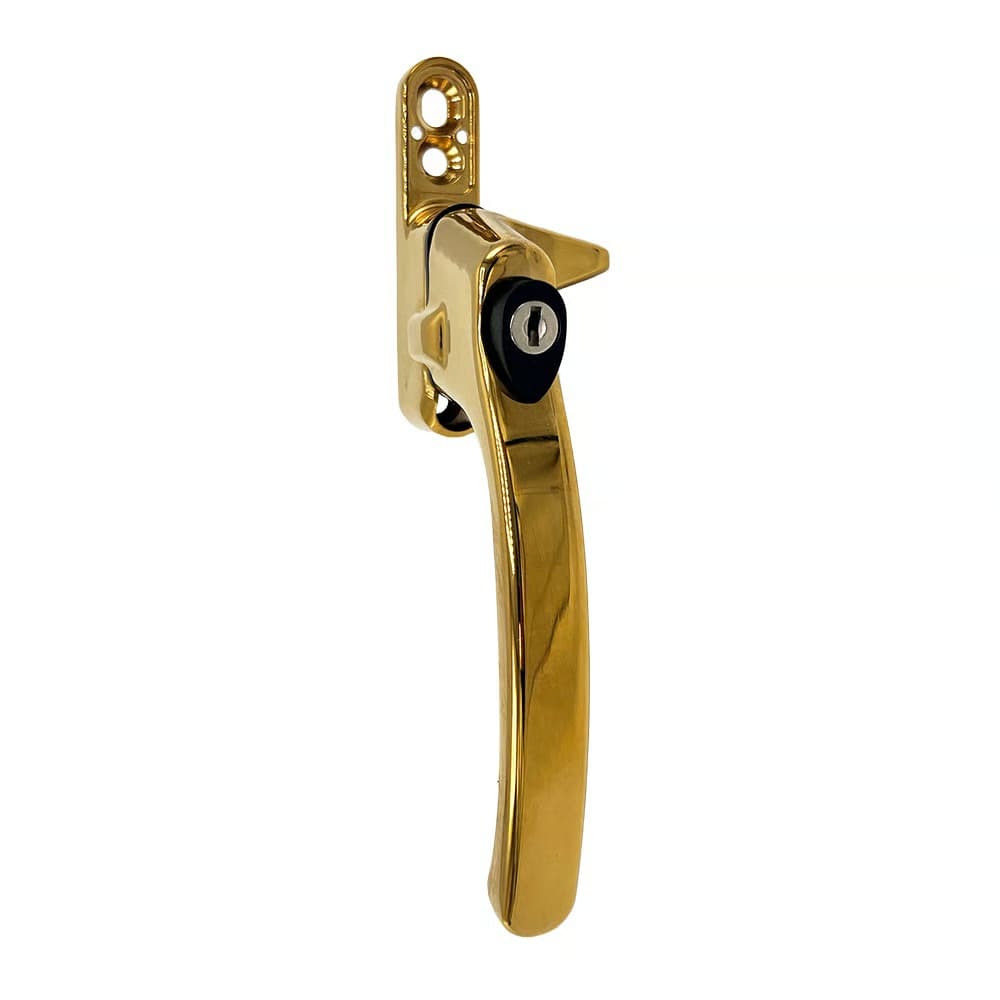
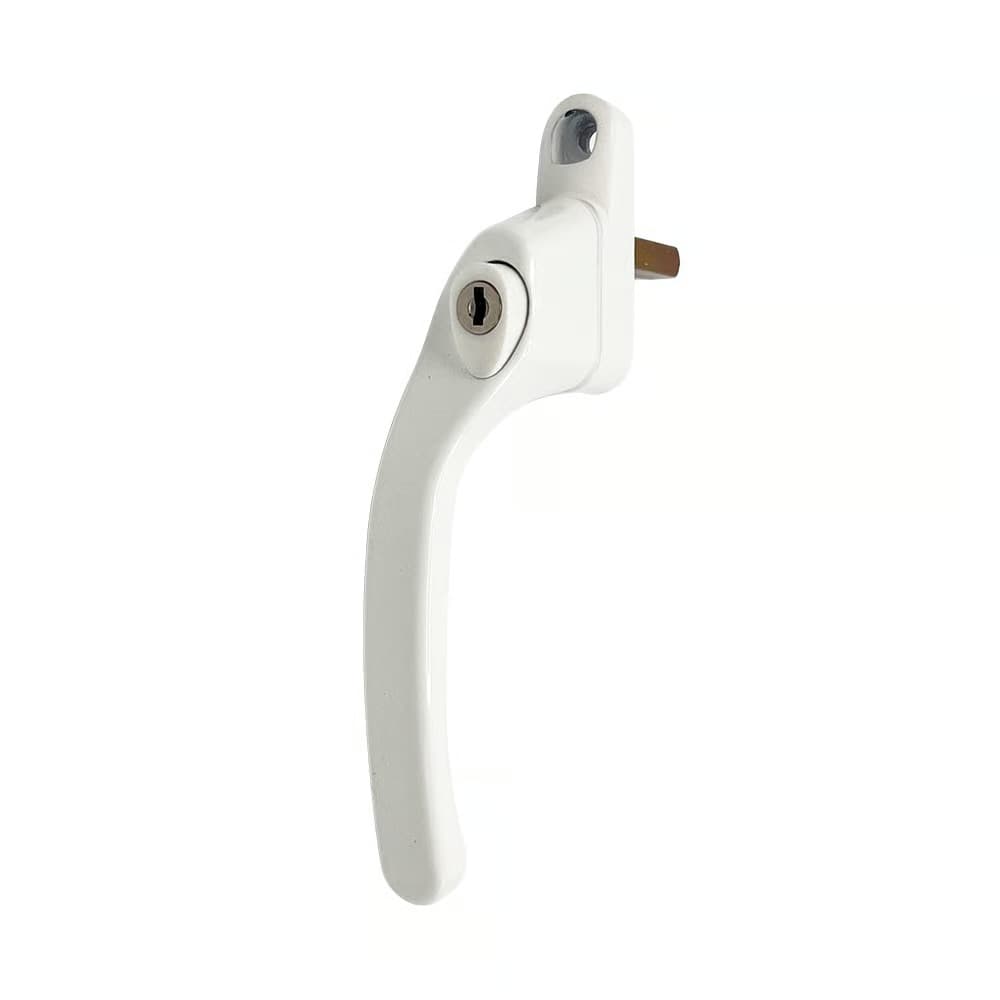
    Cockspur window handles pivot to engage the frame and are common on older uPVC installations. They are easy to fit and economical; see TSS Cockspur Window Handles: /p/tss-cockspur-window‑handles

    Offset handles for uPVC

    Offset handles suit windows where the handle needs to sit away from the locking spindle or frame. TSS Offset UPVC Window Handles provide compatibility with many uPVC systems: /p/tss-offset-upvc-window‑handles

    Thumb‑turn and key‑operated cylinders

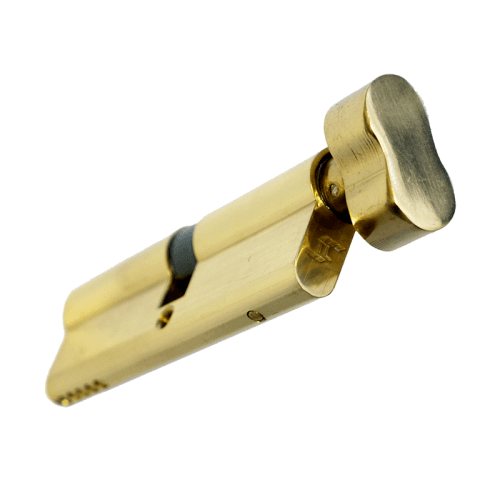
    For increased security, some handles work with euro cylinders. A thumb‑turn cylinder like TL Thumb Turn Euro Cylinder is practical for internal operation without a key: /p/tl-thumb-turn-euro-cylinder

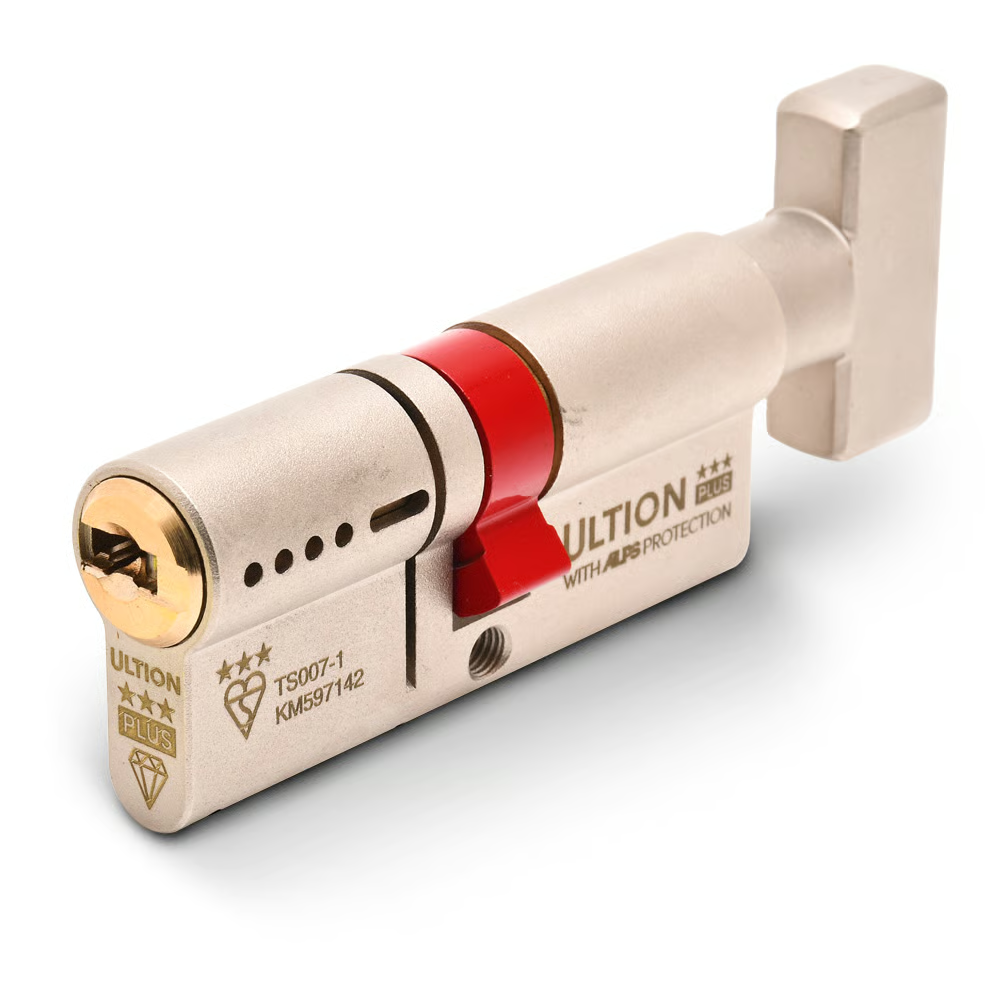
    For secure keyed operation you can pair handles with high‑security cylinders such as the Ultion Plus TS007 3* Kitemarked Euro Key & Turn Cylinder: /p/ultion-plus-ts007-3-kitemarked-euro-key-turn-cylinder

    Matching handles to window type

    Choose a handle that matches the window opening style and locking mechanism:

  • Top‑hung and casement windows typically use espag or offset espag handles and hinges. Consider the Top‑Hung Window Hinge - Standard for the hinge pairing: /p/top-hung-hinge-standard
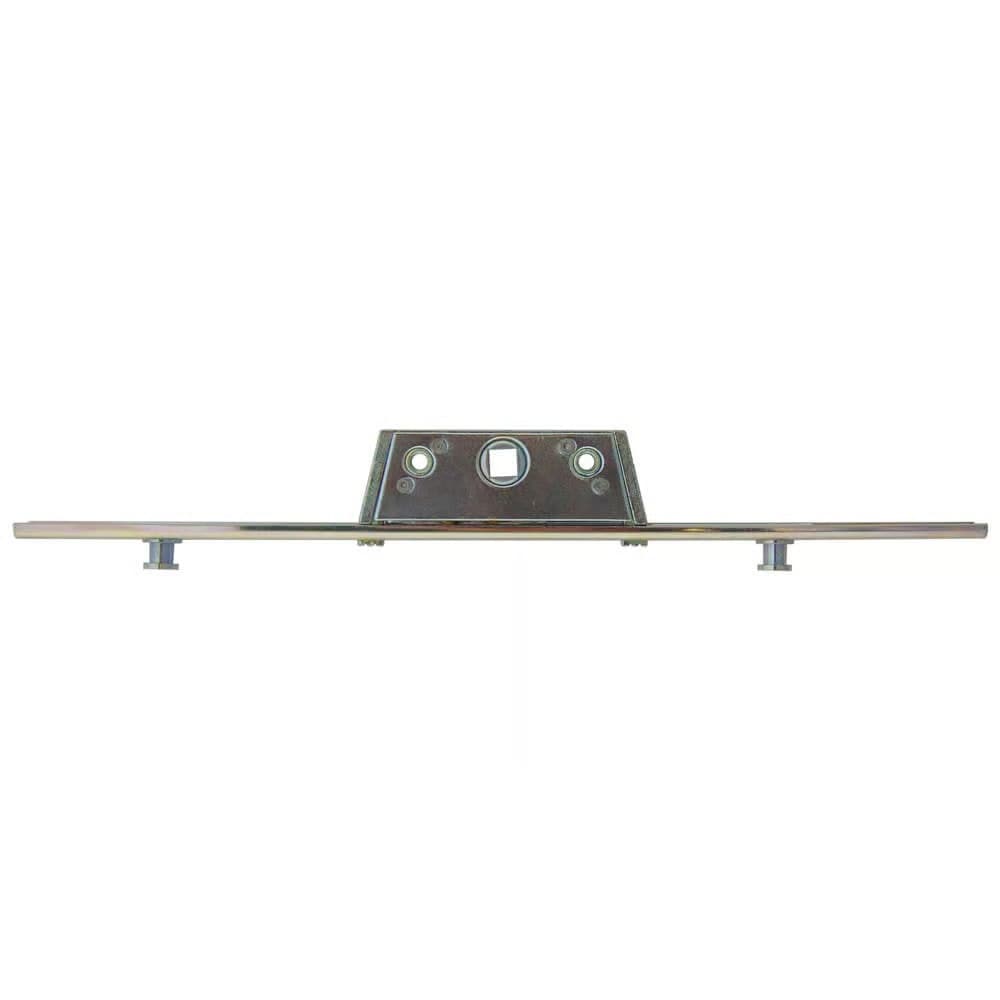
  • In‑line mechanisms often require dedicated handles that work with the gearbox; see the In‑Line Window Mechanism: /p/inline-window-mechanism
  • Older timber or metal windows may use cockspur handles.
  • Also check spindle size and screw centres before purchasing to ensure compatibility.

    Security considerations

    Window handles contribute to overall security but need to be part of a system. Tips:

  • Use handles that are compatible with Kitemarked, TS007 or equivalent cylinders for higher security. The Ultion Plus TS007 cylinder is an example: /p/ultion-plus-ts007-3-kitemarked-euro-key-turn-cylinder
  • Where possible, choose key‑lockable handles for ground‑floor windows or vulnerable rooms. Keyed handles combined with secure espagnolette gear reduce risk of forced entry.
  • Ensure the handle's screw fixings are accessible only when the window is open, or use security screws.
  • Weather sealing and hardware compatibility

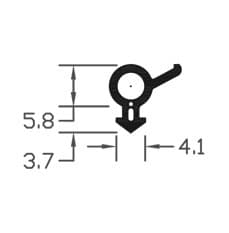
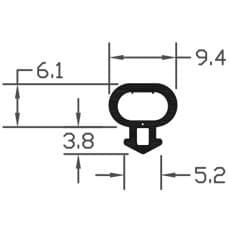
    Good sealing reduces wind noise and water ingress. Bubble gaskets help maintain a weathertight seal around the sash and frame. Options include B003 Bubble Gasket and B004 Bubble Gasket for different profiles: /p/b003-bubble-gasket and /p/b004-bubble-gasket

    Also check the condition of hinges and keep them aligned; a stiff or misaligned hinge will put strain on the handle and locking mechanism. A robust hinge, such as the Flag Door Hinge - Stainless Steel, can be used where durability is needed near openings: /p/flag-door-hinge-sss

    Practical guide: replacing a window handle (step‑by‑step)

    Tools you will need: screwdriver set, tape measure, replacement handle, masking tape, pencil, replacement screws if required.

  • Identify the handle type and record spindle size and screw centre distance. Measure before removing the old handle.
  • Open the window and support the sash to relieve pressure on the handle.
  • Remove the handle screws and carefully withdraw the handle. Keep any washers or cover plates.
  • Check the condition of the spindle and locking gearbox. If the gearbox is worn, replace the mechanism before fitting a new handle; consider the In‑Line Window Mechanism if appropriate: /p/inline-window-mechanism
  • Fit the replacement handle, ensuring the spindle engages fully. Use original‑length screws or bolts; excessive tightening can distort frames and gaskets.
  • Test operation: open, close and lock several times. Check that the handle returns to the neutral position and the window seals correctly.
  • If the window leaks or does not close fully, check gaskets (B003 or B004) and hinge alignment; adjust as necessary.
  • If you are unsure about canonically matching a handle to a locking mechanism, take a photo of the old handle and gearbox and consult the supplier.

    Maintenance tips to prolong handle life

  • Clean handles with a mild detergent and dry; avoid abrasive chemicals.
  • Lubricate moving parts annually with a light machine oil or silicone spray on the spindle and gearing; avoid over‑lubricating gaskets.
  • Check and tighten fixings every 12 months. Replace any corroded screws with stainless alternatives.
  • Inspect surrounding hardware such as hinges, espag rods and gaskets; addressing small issues early prevents handle failure.
  • When to call a professional

    Engage a professional if:

  • The espagnolette or gearbox is damaged or missing
  • The handle operates but the locking points do not engage correctly
  • You suspect the frame or sash is warped
  • The window forms part of a fire escape or is high risk; professional fitting ensures compliance and safety
  • Professionals can fit compatible hardware such as the Avocet Slimline Offset Window Espag and upgrade cylinders to TS007 standard for improved security.

    Product suggestions and where they fit

  • TSS Cockspur Window Handles: low‑cost solution for existing cockspur systems /p/tss-cockspur-window‑handles
  • TSS Offset UPVC Window Handles: for uPVC installations needing offset spindles /p/tss-offset-upvc-window‑handles
  • Avocet Slimline Offset Window Espag: slim profile espag replacement /p/avocet-slimline-offset-window‑espag
  • TL Thumb Turn Euro Cylinder: internal thumb‑turn convenience /p/tl-thumb-turn-euro-cylinder
  • Ultion Plus TS007 Cylinder: high security keyed option /p/ultion-plus-ts007-3-kitemarked-euro-key-turn-cylinder
  • B003 and B004 Bubble Gaskets: weather sealing options /p/b003-bubble-gasket and /p/b004-bubble-gasket
  • In‑Line Window Mechanism and Top‑Hung Hinge: for specific window types and mechanism replacements /p/inline-window-mechanism and /p/top-hung-hinge-standard
  • Flag Door Hinge - Stainless Steel: heavy‑duty hinge where required /p/flag-door-hinge-sss
  • Final checks before purchase

  • Confirm spindle diameter and length. 2. Measure screw centres. 3. Check the locking type: euro cylinder, thumb turn, or non‑locking. 4. Verify finish and colour match to other hardware.
  • Choosing the right window handles, and pairing them with suitable cylinders, gaskets and hinges, delivers secure, smooth‑operating windows. With correct measurement and routine maintenance you can avoid common failures and keep windows functioning for years.

    If you want help identifying the correct replacement handle for a particular window, send a clear photo and measurements of the existing handle and gearbox and I can recommend specific options.

    Related Reading

    Explore more guides on related topics: