Double Glazing Window Handles Replacements: Buying Guide
Replacing worn or damaged handles on double-glazed windows restores security, improves operation and refreshes appearance. This guide explains how to ident...
Replacing worn or damaged handles on double-glazed windows restores security, improves operation and refreshes appearance. This guide explains how to identify the correct double glazing window handles replacements, what to measure, common types and materials, fitting considerations for homeowners and tradespeople, and practical tips to avoid costly mistakes.
Identify the problem and required replacement type
Start by establishing why the handle needs replacing. Common reasons include stripped fixings, a broken spindle, damaged locking mechanisms or cosmetic wear. Determining whether the issue is with the handle itself, the gearbox, or the espagnolette or French door locking system will prevent unnecessary parts purchases.Common handle types for double-glazed windows:
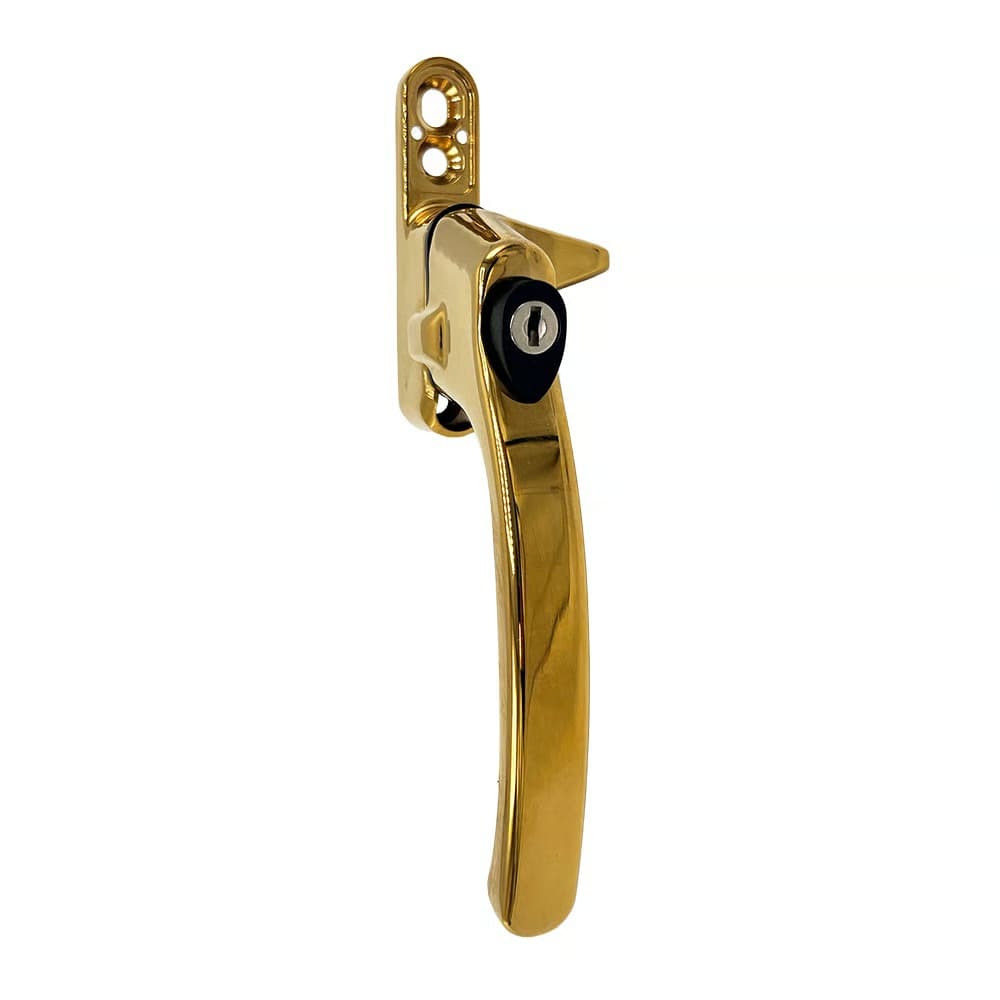
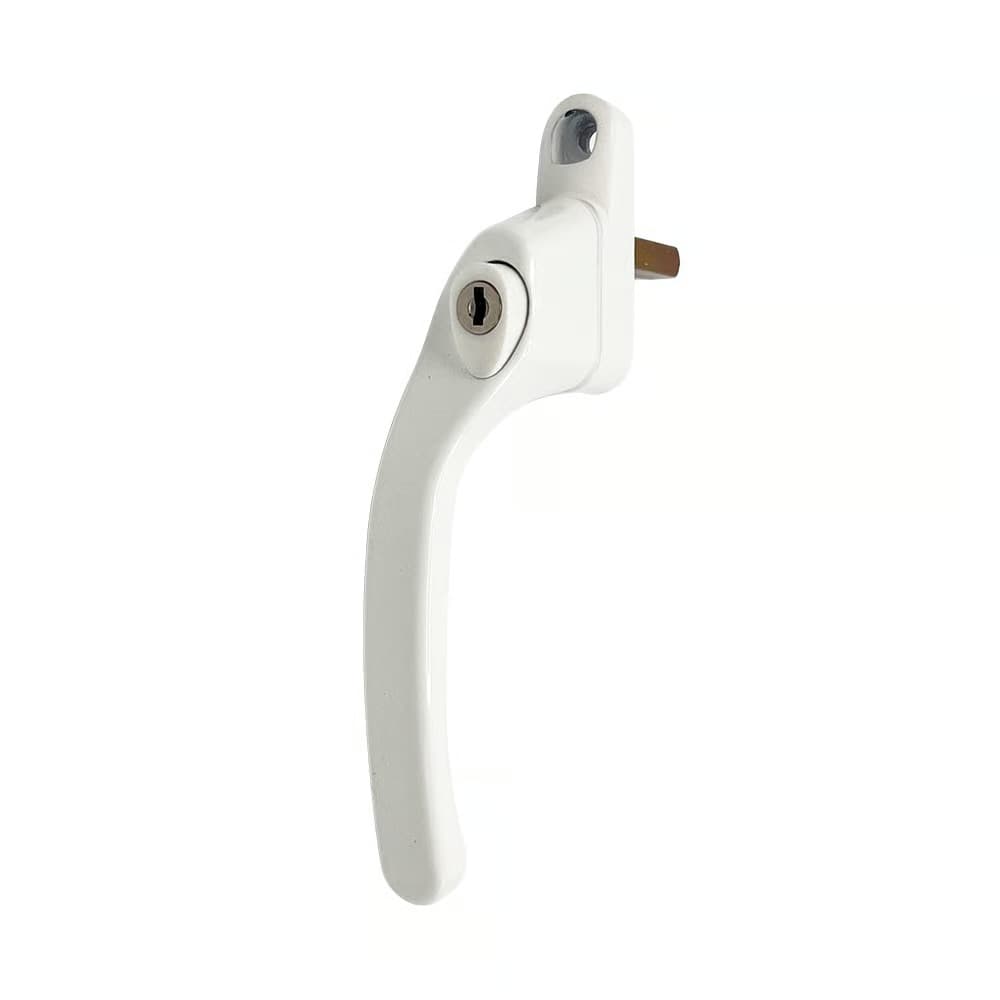
- Espag/espagnolette handles — operate an internal locking rod; typical for casement windows.
- Cockspur handles — surface-mounted and commonly used on older uPVC windows.
- Tilt-and-turn handles — for inward-opening sash windows.
- Lever/locking handles — for residential and commercial applications.
Accurate measurements and compatibility
Accurate measurement is the most crucial step. Key dimensions and details to record:- Centre-to-centre (fixing hole distance) — measure between the screw centres on the backplate. This is often 43 mm, 48 mm, 92 mm or other common sizes.
- Spindle size and length — measure the square spindle thickness (usually 7 mm or 8 mm) and the length that protrudes from the backset. Spindle length must match the handle and the adjustable keep on the gearbox.
- Backset and hand — note whether the handle is left or right handed (determined by hinge position when viewed from the outside) and whether it is for an outward or inward opening sash.
- Backplate style and hole pattern — some handles use two screws through a backplate; others use a single rose. Match the pattern to avoid drilling new holes that weaken frames.
Material, finish and security standards
Choose materials and finishes that match the window frame and meet security requirements. Aluminium and zinc alloys are common for durability and corrosion resistance. For coastal properties, select marine-grade finishes or stainless fastenings to reduce corrosion risk.Security features to consider:
- Key-lockable handles provide an additional deterrent and are often required by insurance policies.
- 3 star or PAS 24 rated handles enhance security; confirm certification where necessary.
- Anti-snap spindles and reinforced fixings offer better resistance to forced entry.
Fitting procedure: practical steps for a safe replacement
Follow a systematic approach to ensure a proper fit and avoid damage to the window frame or the locking mechanism.1. Secure the sash: For safety, use wedges or a helper to stabilise the window sash during work. 2. Remove the old handle: Unscrew fixings, withdraw the spindle and inspect the internal gearbox or espagnolette for damage. If the gearbox is worn, replace it at the same time as the handle. 3. Clean the area: Remove debris and corrosion from the backplate area and check screw threads. Replace screws if they are corroded or stripped. 4. Trial fit the new handle: Position the handle, insert a matching spindle, and check operation before final tightening. Ensure the handle turns smoothly and fully engages the locking points. 5. Secure fixings evenly: Tighten screws alternately and avoid overtightening, which can crack uPVC or strip wood. 6. Check alignment and operation: Close the window and operate the handle through its full travel to confirm engagement of all locking points. Make small adjustments to keepers or espagnolette rods if needed. 7. Final security check: Test any key-locking function and ensure the key withdraws smoothly only in the locked position.
For sash windows with concealed gearing, small adjustments to the locking rod stops or keeps may be required after fitting. Tradespeople should always test multiple cycles to confirm long-term operation.
Common pitfalls and how to avoid them
- Buying by appearance alone: Visual matches may hide differences in spindle size or fixing centres. Verify technical specs before purchase.
- Ignoring internal damage: Replacing a handle without checking the gearbox or espagnolette can lead to immediate failure. Inspect internal components and replace if worn.
- Wrong spindle length: A spindle that’s too short prevents proper engagement; too long can damage internal mechanisms. Measure carefully.
- Using incorrect fixings: Stainless or corrosion-resistant screws prevent future problems, especially on external-facing frames.
When to replace rather than repair
Replace the handle when the internal lock mechanism is worn, the spindle is bent, the backplate is cracked or the handle housing is split. Repair might be acceptable for minor cosmetic chips or a loose fixing where screw renewal resolves the issue. For security-rated installations, replacement with an equivalent rated handle is recommended rather than attempting retrofit repairs.Related Reading
Explore more guides on related topics:
Summary and buying checklist
Buying the correct double glazing window handles replacements requires accurate measurement, awareness of handle type and security needs, correct material choice and careful fitting. Tradespeople benefit from carrying a basic kit of spindles, fixings and common handle types; homeowners benefit from clear photographs and measurements when ordering.Quick checklist before purchase:
- Measure centre-to-centre fixing distance and spindle size
- Note handle handedness and opening direction
- Confirm finish and corrosion resistance for location
- Match security rating or choose a key-lockable option
- Inspect internal gearbox or espagnolette for wear
Part of our guide:
Complete Guide to Window Handles