Chrome vs White Window Handles: Which Finish to Choose
Choosing between chrome and white finishes for a window handle is a common decision for trade professionals and DIY customers. The finish affects aesthetics, durability, maintenance and compatibility ...
Choosing between chrome and white finishes for a window handle is a common decision for trade professionals and DIY customers. The finish affects aesthetics, durability, maintenance and compatibility with different framing materials. This guide explains the practical differences so you can choose the right window handle for each job, whether you are fitting new windows, upgrading hardware, or specifying for a large project.
Why finish matters: aesthetics, durability and cost
The finish on a window handle does more than look good: it protects the metal, affects the tactile feel and determines how well the handle will match the surrounding décor. A chrome window handle tends to look more modern and polished; a white window handle blends with PVCu frames and painted timber. Both finishes have trade-offs in cost and longevity.
- Appearance: chrome gives a reflective, premium look; white is discreet and clean.
- Durability: chrome plating resists scratching and tarnishing better than painted finishes when specified correctly.
- Cost: white powder-coated or painted handles are often less expensive than high-quality chrome-plated options.
- Replacement and repair: consider availability of matching window handle replacements on-site or for future maintenance.
Practical comparison: chrome vs white
For quick decision-making on site, here is a practical side-by-side comparison of the two finishes for a window handle:
- Wear resistance: chrome typically resists wear and keeps a smooth action longer under frequent use.
- Corrosion resistance: chrome-plated handles with proper base metal provide good corrosion resistance; good quality white finishes use powder coating for similar protection.
- Fingerprints and marks: chrome shows fingerprints and watermarks more readily; white hides marks better, especially with textured finishes.
- Colour matching: white is the default for PVCu windows; chrome is often paired with aluminium or contemporary interiors.
Which finish suits each window type
Matching the window frame material and style is essential. Consider the following guidance when selecting a window handle finish for PVCu, aluminium and timber frames:
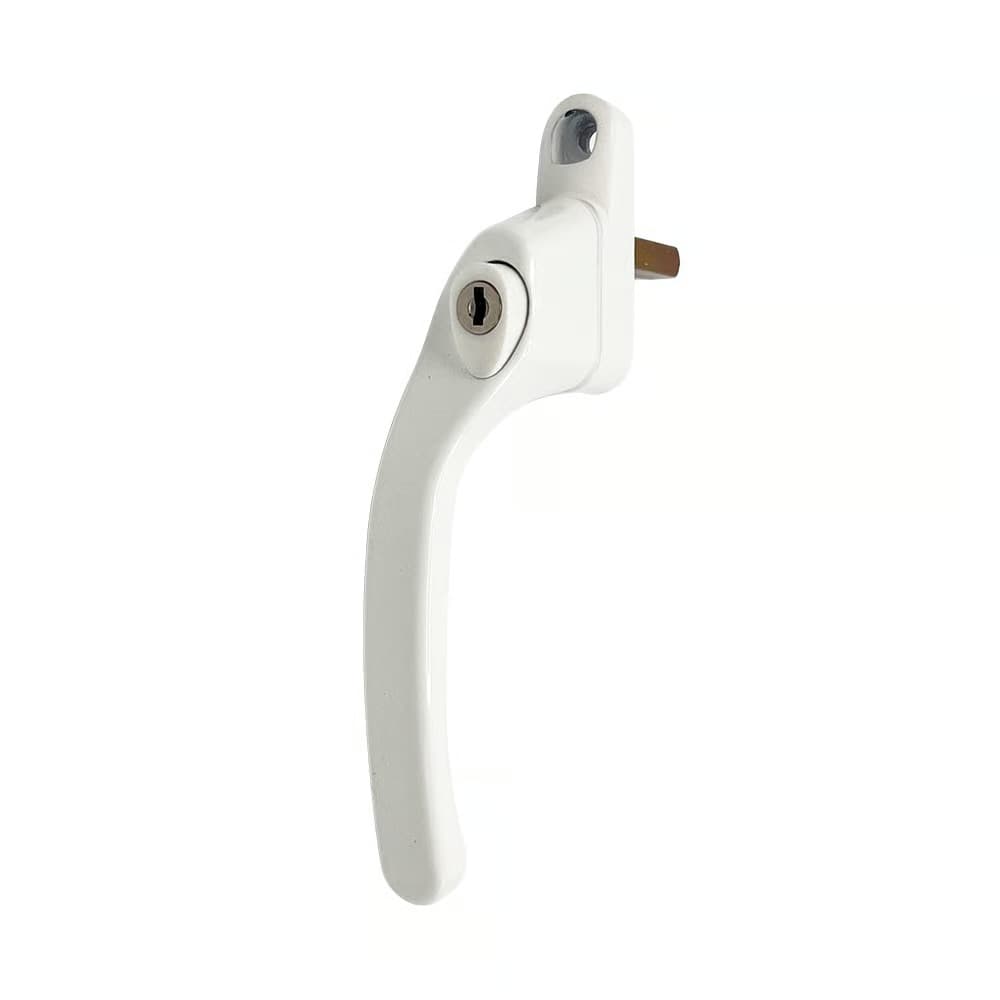
- PVCu: white window handle is standard and helps create a seamless look; chrome can be used for contrast in modern designs.
- Aluminium: chrome or satin chrome window handle complements anodised aluminium; white can look out of place unless the frame is pre-coat white.
- Timber: painted or stained timber benefits from chrome for a modern aesthetic; white is suitable for painted timber if the finish matches the paintwork.
- Commercial spaces: opt for hard-wearing chrome finishes in high-traffic areas; consider anti-bacterial coatings where hygiene is critical.
Security, locking and hardware compatibility
Choosing a finish should not compromise the mechanical performance of a window handle. Trade customers need to check compatibility with locking mechanisms, spindle sizes and backplate spacing. Key points to verify before installation:
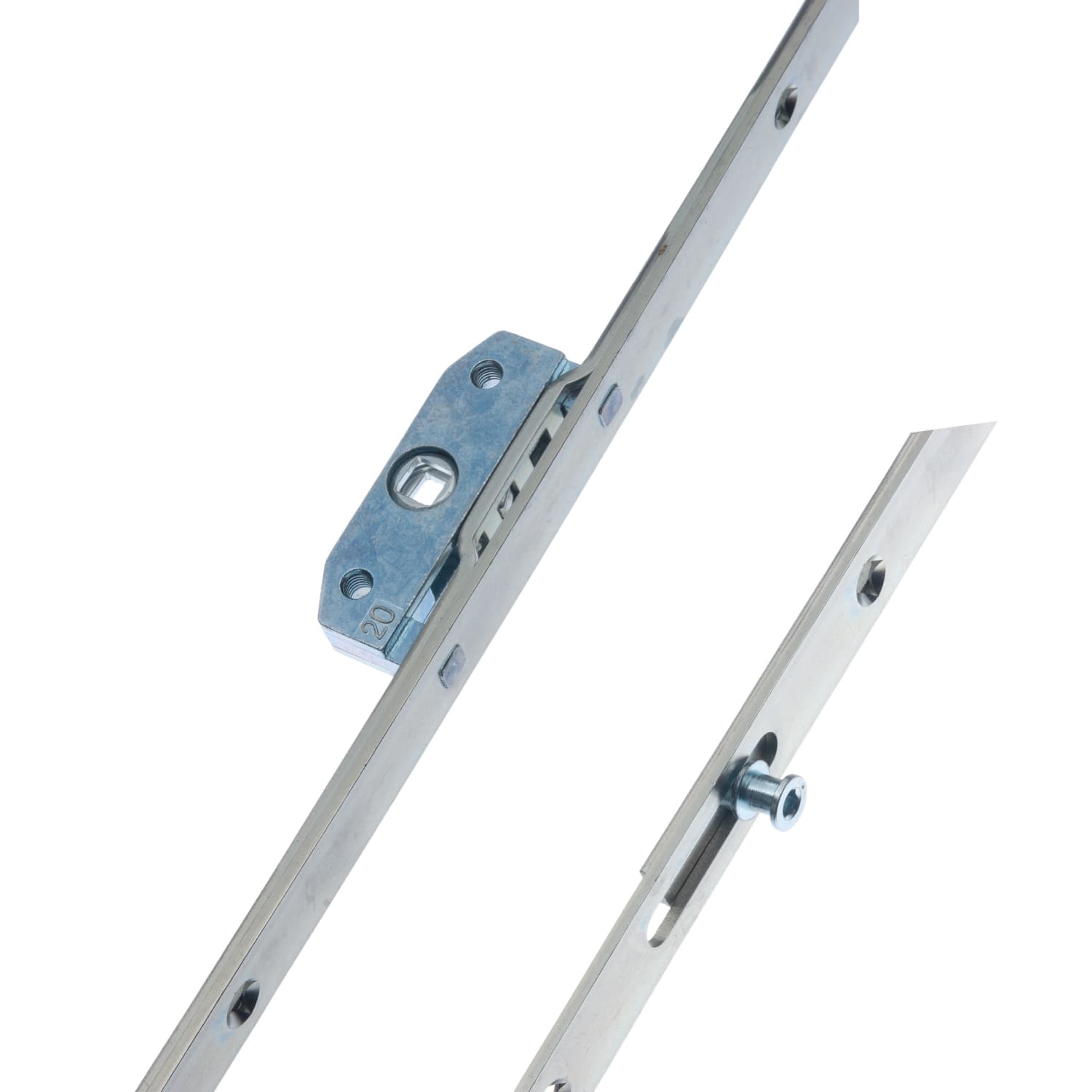
- Spindle length and diameter: ensure the chosen window handle fits the espagnolette gearbox or multi-point lock; mismatched spindles can cause poor operation.
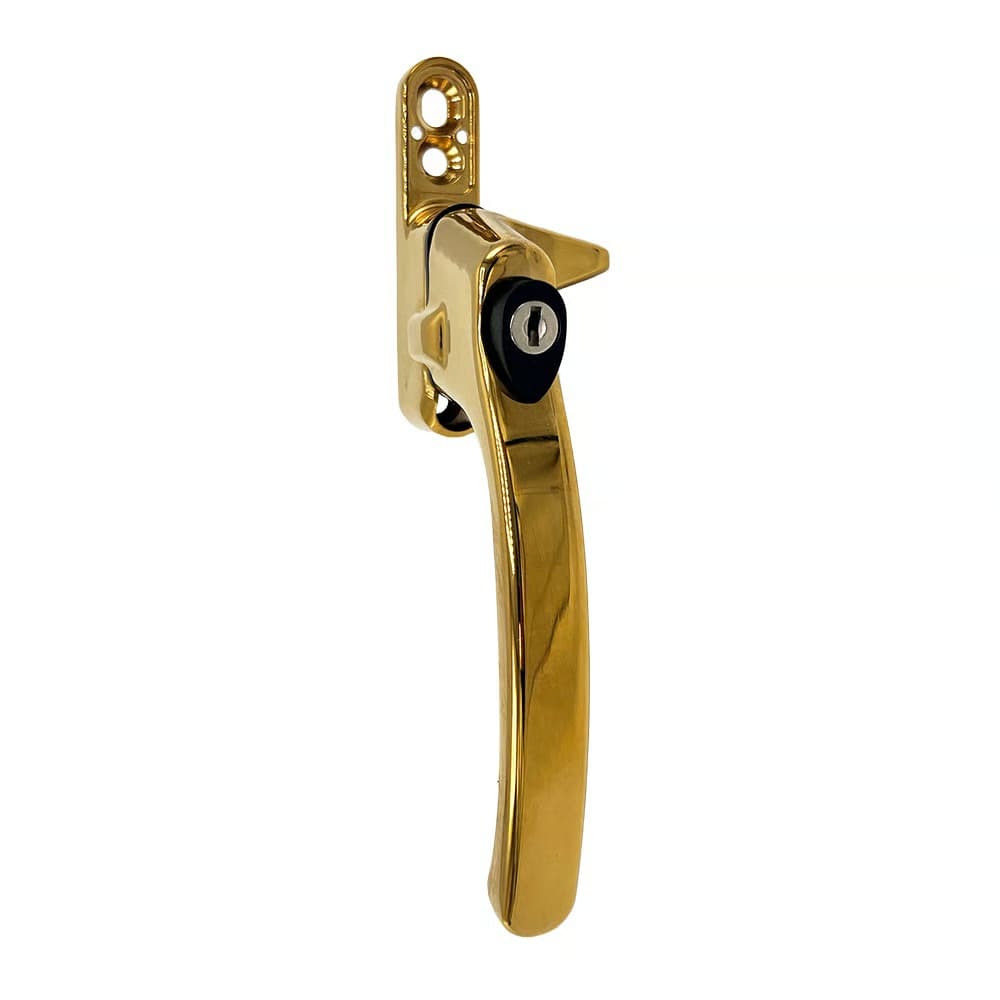
- Locking options: many handles come in non-locking, locking with key or push-button variants; both chrome and white finishes are available for these options.
- Security standards: confirm that the handle meets relevant Secured by Design or PAS standards when required for compliance.
- Backplate and screw centres: double-check screw centres and through-fixings to match existing holes, particularly on retrofits.
Installation and maintenance tips for tradespeople
Whether fitting a chrome or white window handle, correct installation extends service life and reduces callbacks. Follow these practical steps:
- Inspect the gearbox and sash before fitting a new window handle; replace worn components to ensure smooth operation of the window handle.
- Use the correct spindle and ensure it seats fully in the handle mechanism; excessive play can cause premature wear on the window handle.
- Torque settings: avoid overtightening screws which can deform the handle backplate or strip threads; use threadlocker where vibration is an issue.
- Cleaning: advise homeowners how to clean finishes—mild detergent and soft cloth for both chrome and white finishes; avoid abrasive cleaners that scratch the window handle.
- Touch-up and paint: for white handles, keep a small amount of touch-up paint for site fixes; for chrome, have replacements available as plating is difficult to repair on site.
Specifying for projects: what to include on orders
When you are specifying window handles for a project, clarity prevents mismatches and delays. Include these details in your order or schedule:
- Finish: specify chrome or white and whether satin or polished where applicable for the window handle.
- Type: locking, non-locking, key-operated, or push-button locking window handle.
- Spindle size: diameter and length in millimetres for a correct fit to the mechanism.
- Screw centres and baseplate dimensions to avoid drilling new holes on site when replacing existing window handles.
- Quantity plus a small allowance for breakages or future matching replacements of the window handle.
Tradespeople and DIYers both benefit from keeping a small stock of common finishes and types: a couple of spare white window handles for PVCu jobs and a few chrome window handles for higher-end works can save time on site.
Conclusion: chrome or white for your next job?
Choose chrome for a contemporary, durable finish that pairs well with aluminium and modern interiors; choose white for seamless integration with PVCu and painted timber, practical hiding of marks and lower purchase cost. Always check spindle and lock compatibility, specify finish and locking type clearly, and follow the installation and maintenance tips above to get the best performance from your window handle. With the right specification and a small stock of spares, you can reduce call-backs and meet both trade and homeowner expectations.
Recommended Products
Based on this article, you may find these products helpful:
Part of our guide:
Complete Guide to Window Handles